Tiedeken Brothers Auto Body
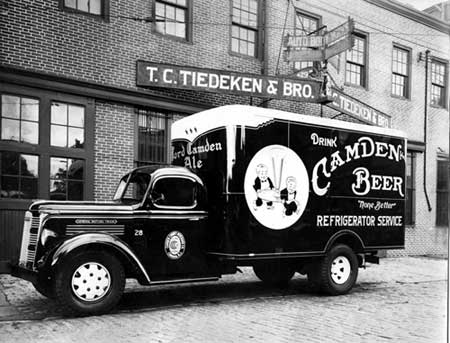
A Tiedeken-built truck body, built for the Camden County Beverage Company, 6th & Bulson Streets in Camden, brewers of Camden Beer and Lord Camden Ale. Estimated date: very late 1930s.
By 1876, the Tiedeken family had already established itself in the Philadelphia area. Camden, NJ was just across the Delaware River, and it was there that Theodore A. Tiedeken decided to open his small wagon-repair and blacksmith shop. The second floor of the building, located at 425 Van Hook Street, would be home for Theodore, his wife, Josephine, and their sons, Theodore C. and William H.
Theodore died in 1887. Since Theodore, Jr. had not yet become a blacksmith, he dropped out of the 5th grade at St. Peter & Paul's School to help his mother run a boarding stable out of the shop. Young William helped out by cleaning the stalls and shining the carriages. The family soon hired a blacksmith to teach Theodore the trade, and he soon began to rebuild the family business.
One of the first customers for the new blacksmith was S. Canning Childs. Theodore and William made pushcarts for his business, Childs' Grocery Store, which would someday grow to become Acme Markets. Campbell Soup and J.B. Van Sciver were other companies that had carriages built by the Tiedekens. During the flu epidemic of 1918, the family built caskets for the dead and lent wagons to carry the bodies to the cemetery. The business grew and the brothers enlarged the shop, but by 1917, most carriages were being replaced by automobiles and trucks. The Tiedekens, like many others in the carriage and wagon business, transitioned into the new technology. They converted their shop to build commercial truck bodies and to do auto and truck body repair.
Theodore Tiedeken was involved with several business and civic groups, and was active in the fund raising drive that culminated in the building of the Walt Whitman Hotel at Broadway and Cooper Street.
When William Tiedeken died in 1940, Theodore retired from the business, but it continued under the direction of William's three sons, William, Edwin and Theodore. The family sold the business in 1981, but it still has the family name, and Robert Callaway, Theodore A. Tiedeken's great-grandson, worked there after the business was sold.
In the early 2000s, the business was acquired by a member of the Camden Fire Department, Joel Bain, who is in the process of restoring and improving the building.
The Tiedeken Auto Body Works is the oldest business in the city of Camden.
Old Centreville Families
Camden Courier-Post —
Dr. Donges, Mills, Schepperkotter, Covely and Other Men Wrought Through Years to Bring Needed Improvements to District
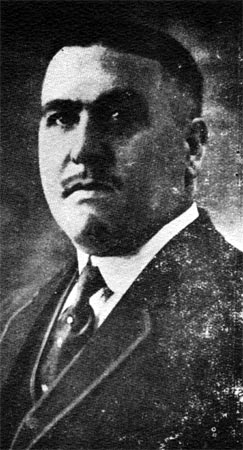
Theodore C. Tiedeken
WHEN a larger community annexes an adjoining district the newer area is generally regarded, for a time at least, as a step-child. Older residents of East Camden will bear out that truism when they recall how difficult it was to obtain improvements. Years before, Newton Township which became part of Camden, had had the same experience. Under such circumstances, it requires tireless energy on the part of leading men to get what their district needs. Demands often go unheeded unless the community is fortunate in having those of spirit who insist on street improvements, water extension, lighting facilities and schools. That was more in evidence half a century ago than now, of course, for Camden itself was little more than a large village.
Down in Centreville there were men who looked after the interests of their constituents, who slowly but surely obtained improvements and who insisted on being recognized by the powers that be. No one may think of old Centreville without thought of Dr. John W. Donges, whose value to not only that section but Camden at large, has been expatiated upon in these annals. He was not only a leading physician, with a practice extending into Camden, but a leader in many civic movements, and any article on that era would be incomplete without allusion again to the doctor whose services as a real family physician are part of the traditions of many old families.
Came Here In 1872
He came here in 1872 from Schuylkill County, Pennsylvania, when his health was affected by overwork through loyalty to his patients. He bought the drugstore at Ferry Avenue and Broadway, remaining there for many years. It was there Supreme Court Justice Ralph W. E. Donges spent his boyhood.
There, too, Dr. Clarence B. Donges and Attorney Raymond Donges were boys. Grant E. Kirk, clerk in his store, later becoming a physician and for several years a member of council and at one time being prominently boomed for mayor, married their sister. Dr. Donges was elected to council in 1878 on the Democratic ticket, itself an evidence of the high regard in which he was held, for the Eighth Ward generally was rock-ribbed Republican. Until the early part of this century he resided in his old place, but later went to Broadway and Clinton Streets. In later years, after he had retired, he was city assessor, “just to keep busy.” He died a few years ago, well in his 80s, mourned by a great host of Camdenites.
There was another widely known Centreville family of the old days, that of Samuel Mills, who had his own abattoir at Broadway and Jackson Street, where city-dressed meats were provided before the days of car refrigeration brought supplies from the great packing places in Chicago. His son, Charlie, was long a member of the Board of Education, while another, William, was a city councilman. Edward Mills, another son, was excise commissioner 35 years ago in the days when there was plenty of trouble with Sunday sellers.
Cornelius Schepperkotter was a factor in politics down that way, too, having a grocery store on Ferry Avenue at Ninth, later moving to the southwest corner when the Charles Sumner School was built. That school was torn down two years ago for the recreation center. Schepperkotter was a member of the old Board of Public Instruction in the late 90’s, named by Mayor Cooper B. Hatch. In later years and until his death, he was superintendent of Evergreen Cemetery. He was father of Mrs. Frank S. Albright, wife of City Clerk Albright.
Frank Covely
Shortly after the New York shipyard was opened, there moved to the “Hill” Frank D. L. Covely, who became a joiner and for years was foreman of the joiner shop. He was widely known as a secret society man and also as an effective campaign speaker for the G. O. P. He was a member of the Board of Education.
He sought to go to council, but that was at the time Kirk was a power in the ward. Covely laughingly used to tell of a meeting all set for him from which all save the colored folk were drawn away through strategy of his party opponents. But for ten years he was a member of the Board of Recreation Commissioners.
That movement owed much to his work. Nor did he forget his colored friends, for he had a playground established for them at Ferry Avenue and Phillips Street and the large one [Staley Park] at Seventh and Jefferson streets. Long afterward that was named for another city official, but Covely’s friends said it should have been for him, as a monument to his services for the boys and girls of Centreville. He died a few years ago at Bellmawr in his 70s, after a hectic experience as a chicken raiser at Port Norris.
There, too, was William Dorrell, superintendent of the old “Narrow Guage” who was one of the leading spirits in the paving of Broadway, nearly 60 years ago the big issue of that section. He lived in a house along the railroad still standing, as the hospital and dispensary of the shipyard.
Mention has been made of the Ferrises, the Helmbolds, the Yeagers, of Squire James D. Chester and Squire F. Joseph Rouh. There was also William O. Thompson, the leading contractor down that way for many years and Theodore Tiedeken, who established the wagon works on Van Hook Street, Martin Ewe, who had the hotel at Broadway and Emerald, and down the street a bit James Croker, who operated Tammany Hall. Forty years ago there was one of the best young athletes of the city, Thomas Nicholas, now retired Camden fire chief. He was down in old No. 3 with Bill Rose, long a fire captain, Bill Miller, Al James, Sam Lodge, Gus Dold and John Ware.
Many of these old timers have passed on, but others are still in the flesh but scattered to all parts of the city but it may be said the survivors look back on the days that were down there in Centreville with an interest that does not dim with the passing years.
From the Sacred Heart Centennial History
Church of the Sacred Heart, A Heart in Camden for A Hundred Years — 1985
In 1876 Theodore A. Tiedeken started a small wagon-repair and blacksmith shop at 425 Van Hook Street, making his home above the shop. He died at an early age, leaving three small children. Young Theodore C. Tiedeken, being the oldest and a fifth grade student at St. Peter & Paul’s School, promptly left school to help his mother.
Neither Theodore nor his mother could carry on the blacksmithing, so they turned the shop into a boarding stable from 1892 to 1896. The widow took care of the horses, even to their shoeing, while Theodore and his brother William kept the stalls clean and the carriages shining and in good repair.
Soon they found a blacksmith, and Theodore C. began learning the wagon-building trade, beginning with pushcarts. The first pushcart Theodore built was for Childs’ Grocery Store, which today is Acme Markets.
William Tiedeken, grandson of the first owner and nephew of Theodore C. Tiedeken, tells how the family business was rebuilt. Theodore’s brother William was working for Childs’ Grocery when that first pushcart was delivered, and Theodore took the occasion to invite his younger brother back into the family business. Mr. Childs wanted to keep a good worker in his employ, but commented, “Well, I guess I can’t stop two good men getting together.”
In 1896 and again in 1917 the brothers enlarged the shop.
Their customers included prominent Camden businesses such as Campbell Soup and J. B. Van Sciver. Mary Bigley, Theodore C.’s granddaughter, remembers that neighbors would gather at the first sight of Eavenson & Levering’s prize-winning Clydesdales, all decked out in their polished brass harness, coming down Van Hook Street held in rein by their driver. With bells jingling and red plumes bobbing, they would back into the shop to pull out another big new shiny red wagon. All the traffic would stop as they made the turn on Van Hook, heading up Fourth Street, just a few blocks from Sacred Heart.
In 1897 the Tiedekens left the German parish of Saints Peter and Paul and joined Sacred Heart.
William Tiedeken was the first sexton of Sacred Heart. During the ’20’s Theodore was on the church restoration committee, and the brothers donated a beautiful stained-glass window.
Fr. McCloskey baptized most of the 13 Tiedeken children. Today William recalls that McCloskey headed a draft board at Sacred Heart during World War I and “Uncle Theodore” assisted him.
The Tiedeken brothers’ business grew and changed with the city of Camden. During the flu epidemic of 1918–19, the shop built caskets and lent wagons to carry bodies to the cemetery. As the time of wagons passed into history, the shop made plans to make auto truck bodies. The forges came down, the huge oven was closed up, and the wagon wheels were stored away. The traffic on the street no longer stopped to let the beautiful Clydesdales make the turn; instead traffic stopped while a brand-new Tiedeken-made Van Sciver or Hurley van made that turn. At one time the shop had the distinction of being the oldest family-owned and family-operated business in the city of Camden.
T. C. Tiedeken retired shortly after the death of his brother in 1941. The business went on under the direction of William’s three sons. The family members are now all retired or deceased.
Although the Tiedeken family sold the business in 1981, the Auto Body Shop is still operating at the same location under the original name. Robert Calloway, the great-grandson of Theodore A. Tiedeken, is employed by the present owner — making 110 years of Tiedekens on Van Hook Street. Close to the street they made their mark, the wheels of their wagons and trucks turning in time with a city’s fortune. Sacred Heart’s history is richer for their industry and participation.
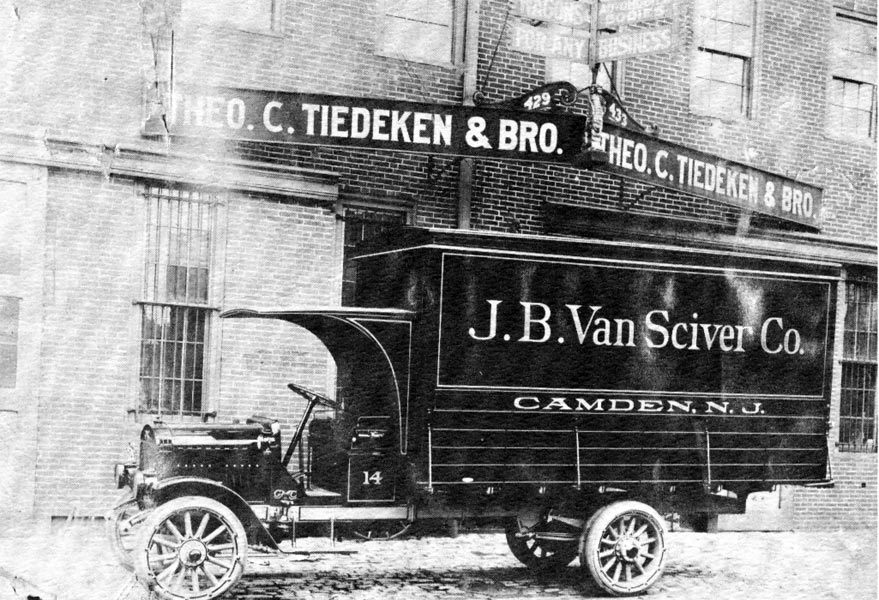
A Tiedeken-built wagon for J.B. Van Sciver.
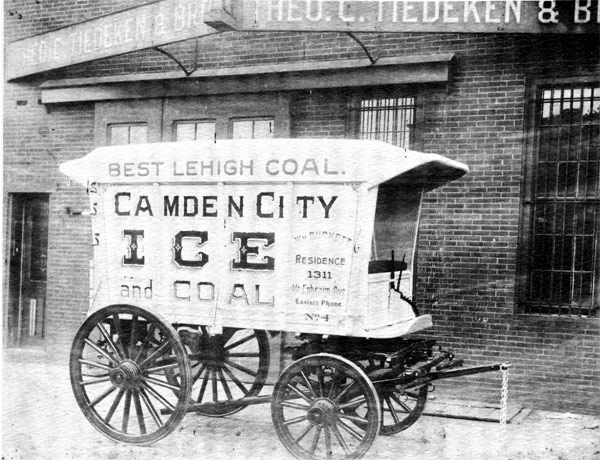
A Tiedeken-built ice wagon.
Wagons & Carriages Built by Theodore C. Tiedeken & Brother
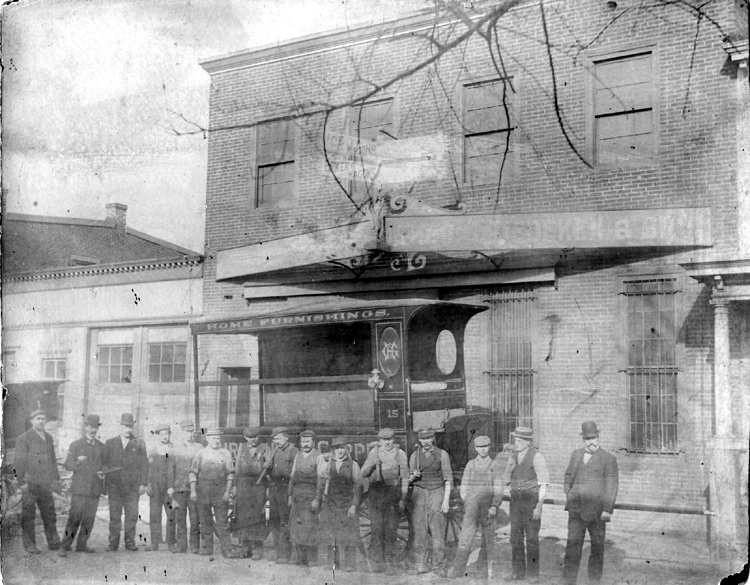
A wagon by Tiedeken for a furniture and carpet store (initials “H.G.” or “G.H.”). Photo appears to have been taken before 1917.
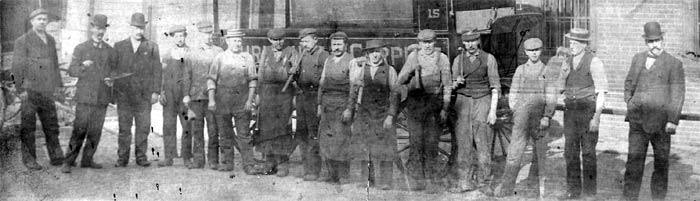
Tiedeken wagon.
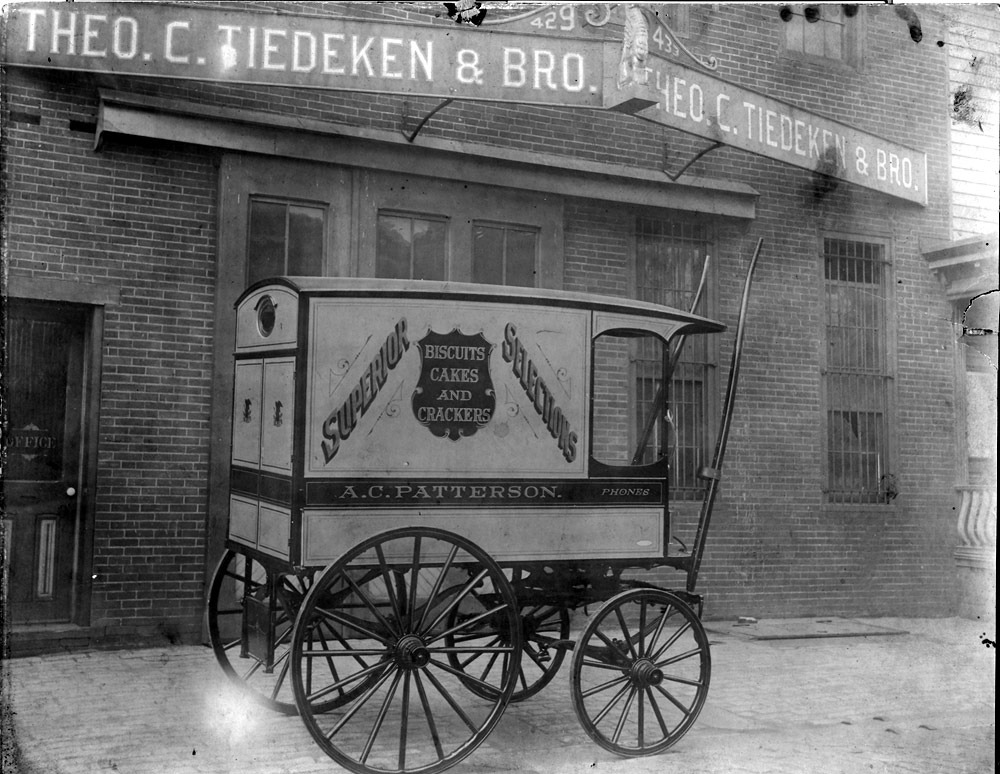
A.C. Patterson — Biscuits, Cakes and Pies.
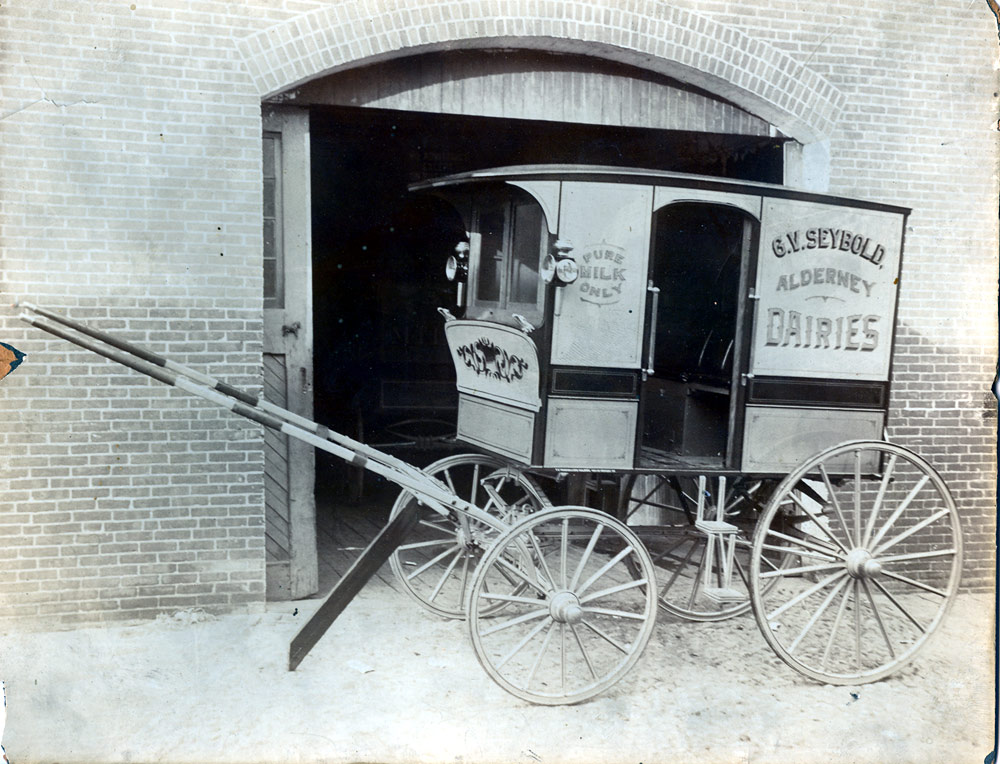
G.Y. Seybold — Alderney Dairies.
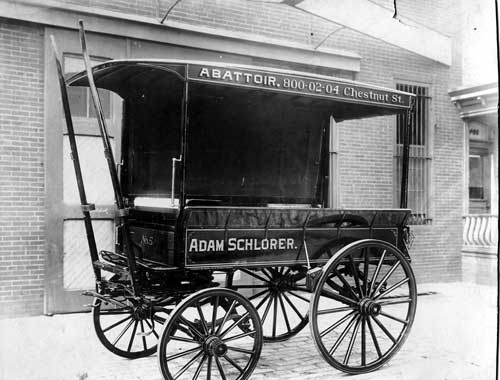
Named: Adam Schlorer Abattoir, 800, 802, and 804 Chestnut Street..
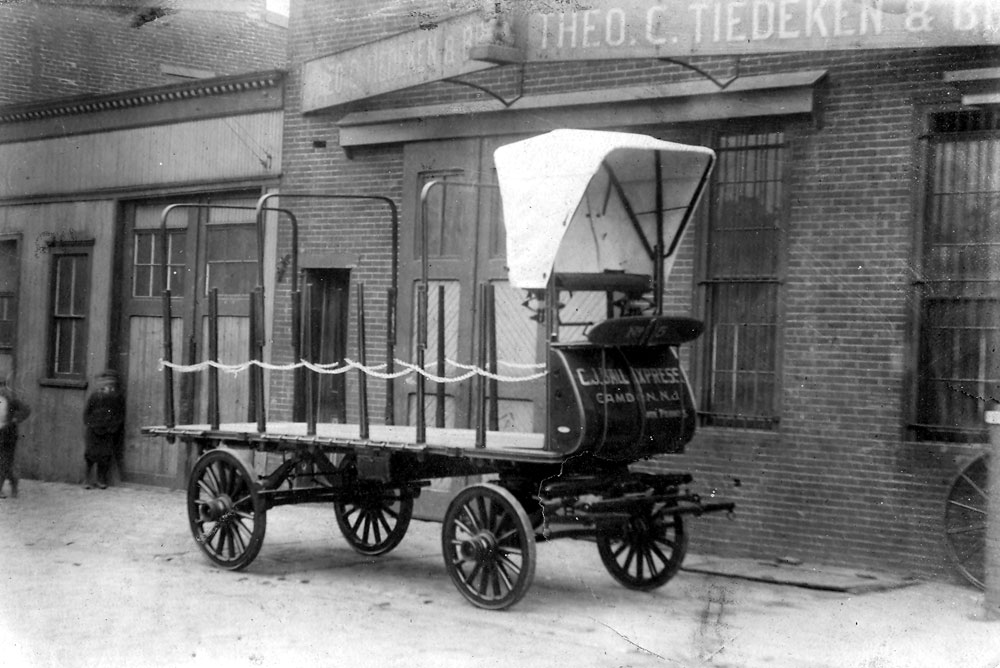
C.J. Ball Express — Camden, N.J.
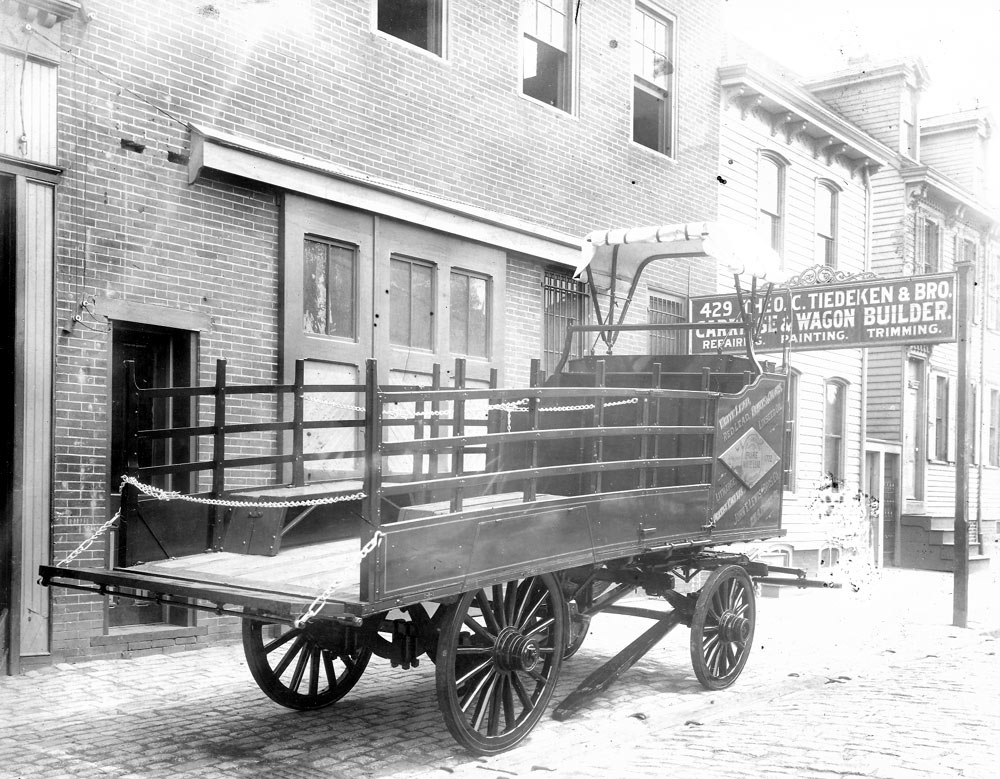
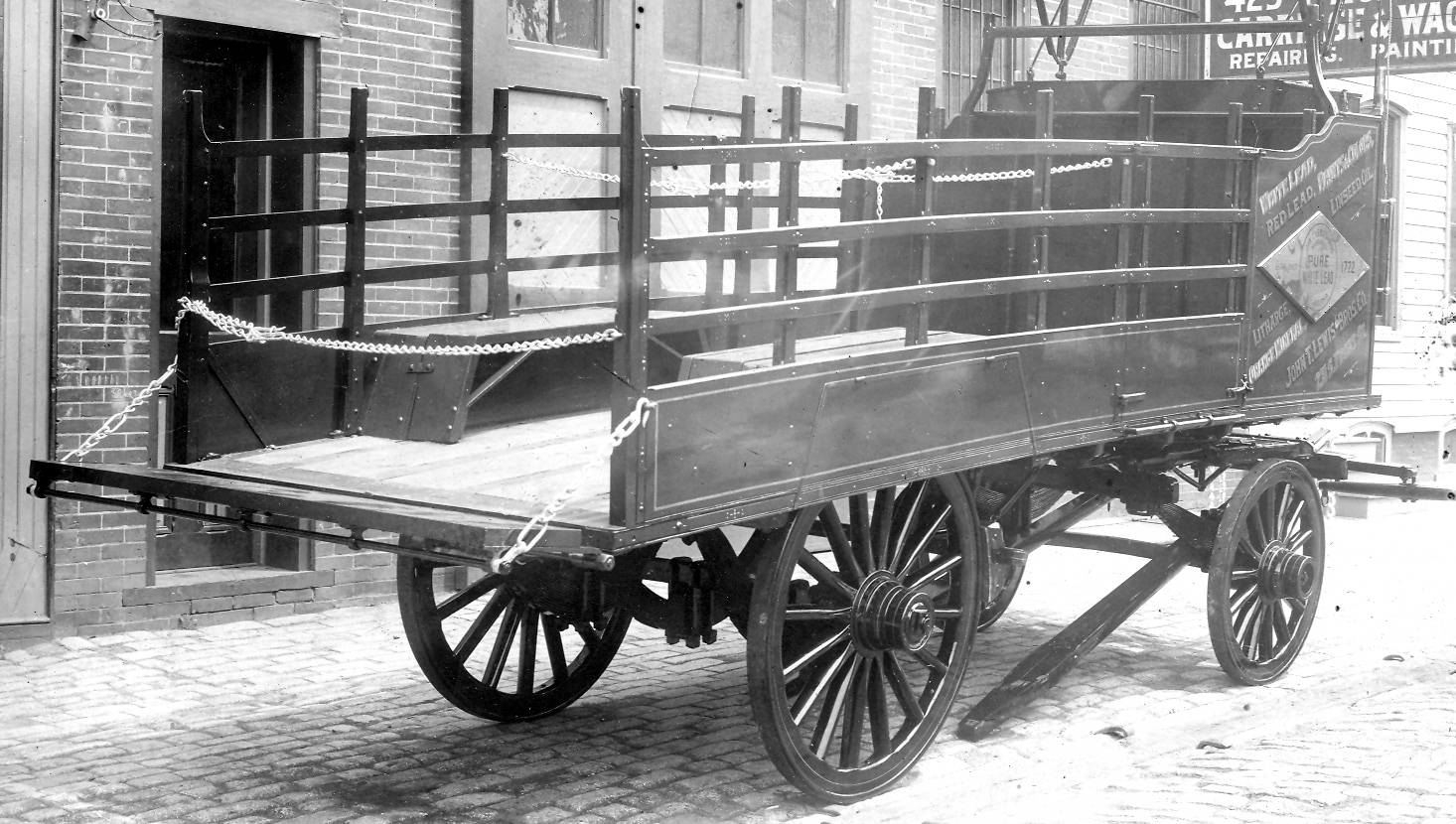
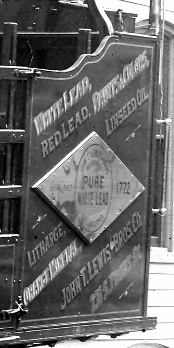
John T. Lewis Brothers Company.
Trucks Built by Theodore C. Tiedeken & Brother — Before 1940
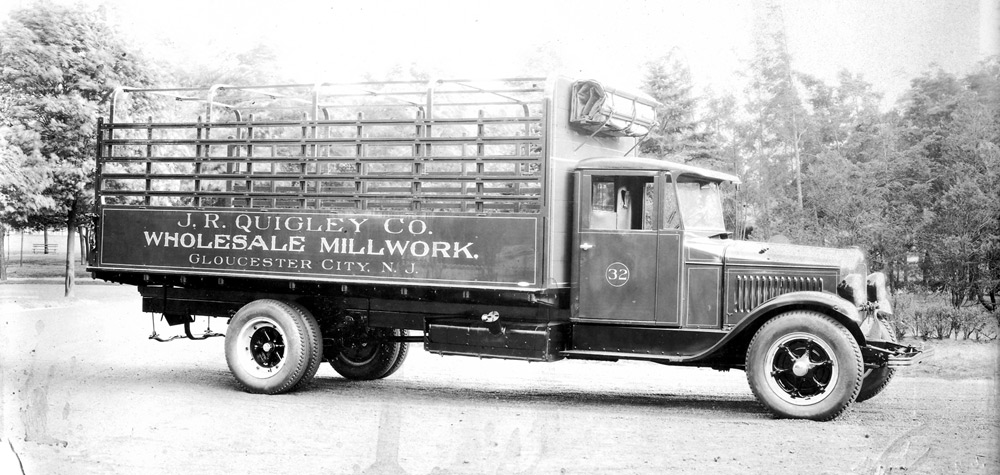
Tiedeken-built truck body, before 1940.
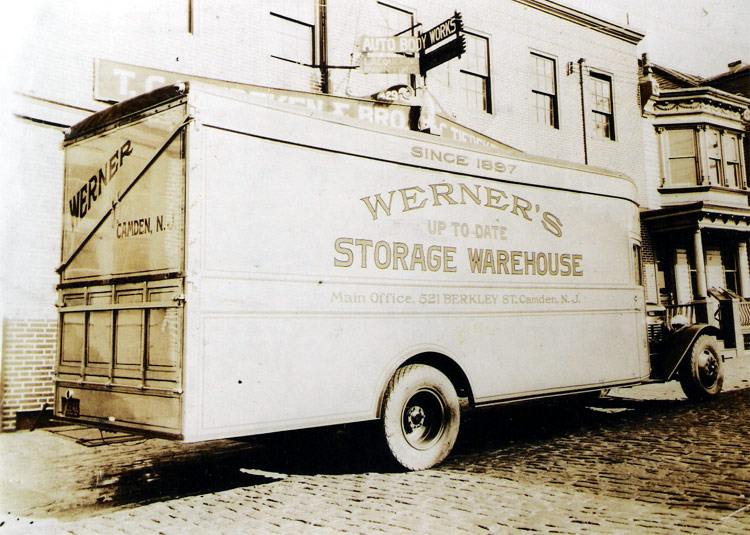
Tiedeken-built truck.
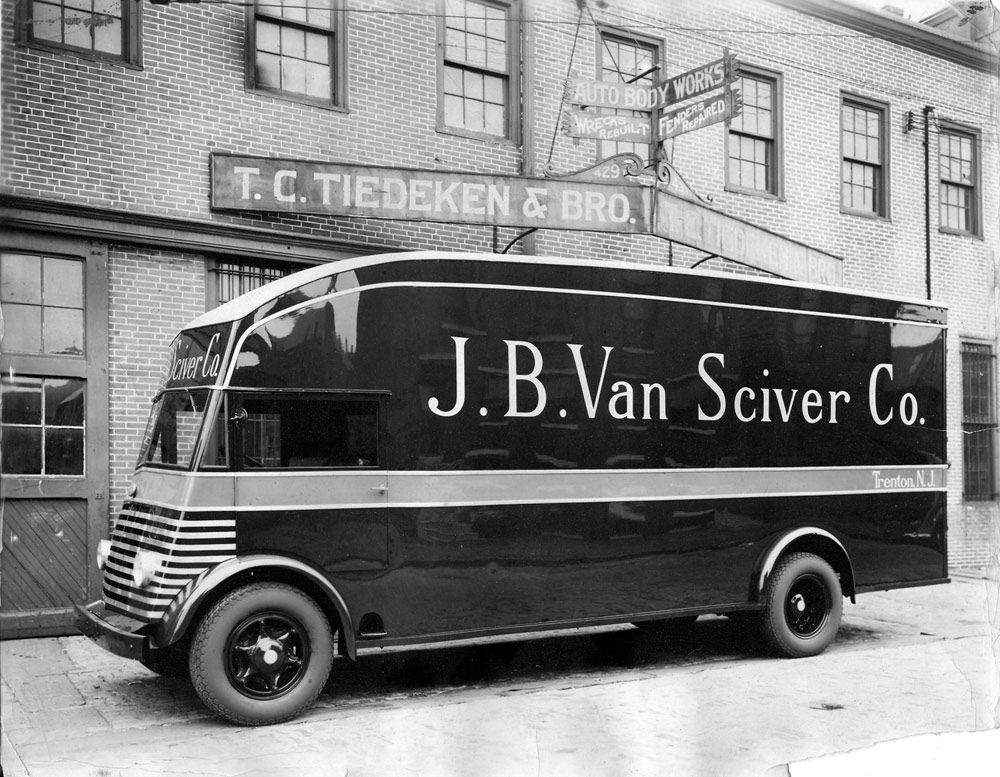
Tiedeken-built truck body.
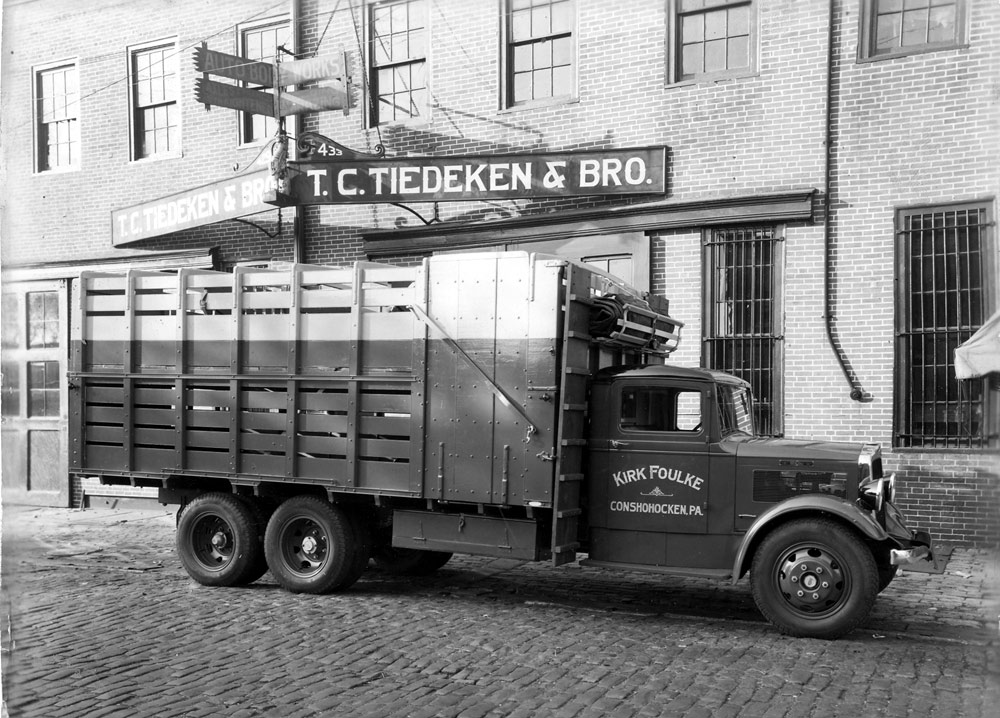
Tiedeken-built truck body.
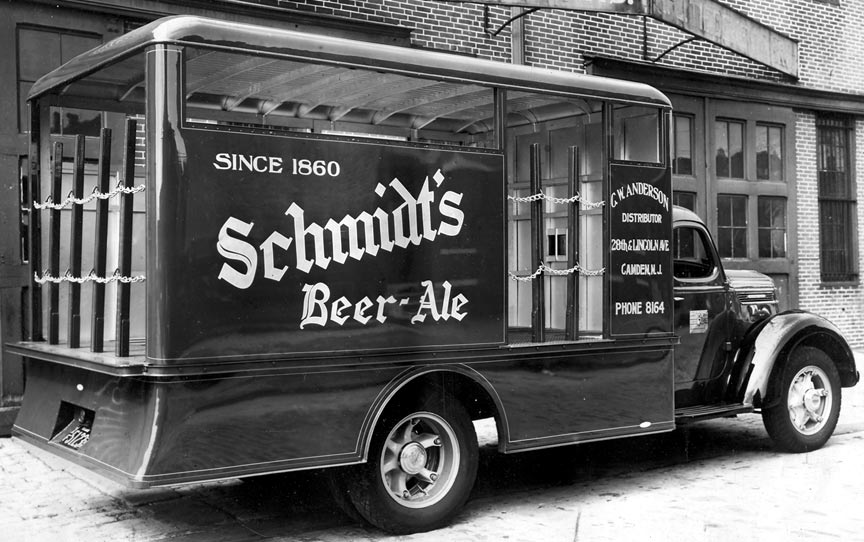
Tiedeken-built truck body for Schmidt.
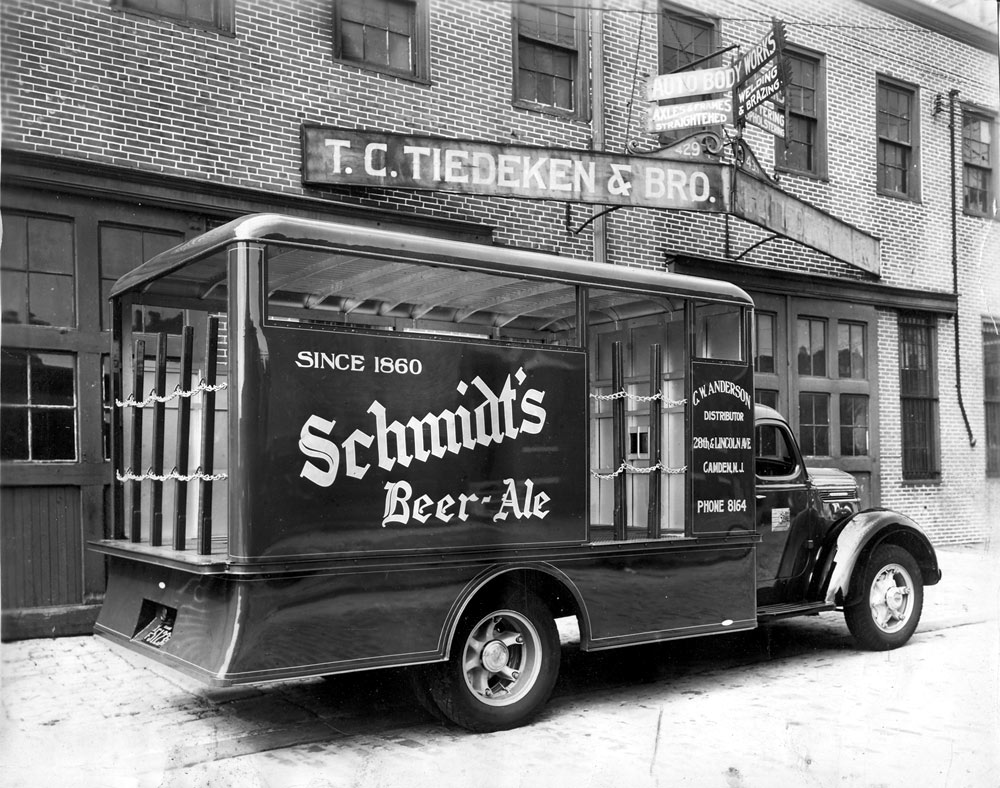
Tiedeken-built truck body.
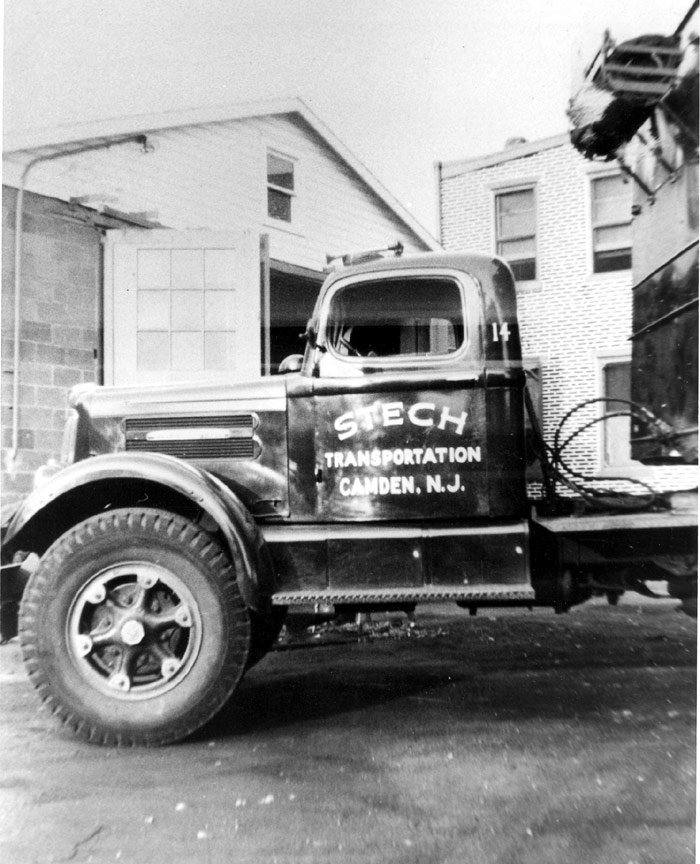
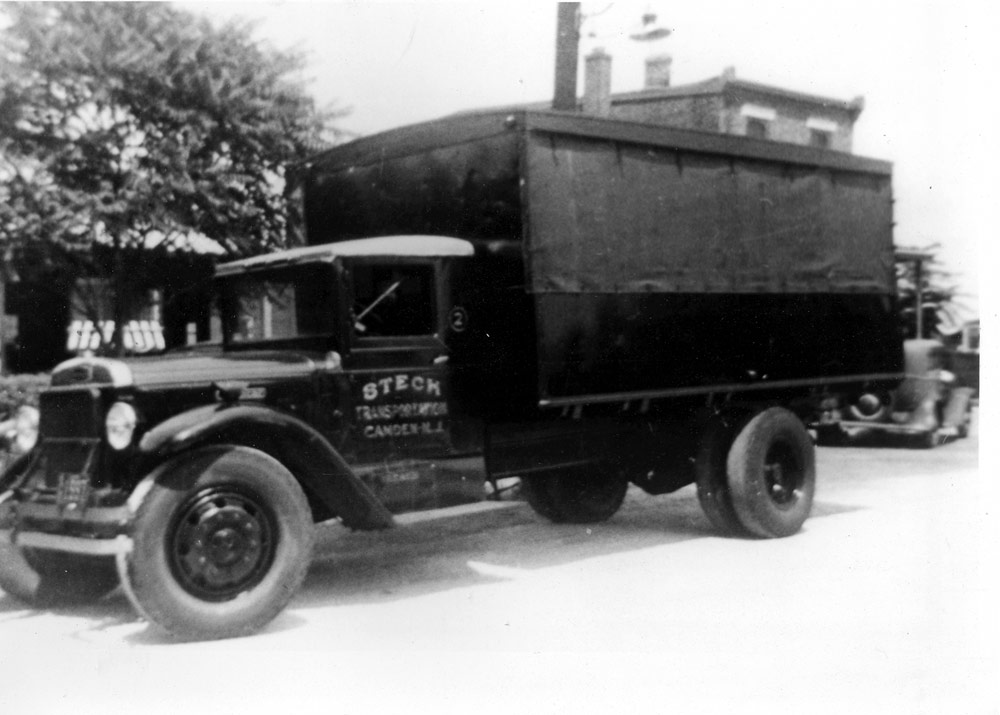
Stech Transportation — Camden, NJ.
Trucks Built by Tiedeken Brothers — After 1940
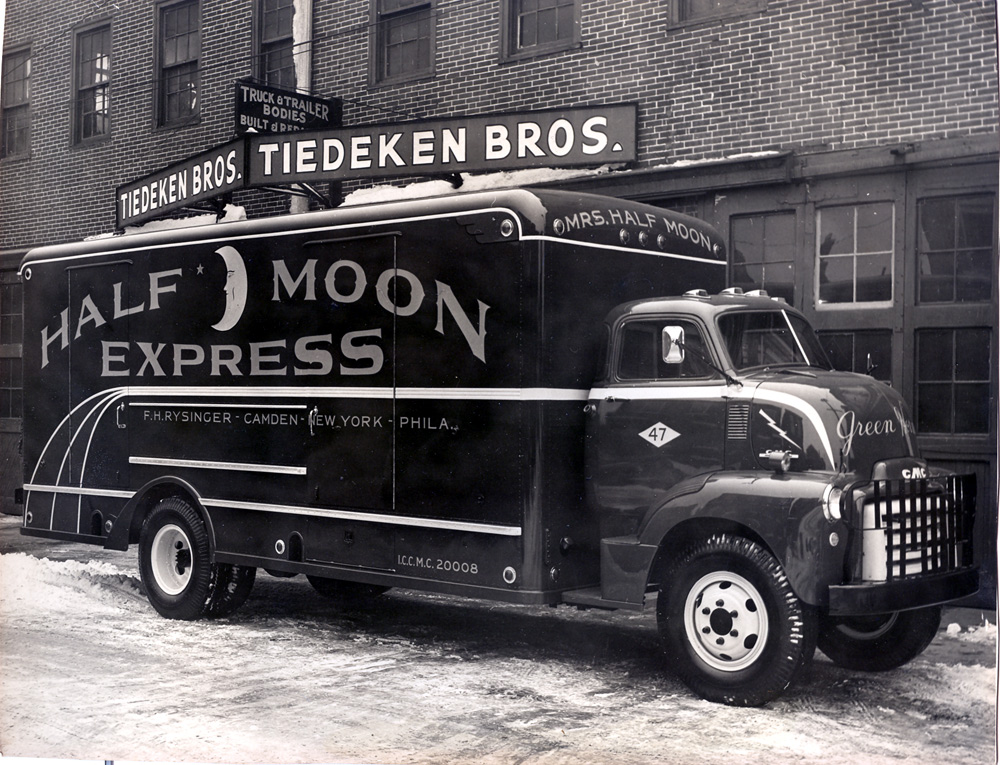
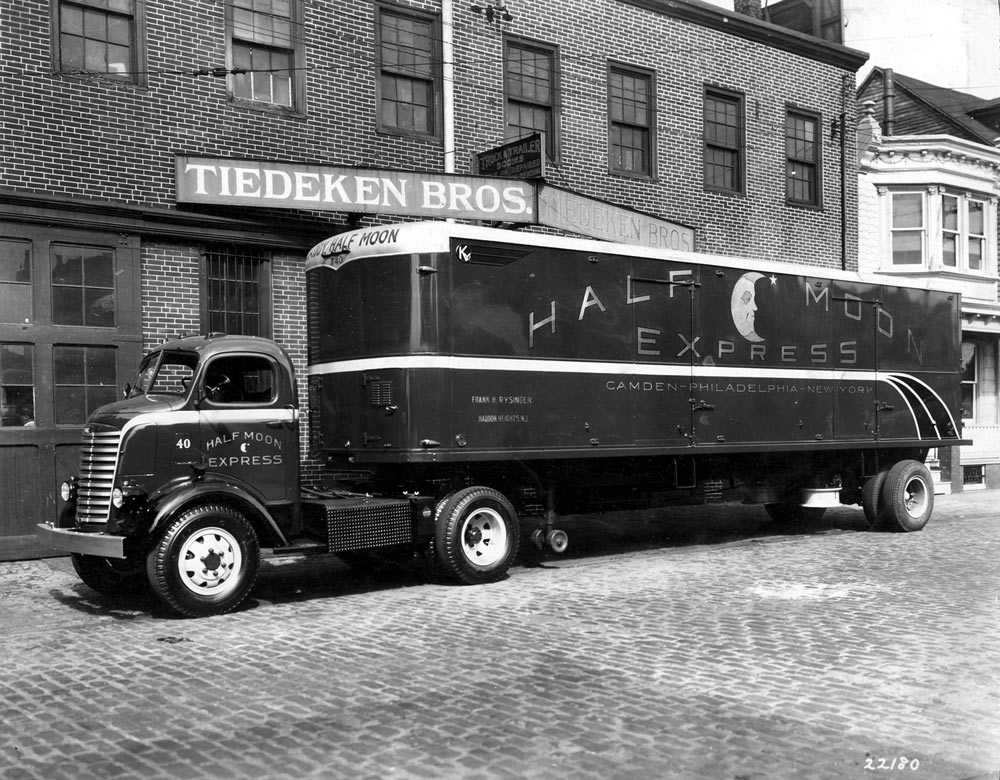
Half Moon Express.
Business Ephemera
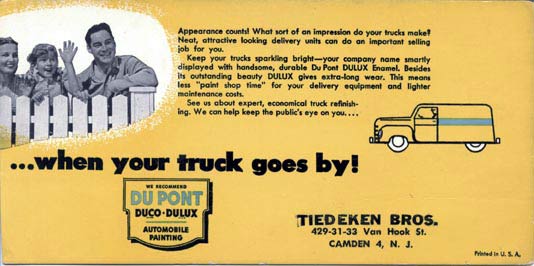
1950s–1960s advertising card. Note the “Camden 4” address; ZIP codes came into use in July of 1963.
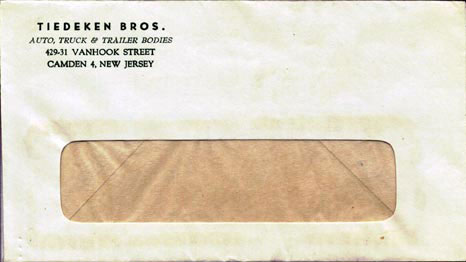
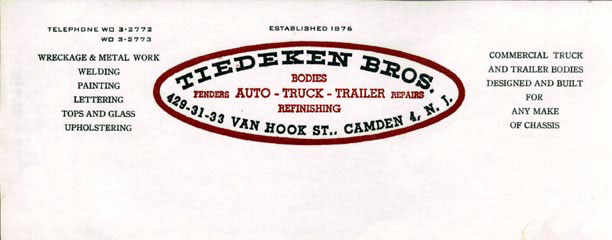
1950s–1960s Tiedeken Brothers stationery.
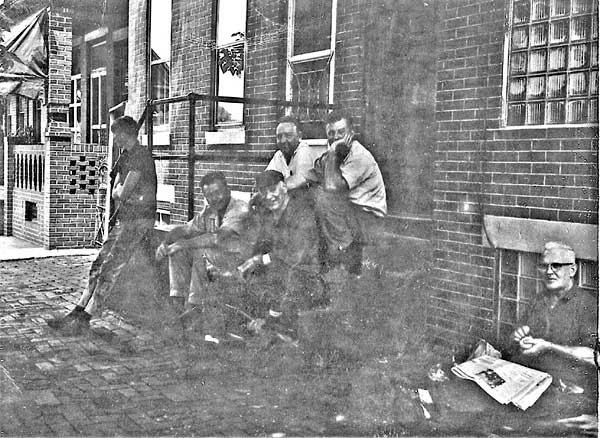
1960s — Tiedeken employees taking a break out front. George Birch, seated, wearing cap.
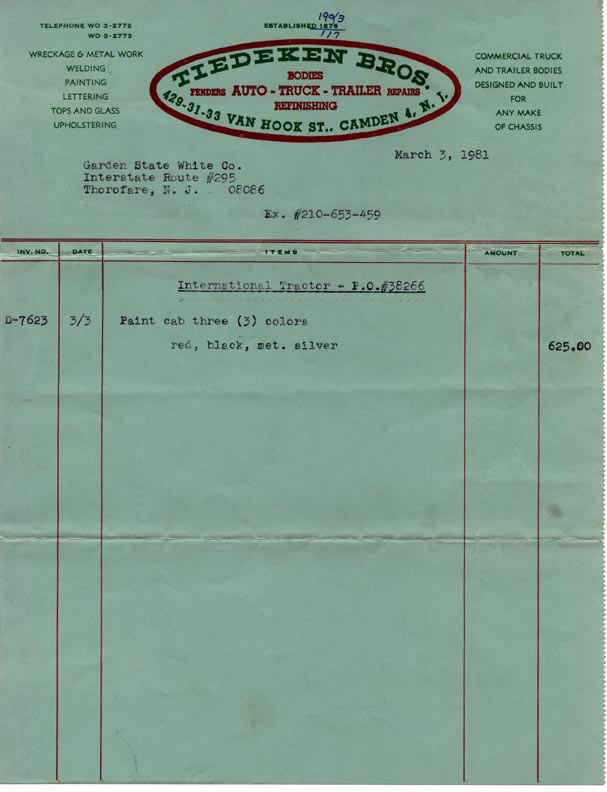
1981 invoice.
Family Photos
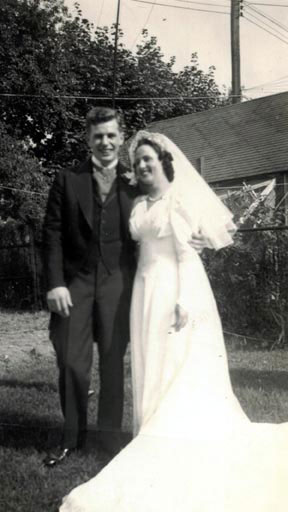
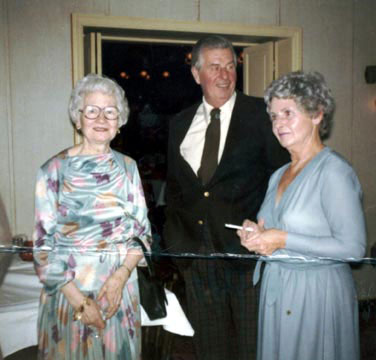
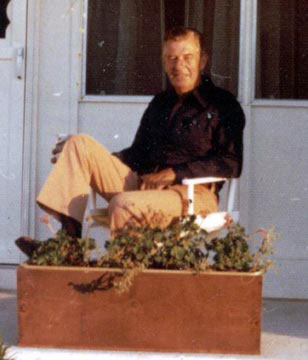
Left: Theodore & Ann Diskin Tiedeken. Below left: Veronica Diskin, Theodore and Ann Tiedeken, at Compton’s Restaurant, Westmont NJ, 1980. Below right: Theodore Tiedeken, Cape May NJ, 1980.