Life and Work on the Delaware River
Dave Boone, son of Camden fire fighter Maurice Boone and nephew of Camden fire fighter George Boone, spent most of his professional life working on or with the tugboats that ply the Delaware, serving the ports of Camden and Philadelphia. Since retiring in 1999, he has made a name for himself as a painter, concentrating on tugboats and other waterfront scenes.
During the summer of 2006, Dave was kind enough to furnish 3 discs with high-resolution scans of various images of Camden, mostly pictures involving the river in one way or another. The sheer volume of images and my desire to try and get the page that would host them up in an orderly fashion dictated that I would have to block out some time to create a page for them. Family and work obligations being what they are, I am setting up the page with links to the images first, and will add thumbnails or quick loading versions later, as these images really deserve to be available to the public, and I do not want to delay this any further.
Please write with any comments!
Camden NJ — September 22, 2006
Mary Allaband Erekson is the daughter of the late David Allaband, who worked on the river as a longshoreman and aboard tugs beginning at the age of 12 in the mid 1920s. I've set up a page about his life and times, which you might find interesting. Included are images of the tugboat Rancocas, and another that I have not identified.
Pennsauken NJ — July 28, 2007
Marie Gibbs Johnson sent some newspaper clippings with pictures of Cooper's Point and of Smith's Island and Windmill Island, both of which were in the Delaware between Camden and Philadelphia and which were removed to allow the navigation of the river by larger ships. Both islands were popular entertainment centers in their time.
Camden NJ / Pennsauken NJ — October 12, 2007
Warren Fairess sent three photos taken in 1929 from the Benjamin Franklin Bridge and Dave Boone sent three photos and some text pages about the South Jersey Port in Camden from 1931… on the same day in July! It just goes to show, great minds think alike!
Pennsauken NJ — July 20, 2007
Bob Bartosz made available 8 photos from August of 1929 taken in the area of the Market Street Ferry Terminal, one in particular is a close shot of one of the shops that located on what was called “Ferry Walk.” Today I think I'm going to try and get my act together and get the rest of these photos… or a lot of them anyway… formatted!
Pennsauken NJ — September 19, 2009
Jim Lapp sent a number of photos taken in 1981 of tugboats belonging to the Curtis Bay Towing company. The photos were all taken in August 1981 from Pier 5 North Delaware Ave looking towards Camden.
Pennsauken NJ — January 30, 2010
Sailing Ships Docked off of Cooper's Point — 1890s
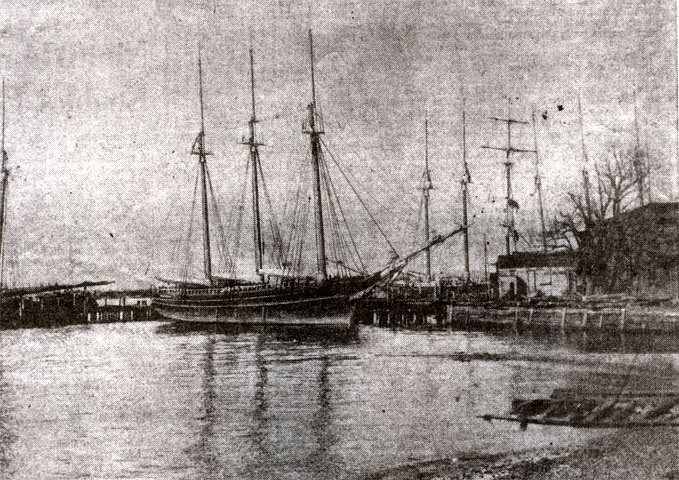
Sailing ships docked off of Cooper's Point, 1890s
Windmill Island
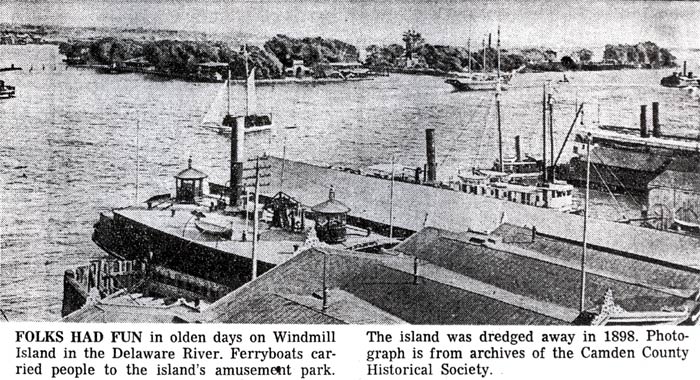
Windmill Island
Smith's Island
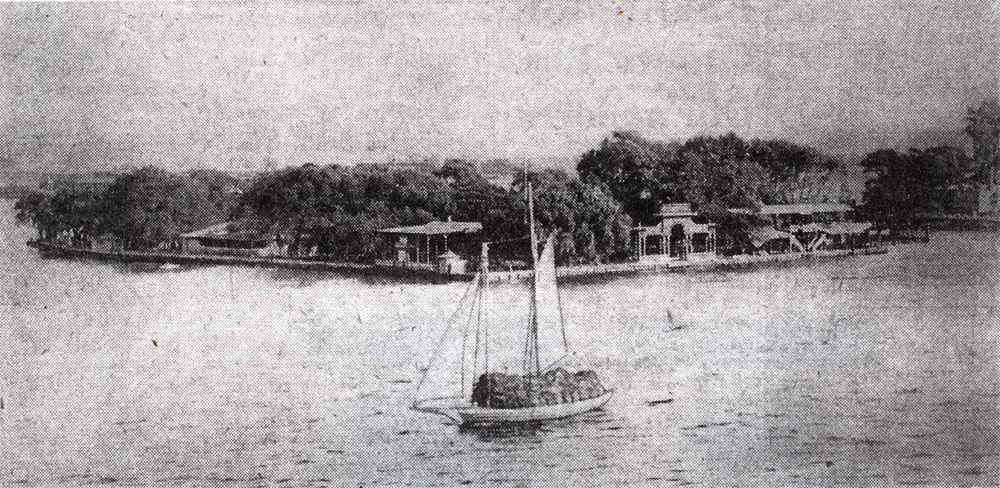
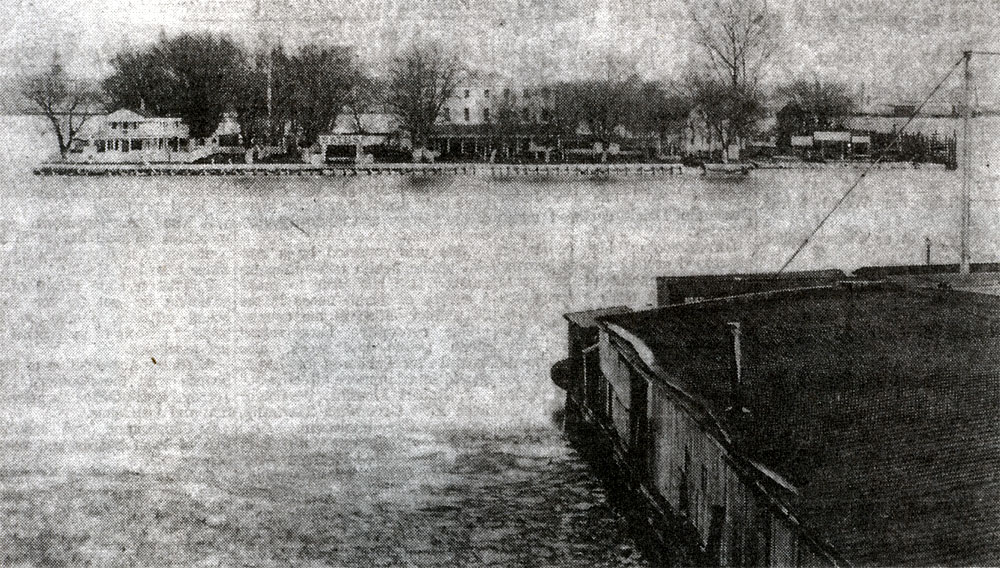
The amusement park and beer garden on Smith's Island attracted thousands of pleasure seekers before the Federal government removed the island in the 1890s. Legend has it that a ship sank on the spot and the island was created from river silt piling upon it. The view above was from the old Federal Street ferry house.
August 1929 — Photos of and from the Market Street Ferry Terminal
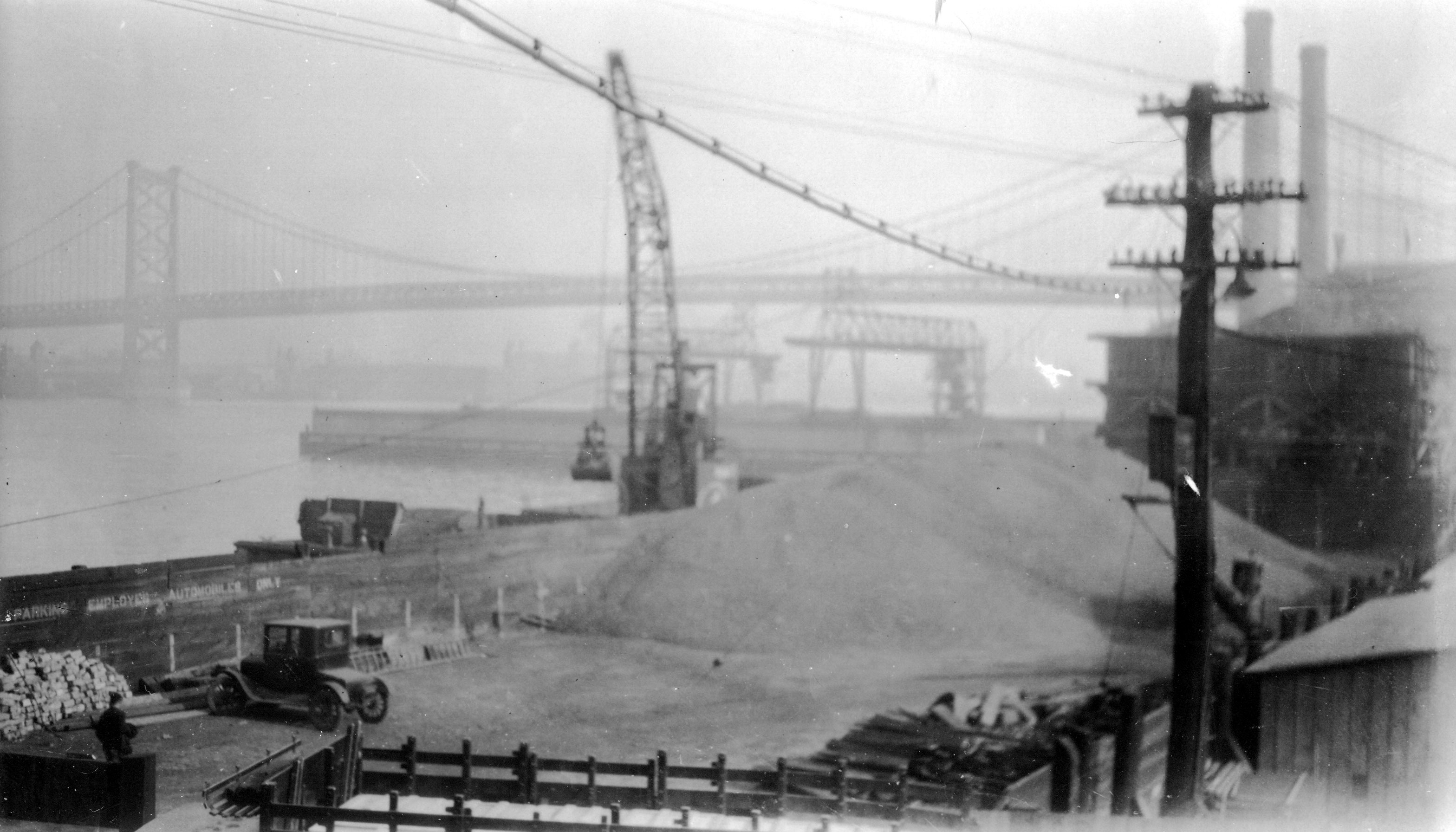
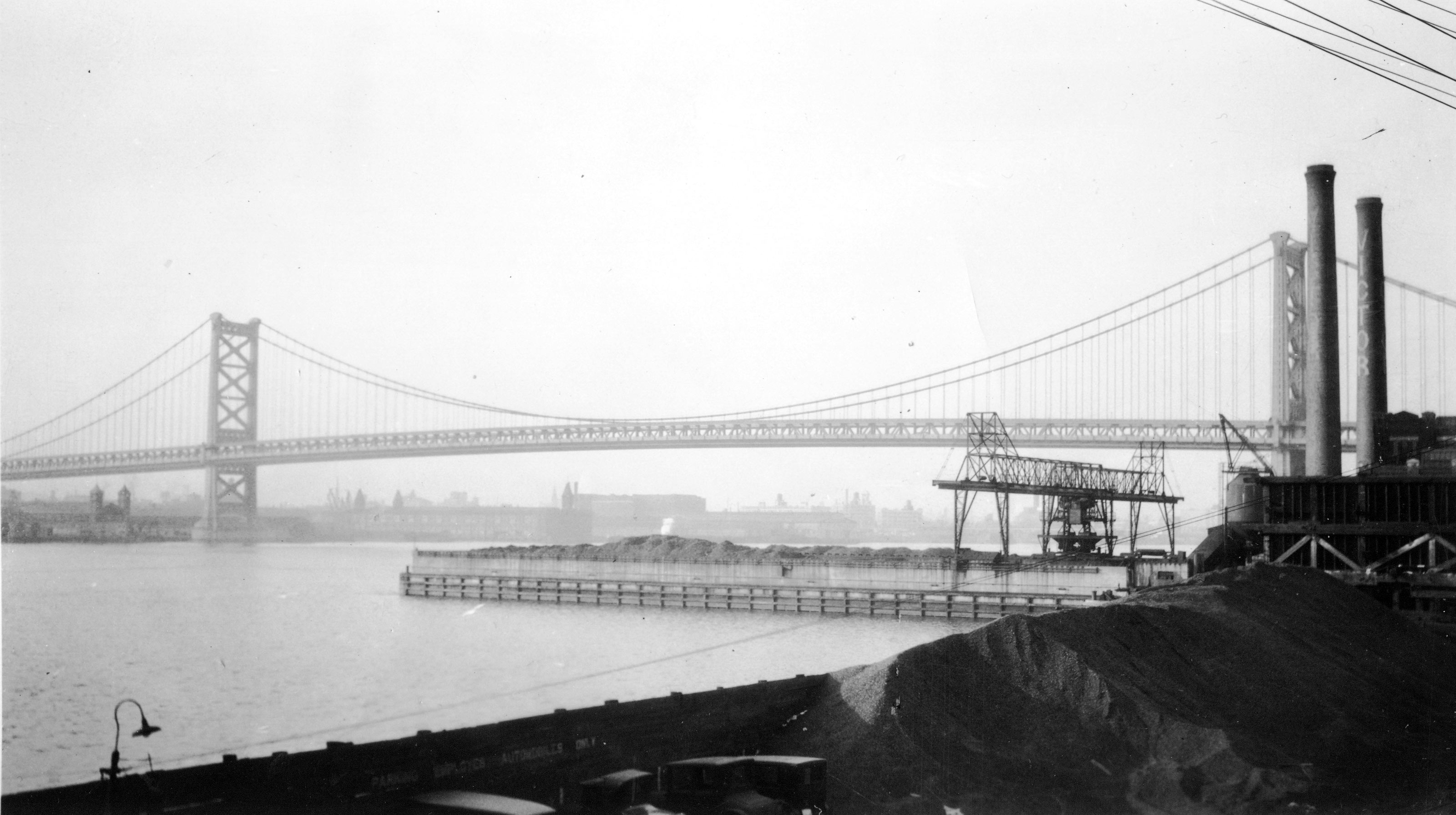
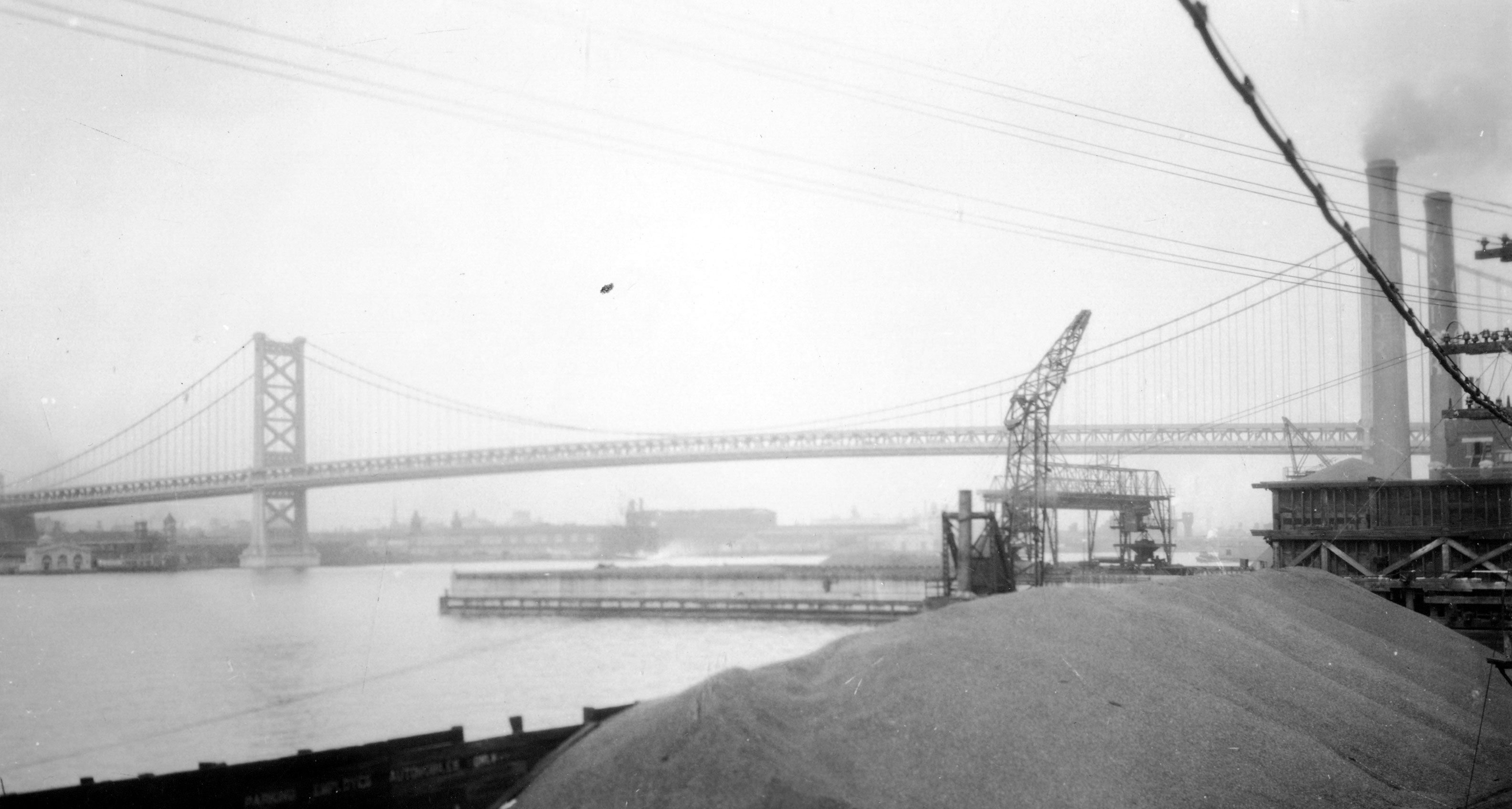
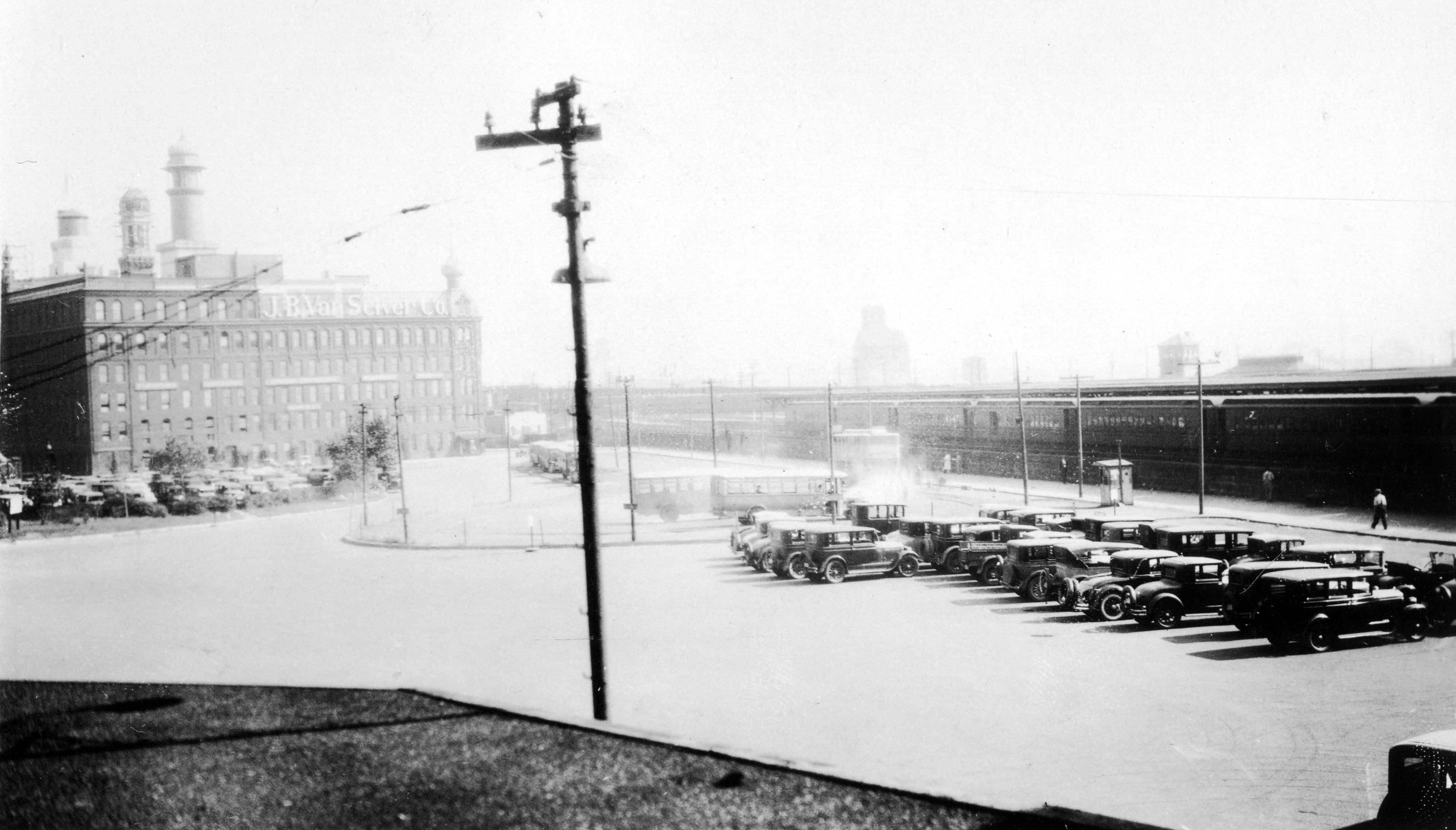
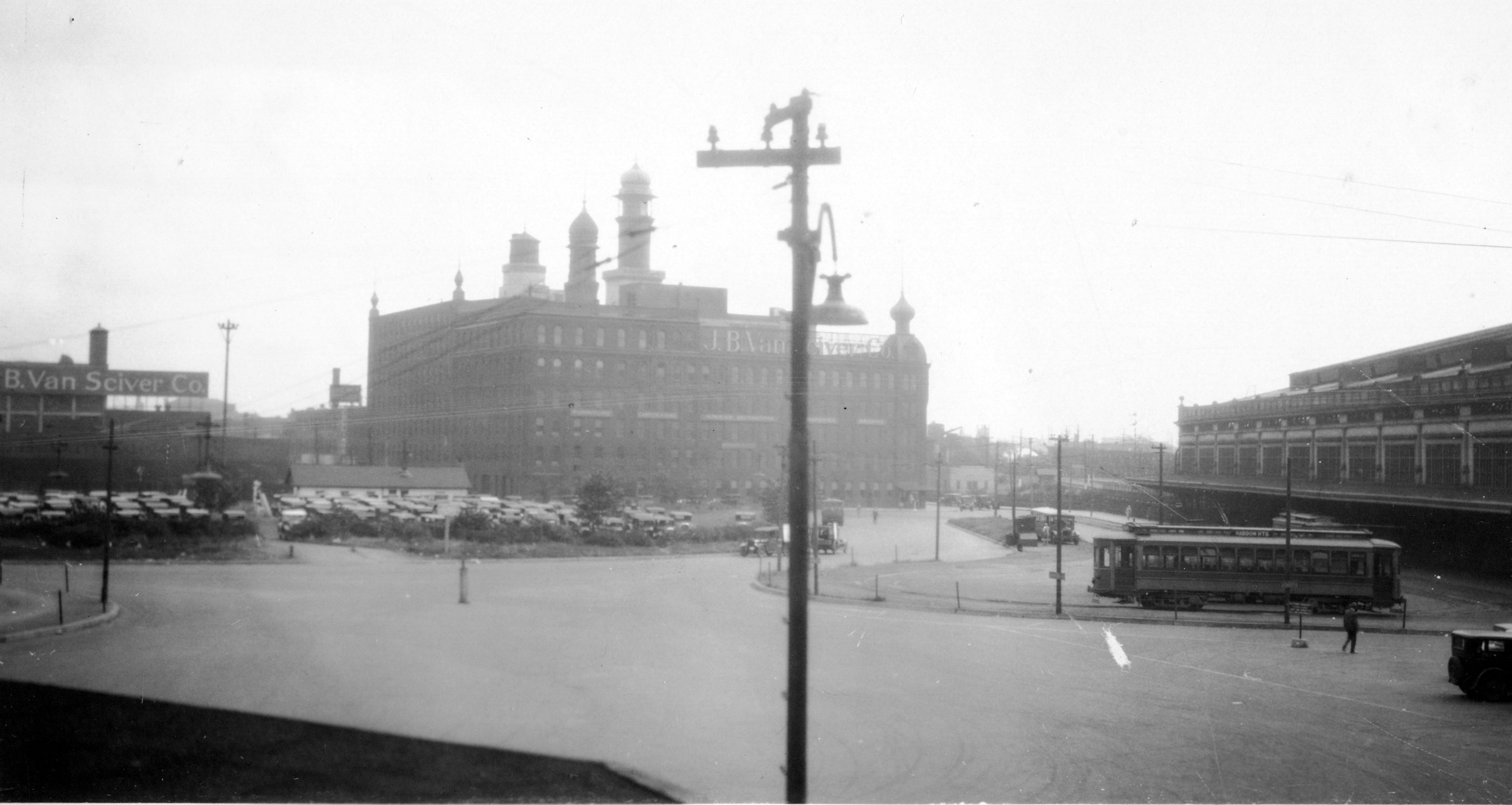
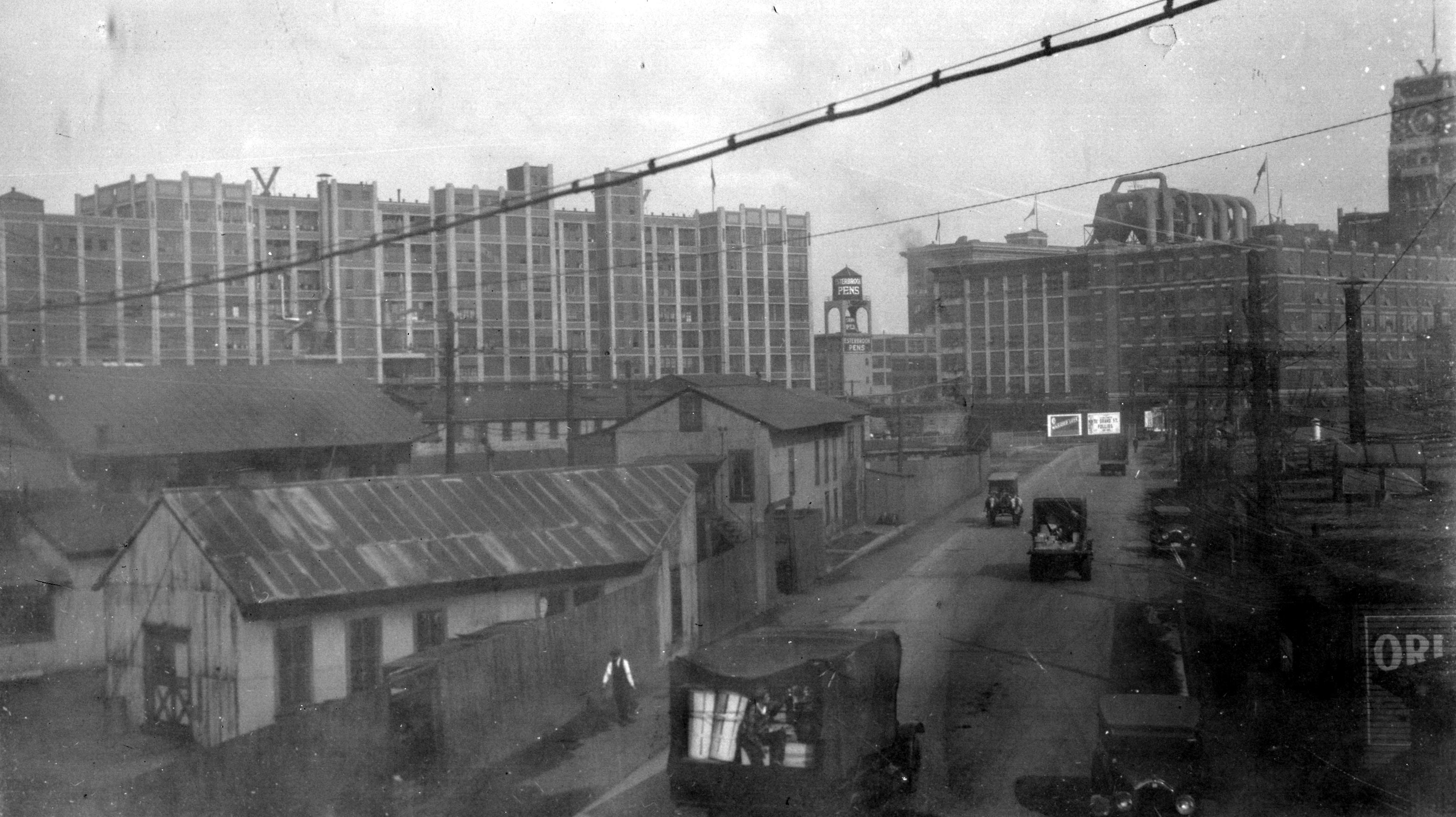
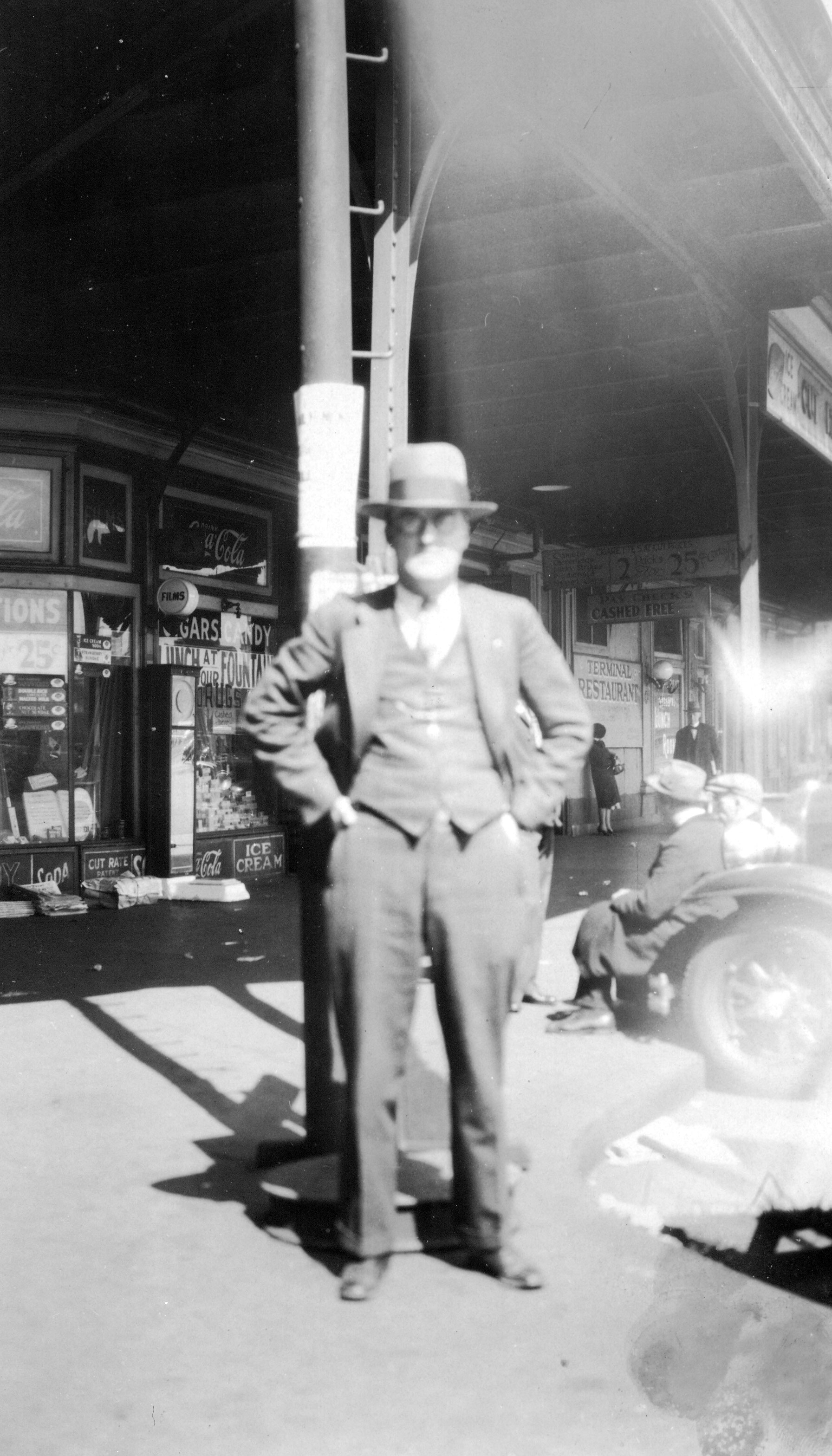
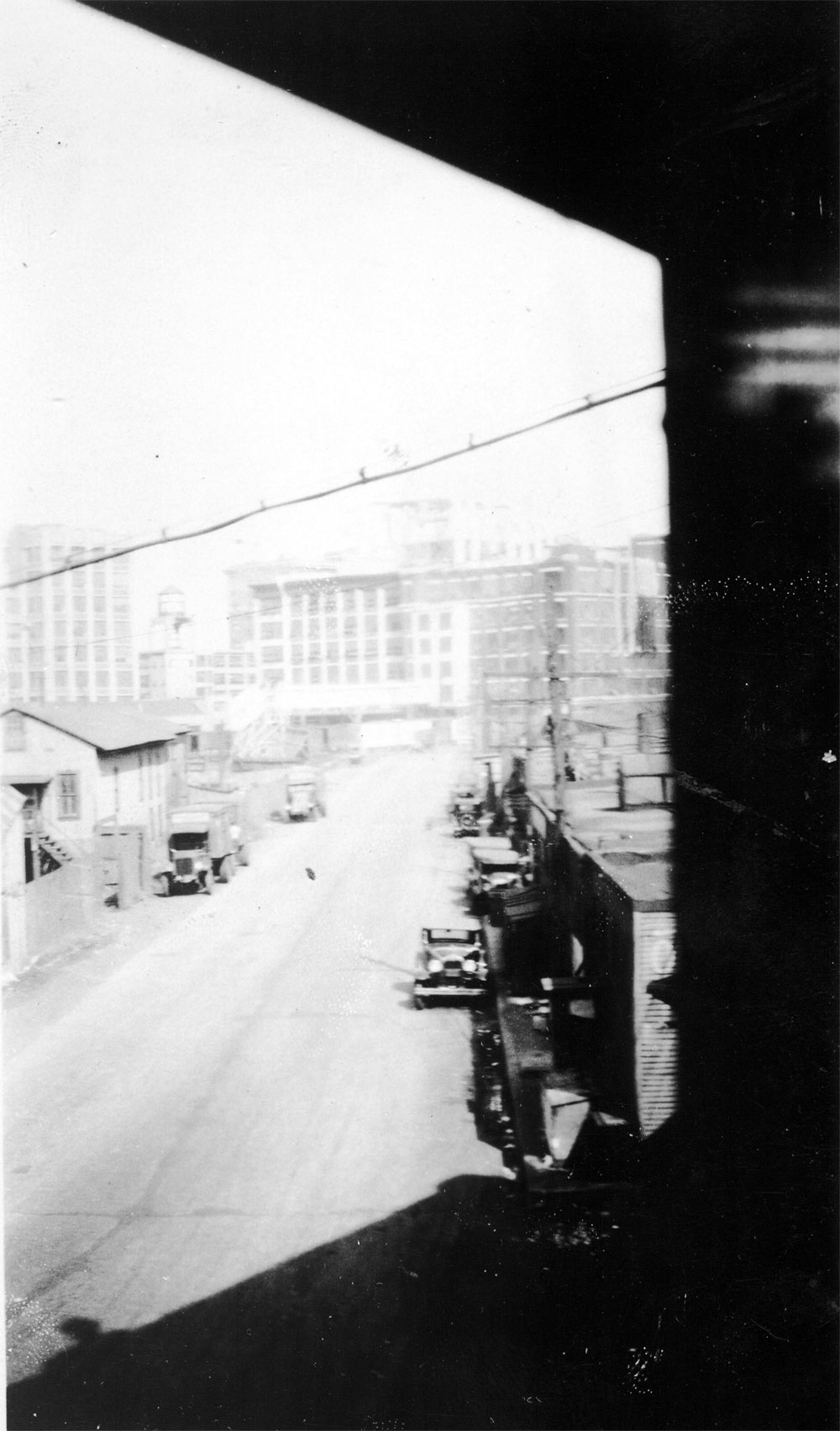
Photos taken from the roof of the Market Street Ferry Terminal in August 1929, contributed by Bob Bartosz.
Views looking northwest toward the Delaware River Bridge (now the Benjamin Franklin Bridge). The buildings to the center and left rear (in the southeast view) belong to the J.B. Van Sciver furniture company, at the corner of Federal Street and Delaware Avenue. The trolley car is bound for Haddon Heights.
Looking northeast towards Market Street, the building at the left rear is the Victor Talking Machine Company building, which in recent times was converted into an apartment building after having stood empty for decades. Commercial traffic that came across on the Ferry took the short road which led to the corner of Delaware Avenue and Market Street. Billboard at right rear advertises the Grand Street Follies, a vaudeville show that was then playing in Philadelphia.
Left: Unidentified man standing in front of shops that were in the Ferry Terminal. Shop on left is a candy store then owned by J. Frank Shelleberger; on the right is the Terminal Delicatessen at 21 Market Street. Be sure to view the enlarged version of the picture at left, which is in great detail.
Cramer Hill & North Camden — Tugboats and Barges
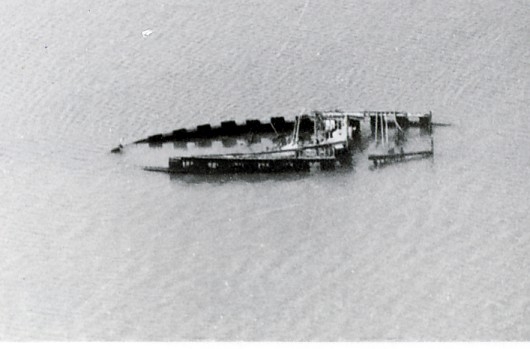
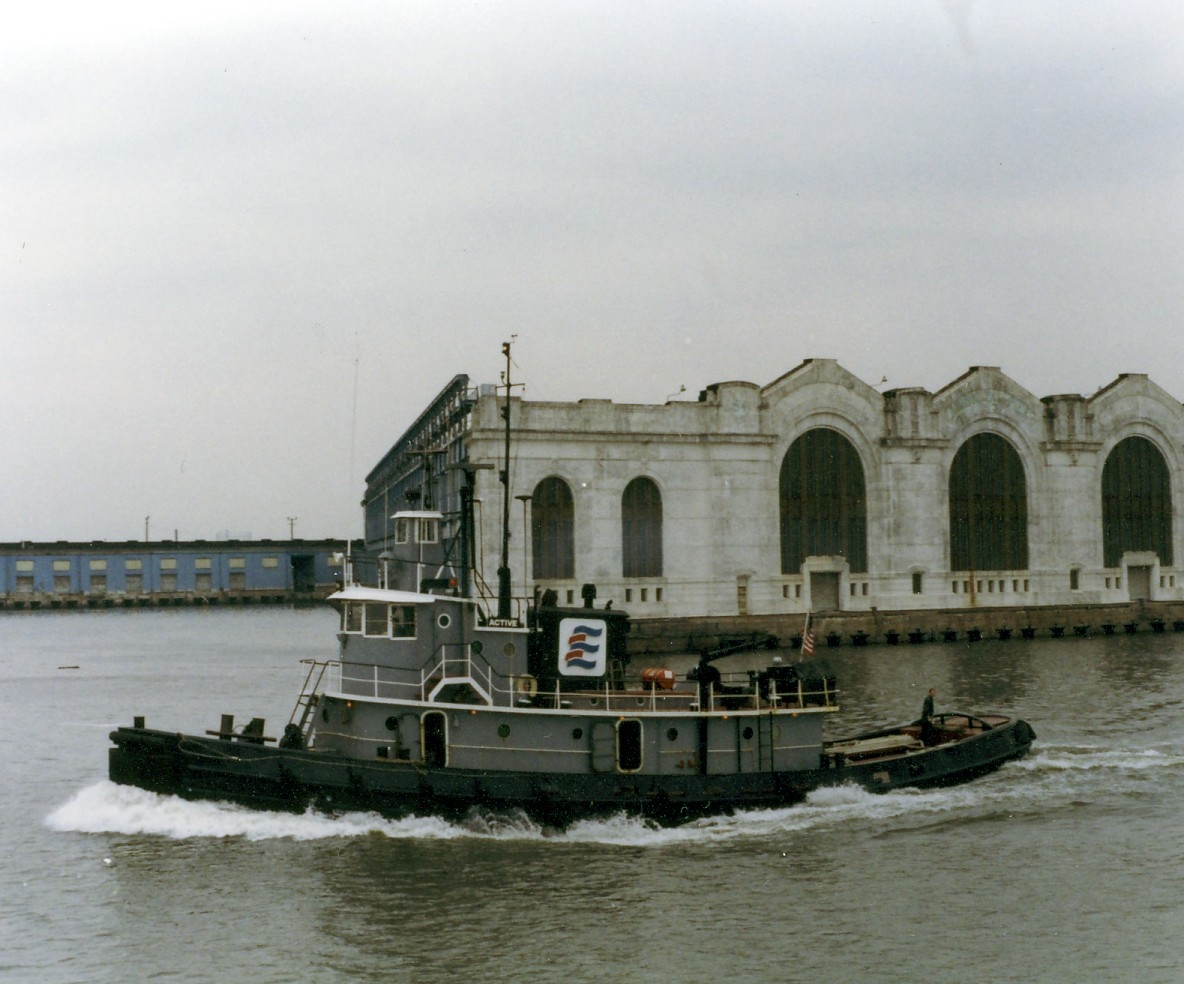
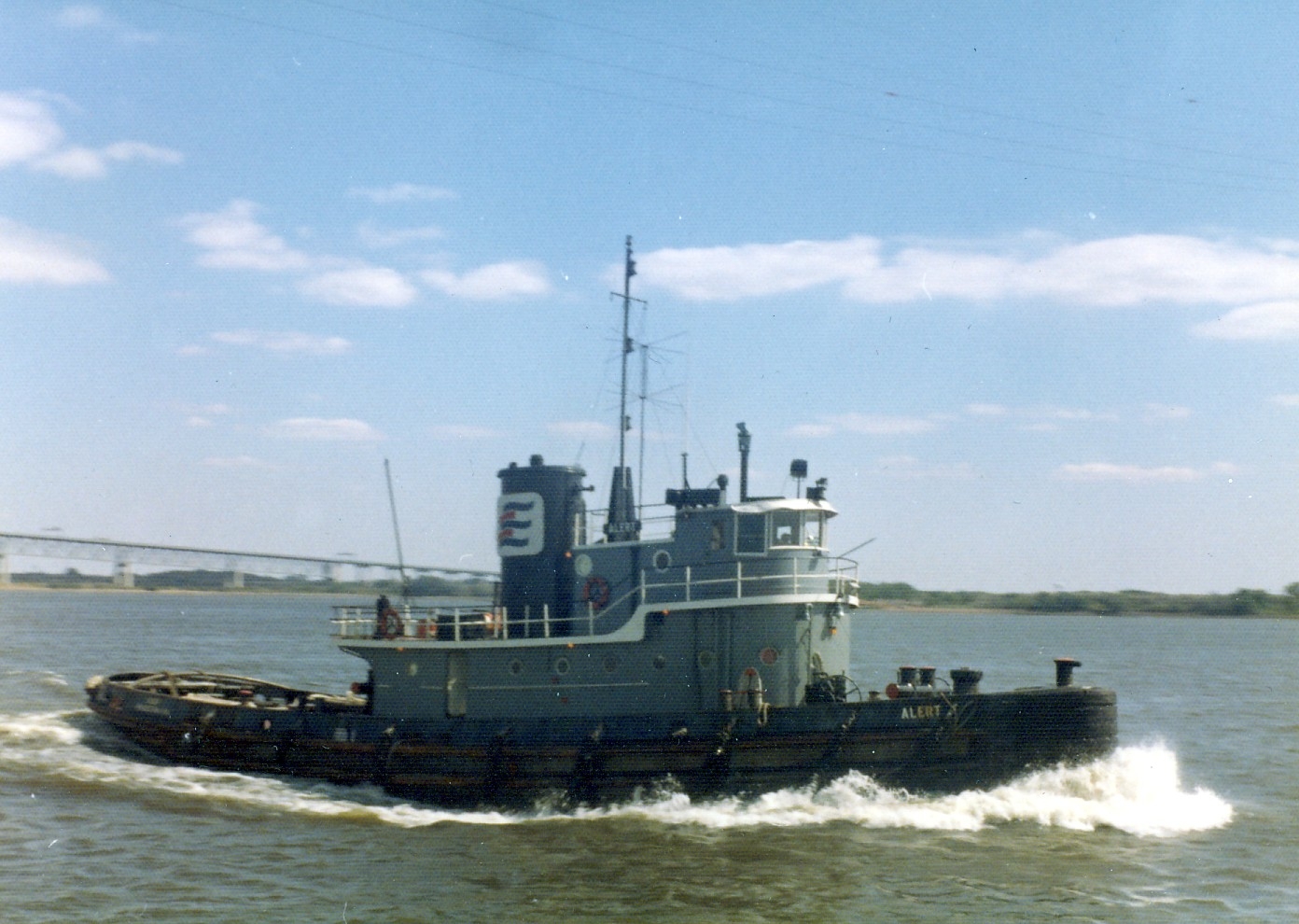
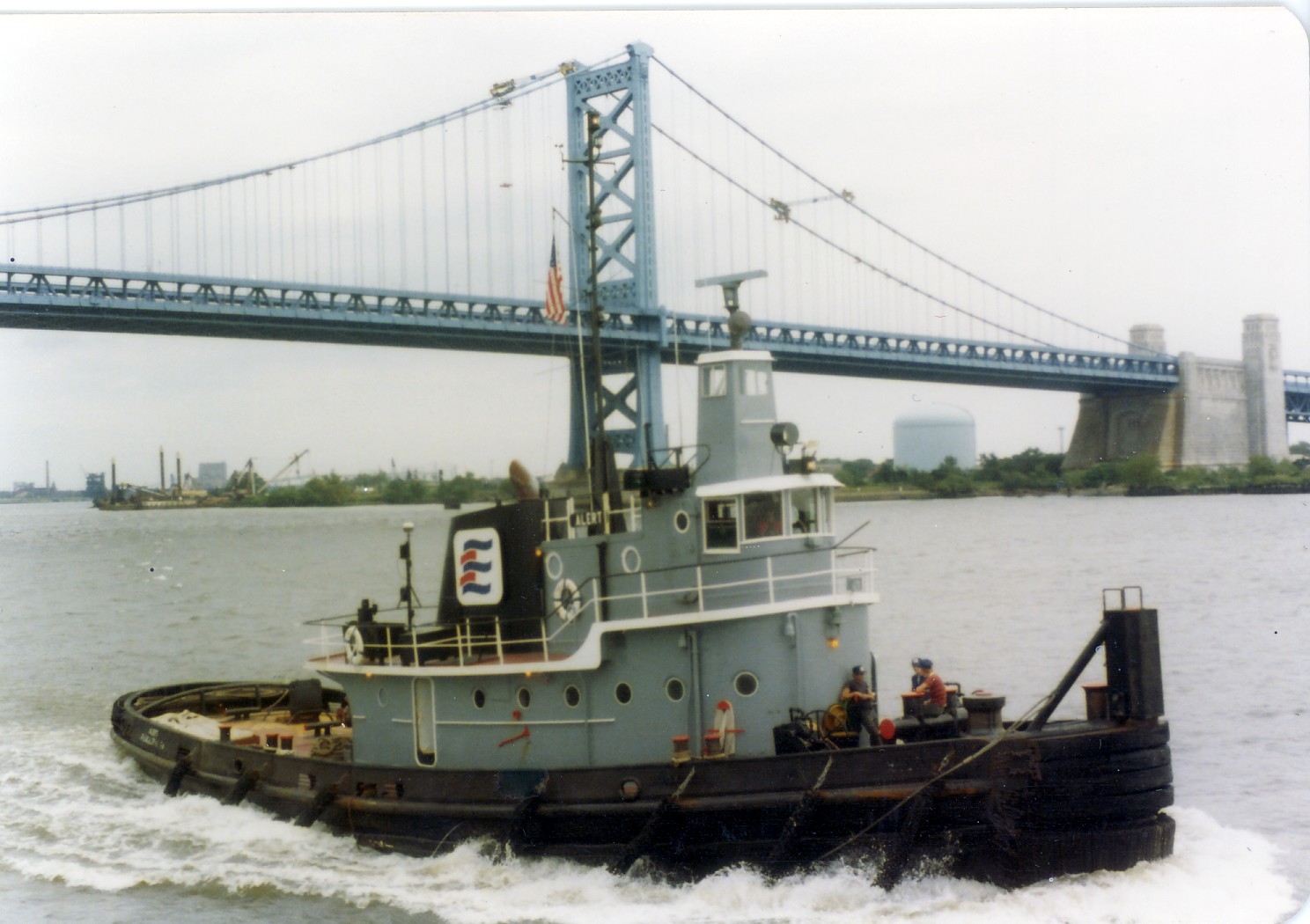
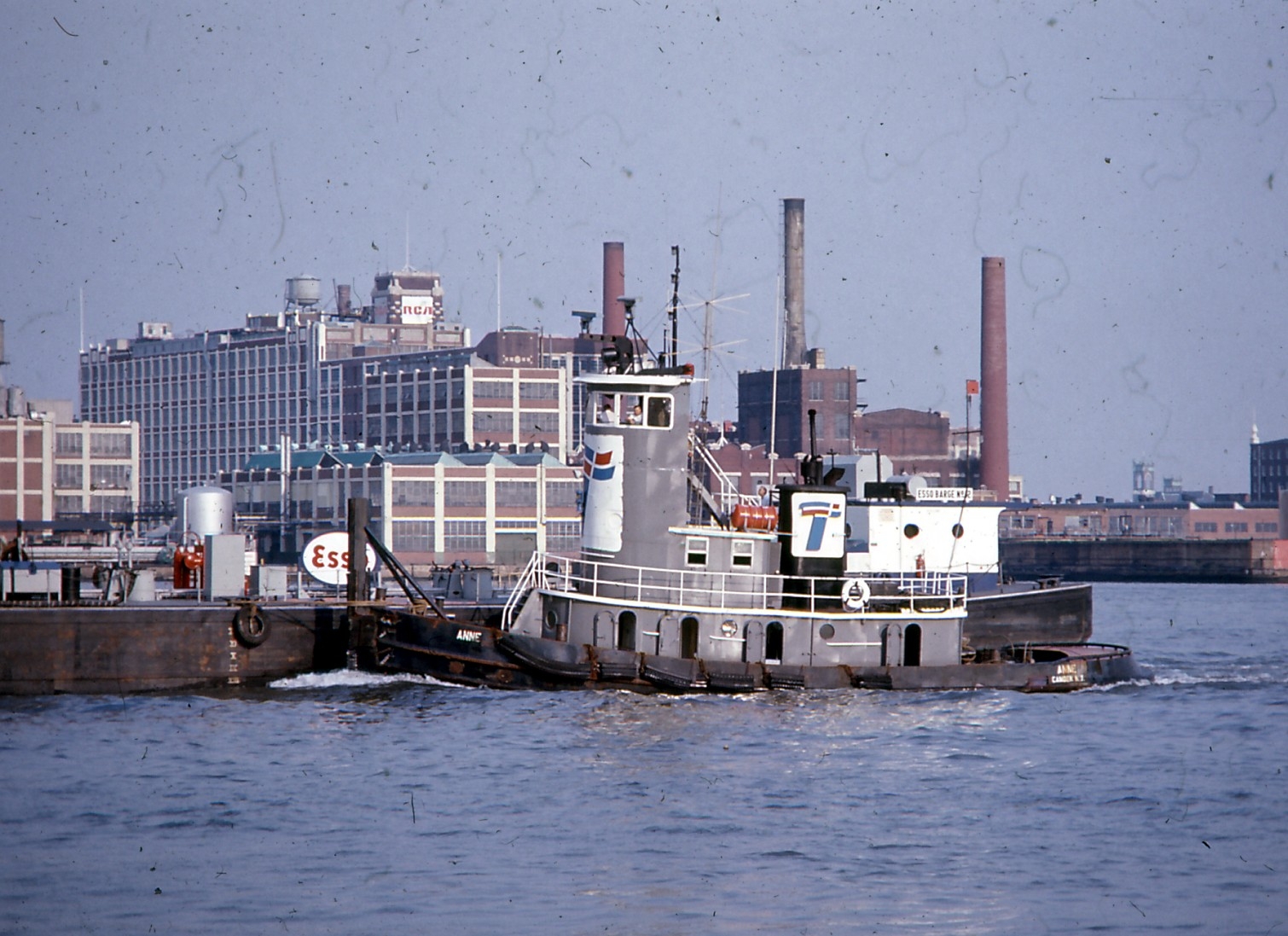
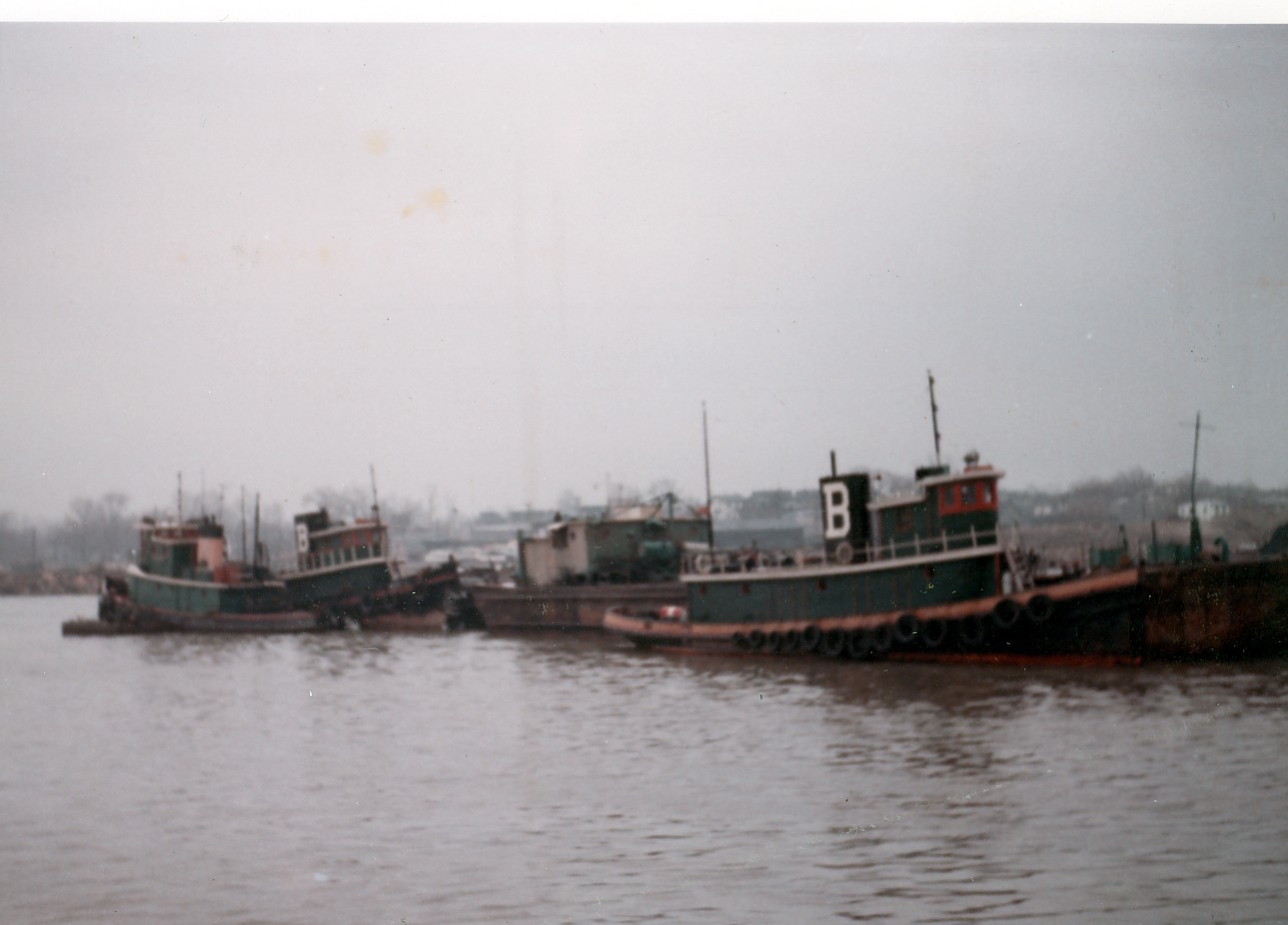
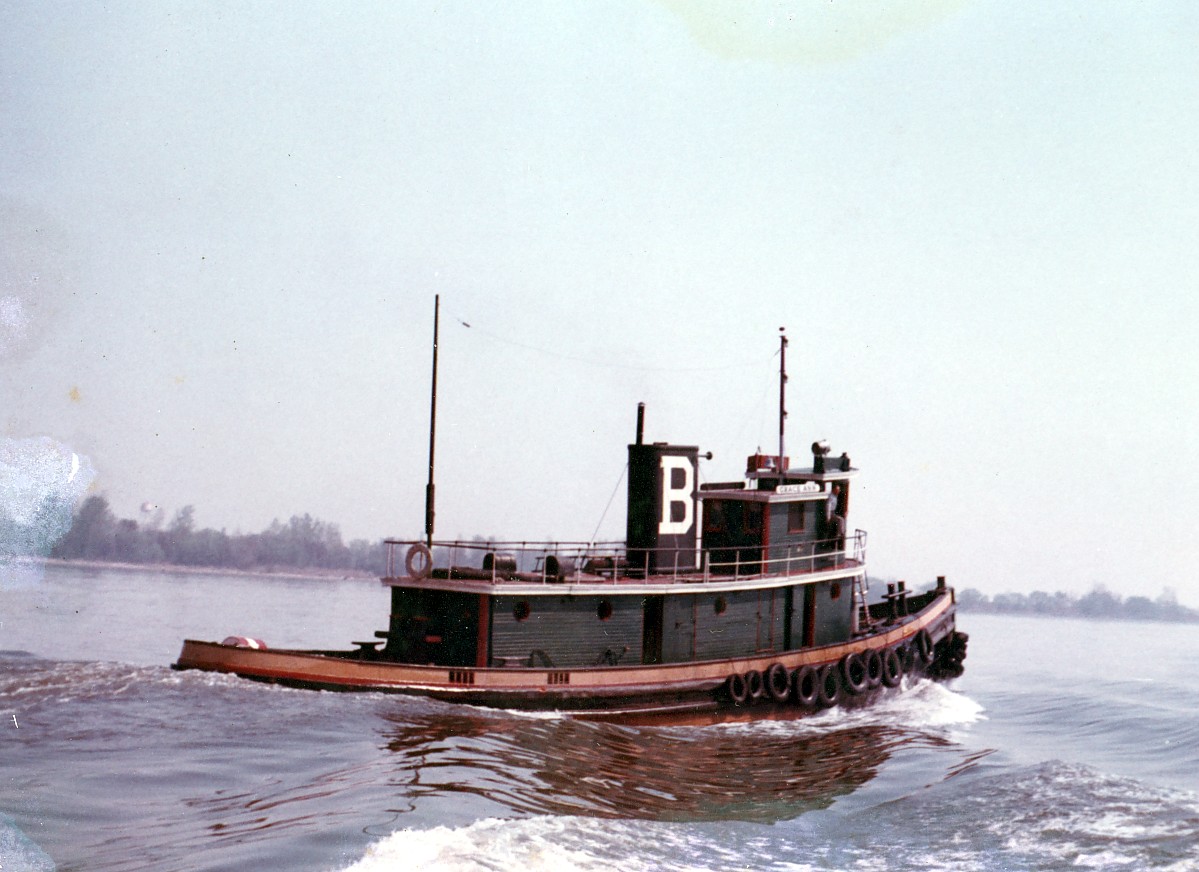
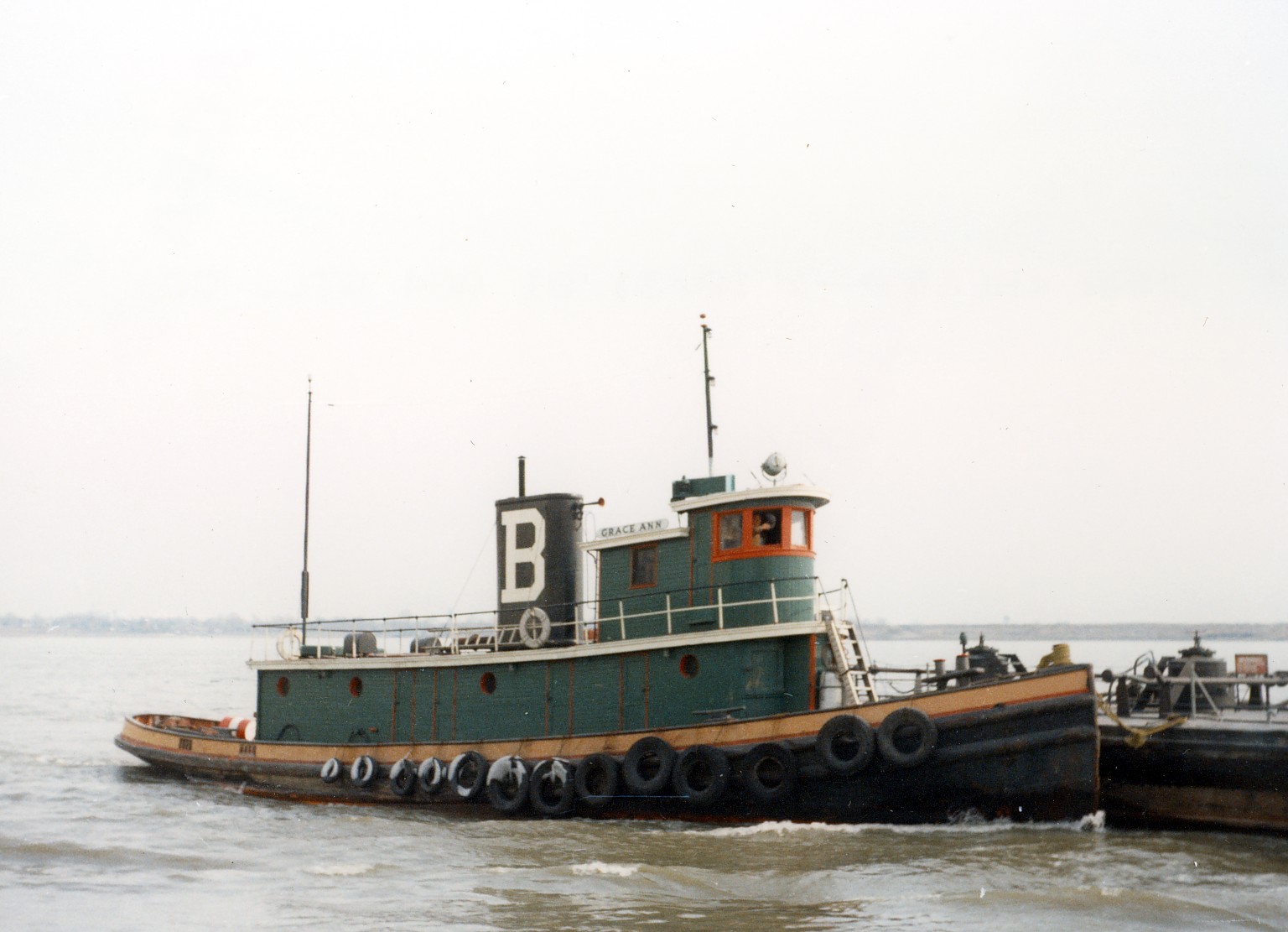
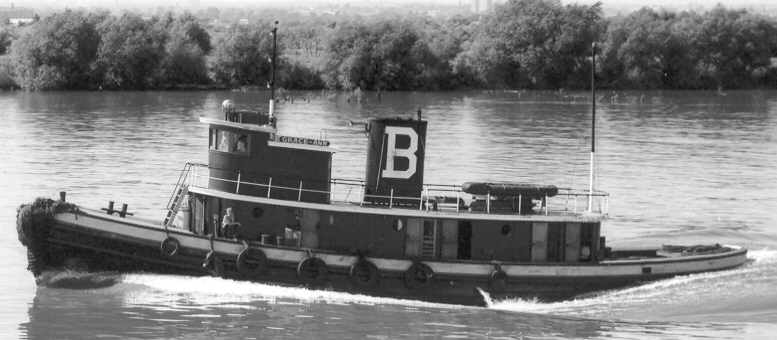
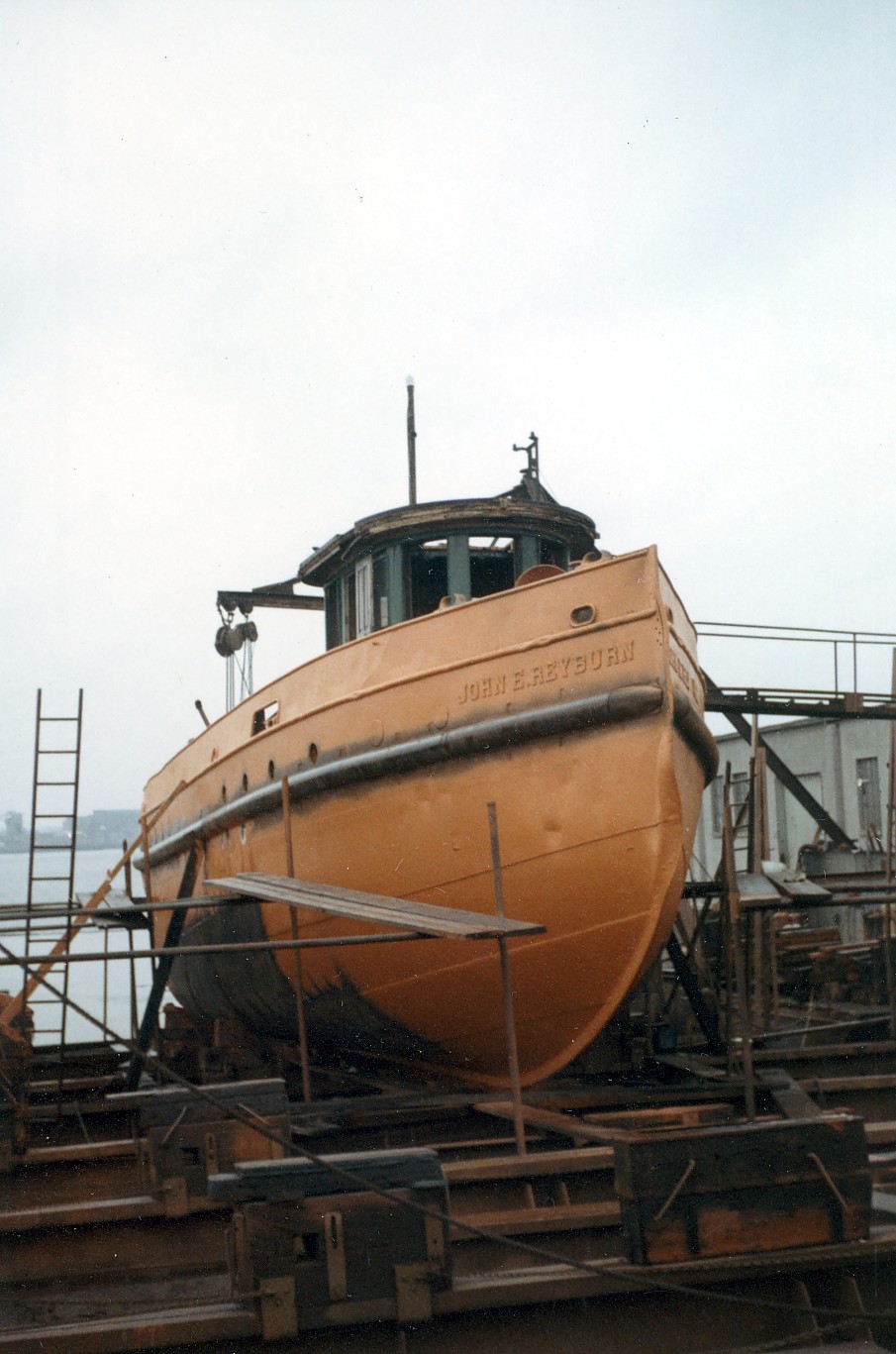
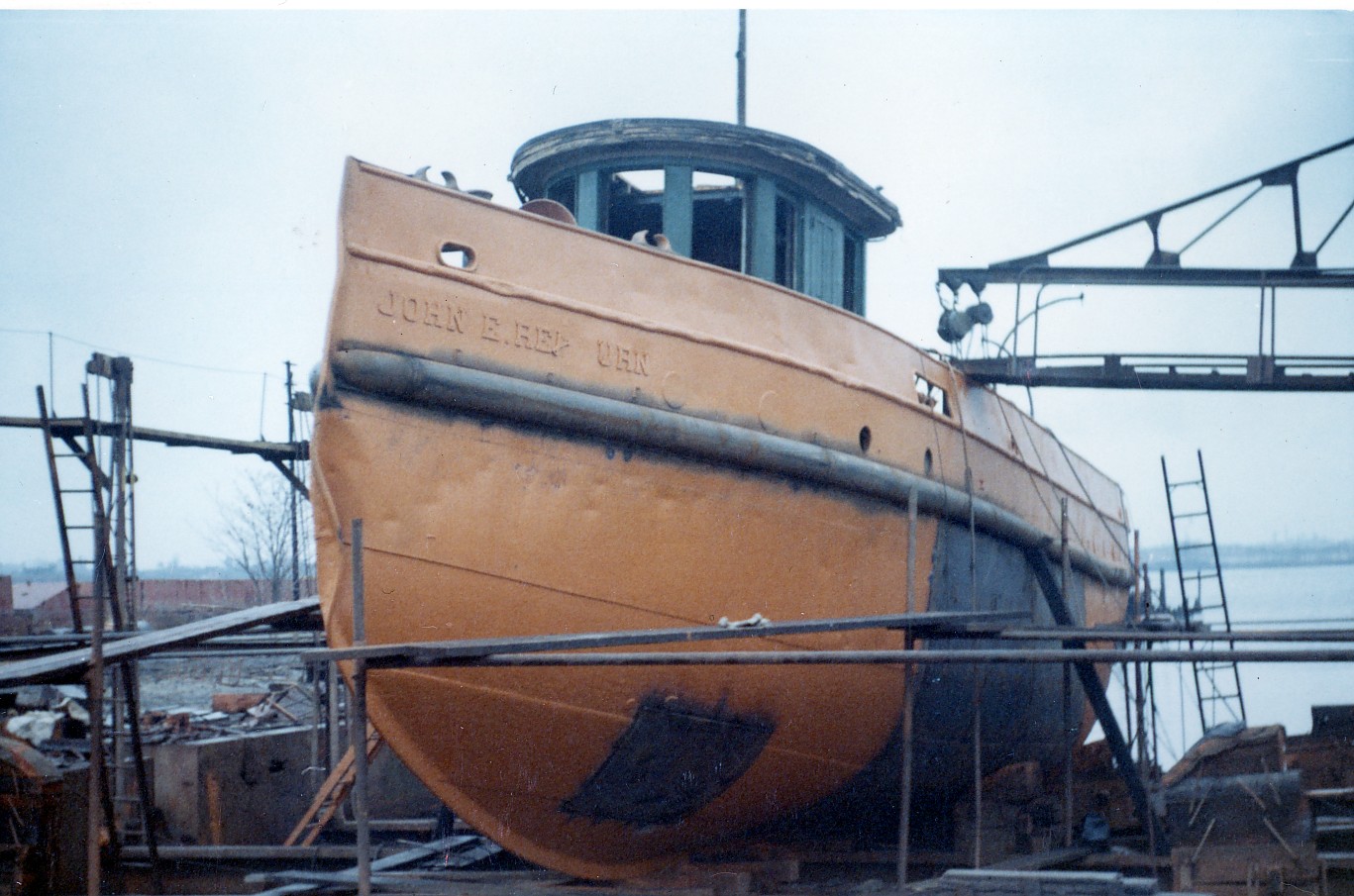
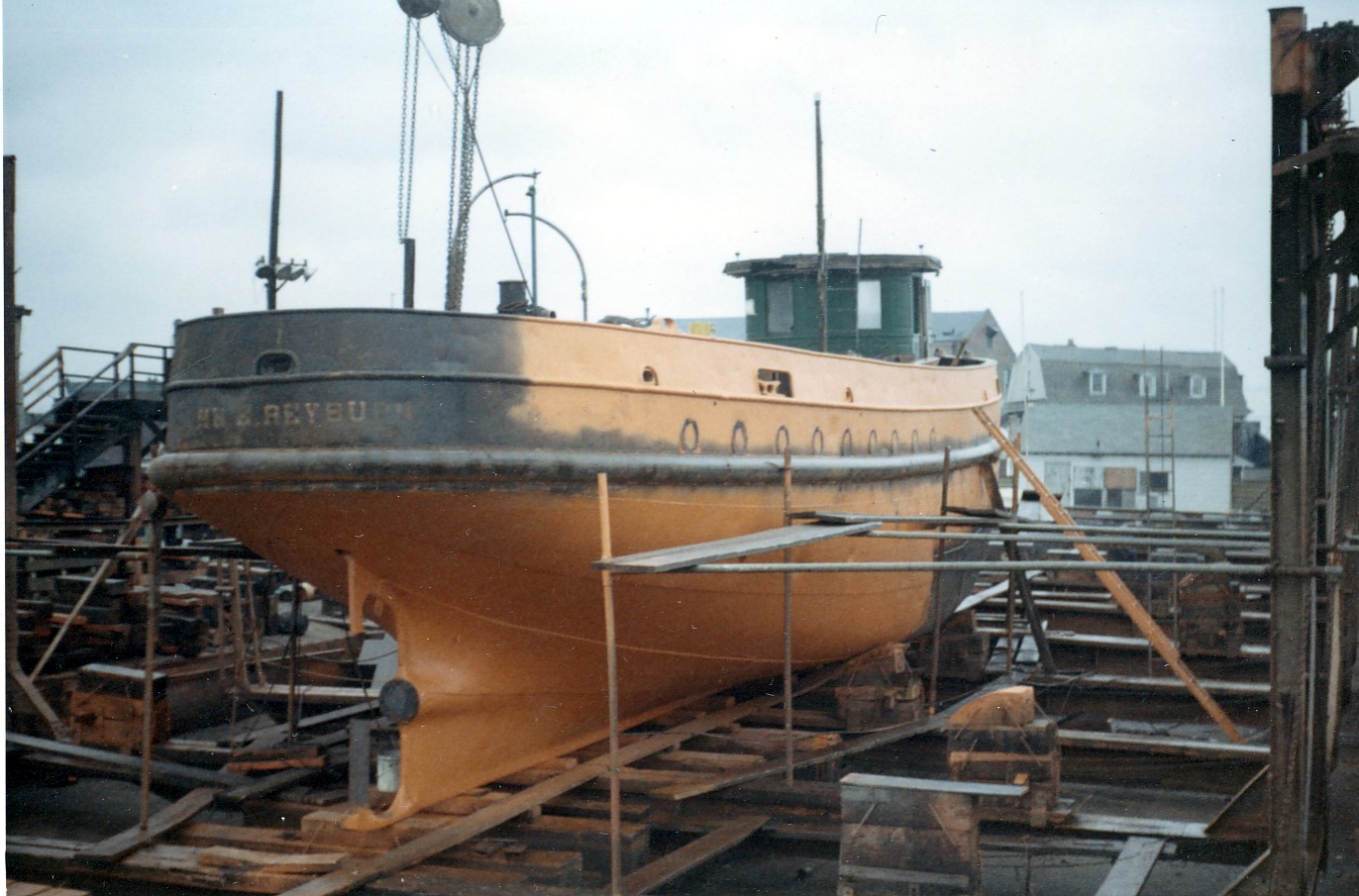
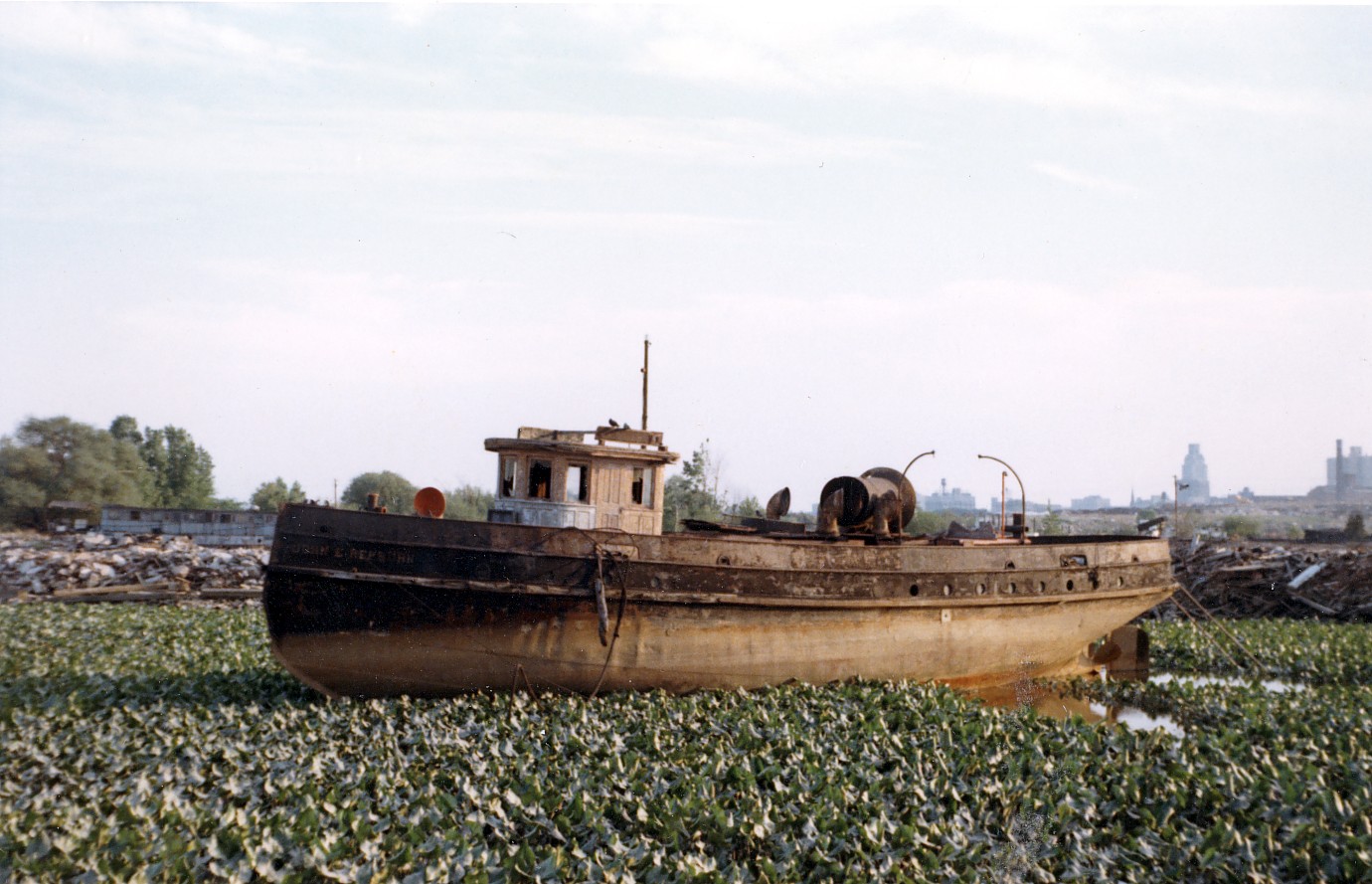
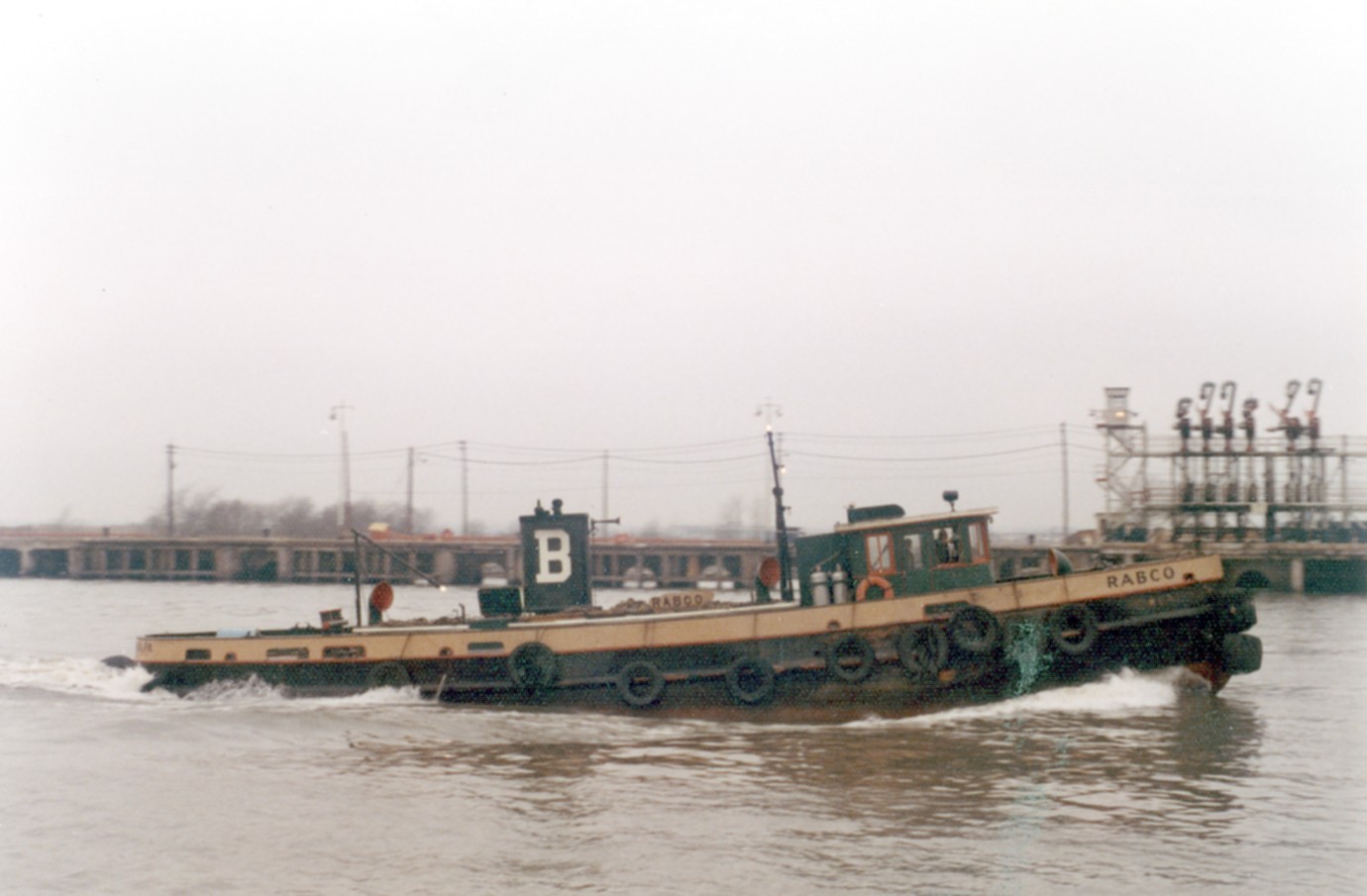
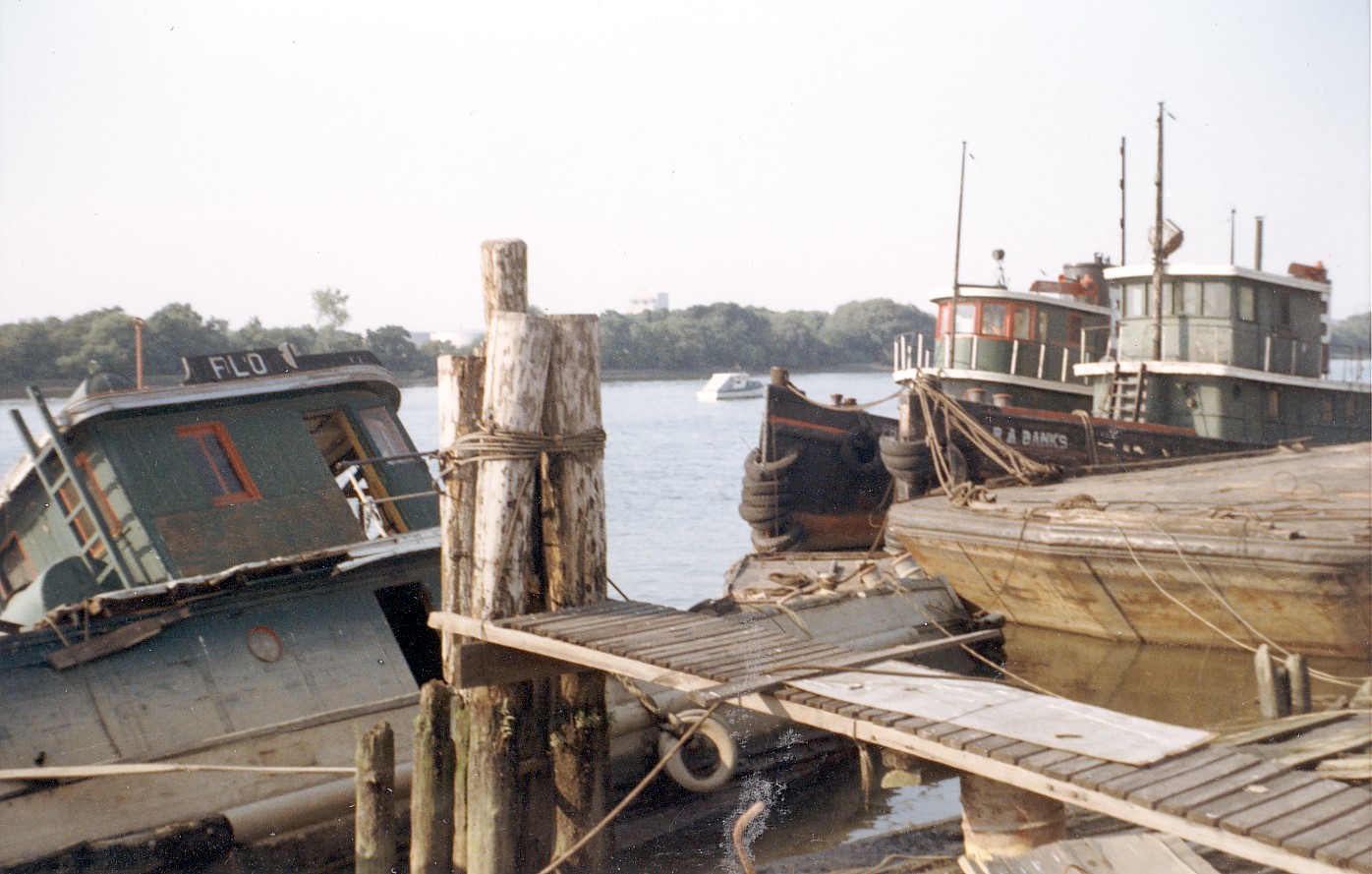
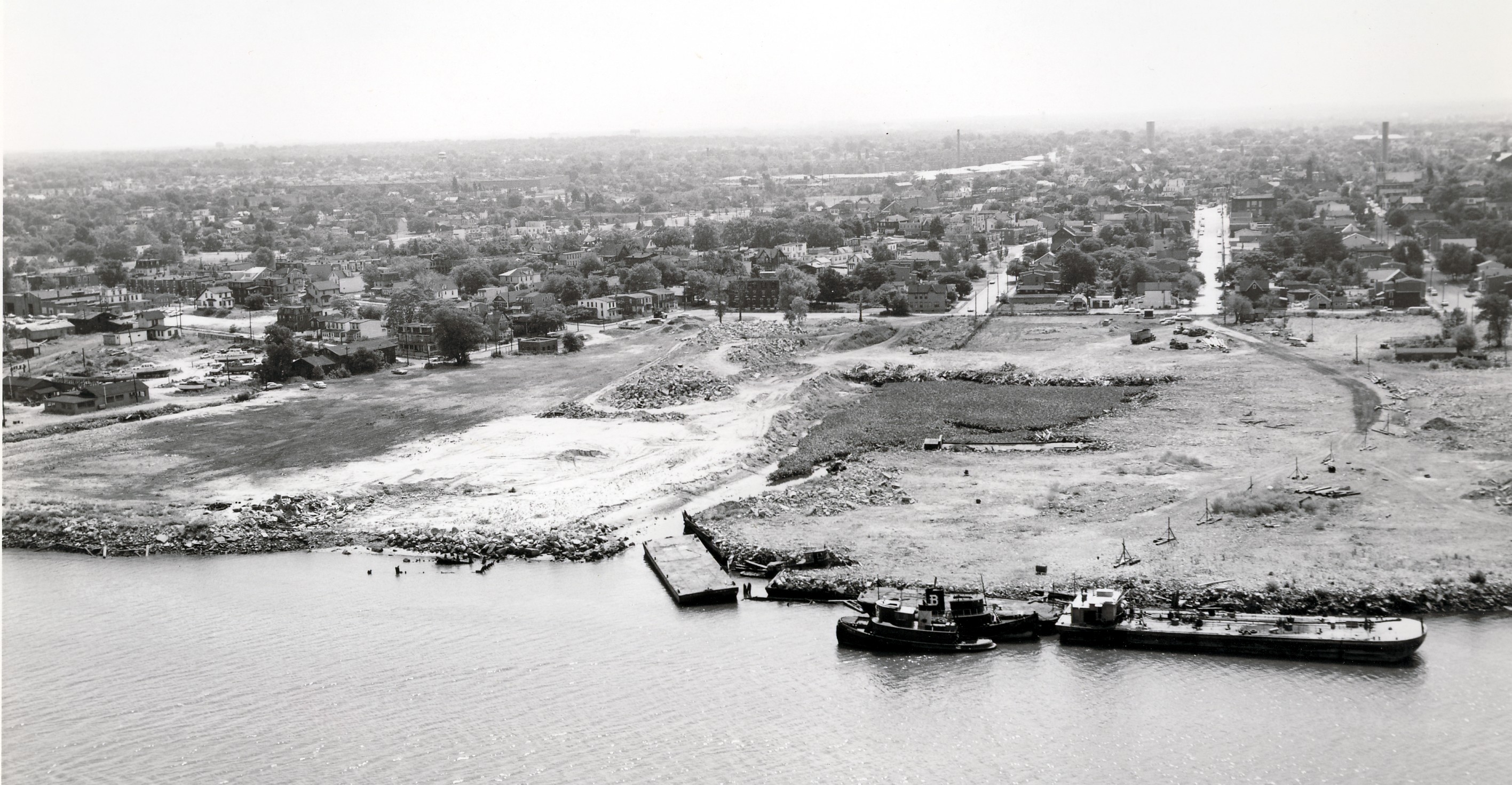
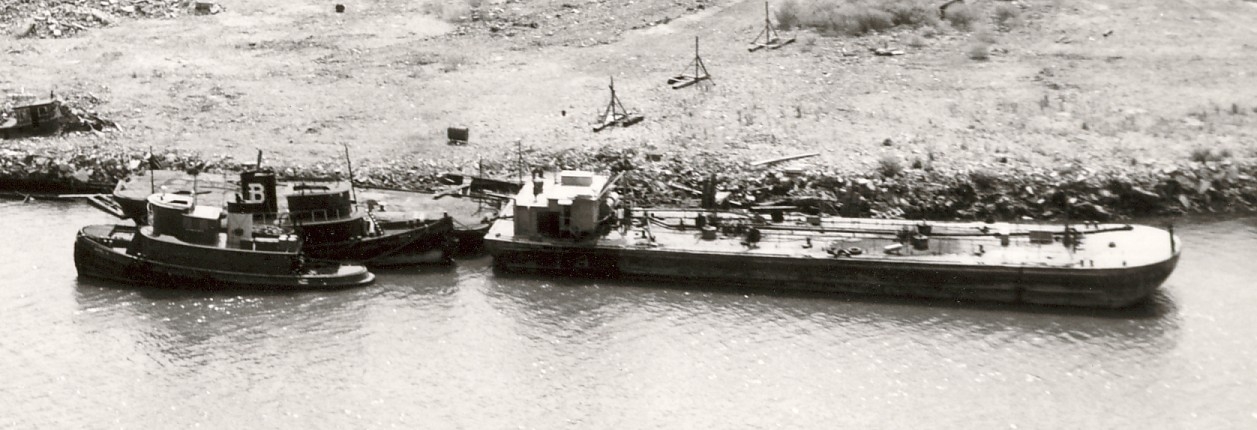
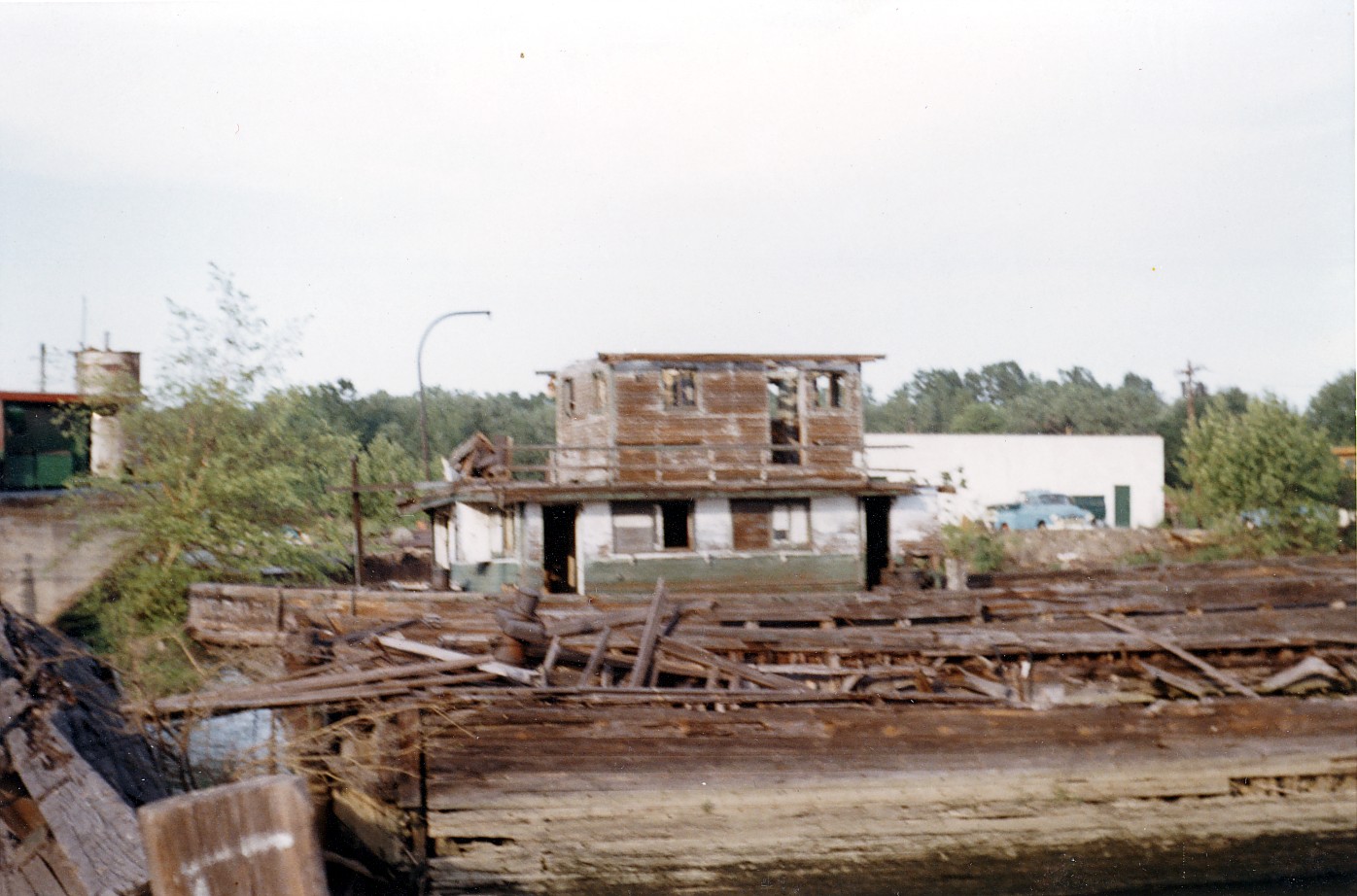
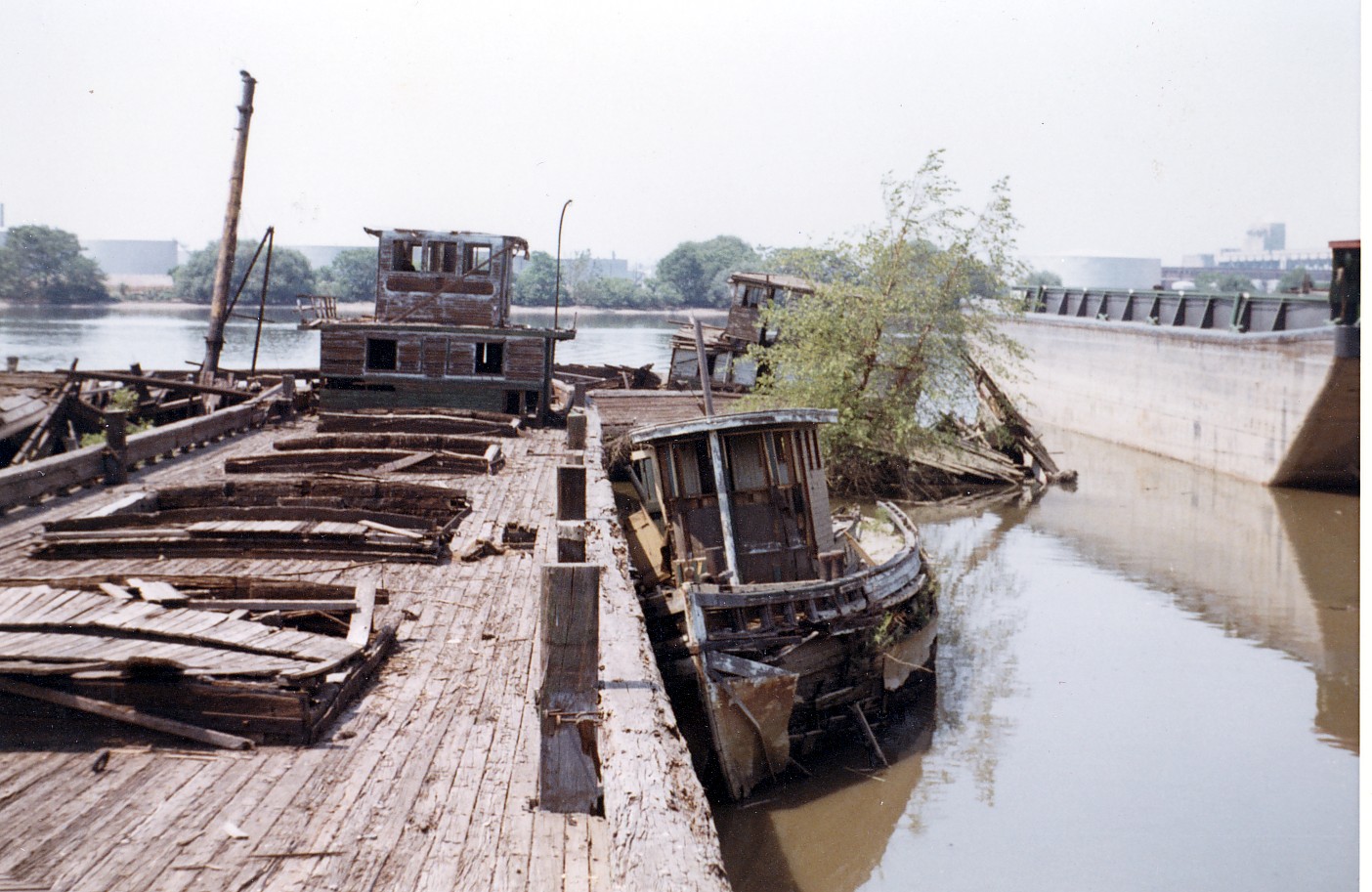
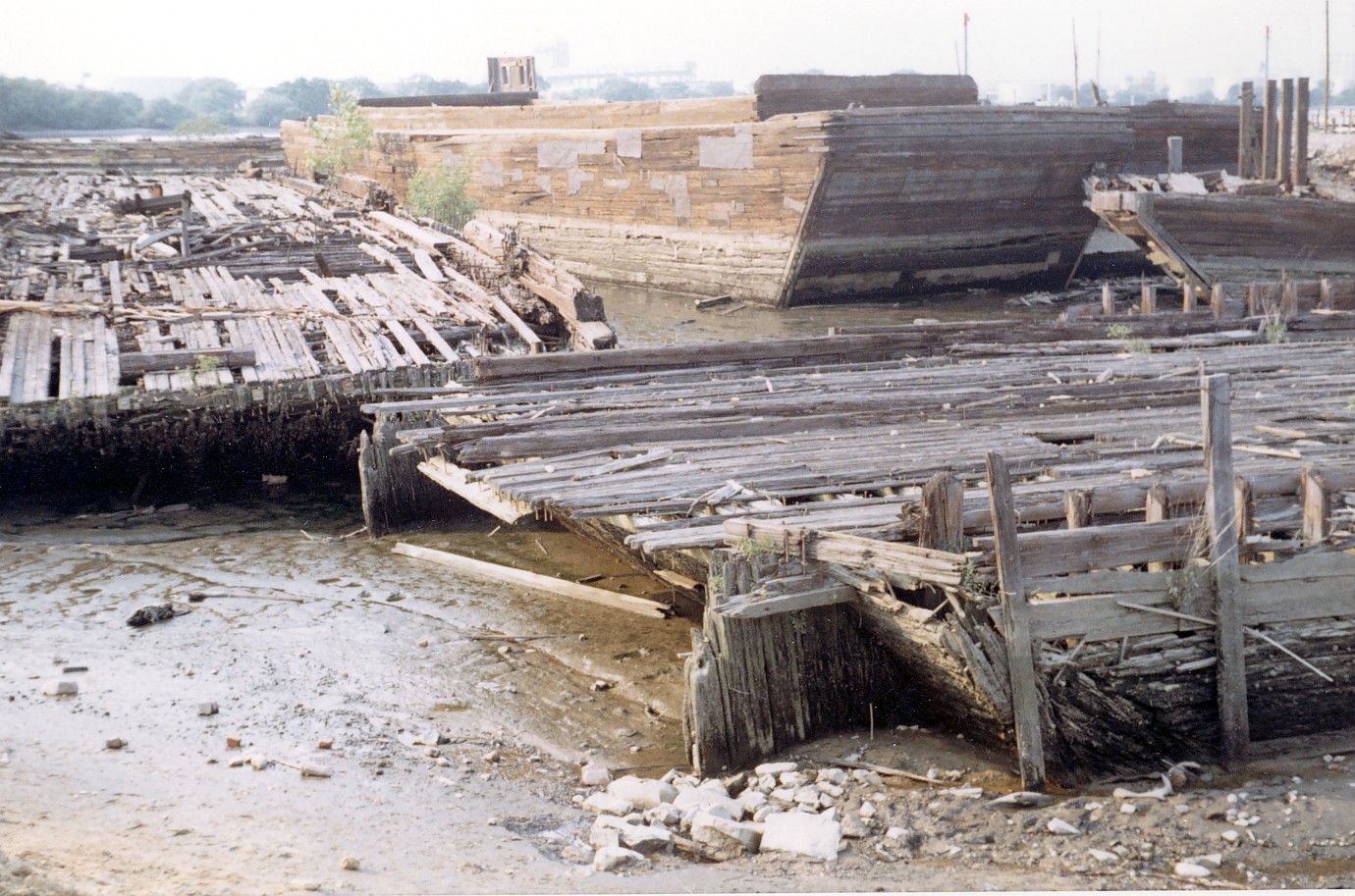
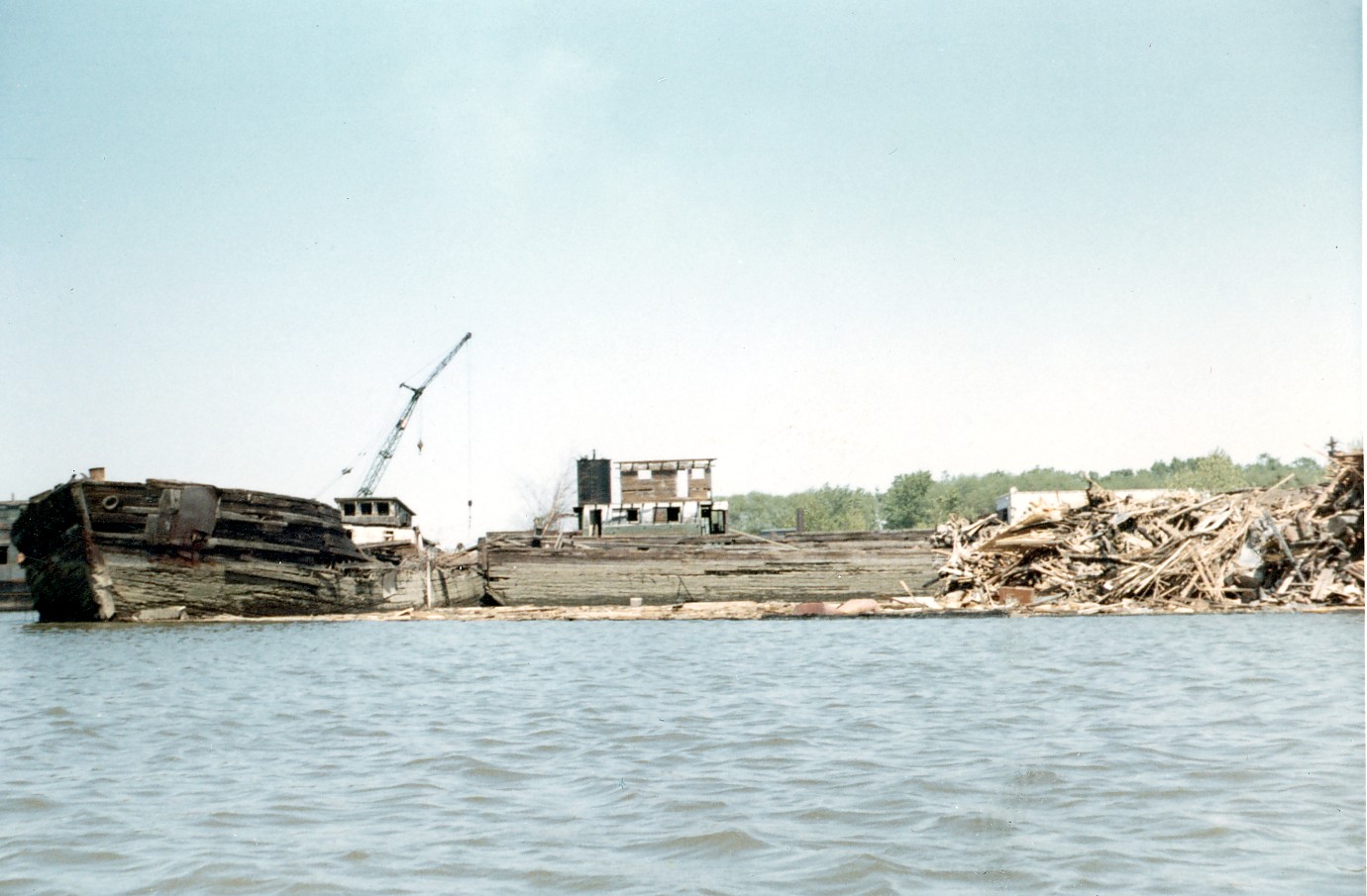
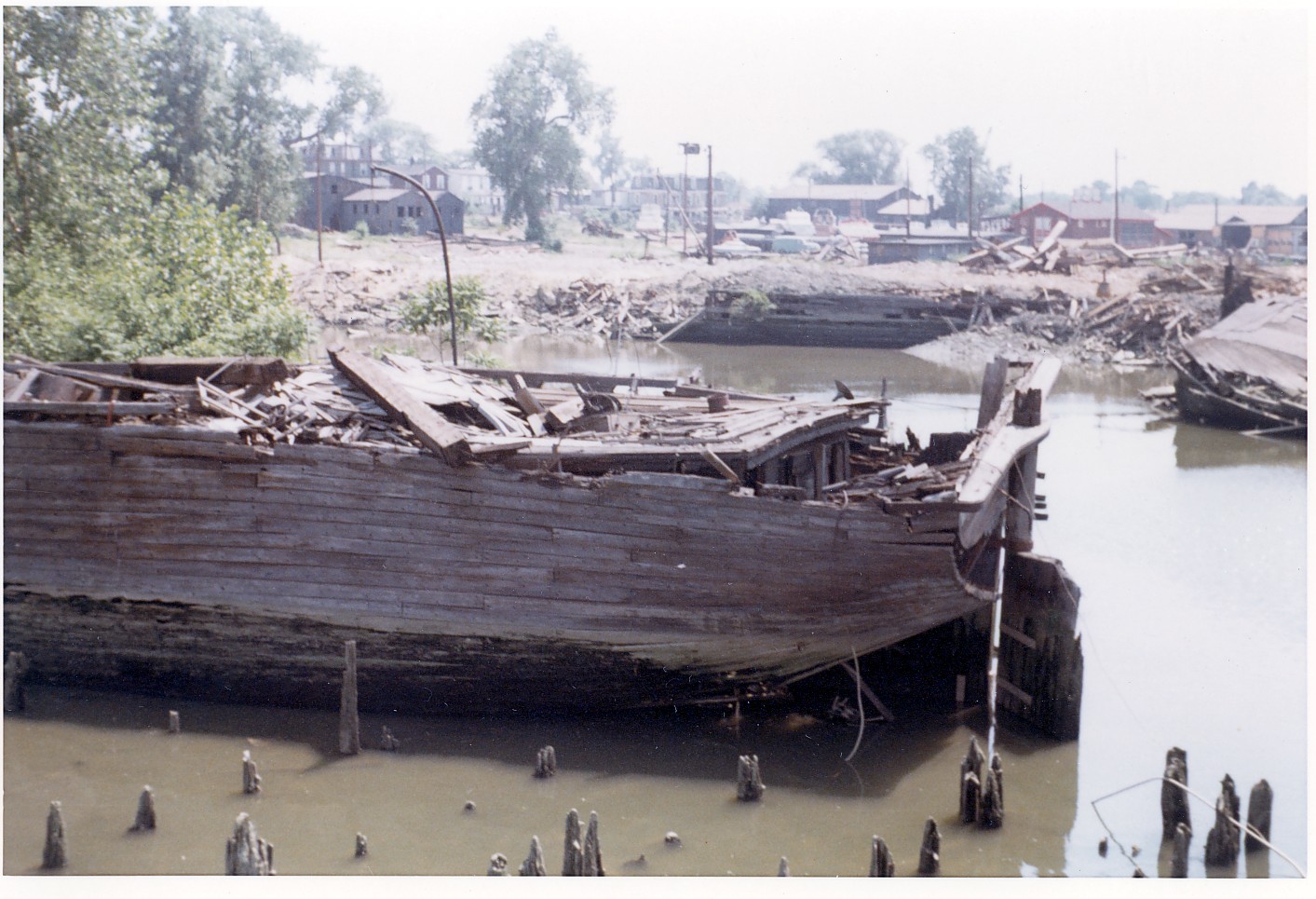
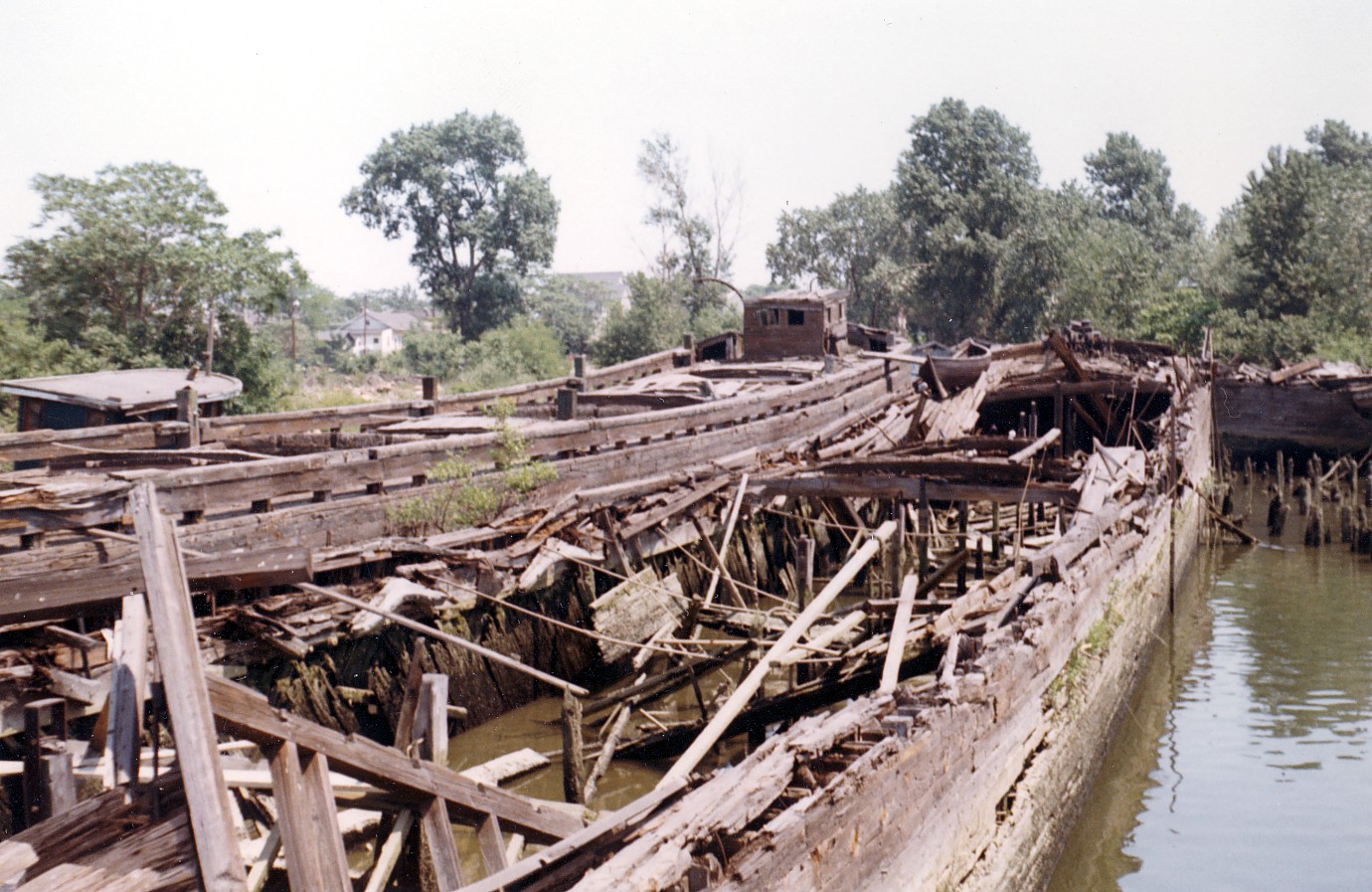
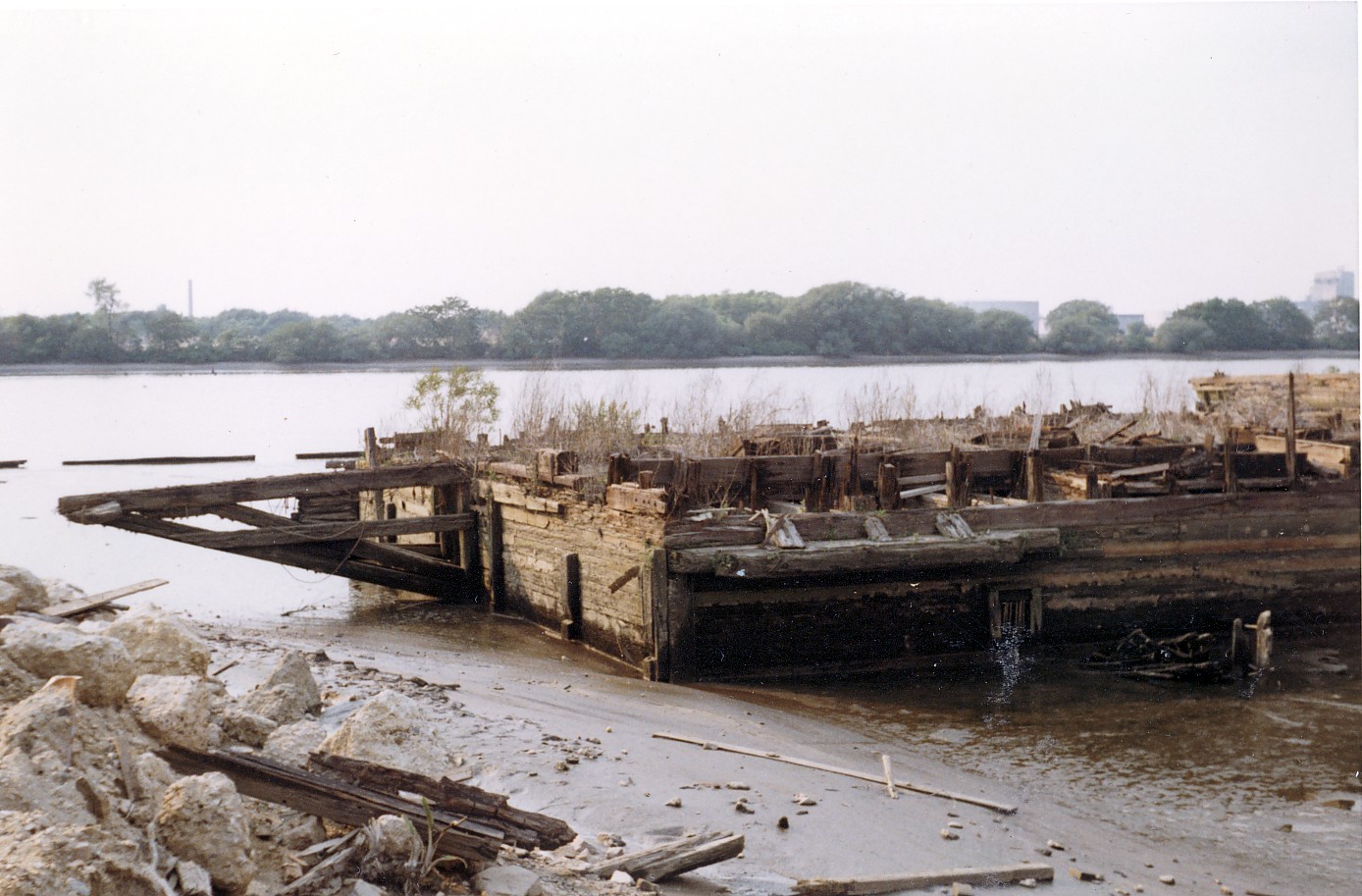
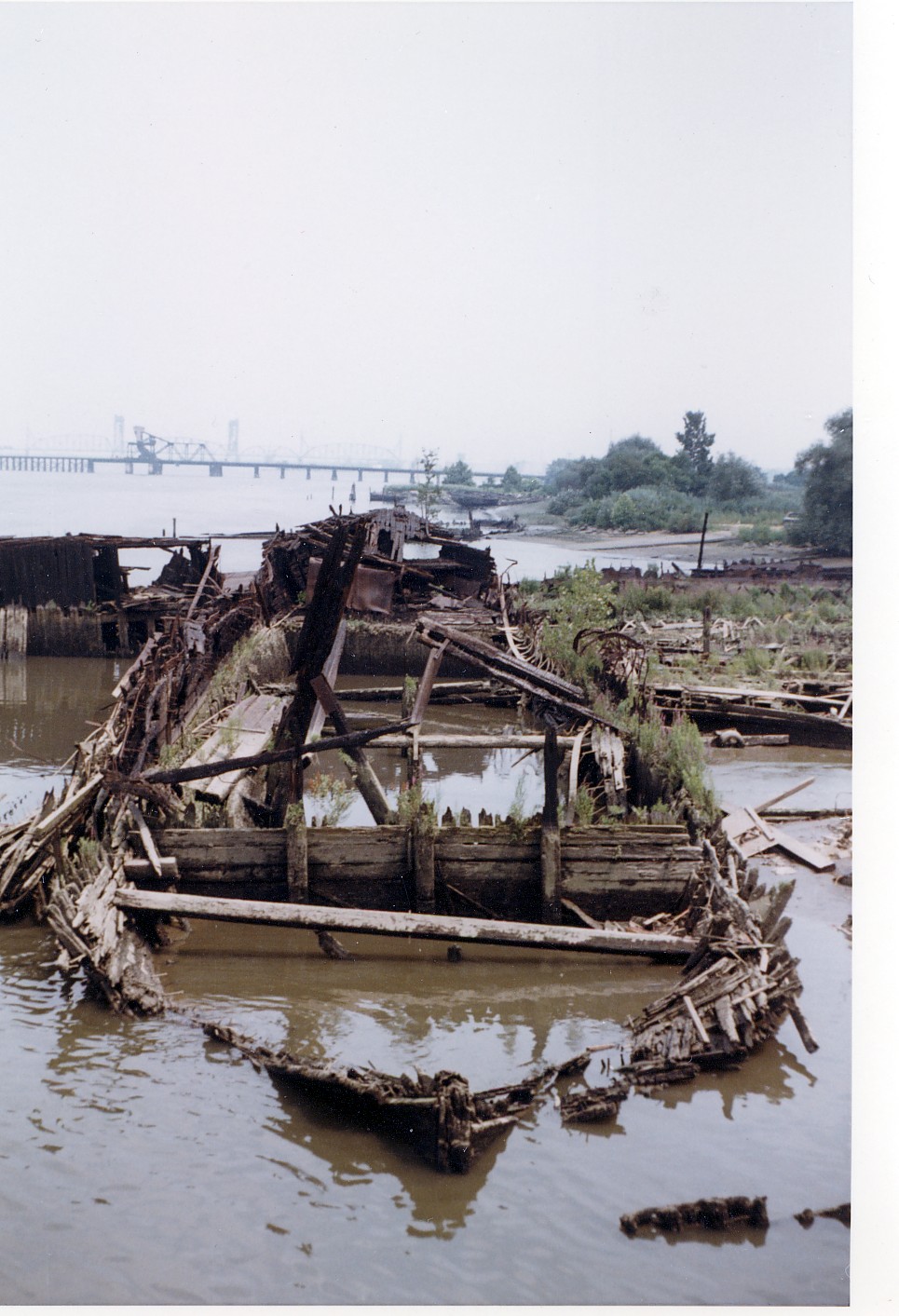
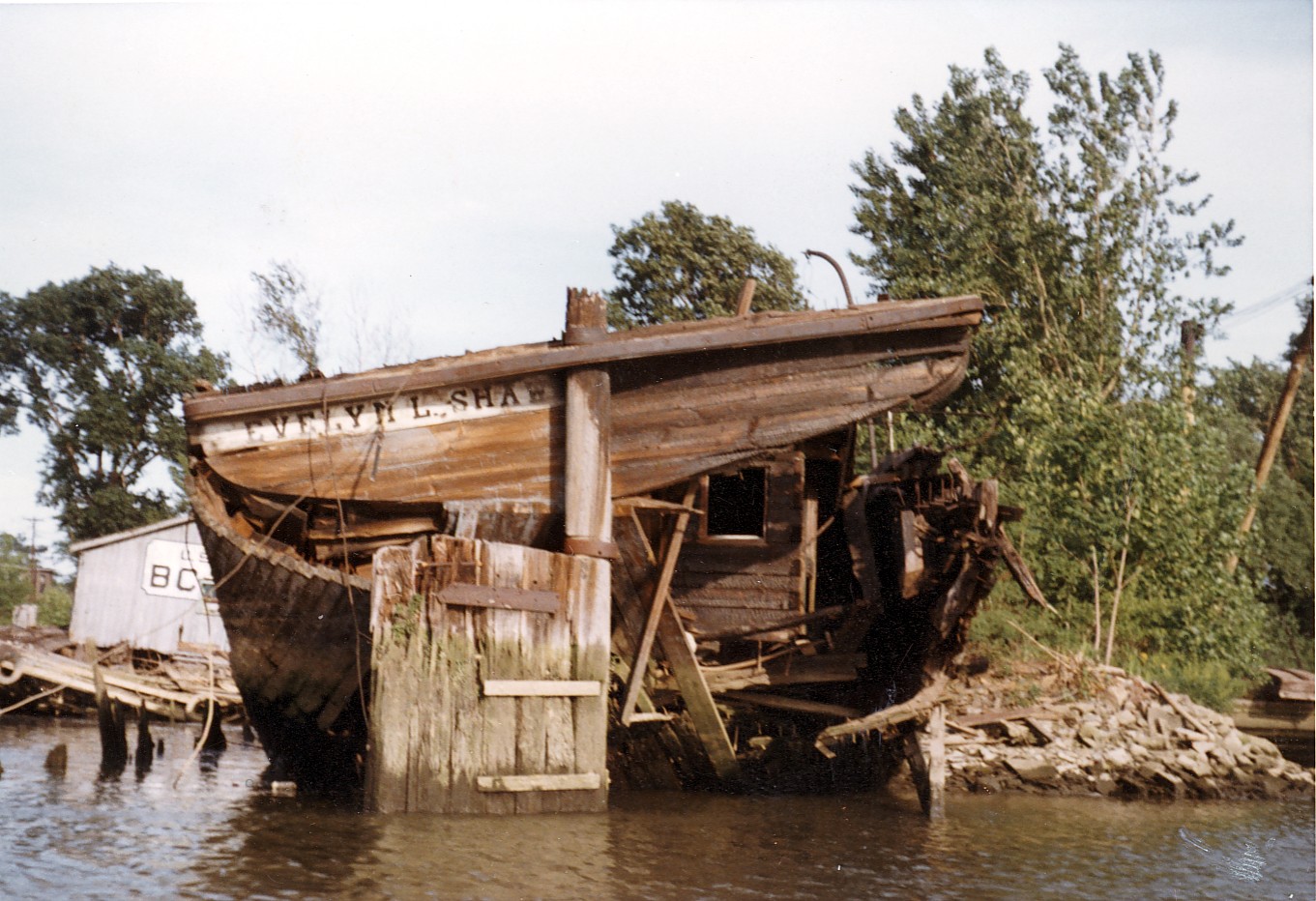
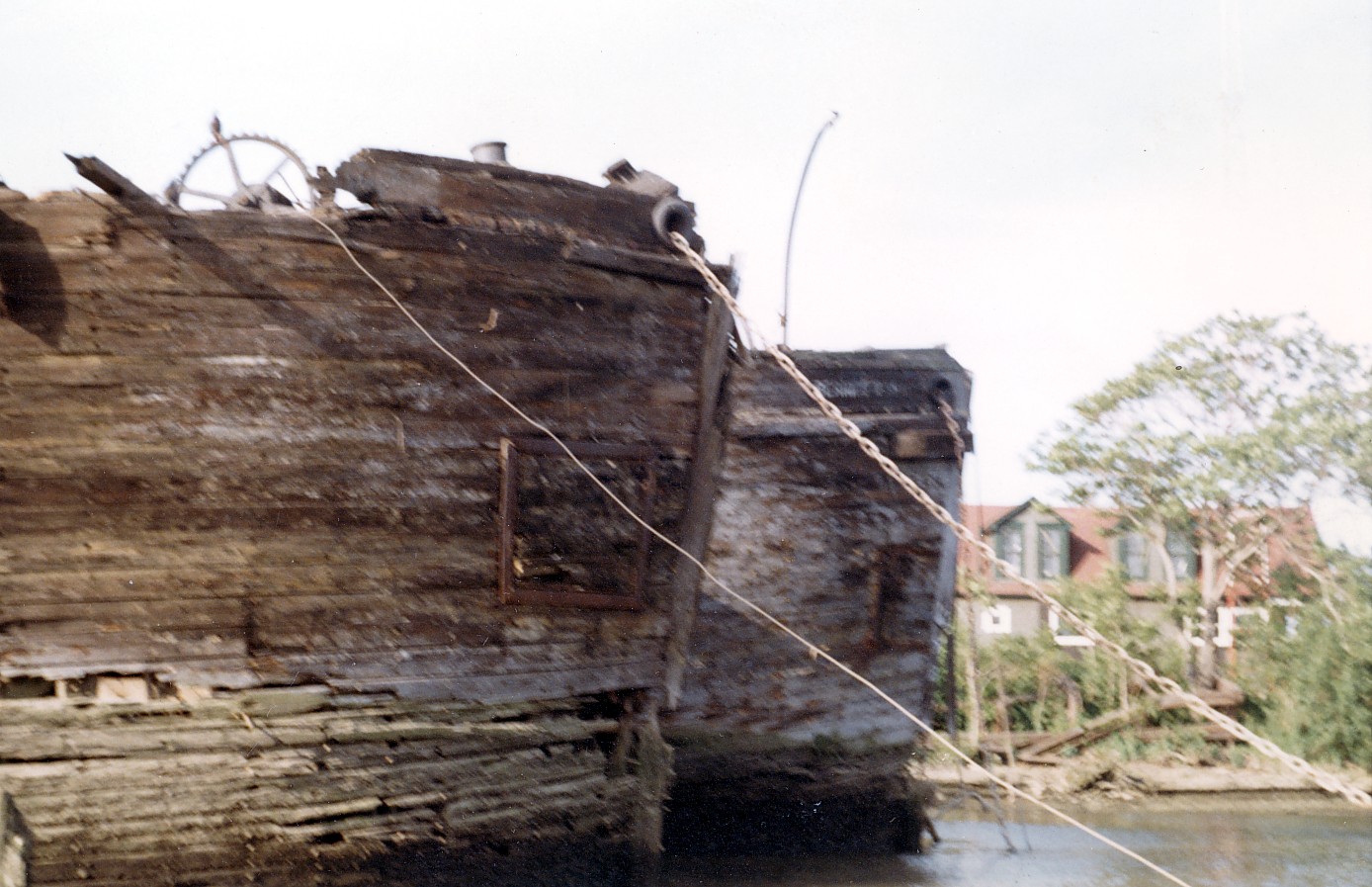
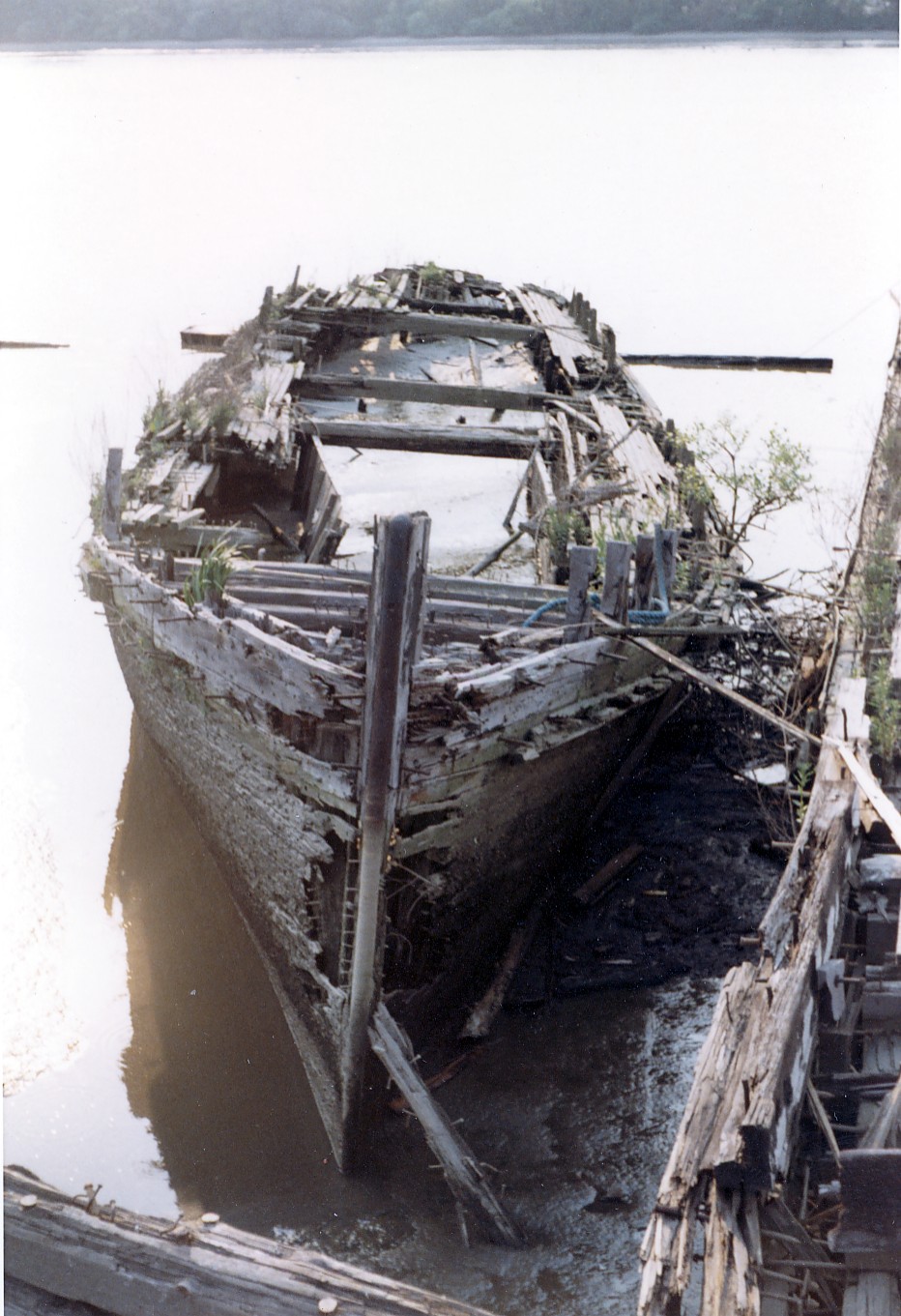
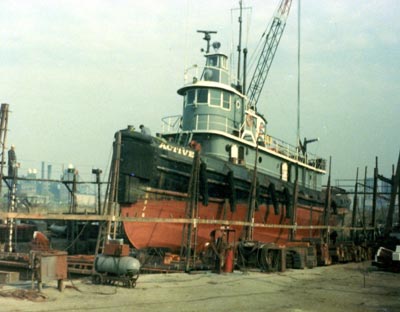
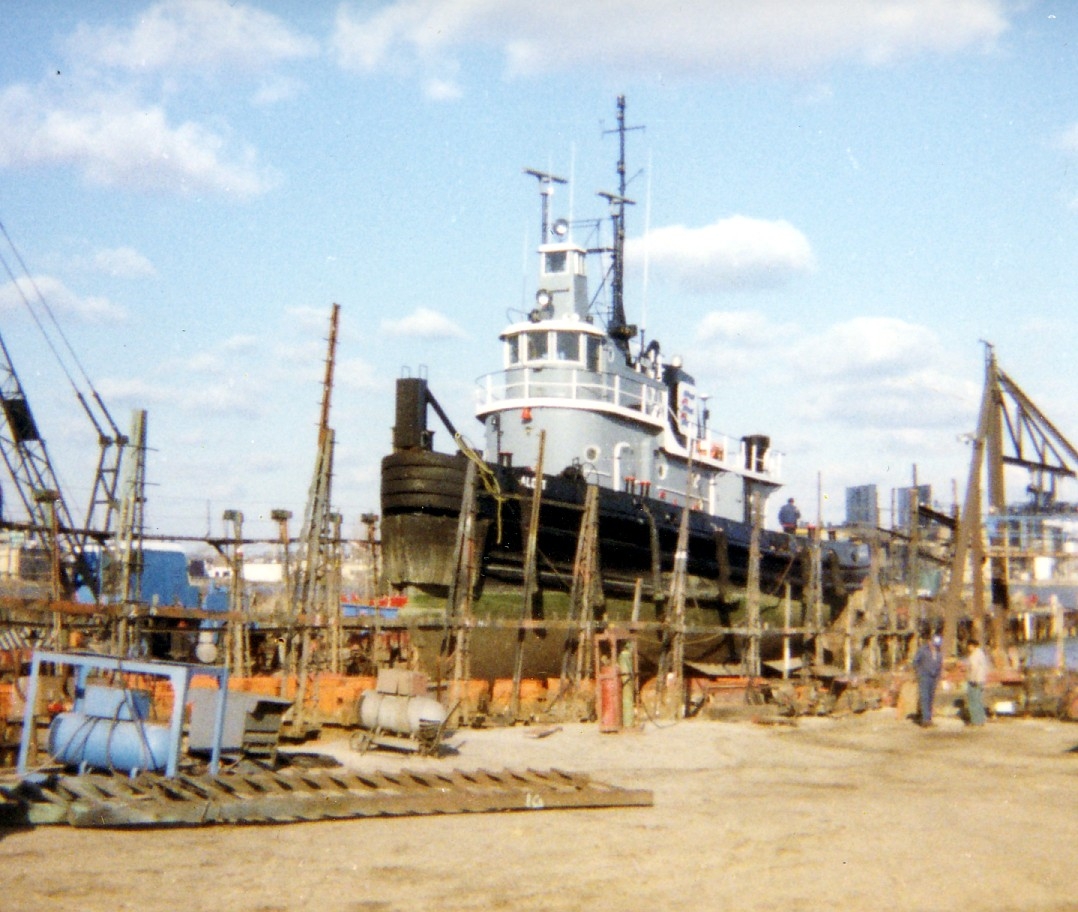
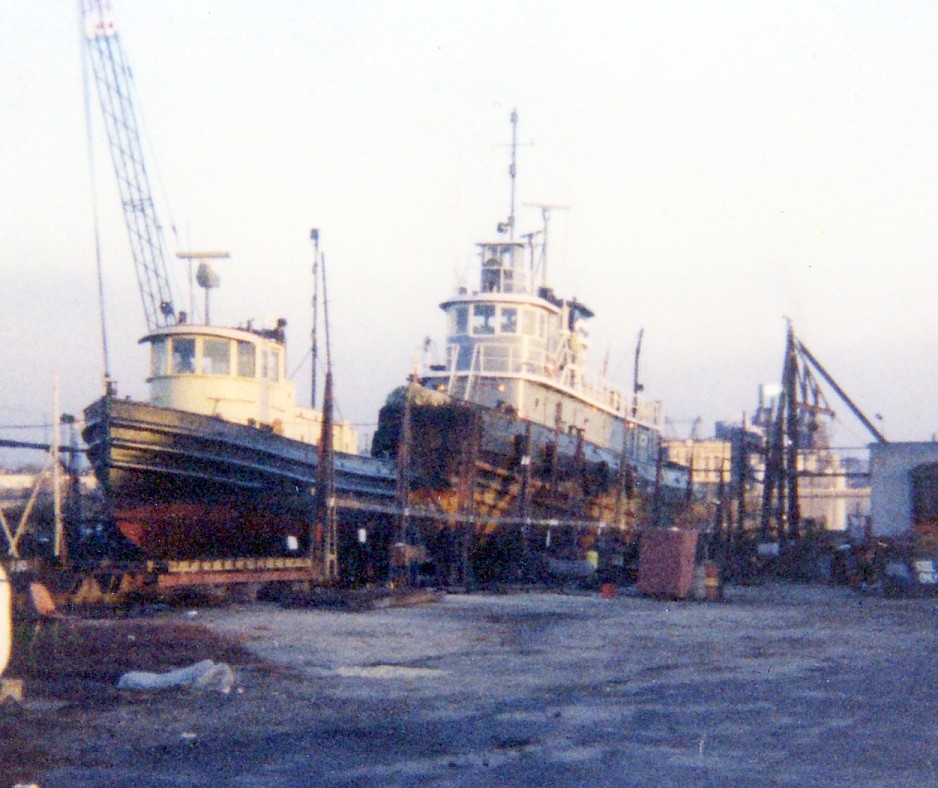
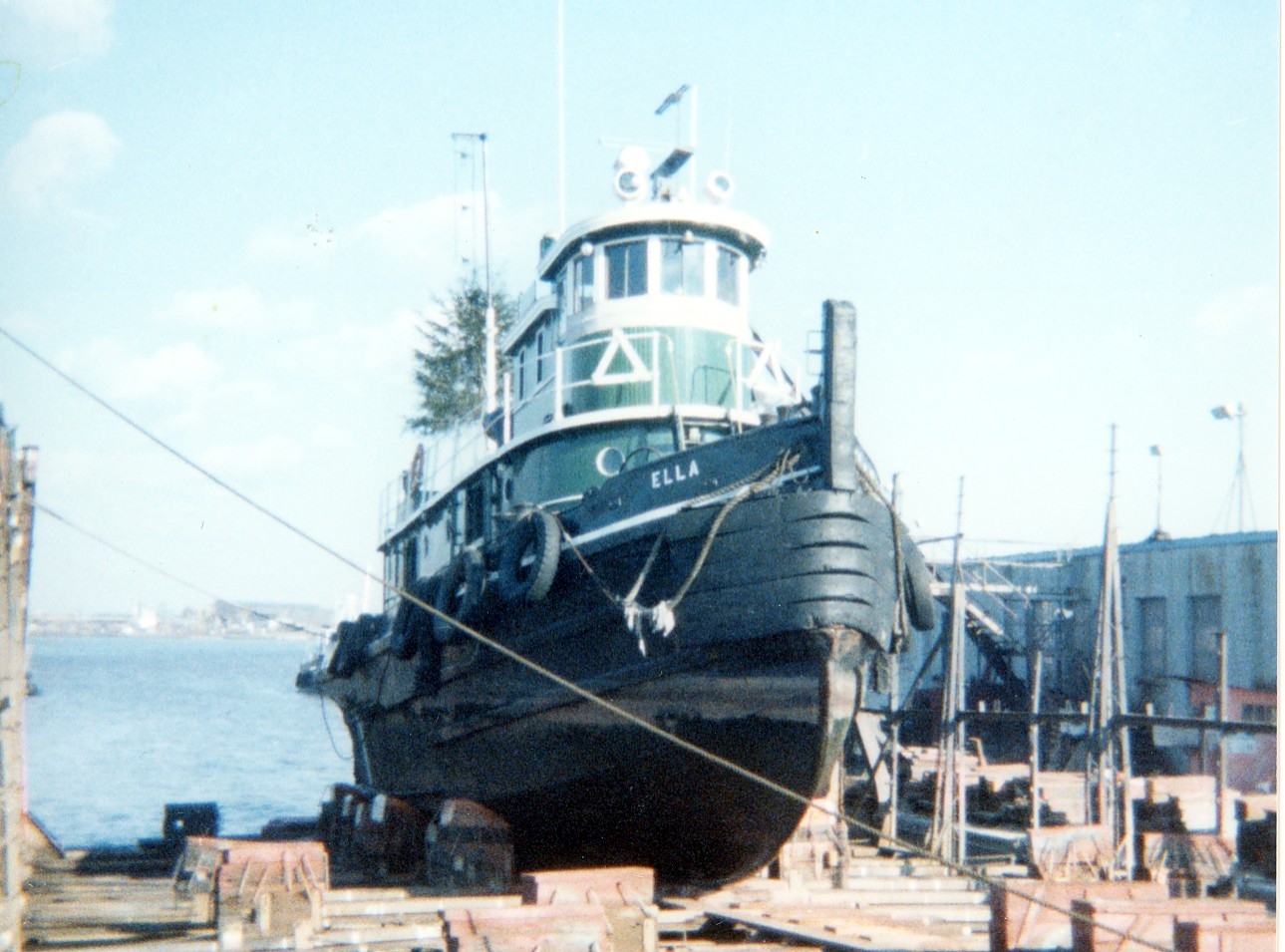
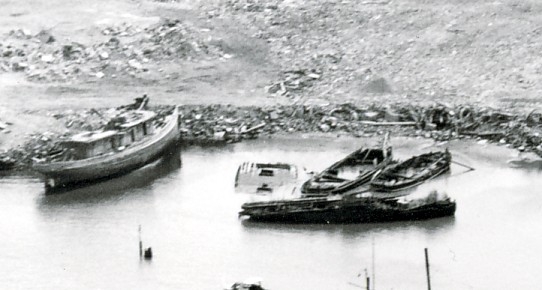
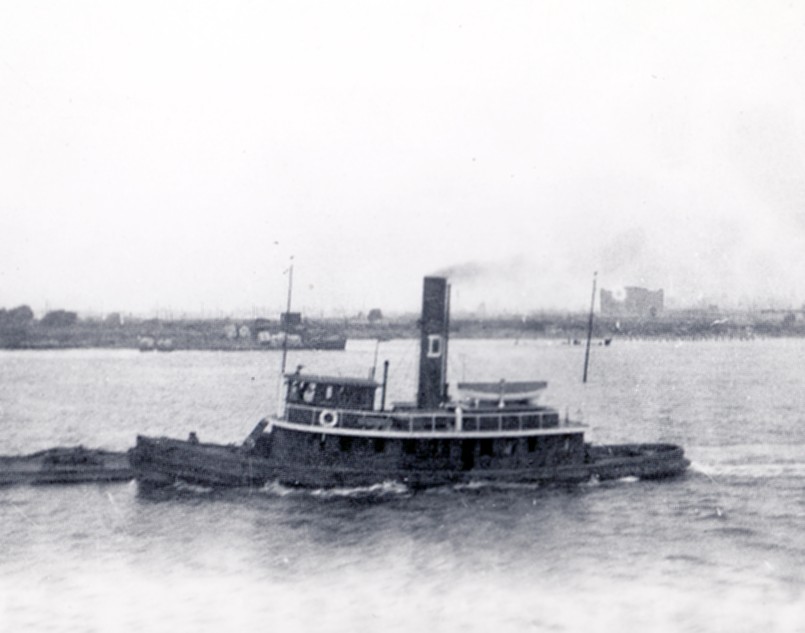
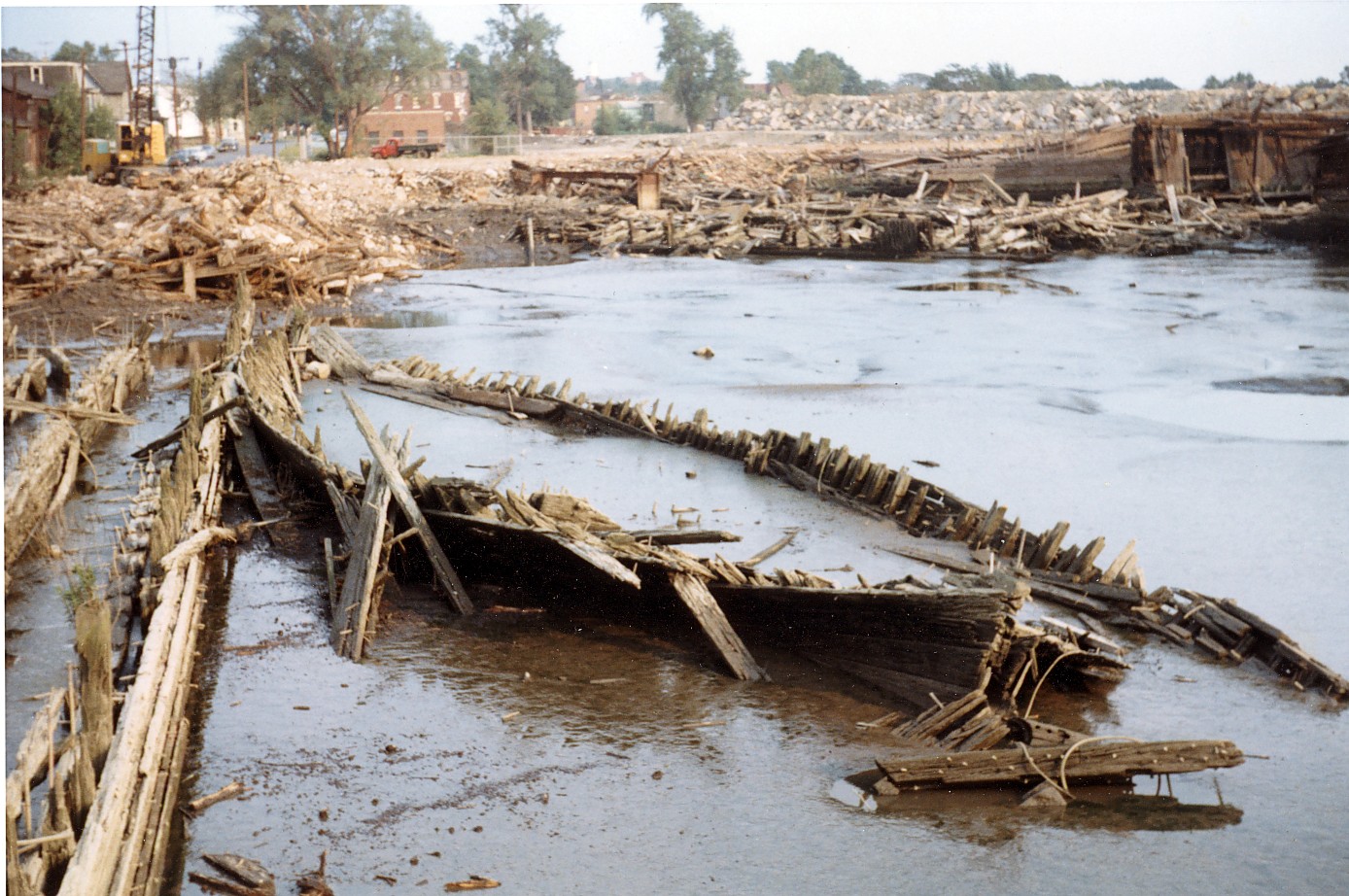
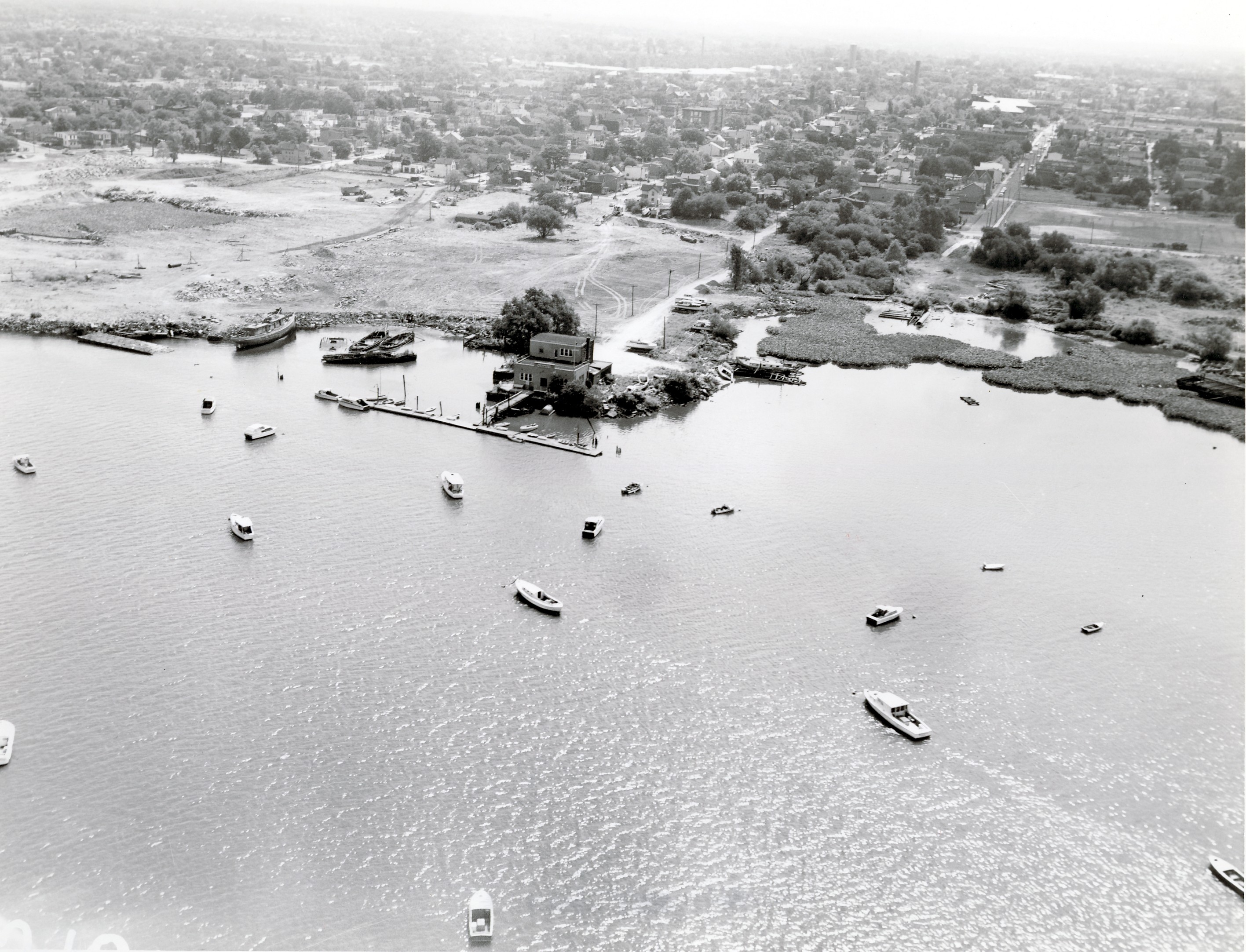
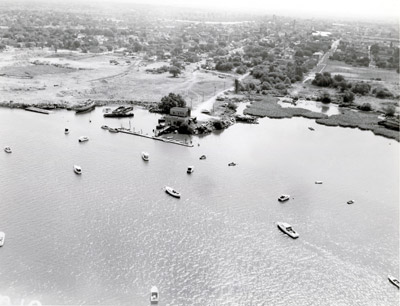
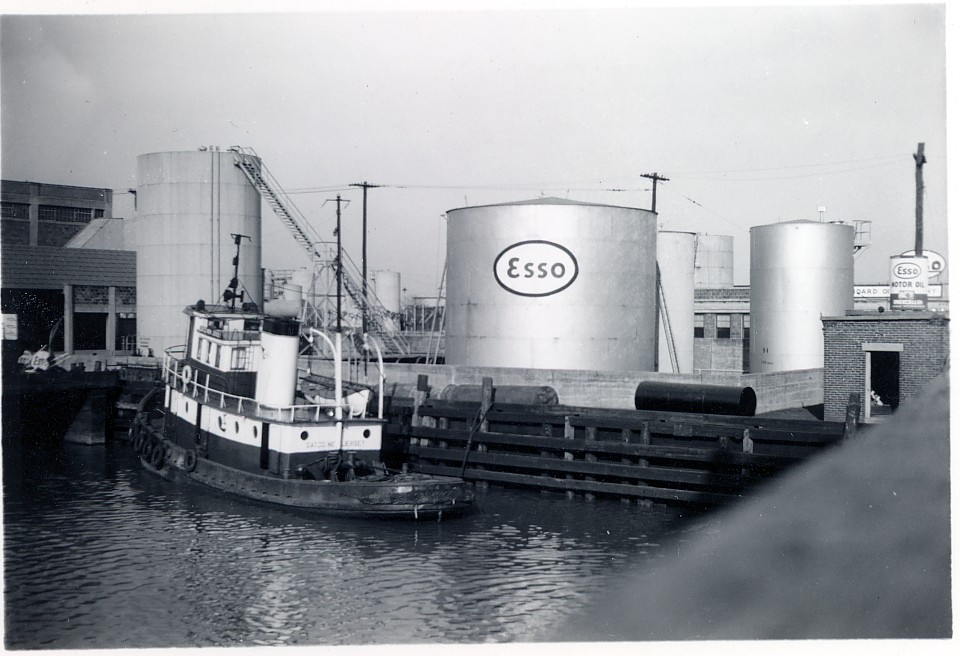
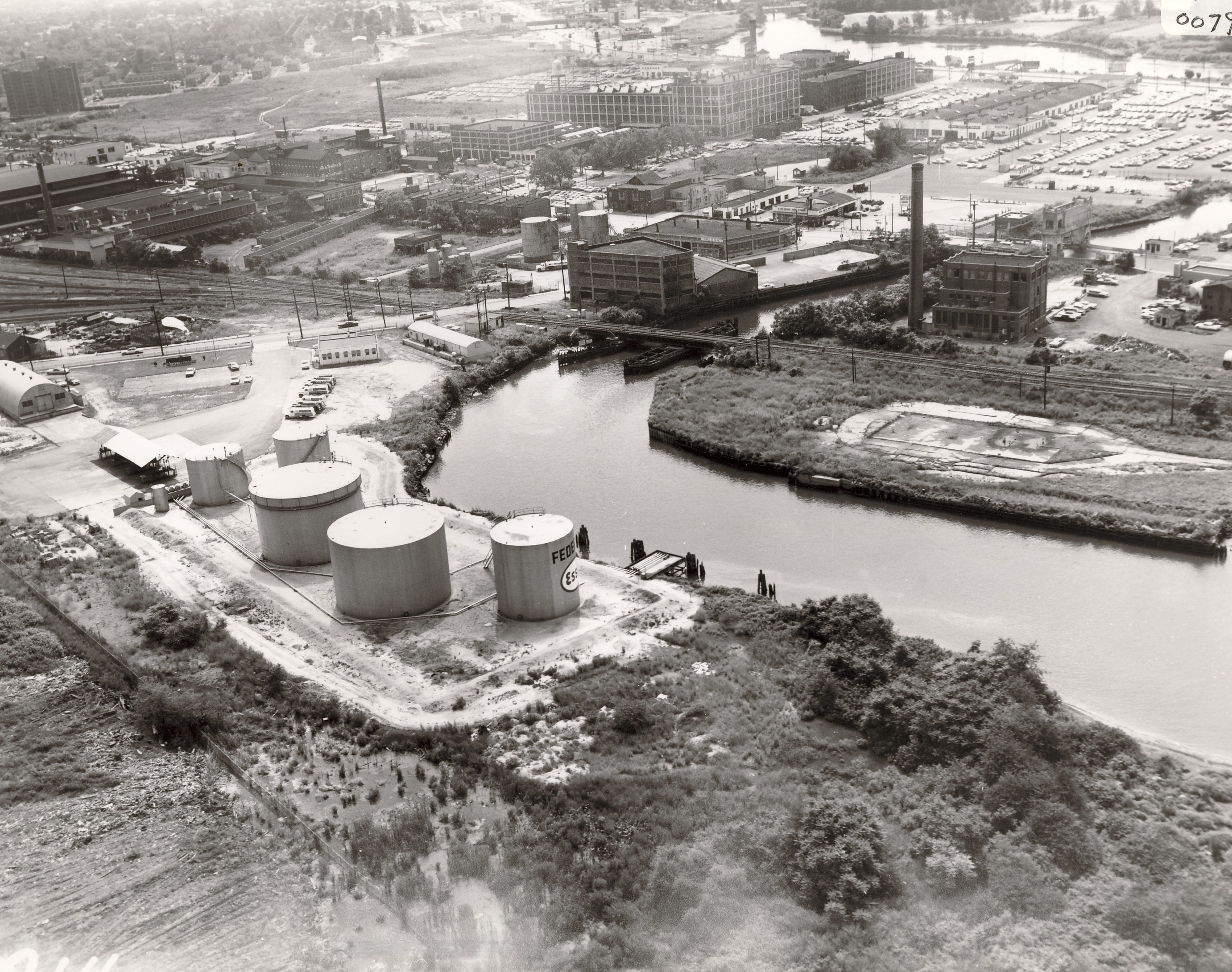
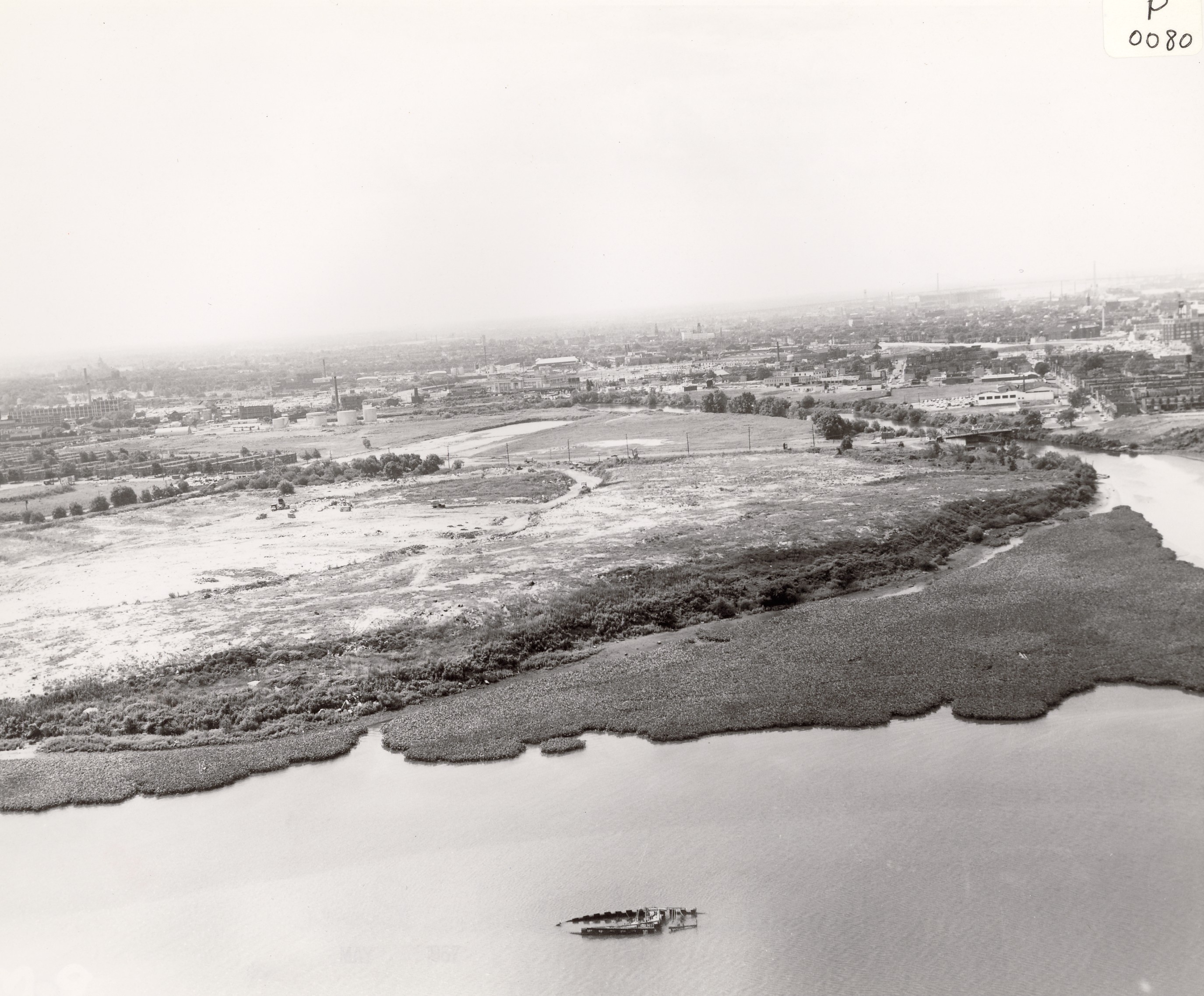
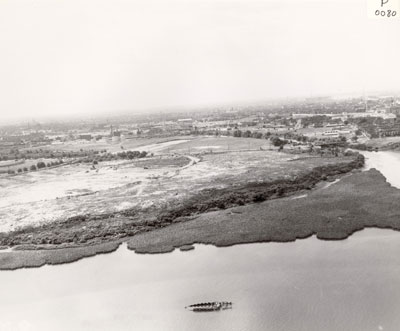
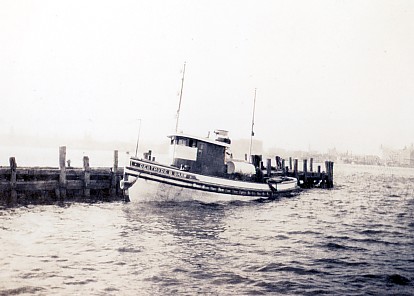
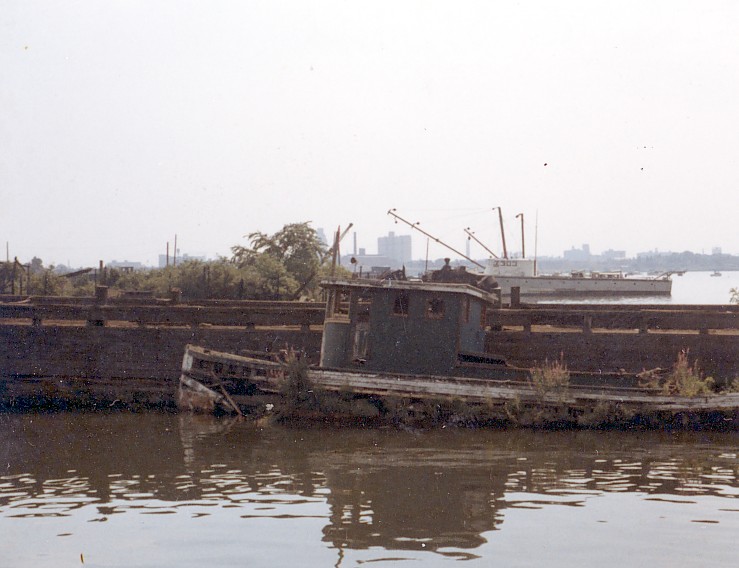
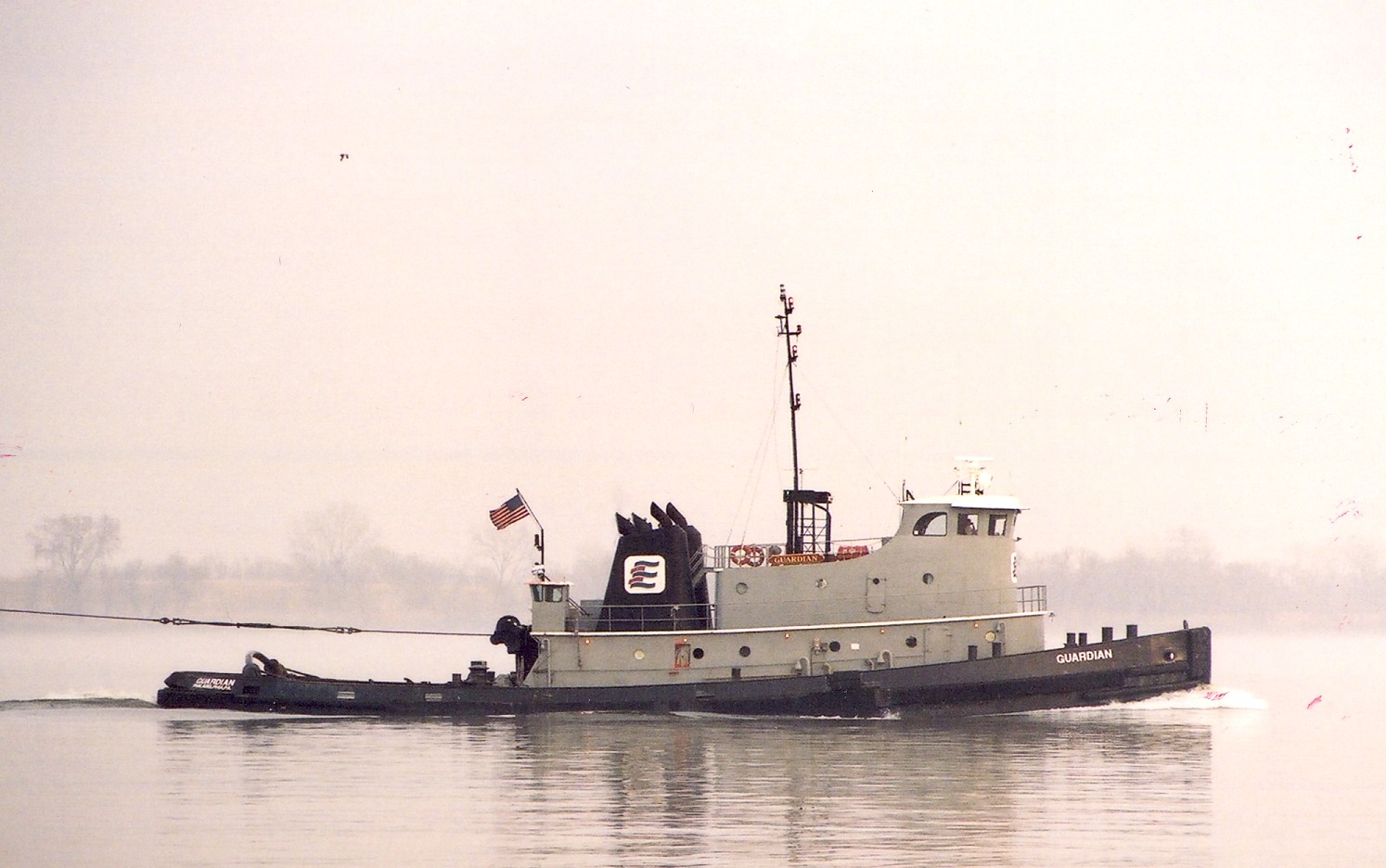
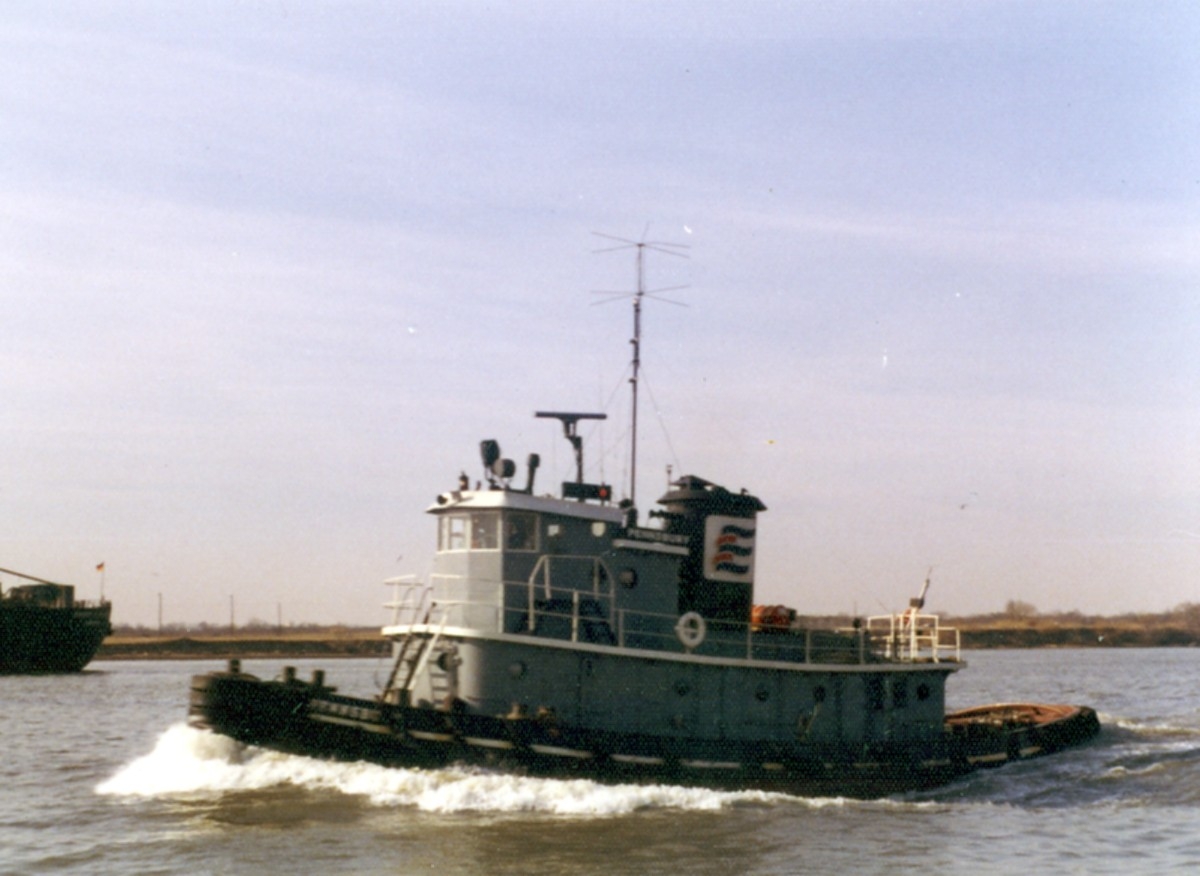
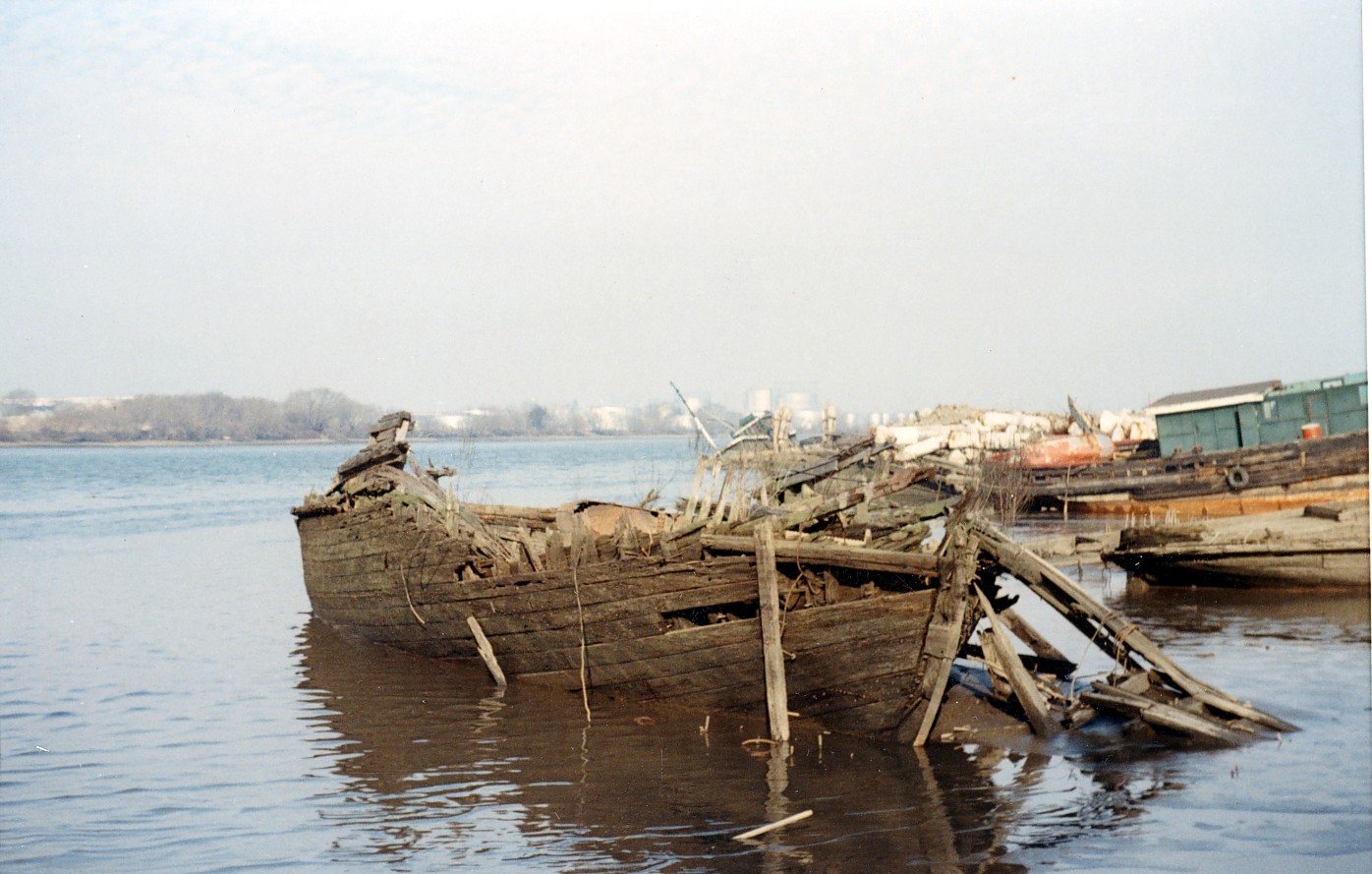
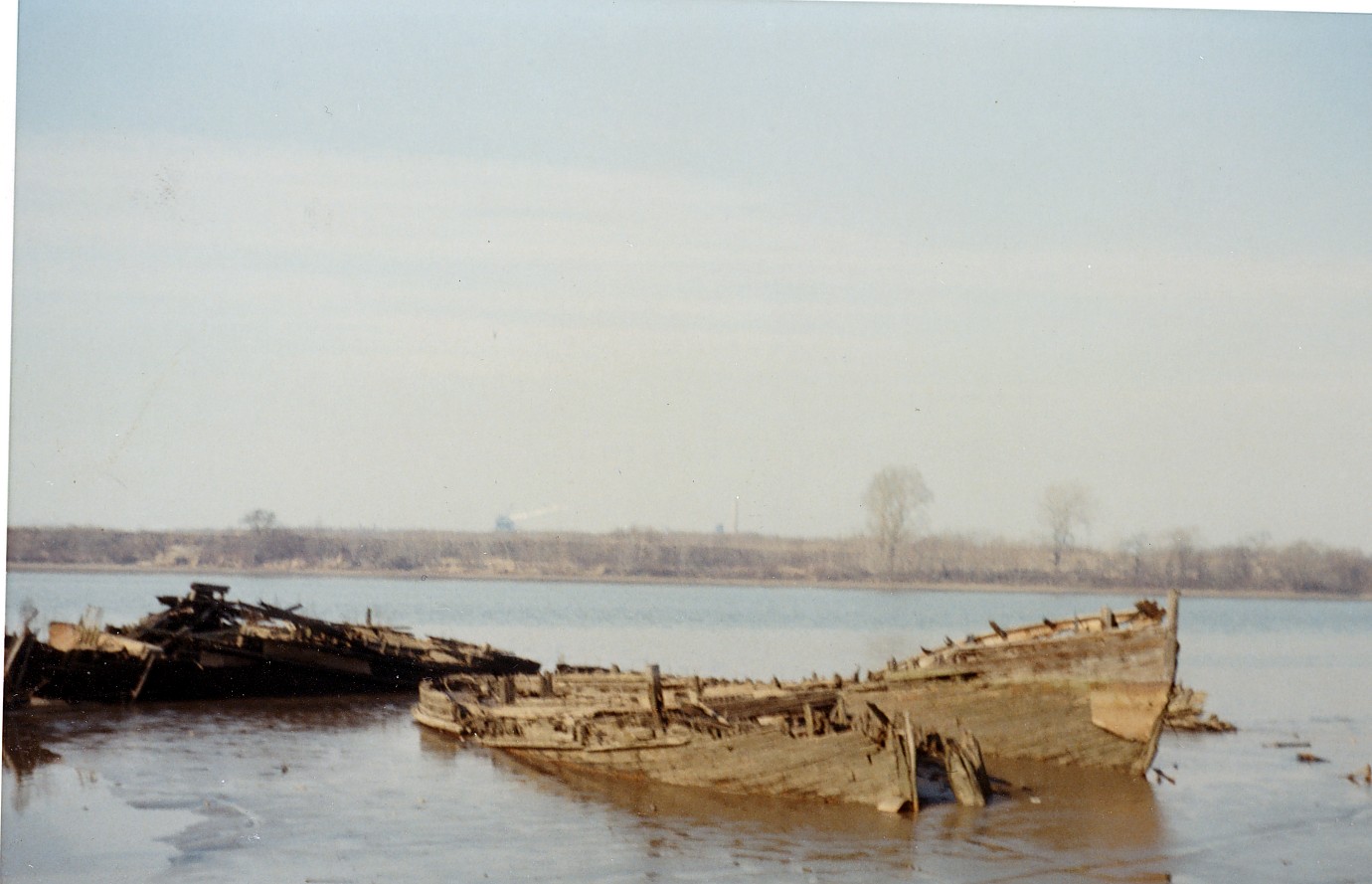
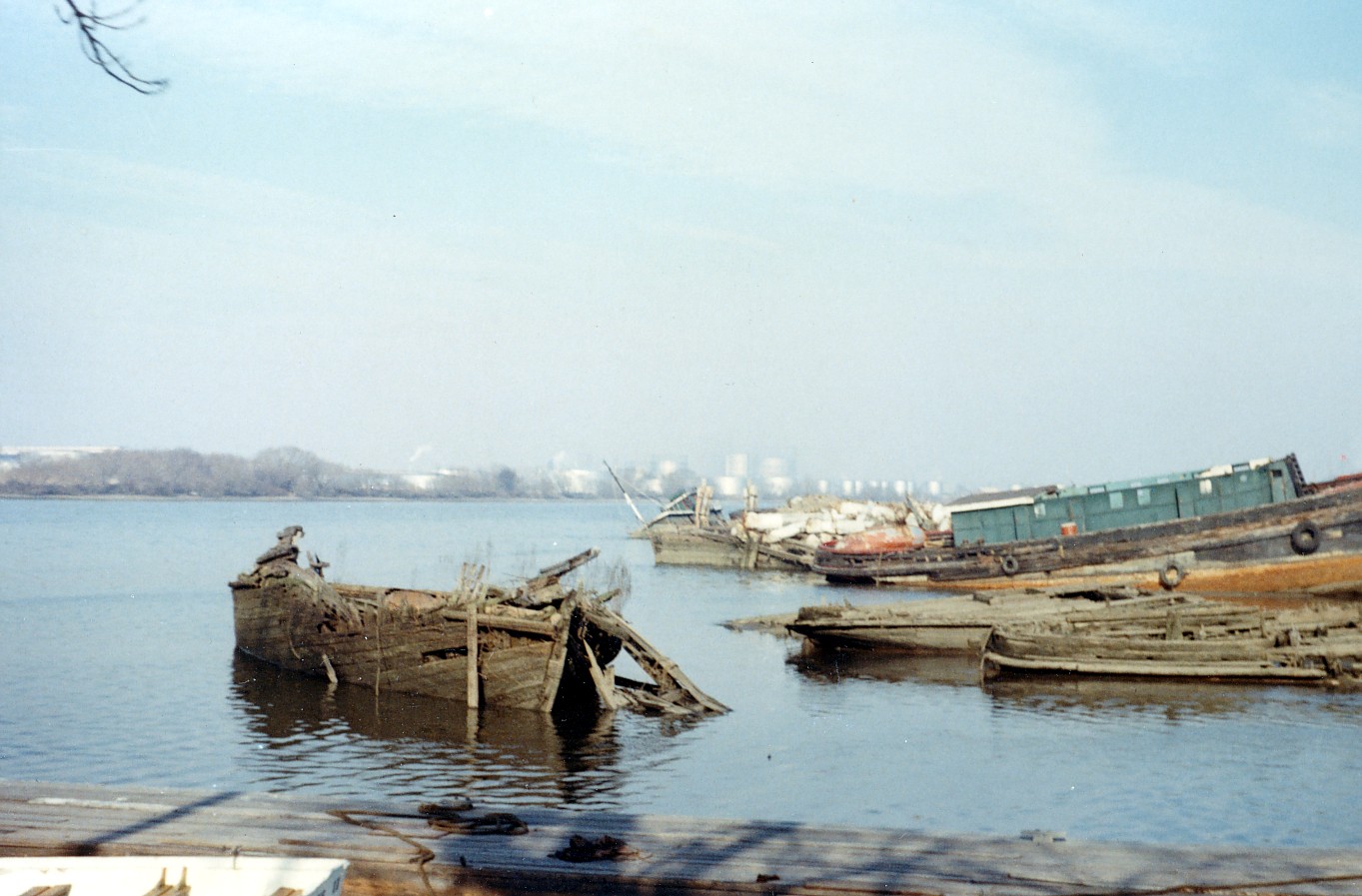
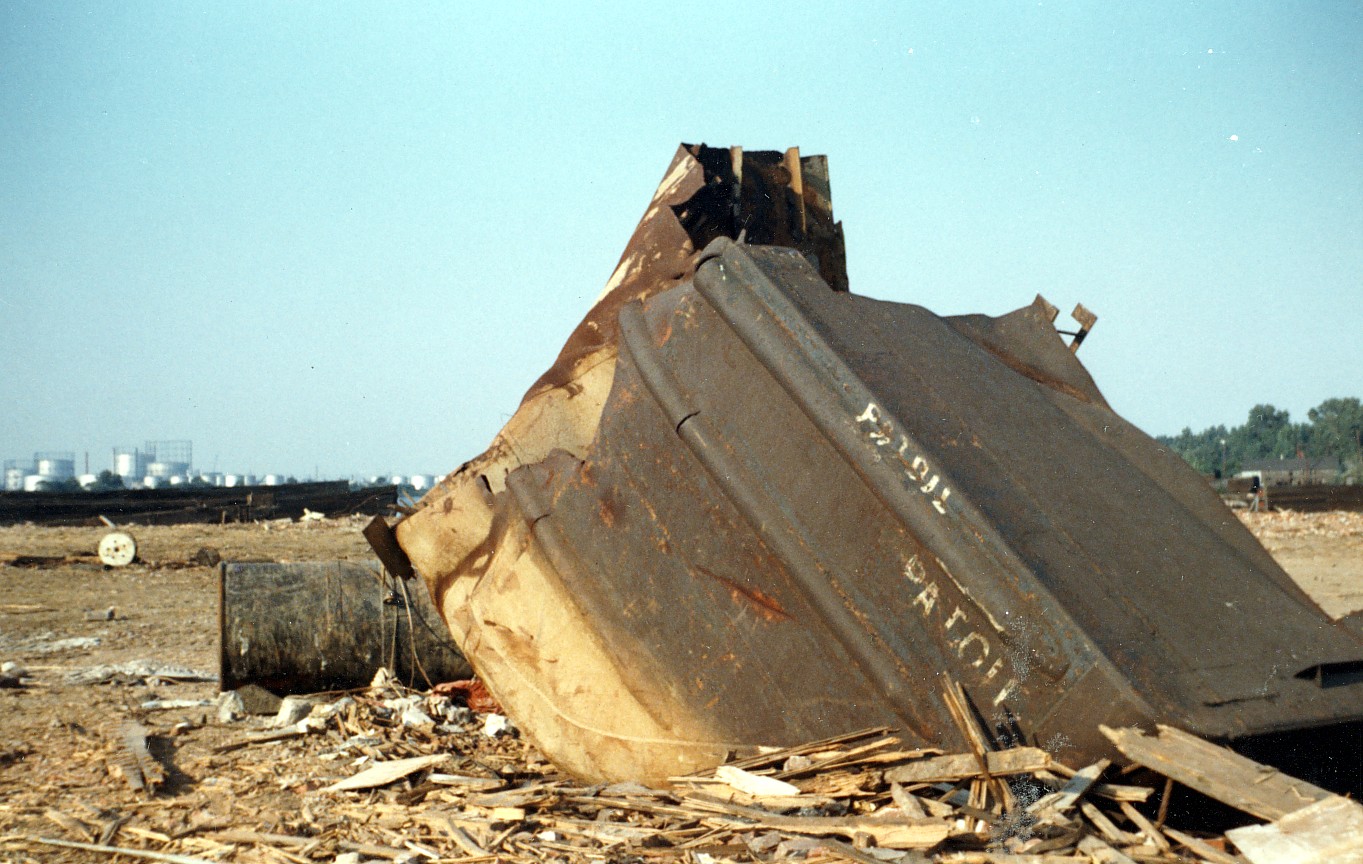
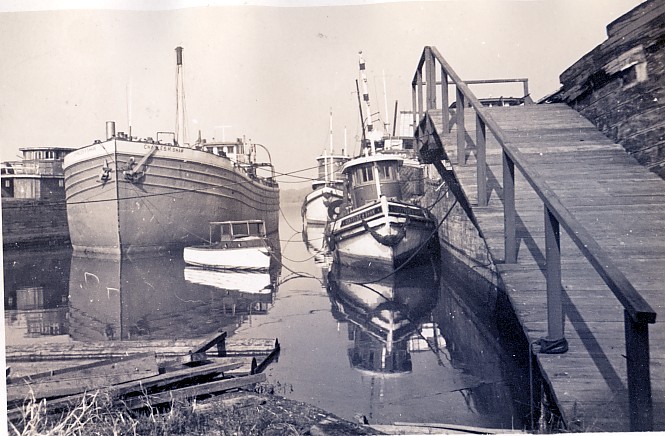
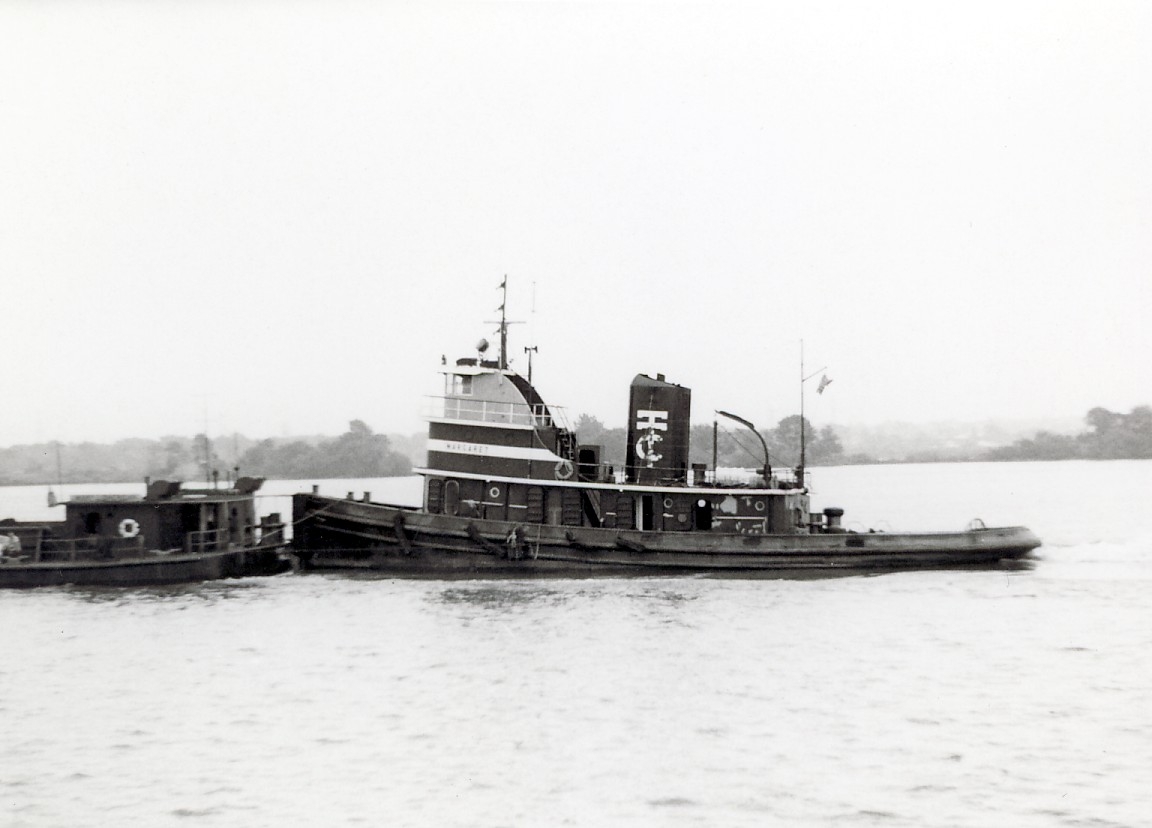
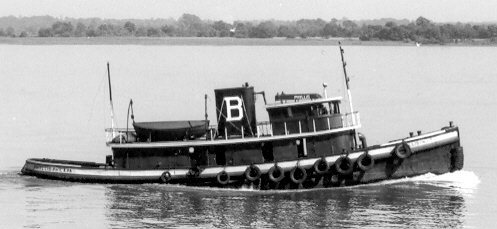
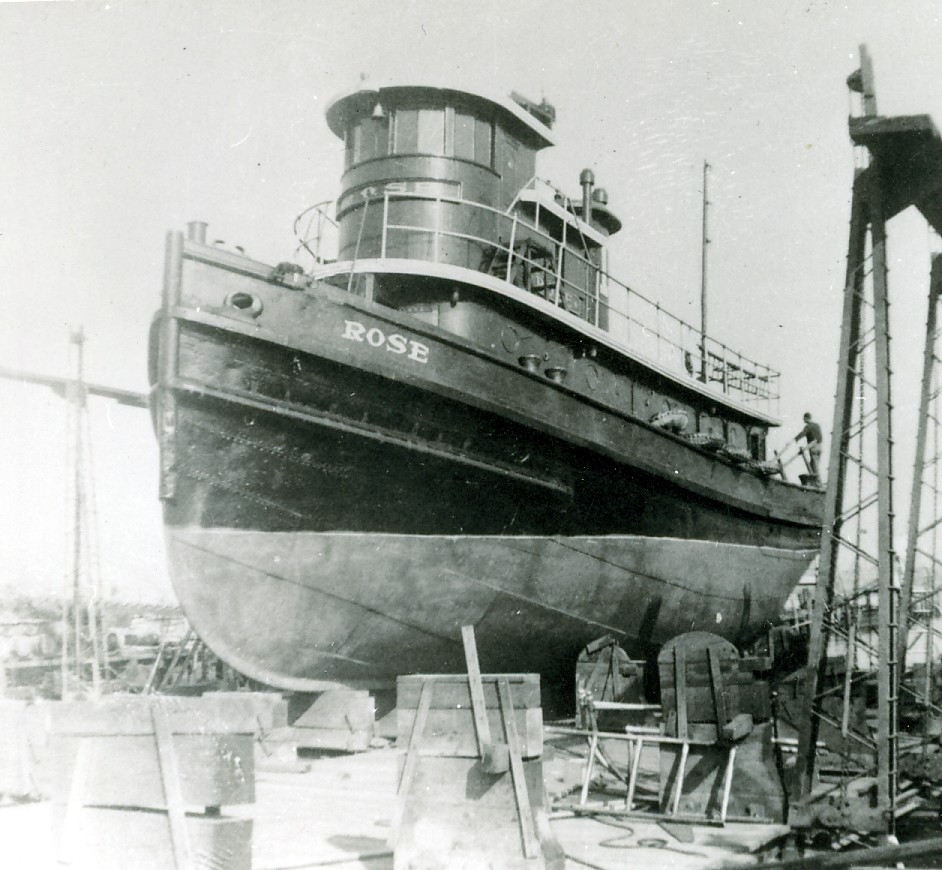
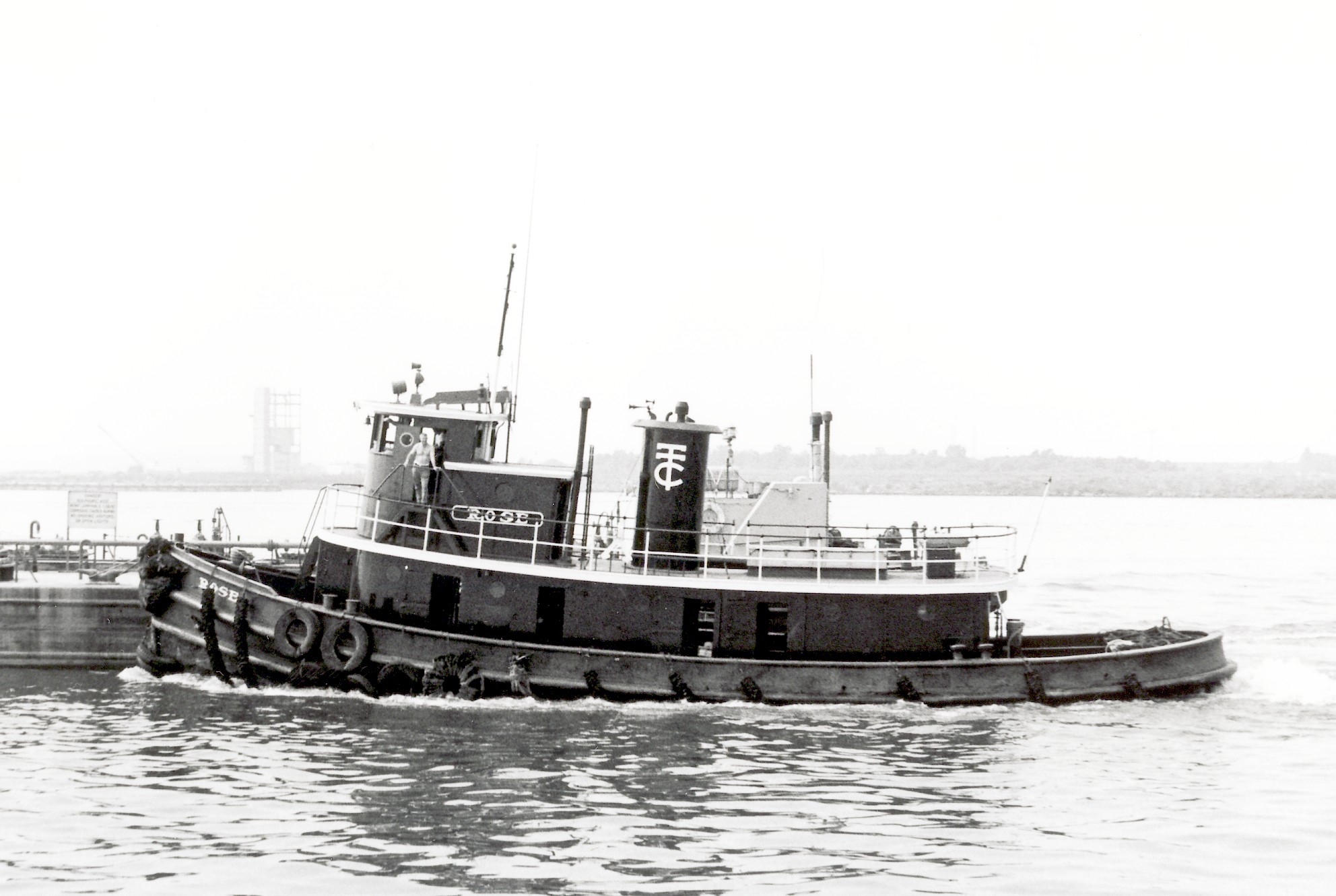
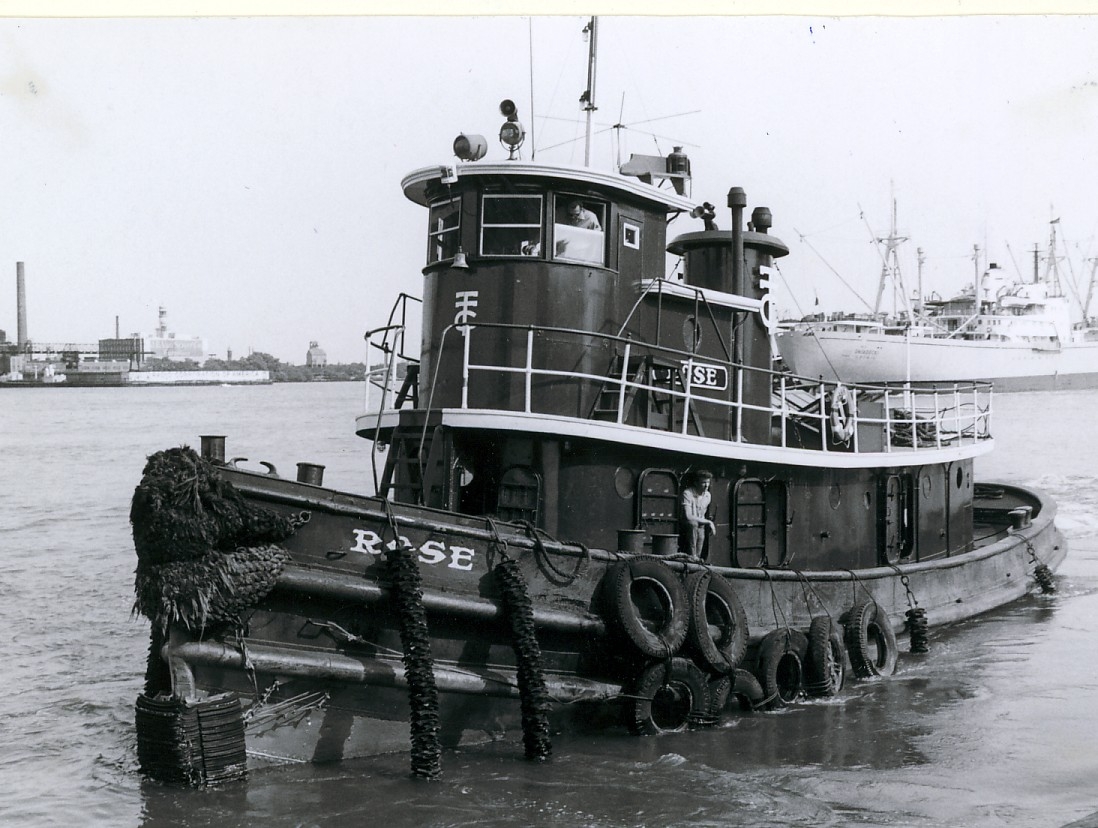
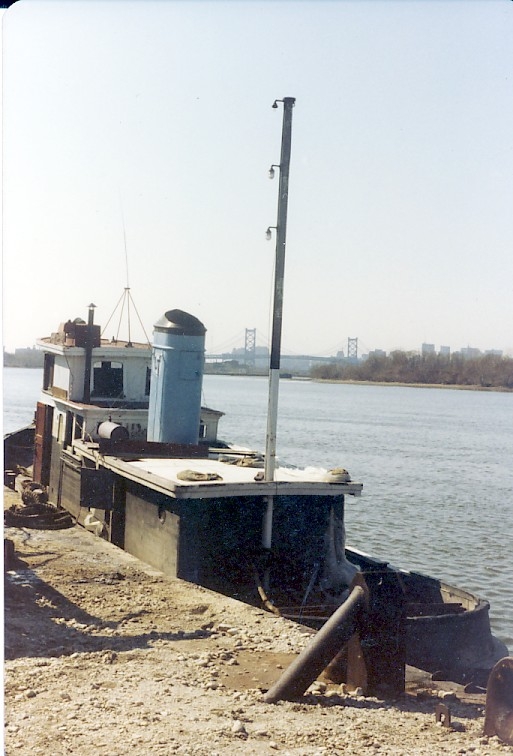
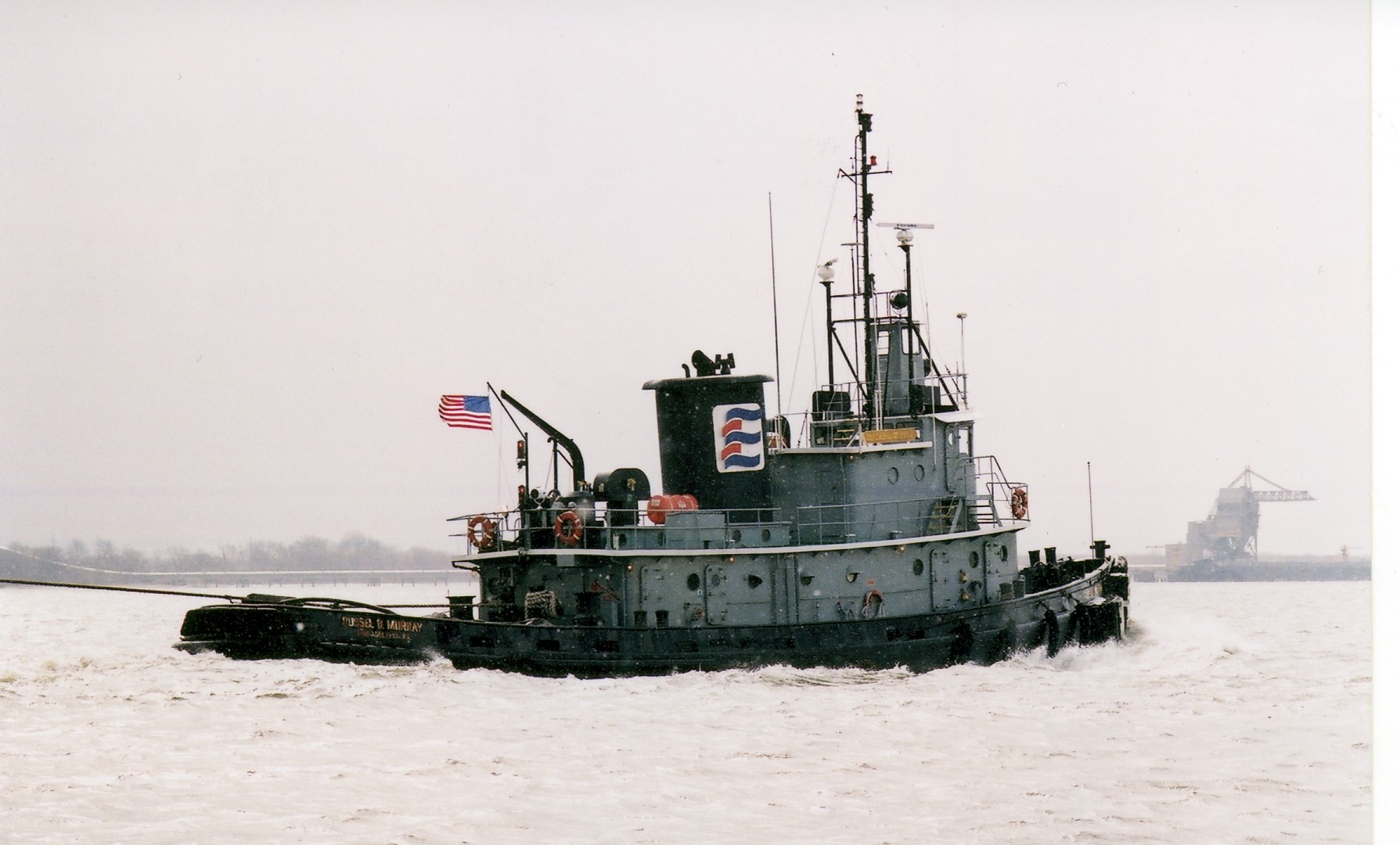
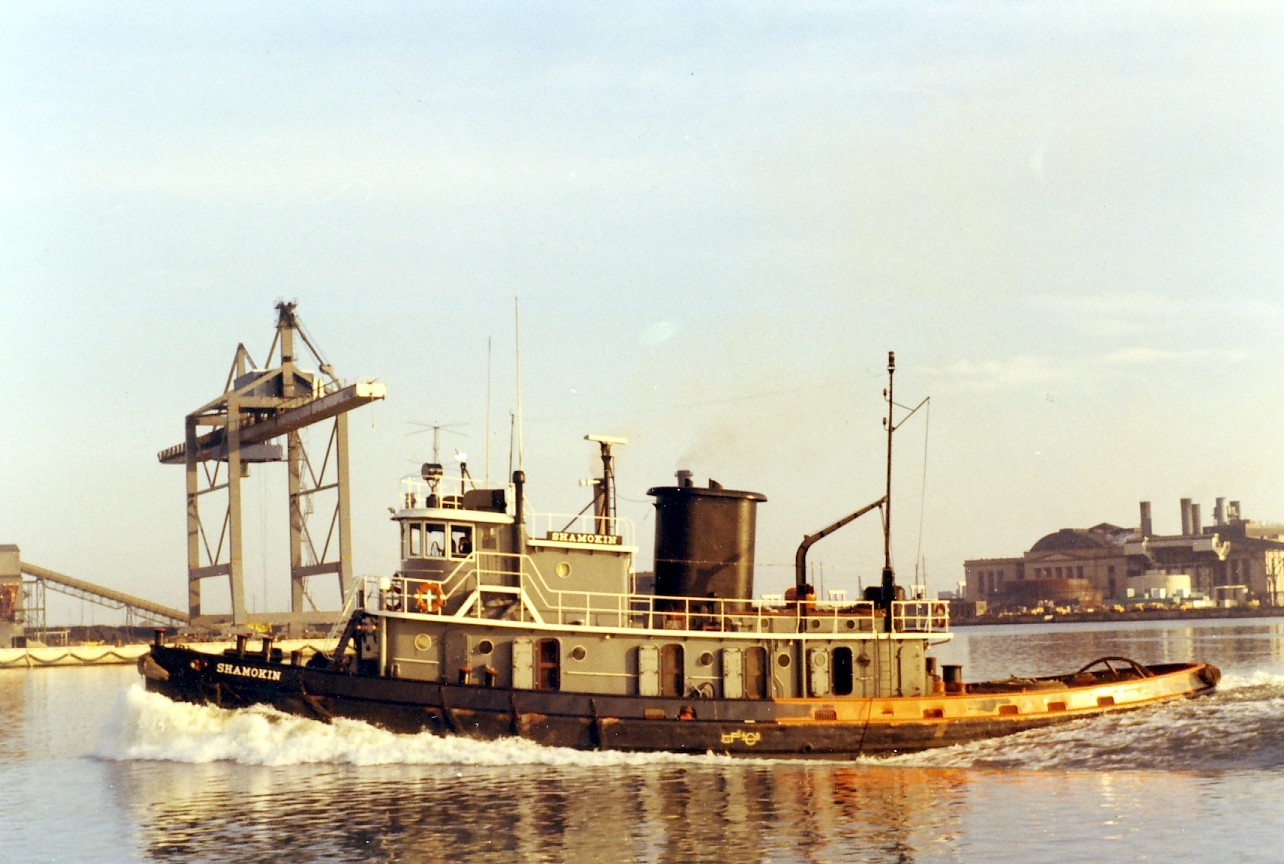
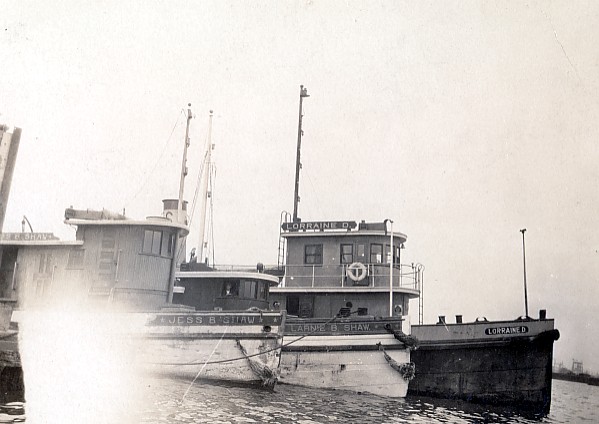
Tugboats and barges photographed in and around Cramer Hill and North Camden, contributed primarily by Dave Boone. Tugboat companies represented include Express Marine, R.A. Banks Towing, L.B. Shaw, and Tucker Towing.
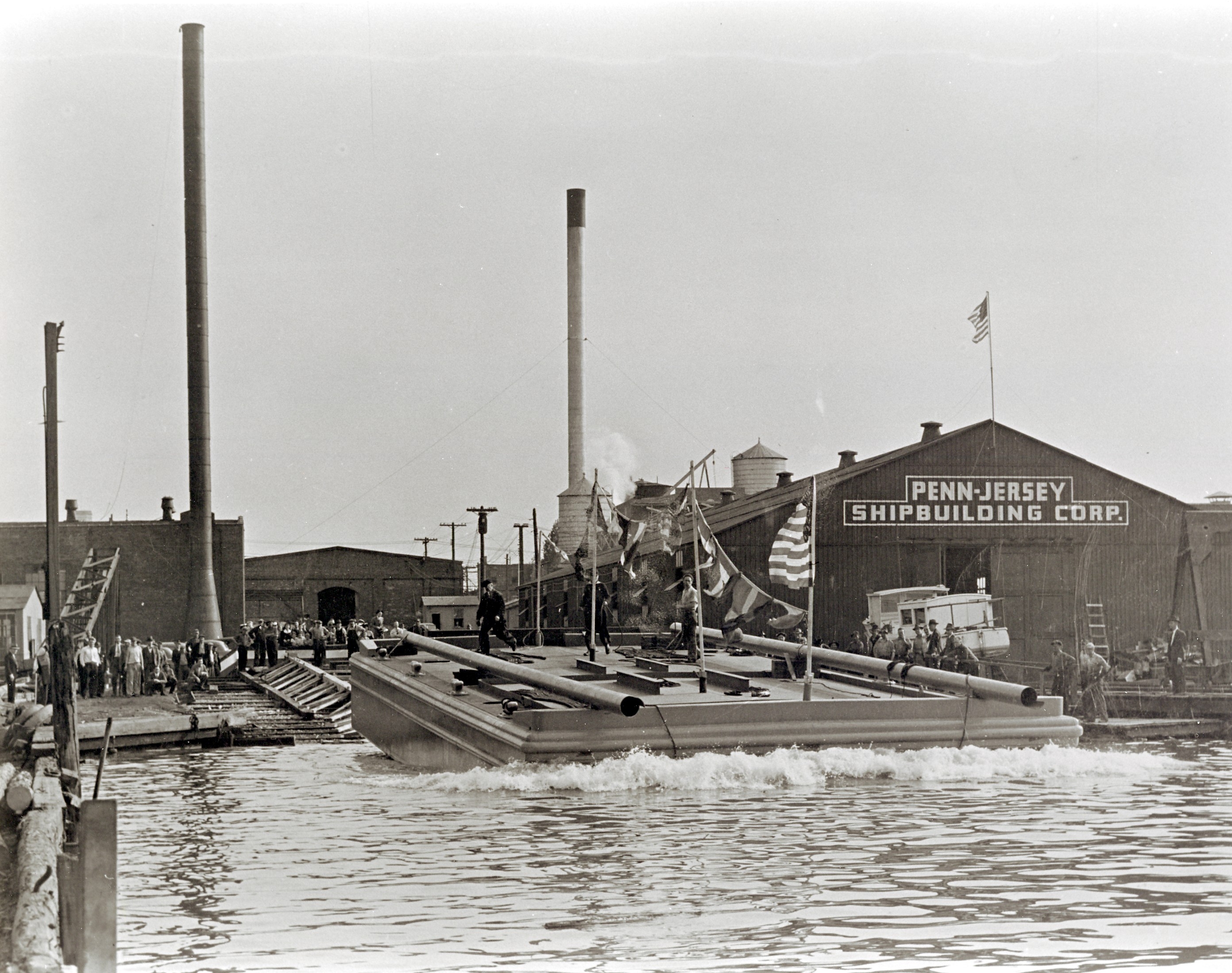
John H. Mathis & Company Ship Yard
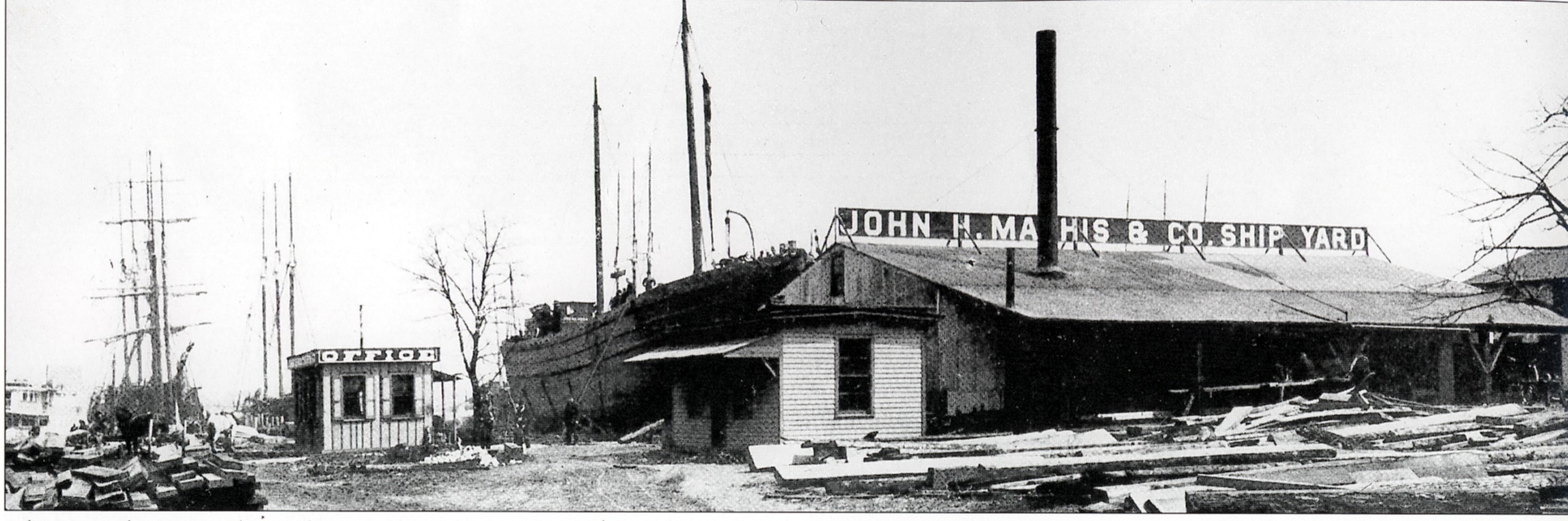
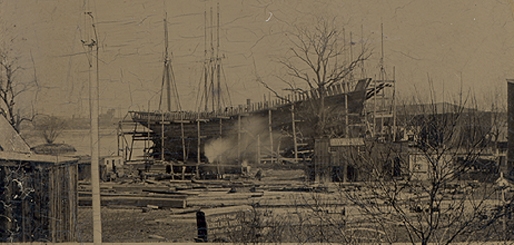
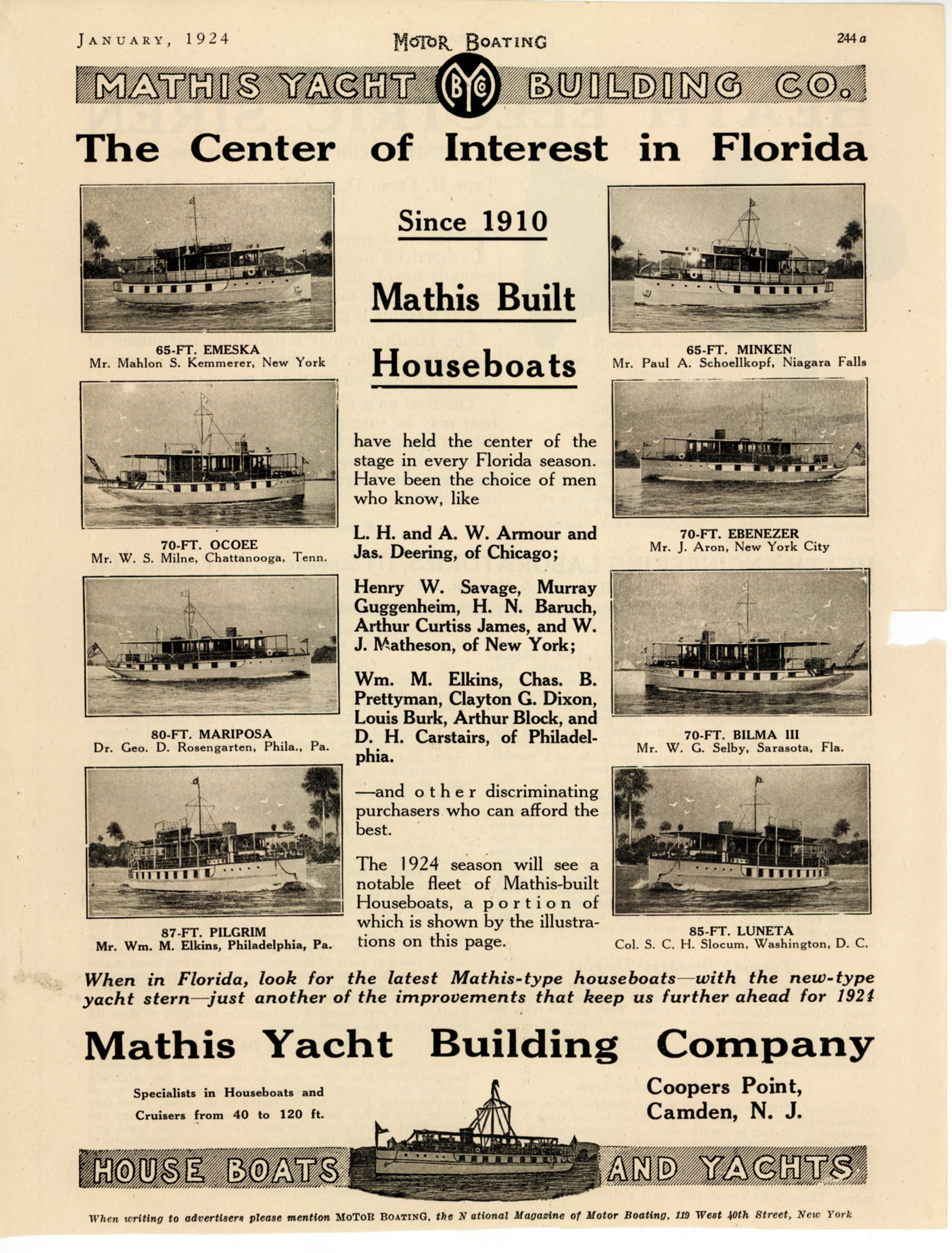
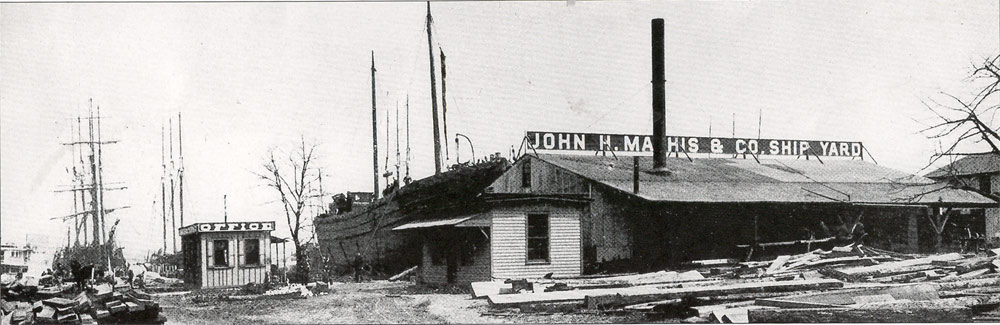
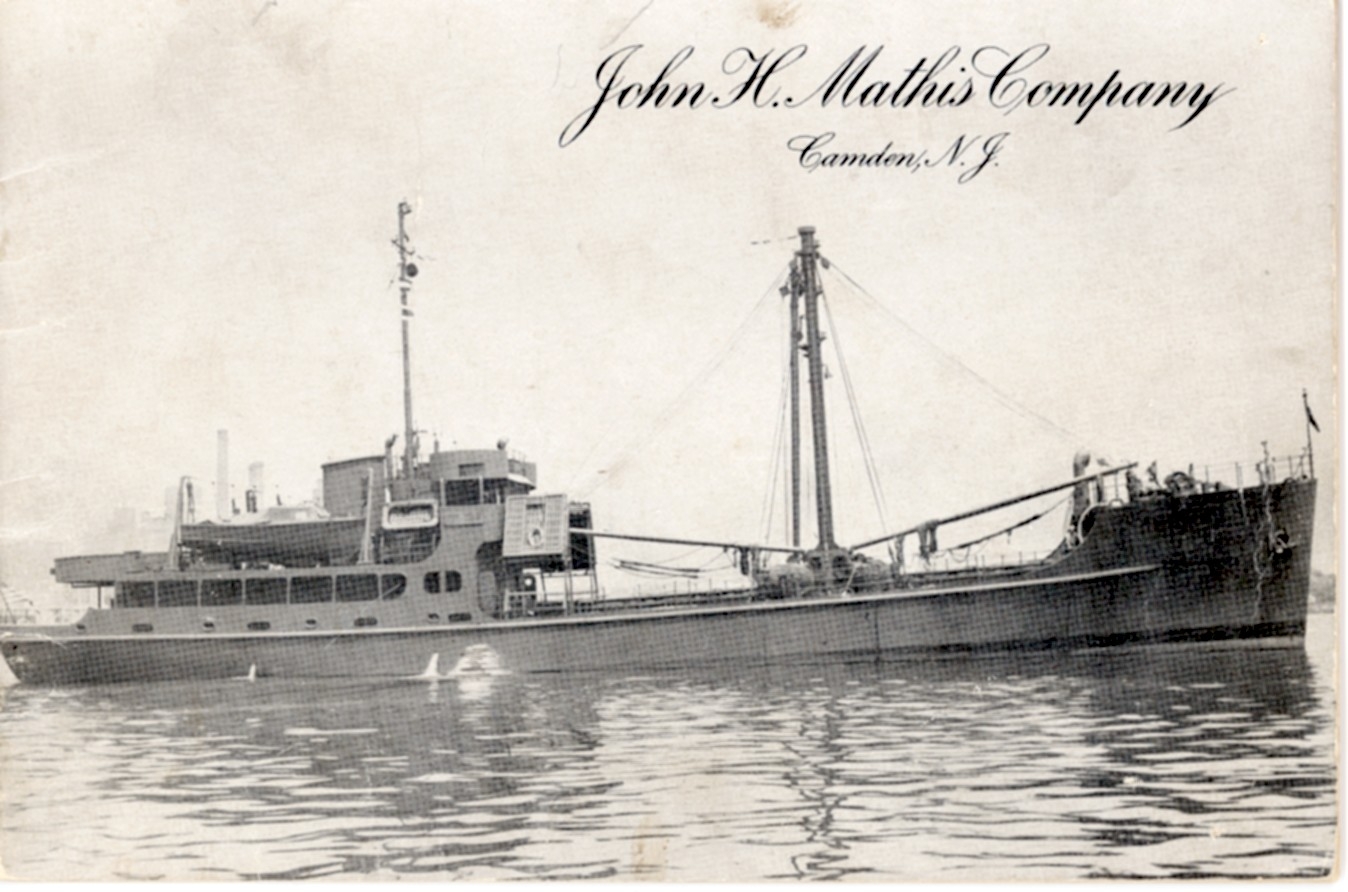
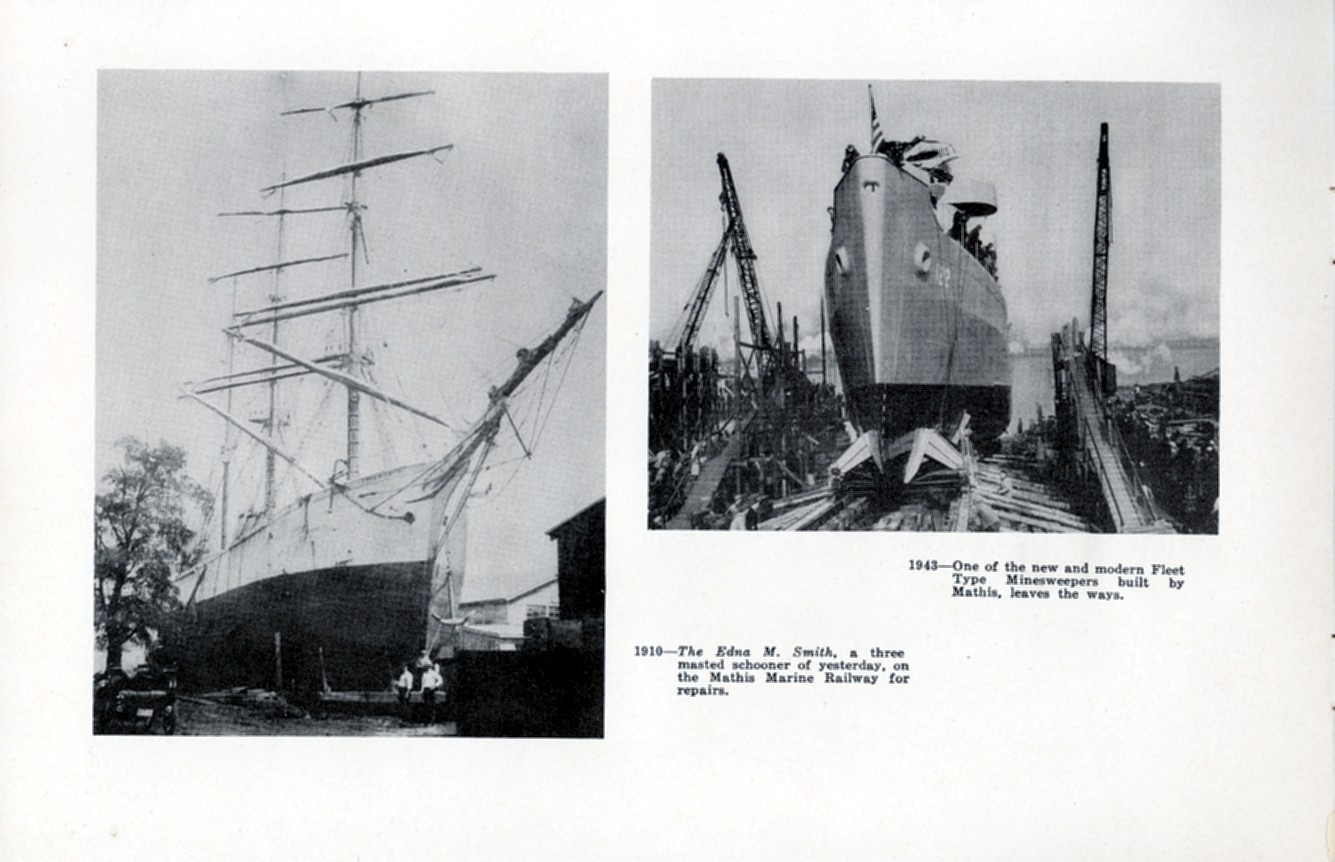
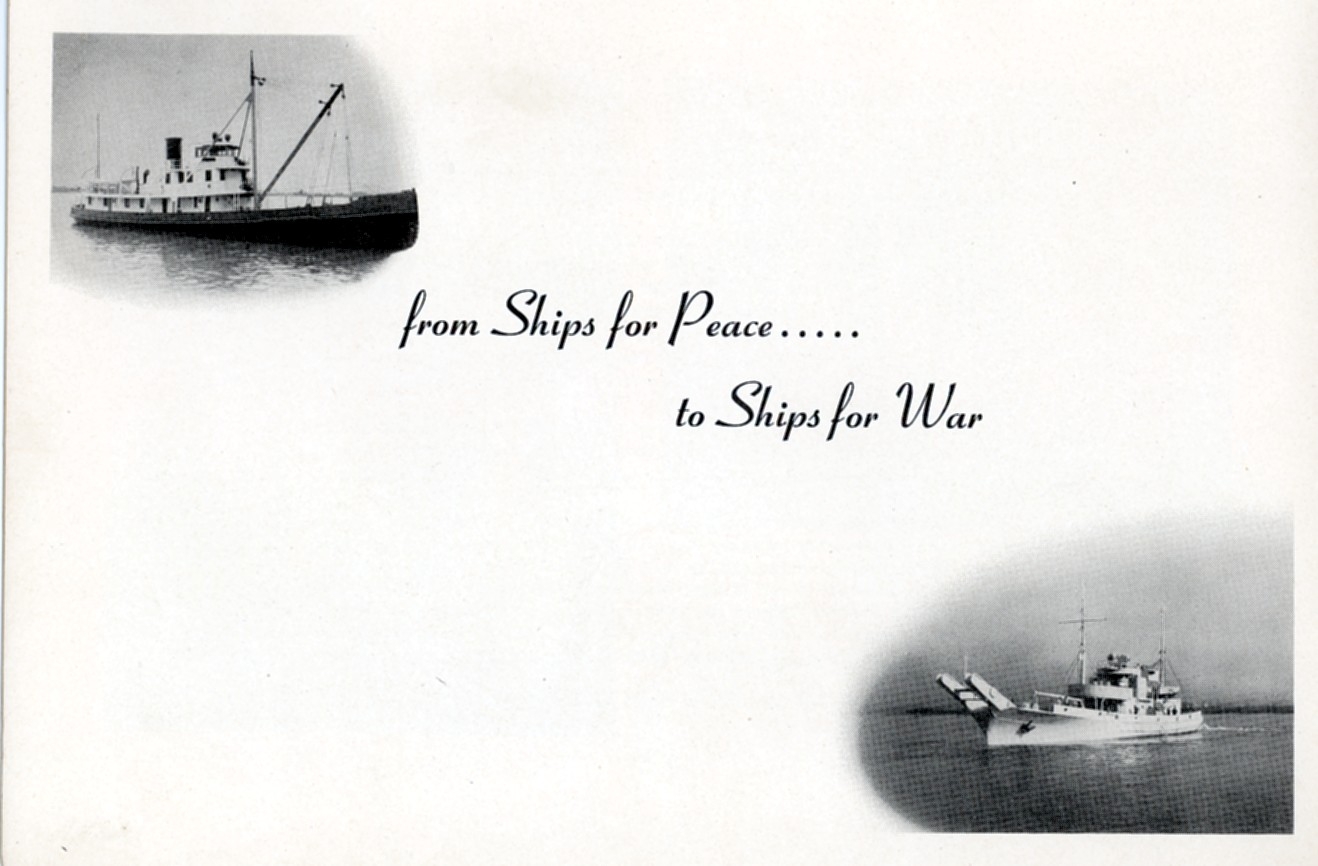
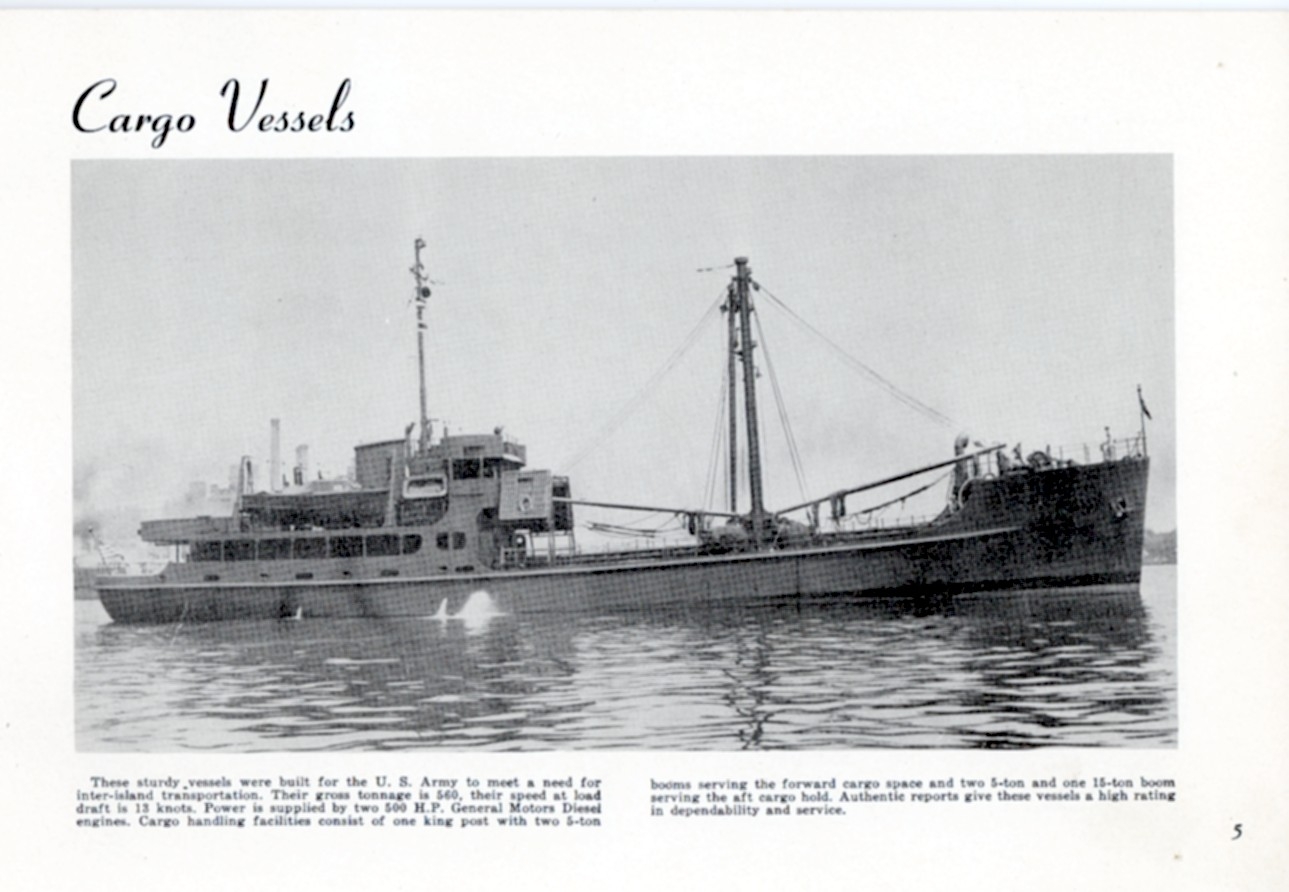
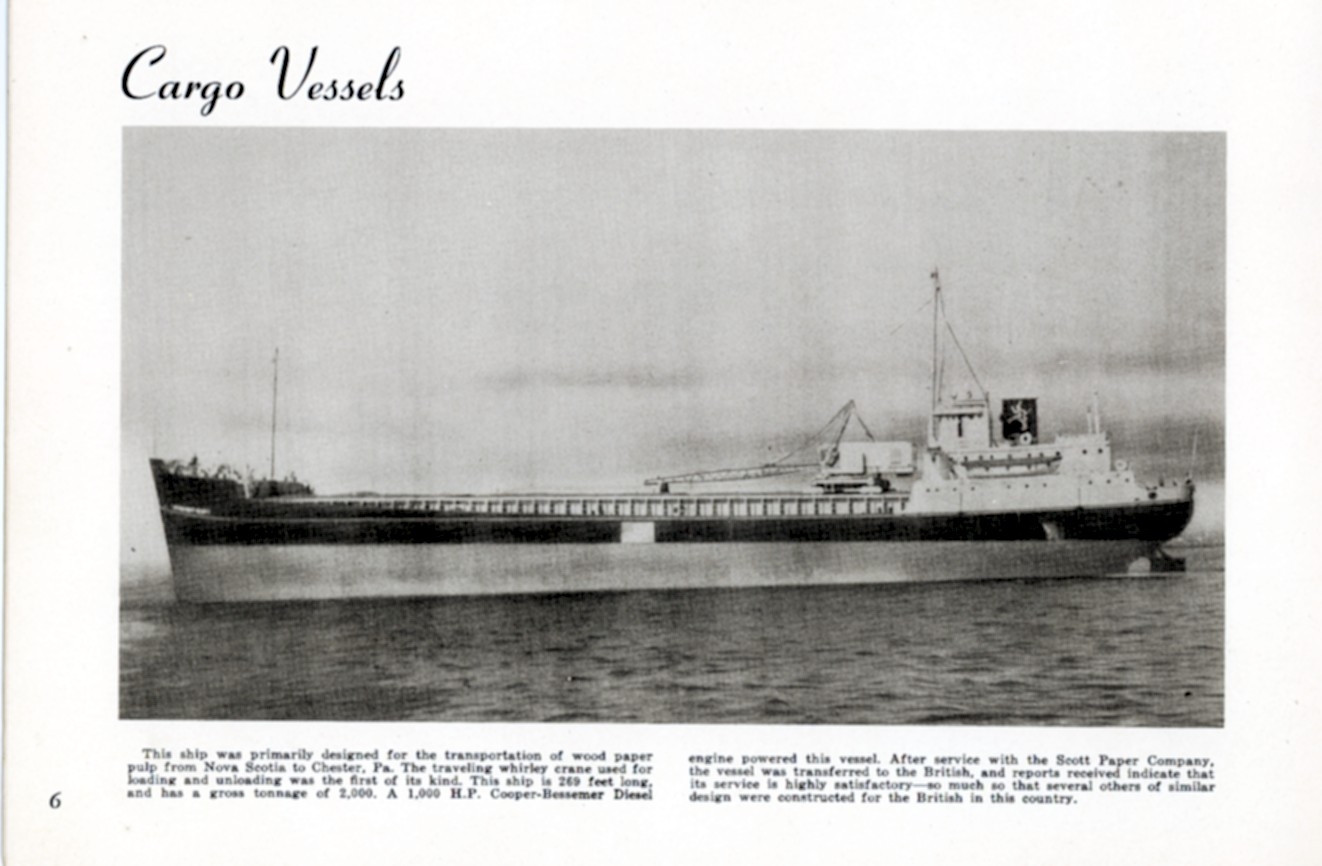
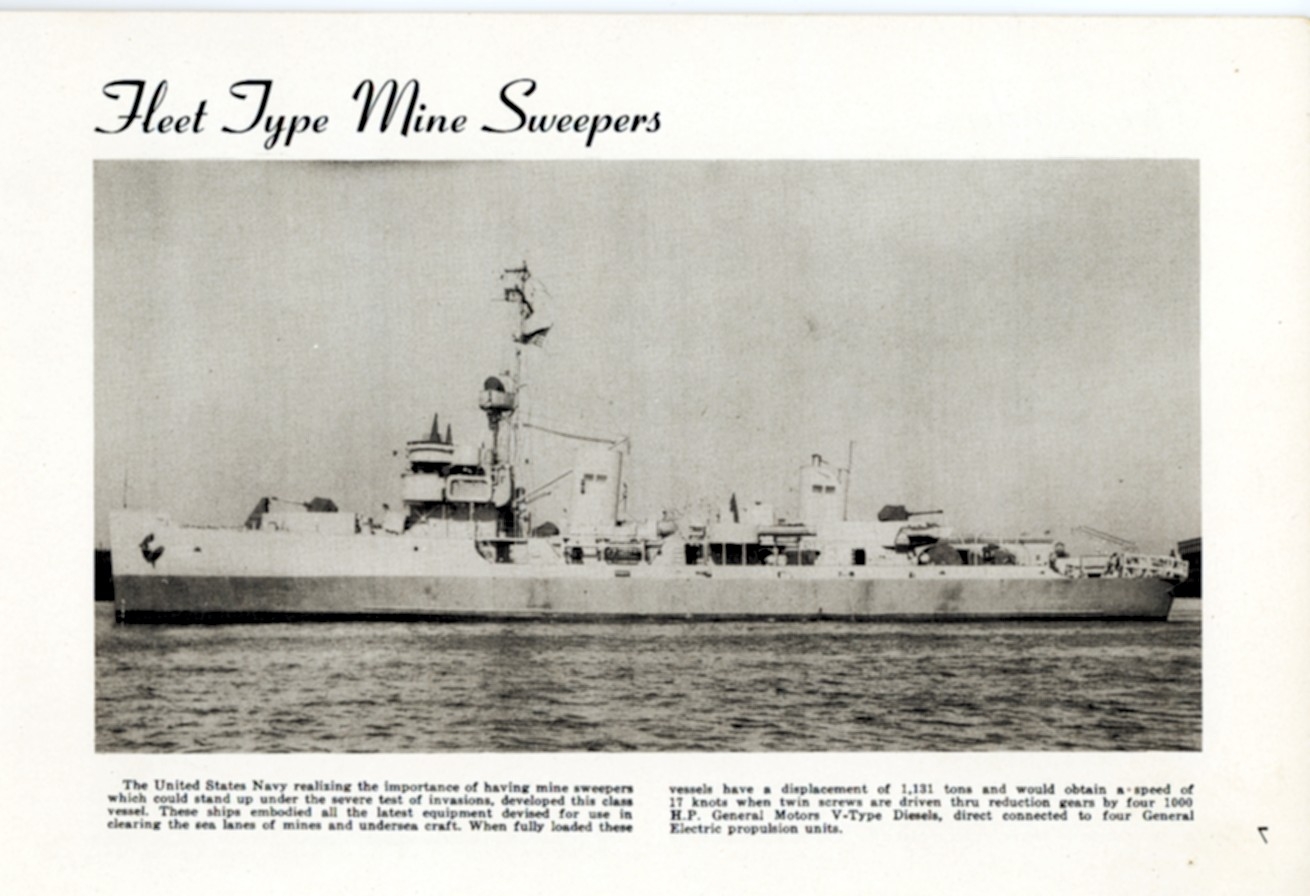
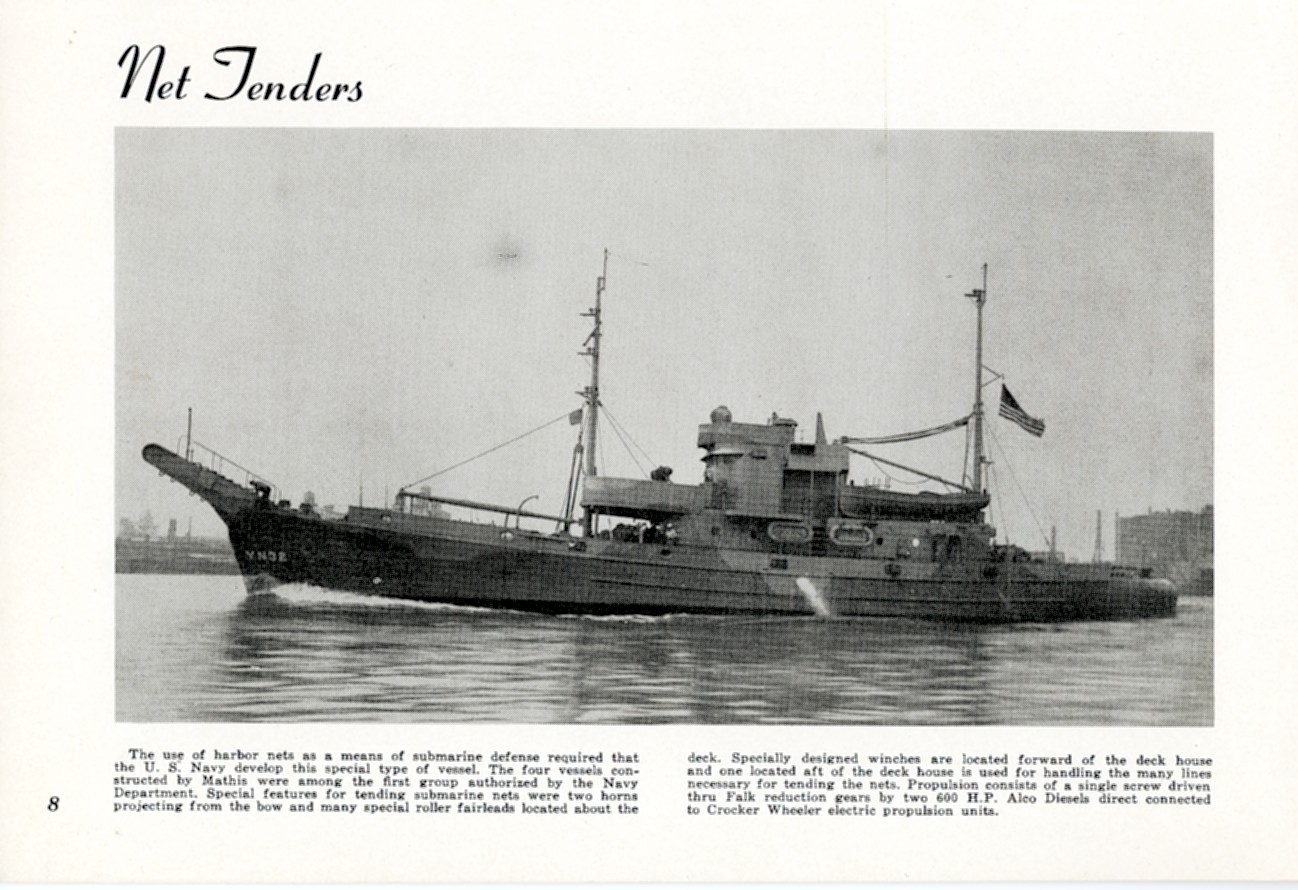
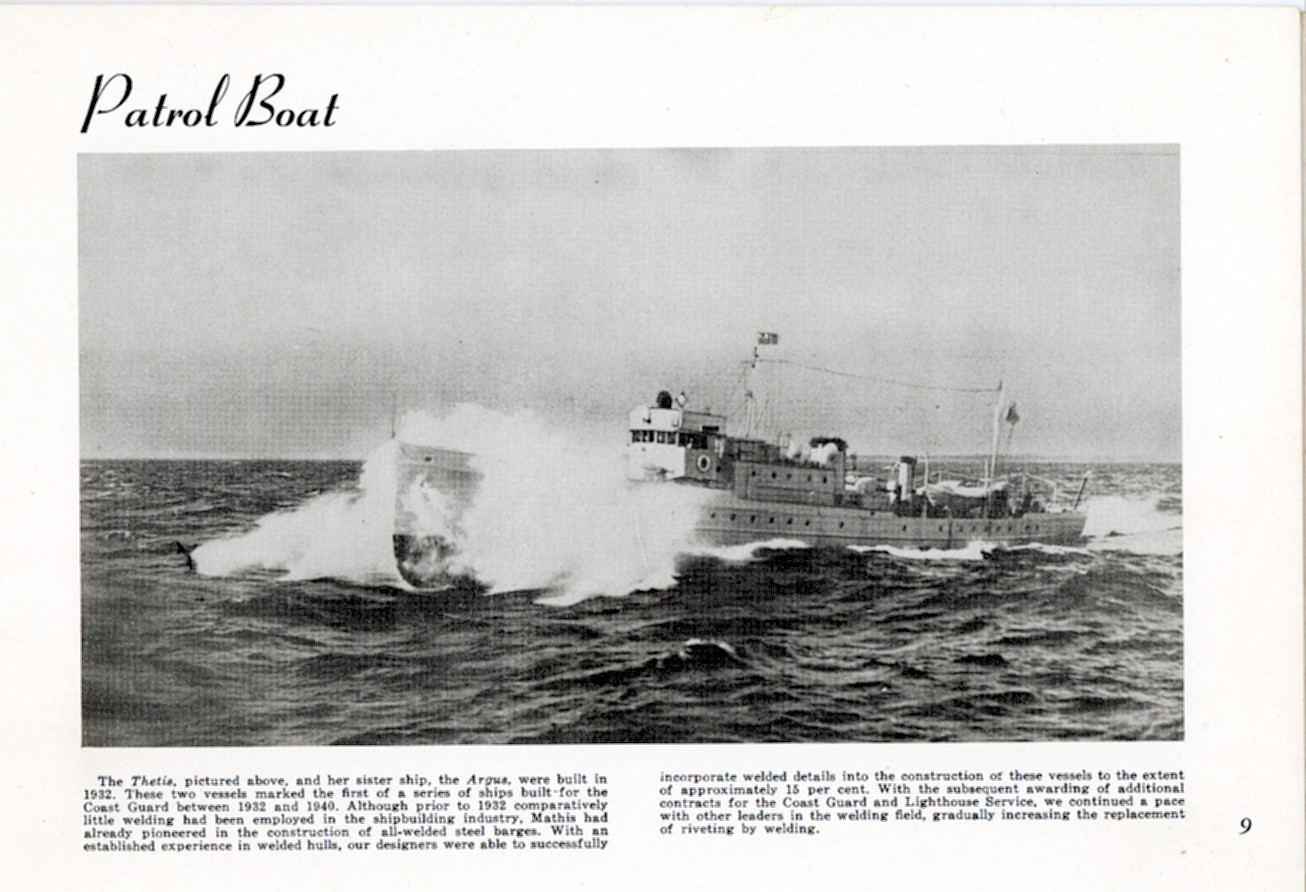
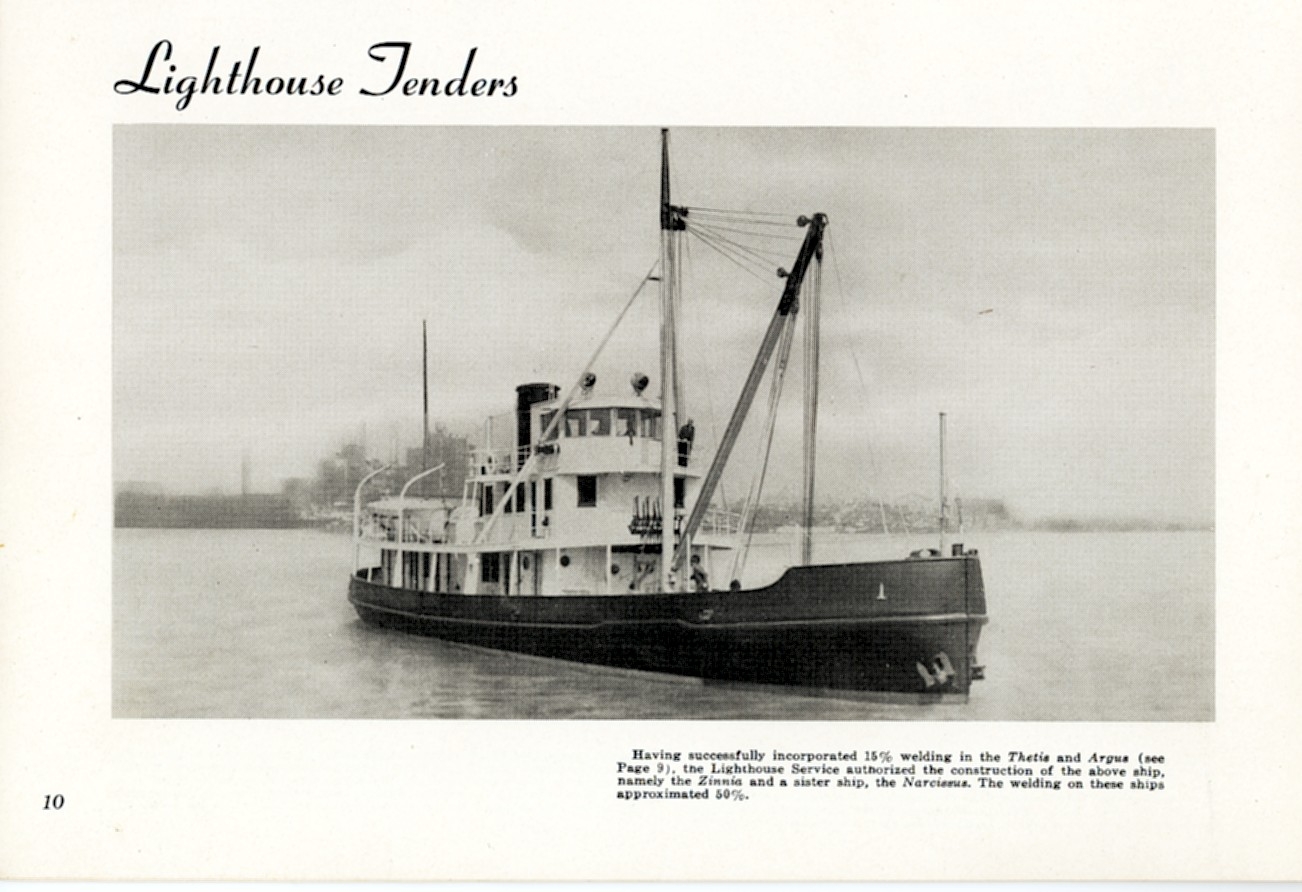
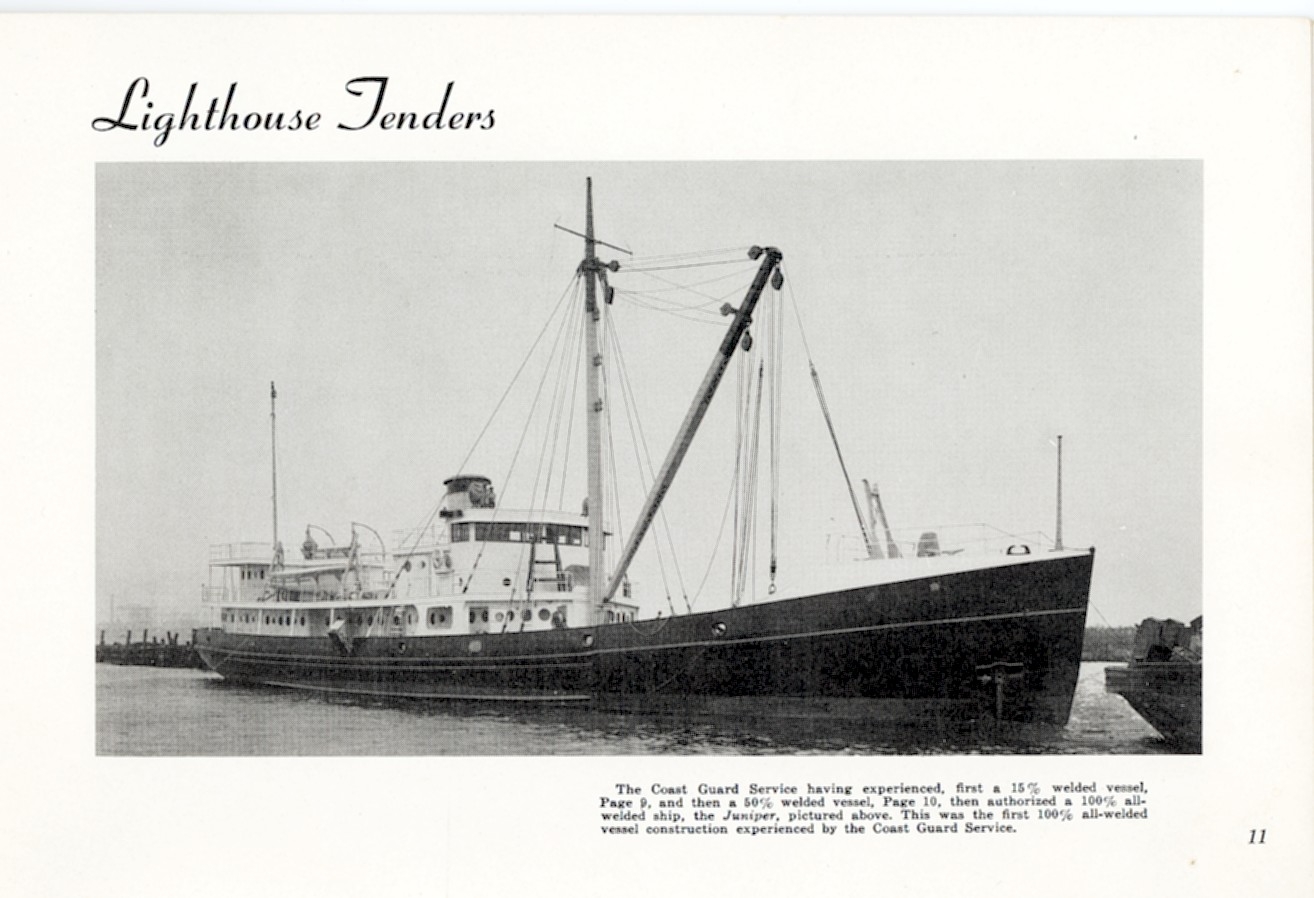
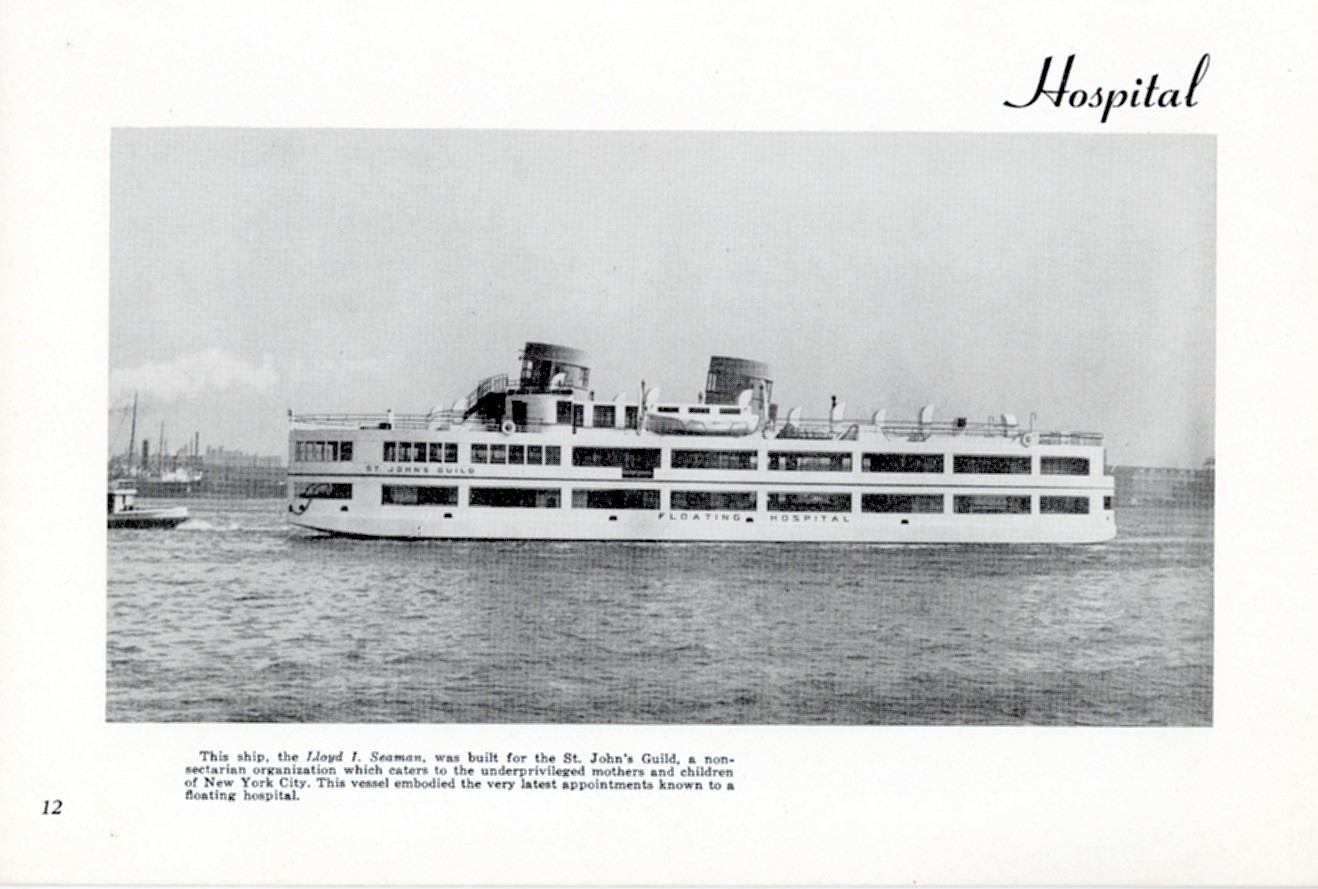
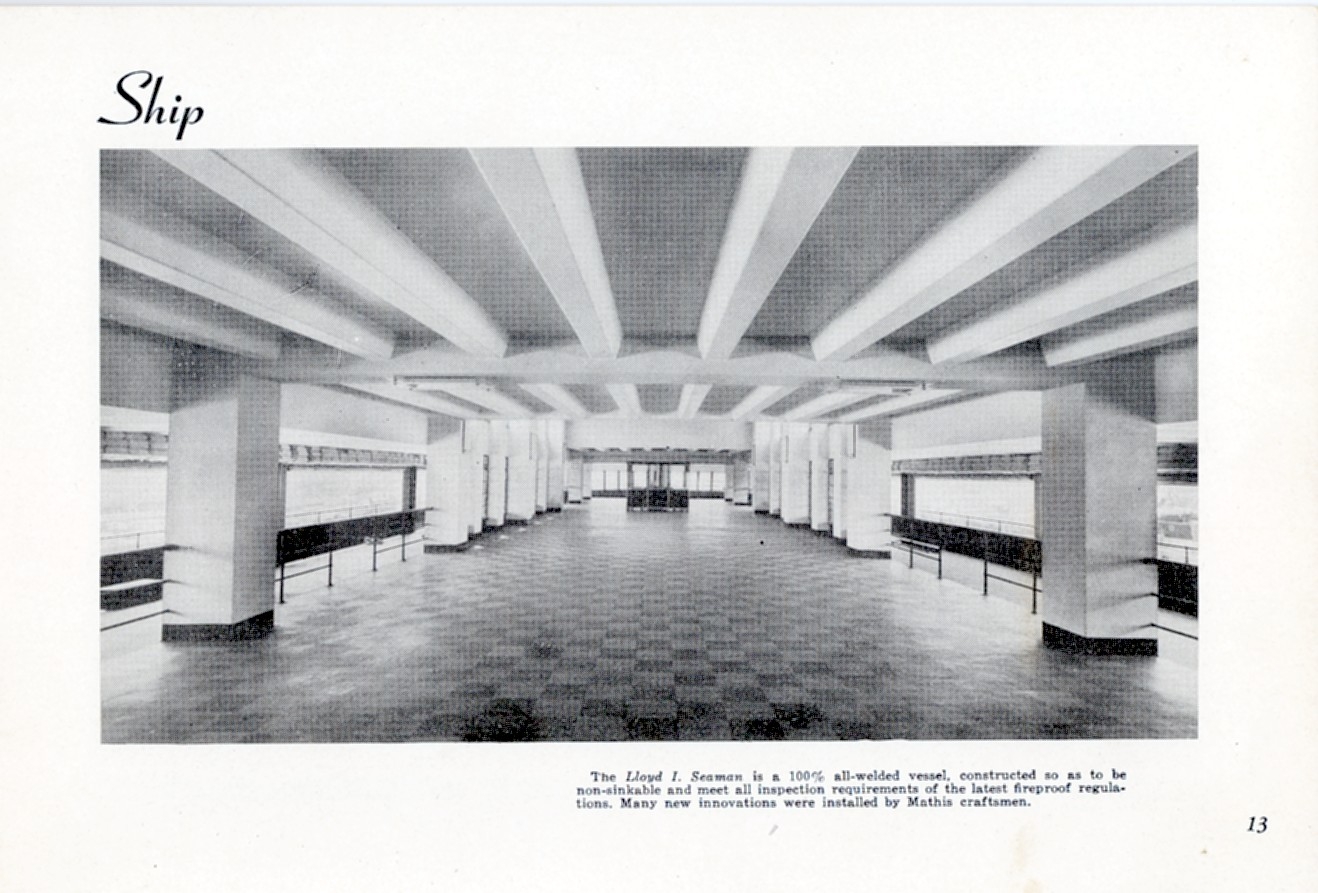
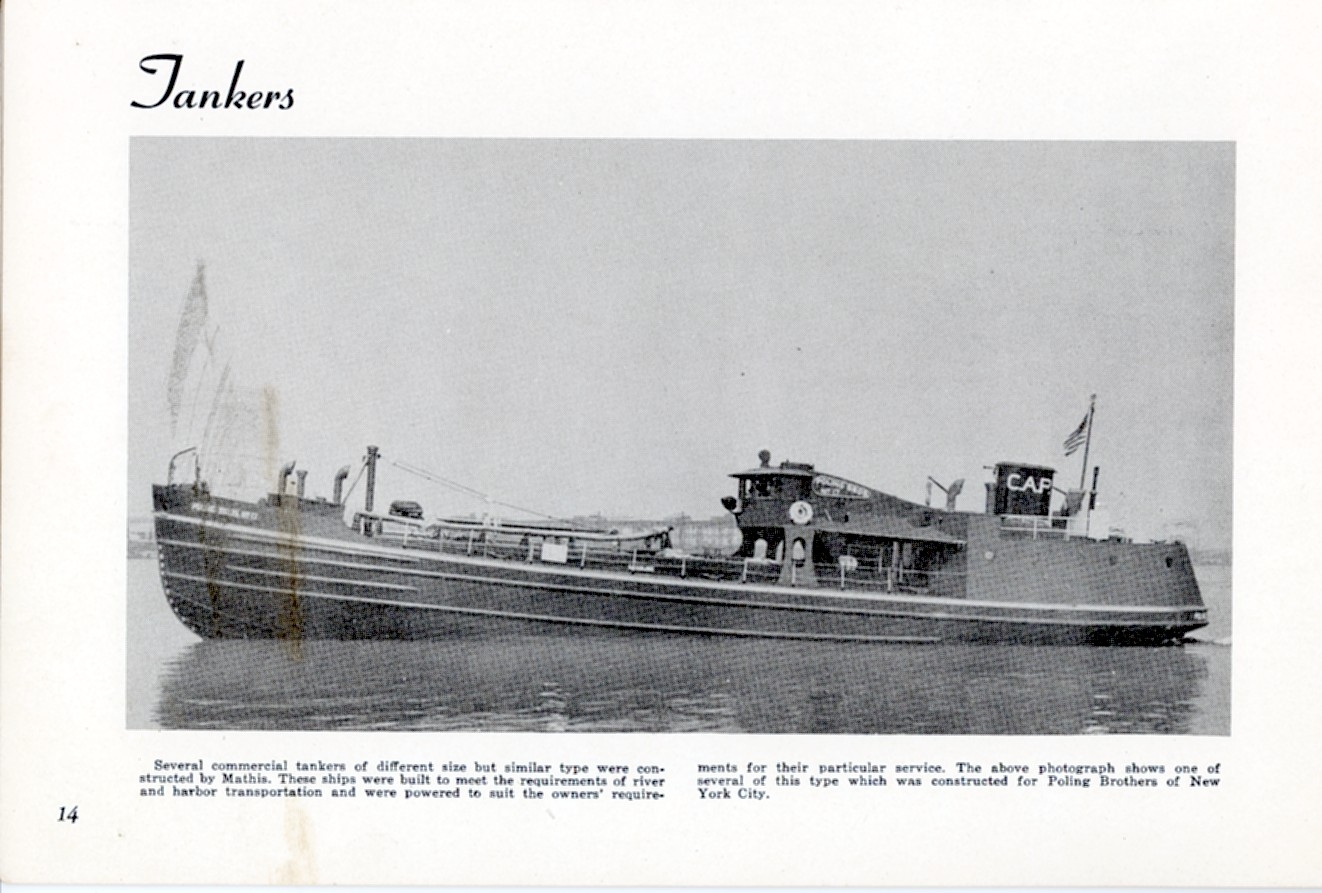
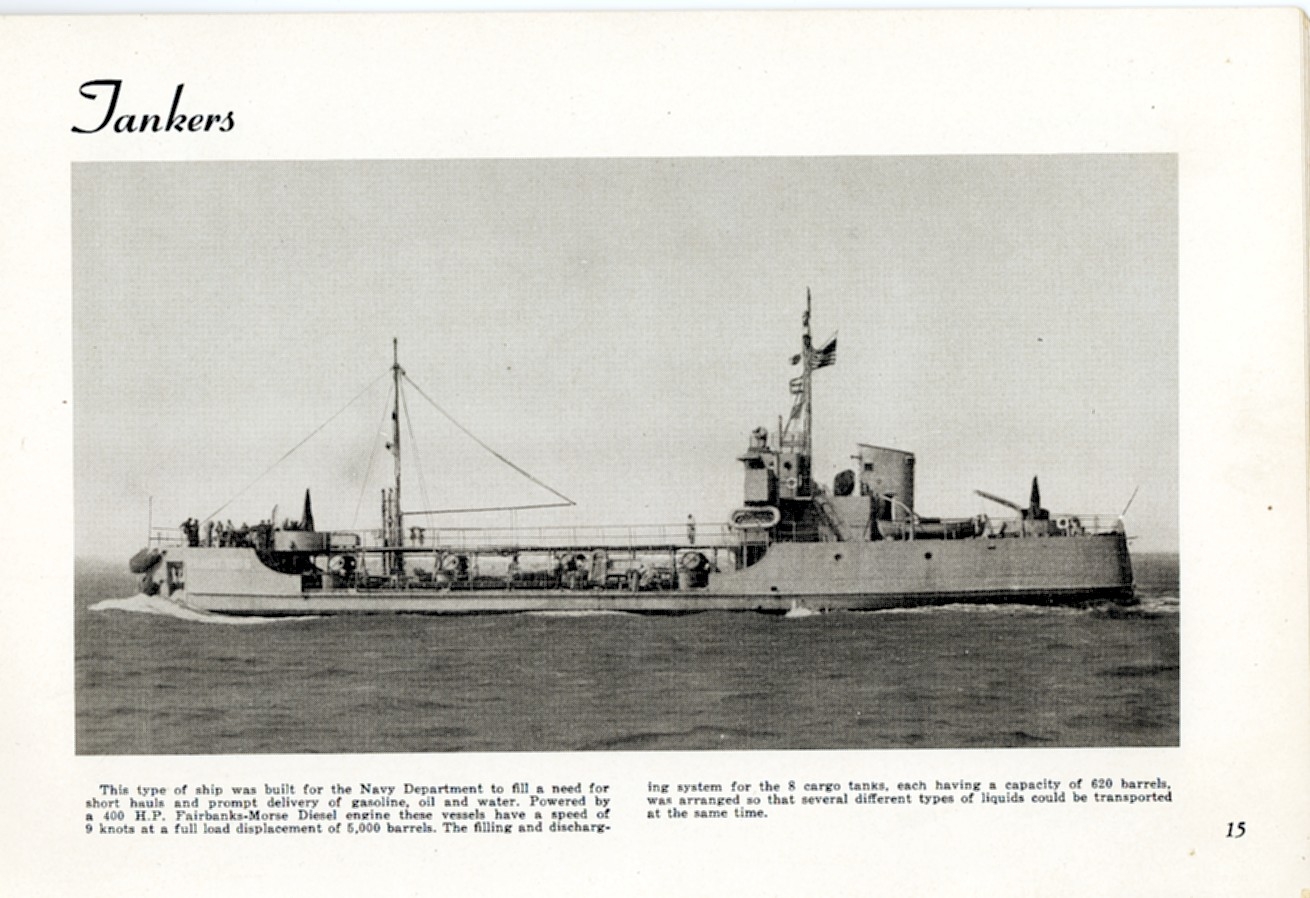
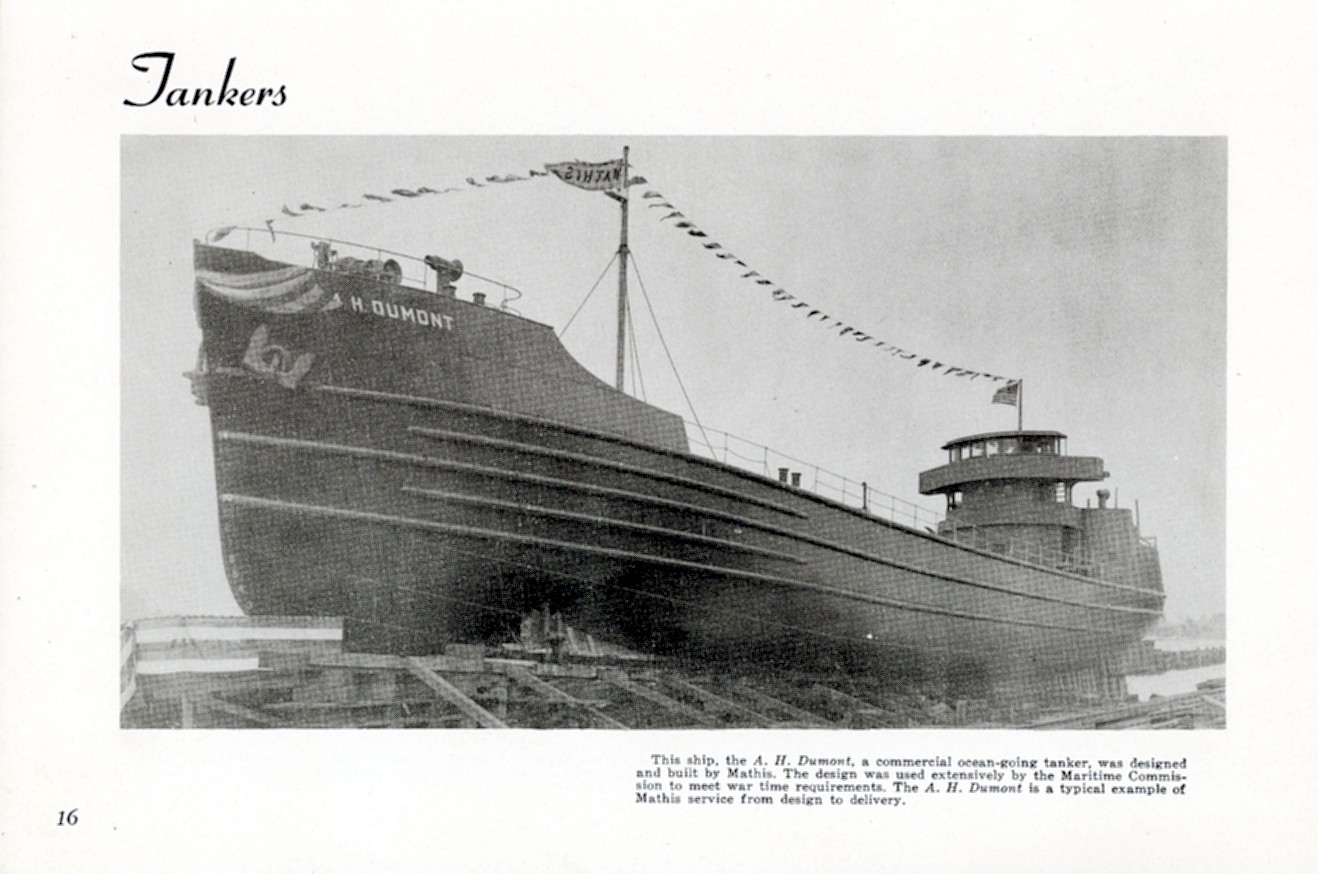
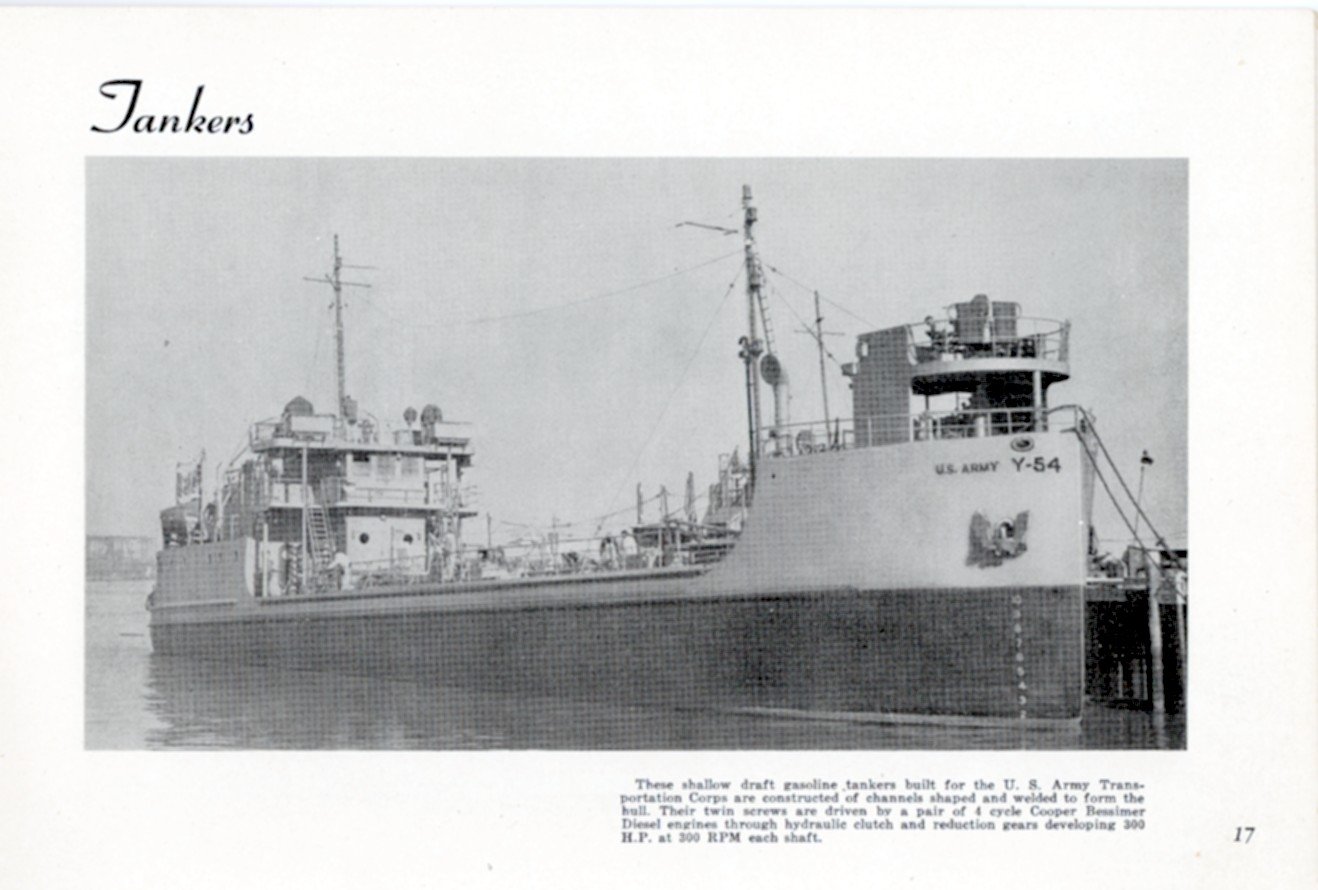
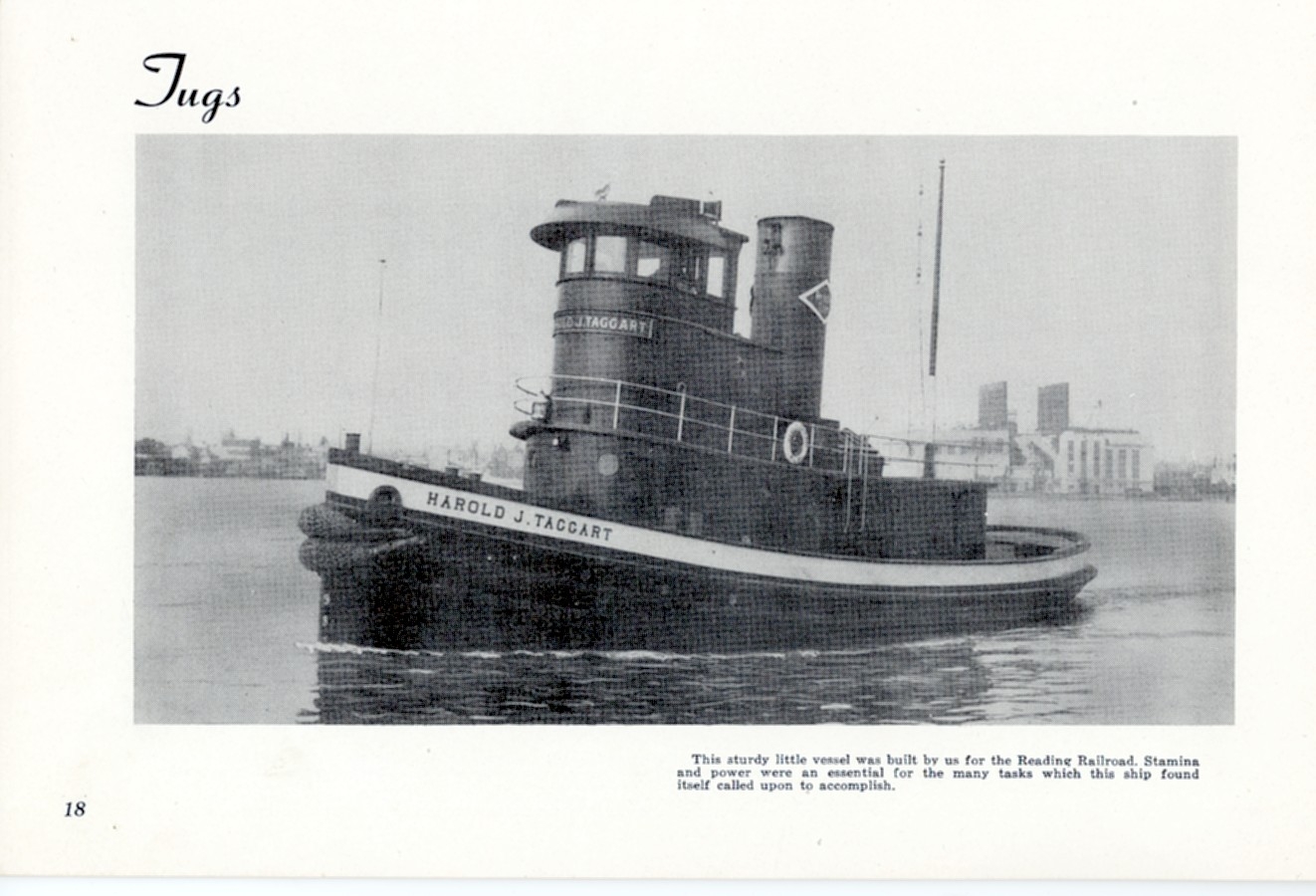
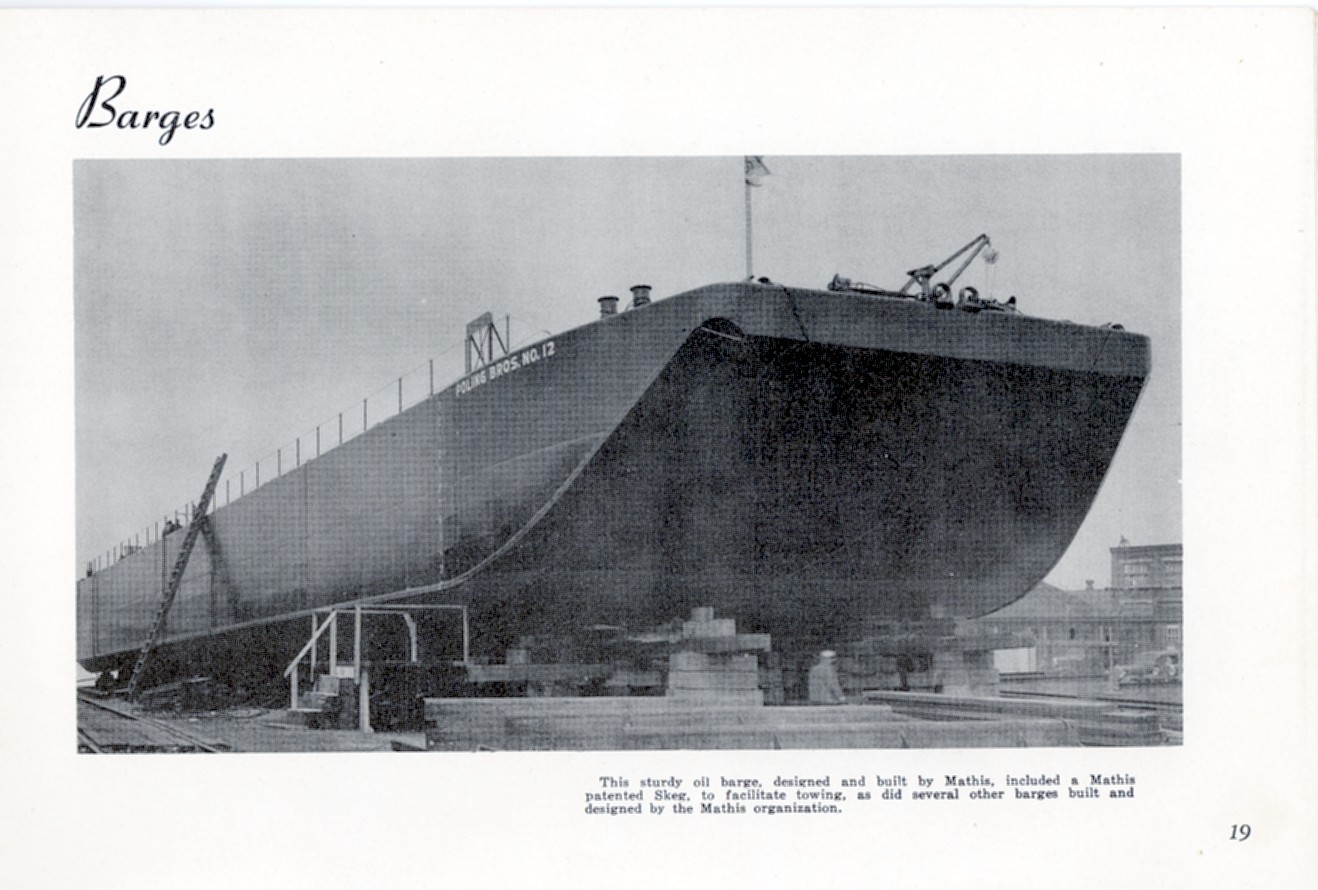
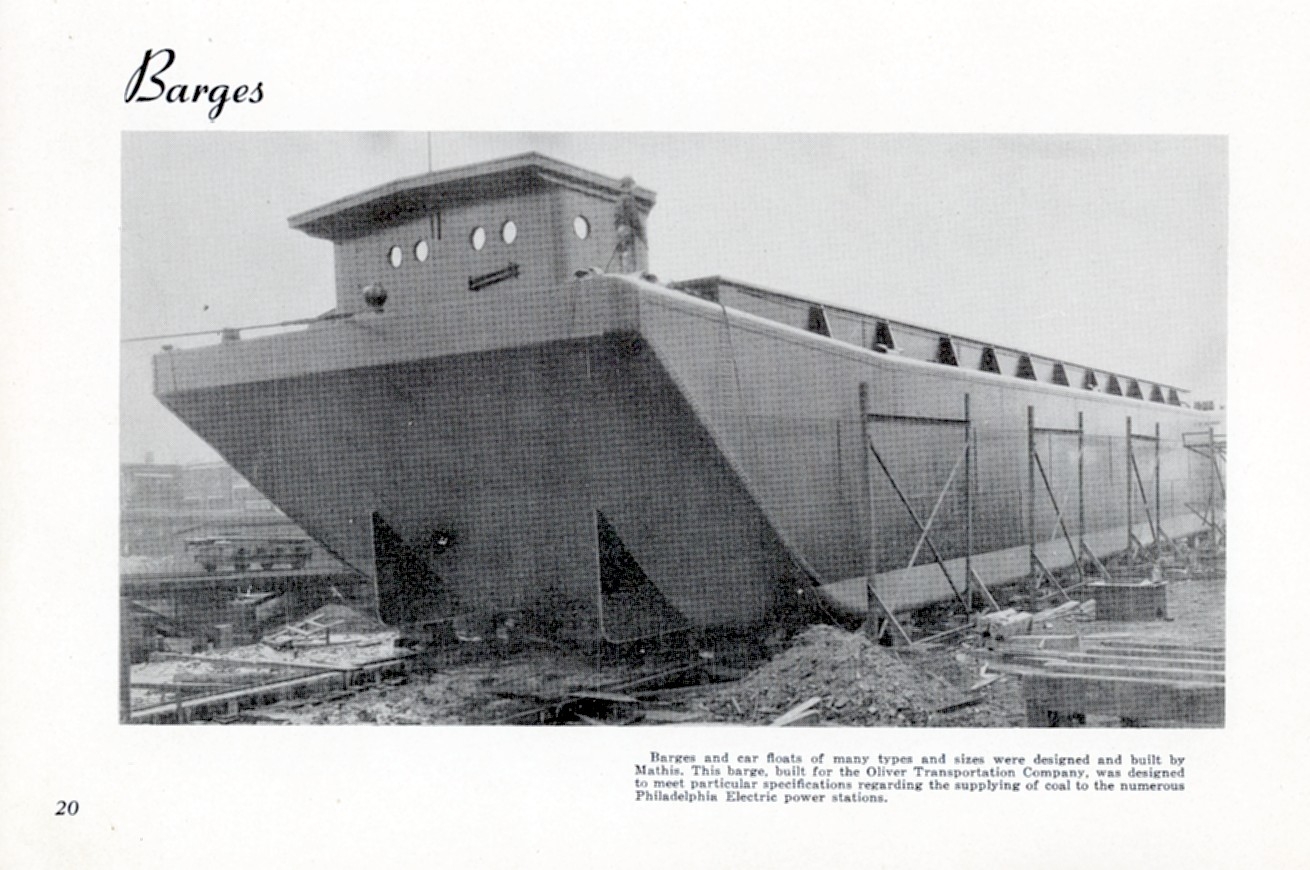
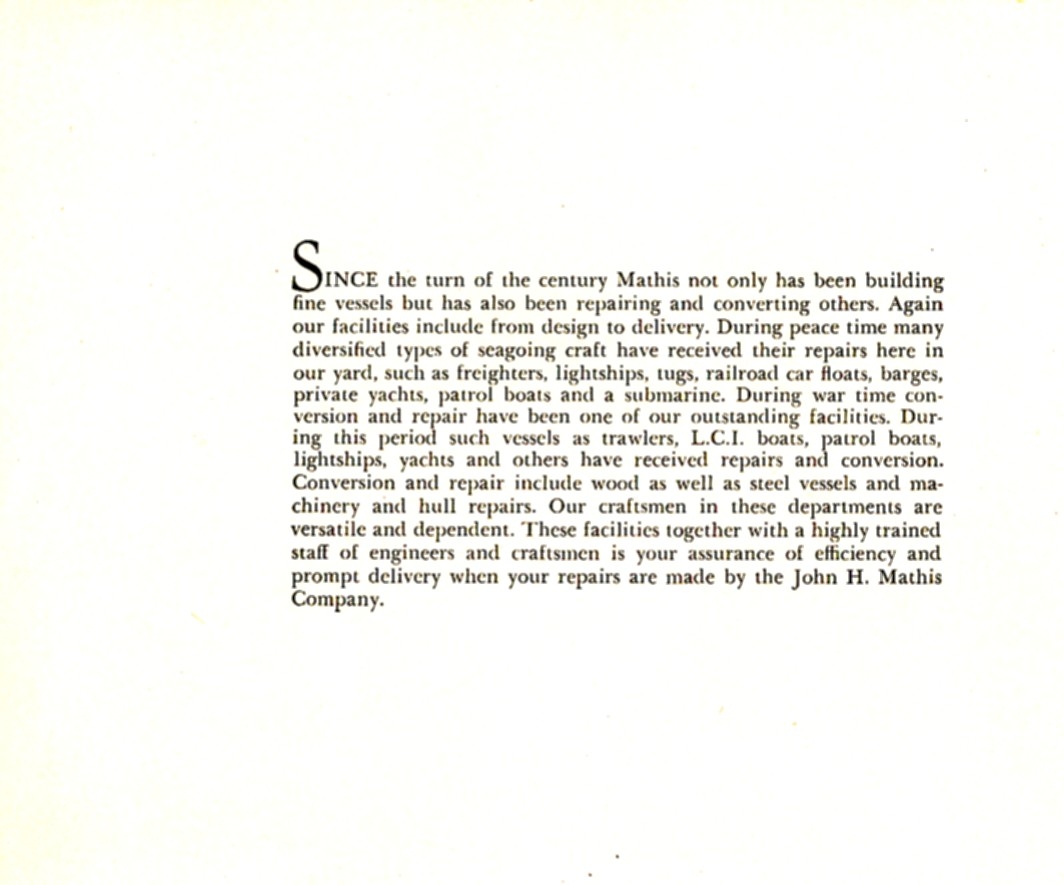
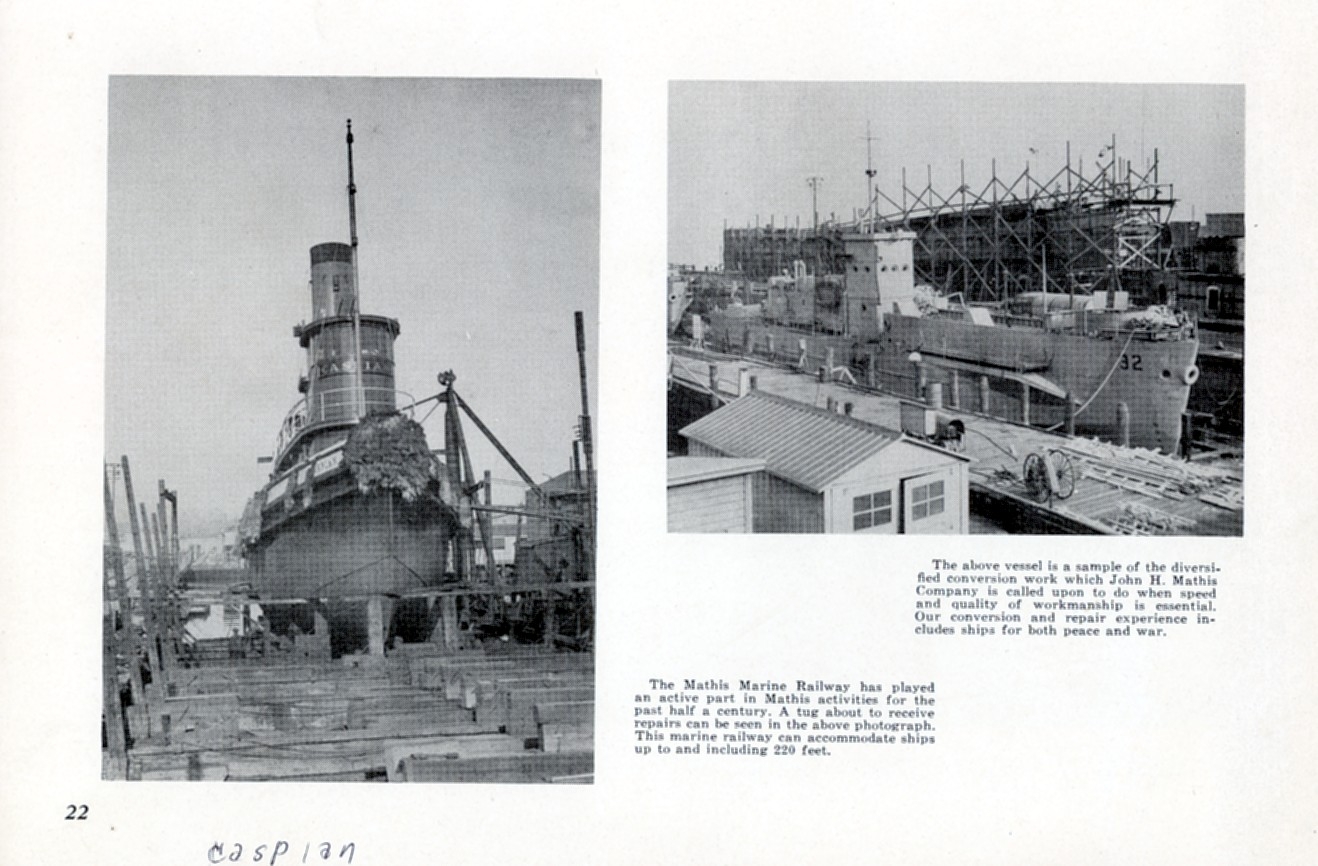
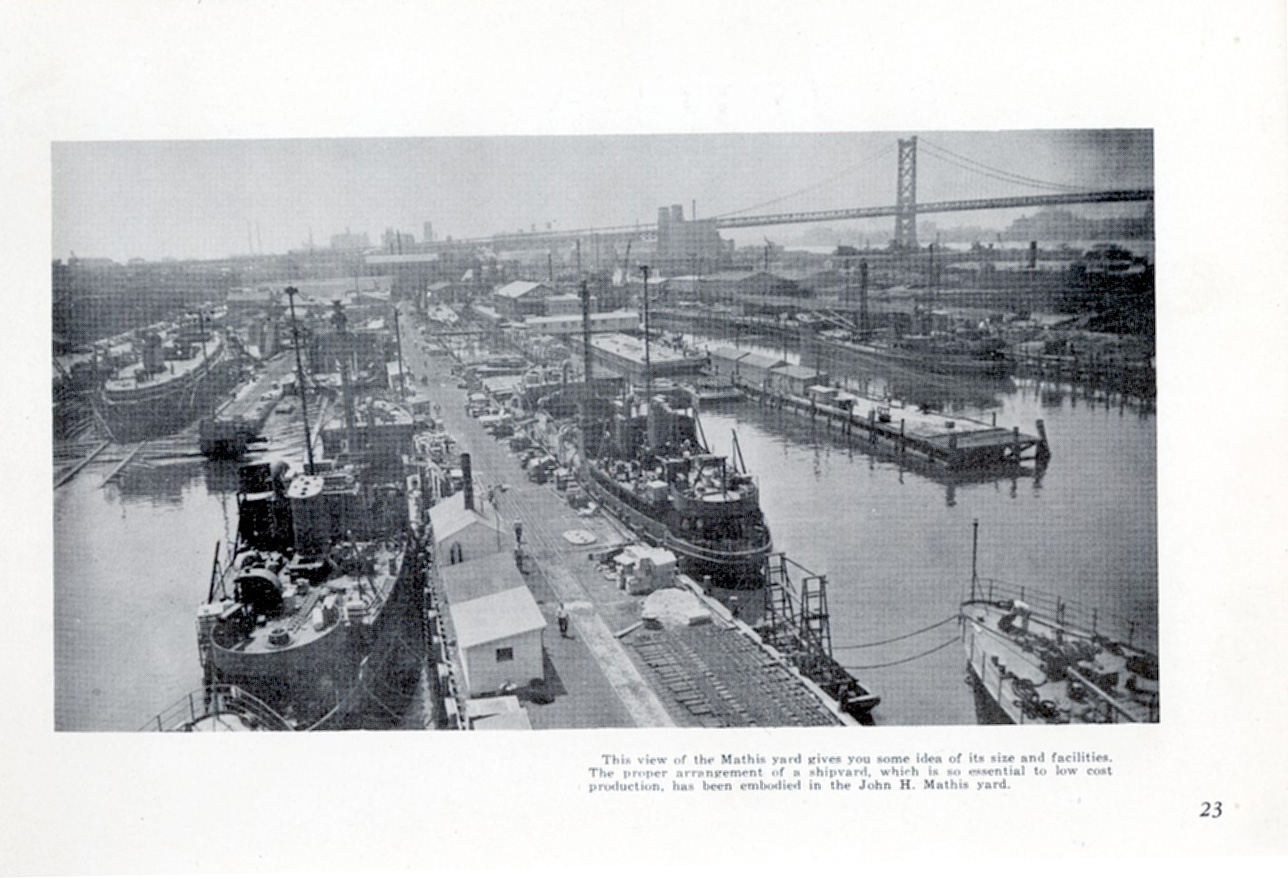
Photos of the John H. Mathis & Company Ship Yard on the Camden waterfront, including images from the 1931 South Jersey Port anniversary book.
North Camden & Cramer Hill — Late 1920s Aerial Views
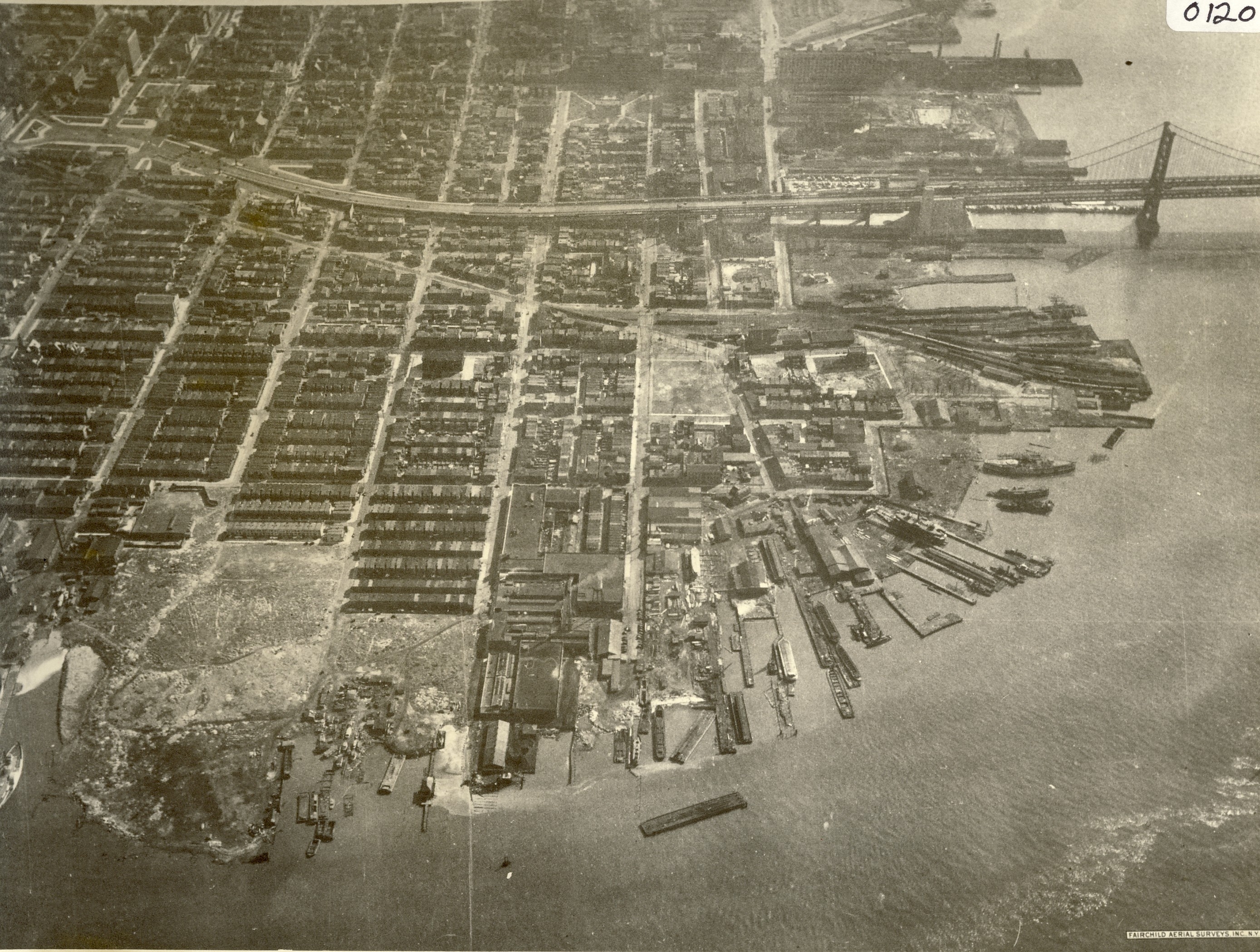
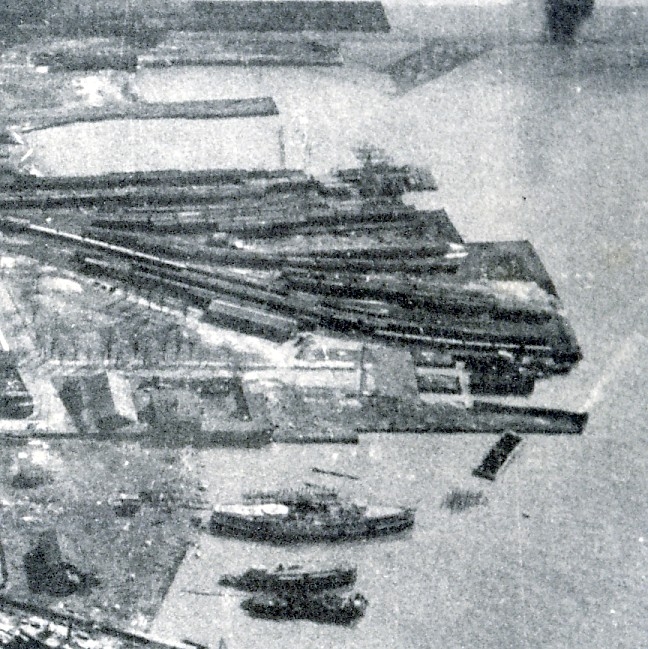
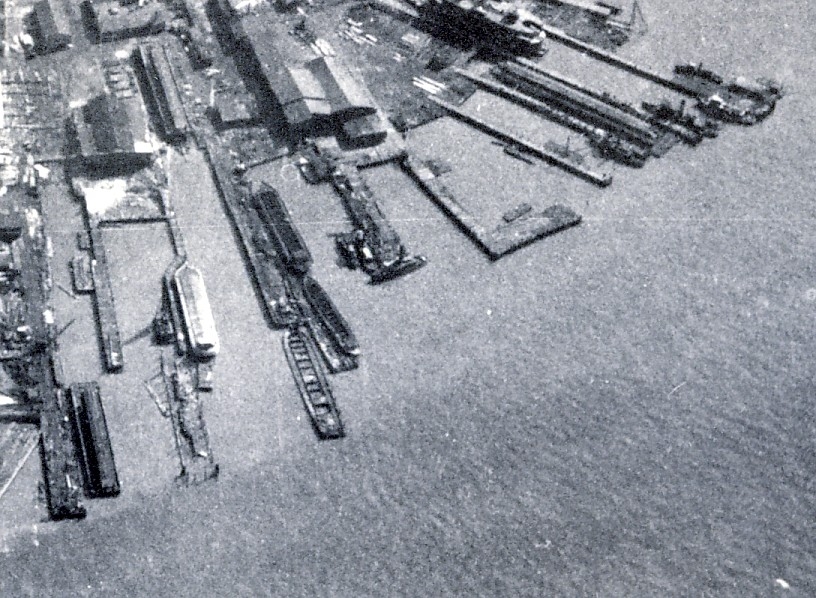
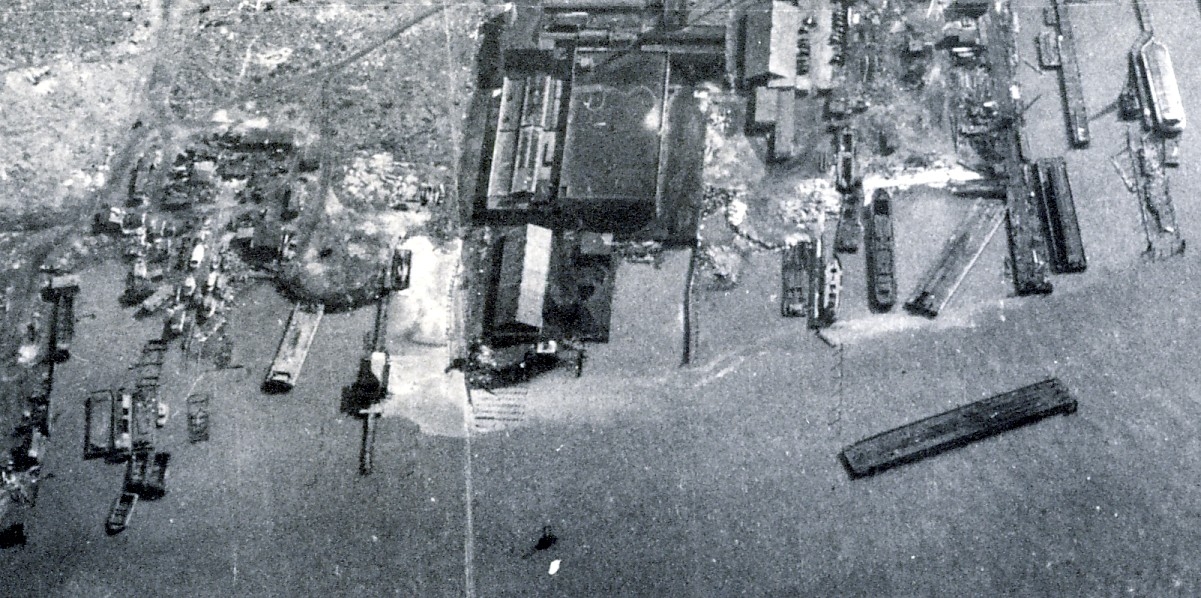
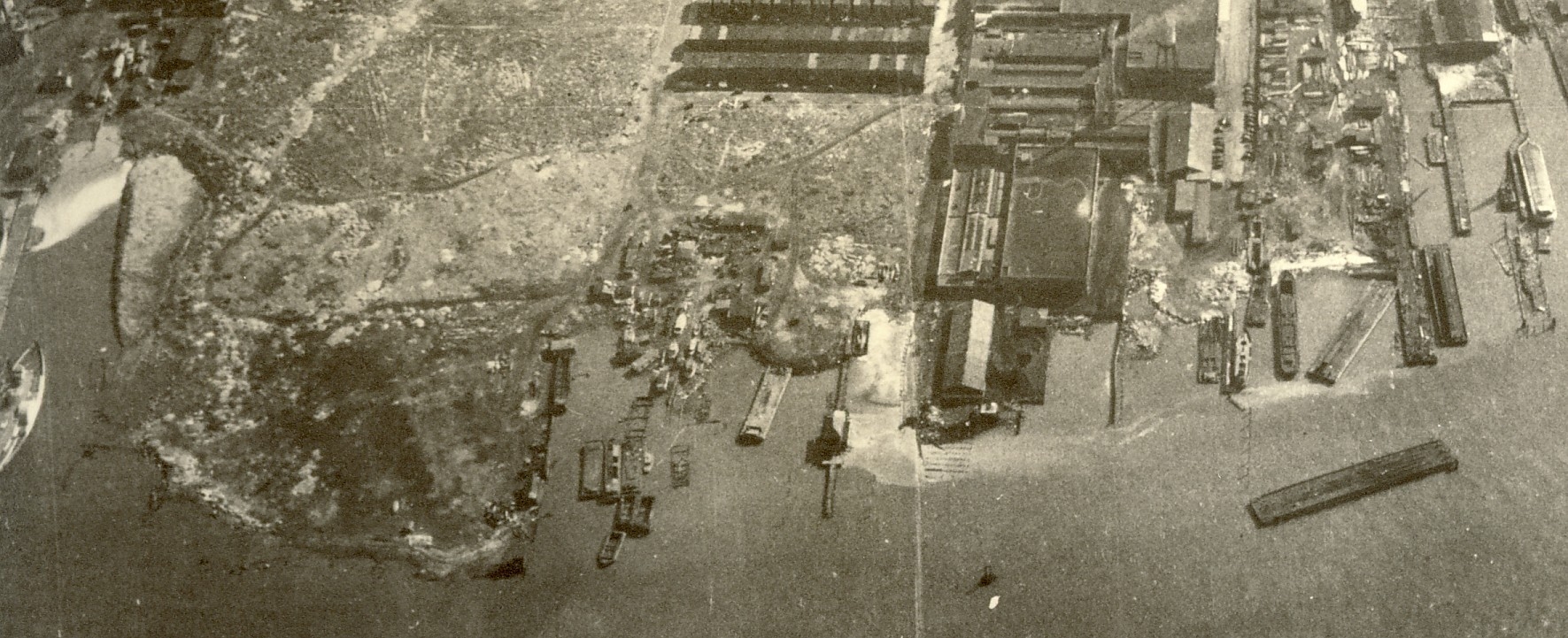
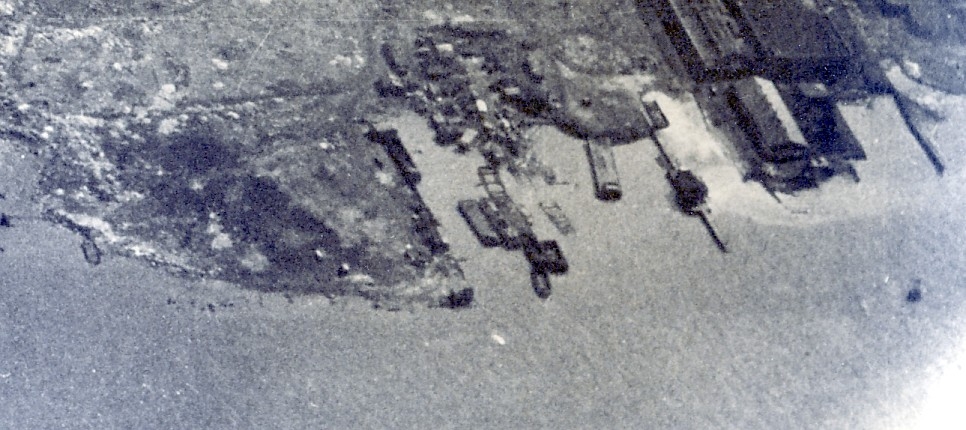
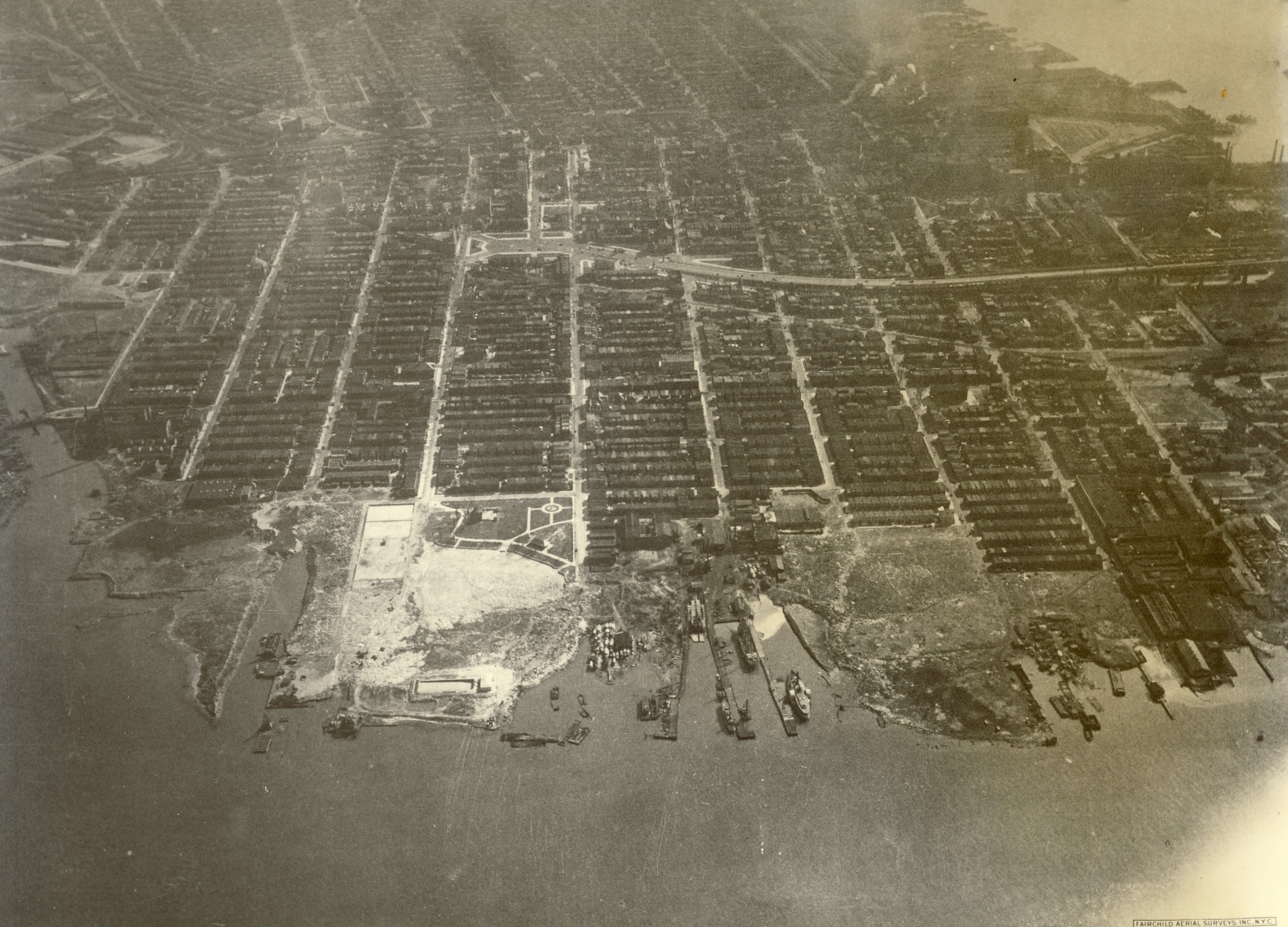
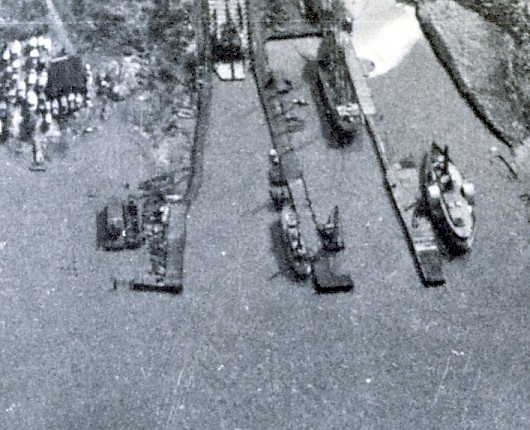
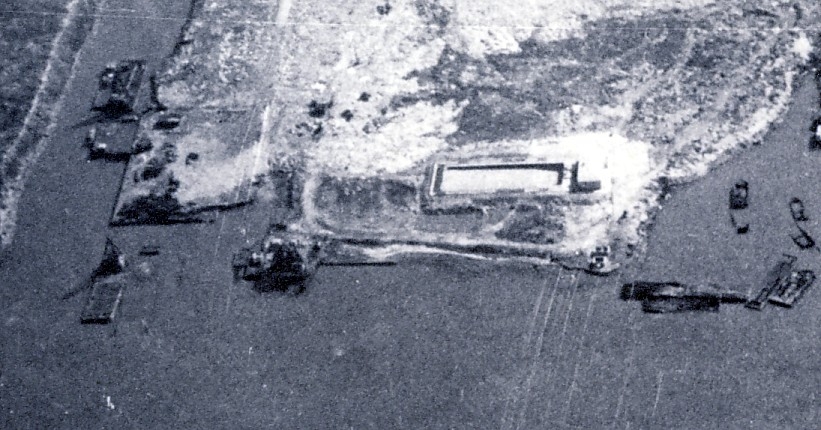
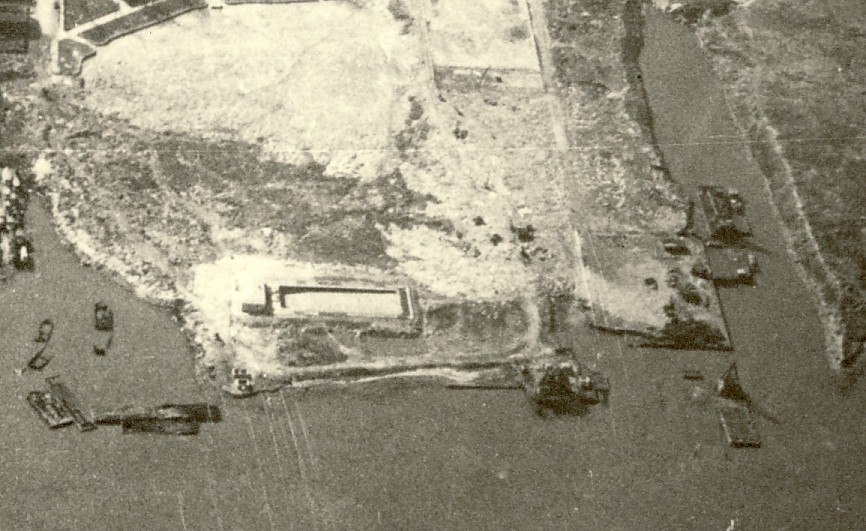
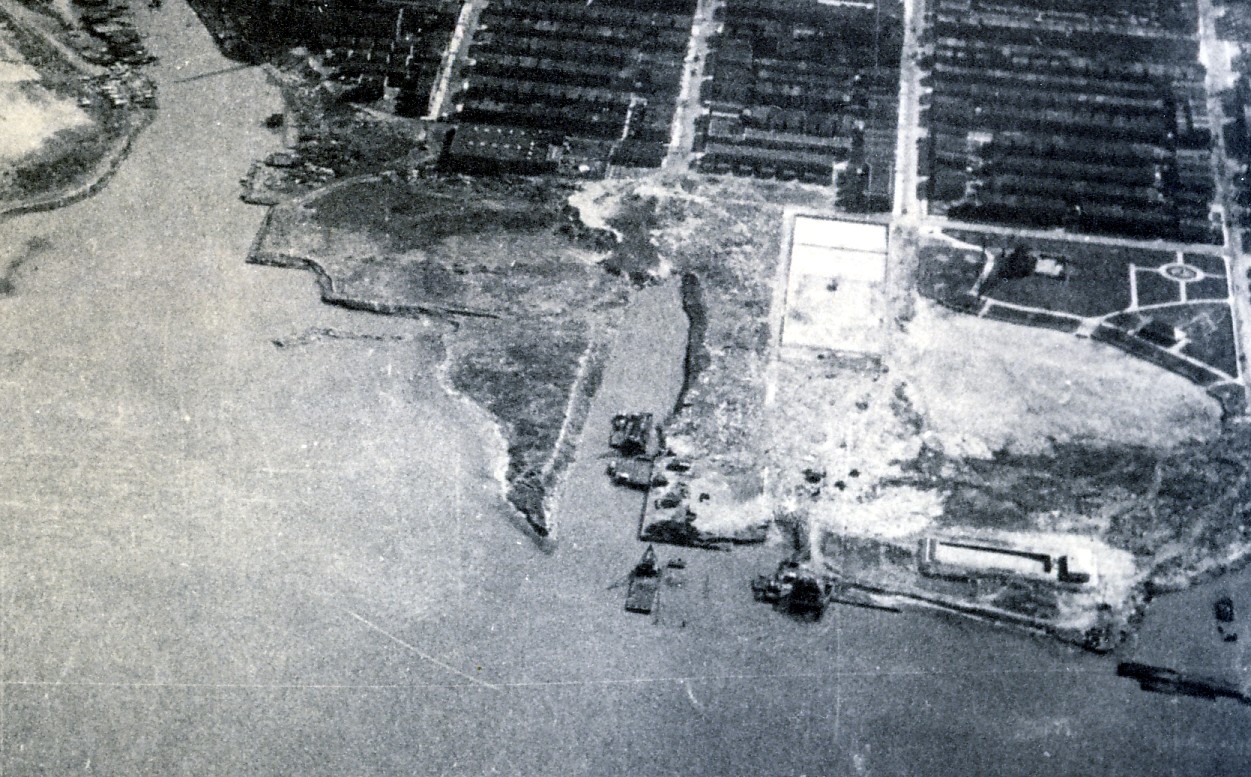
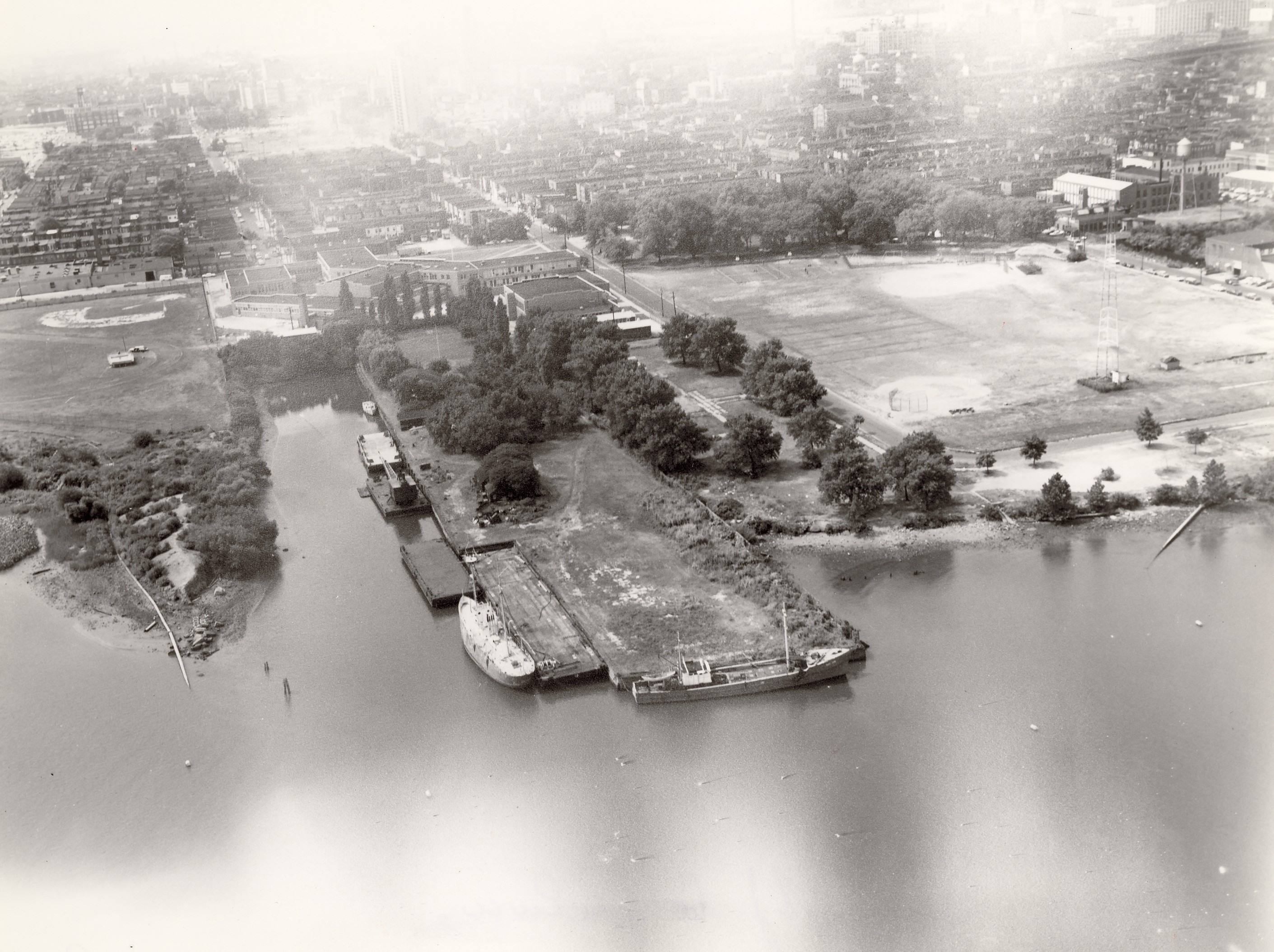
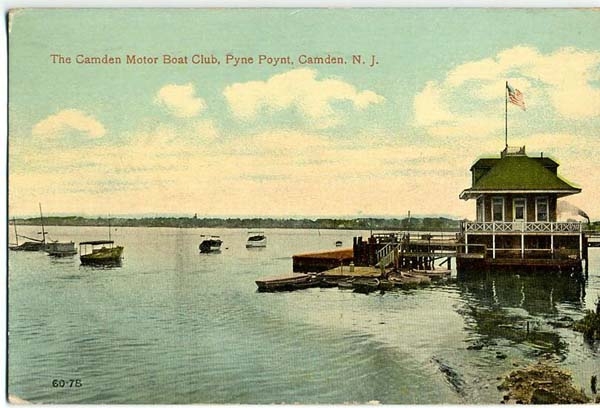
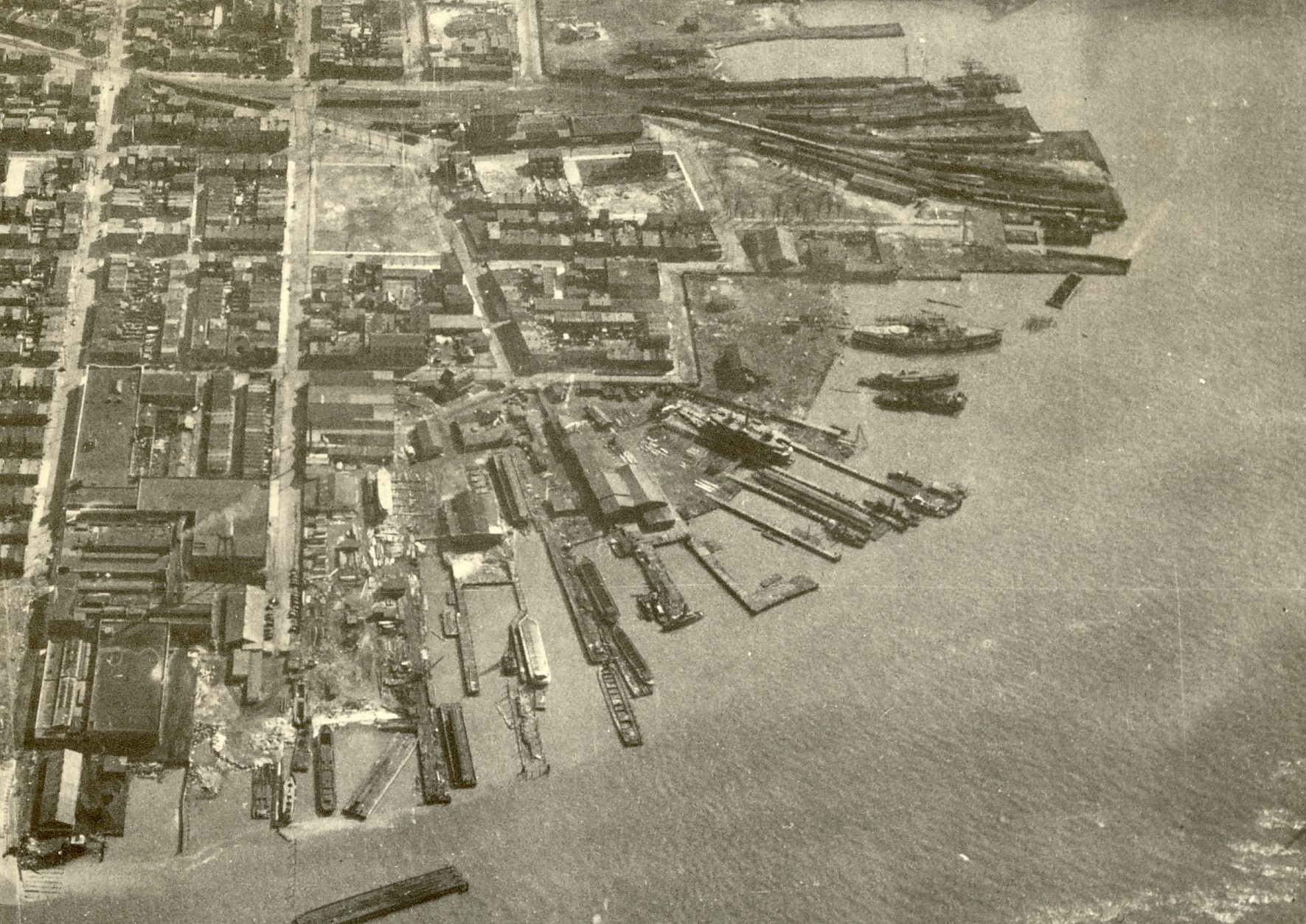
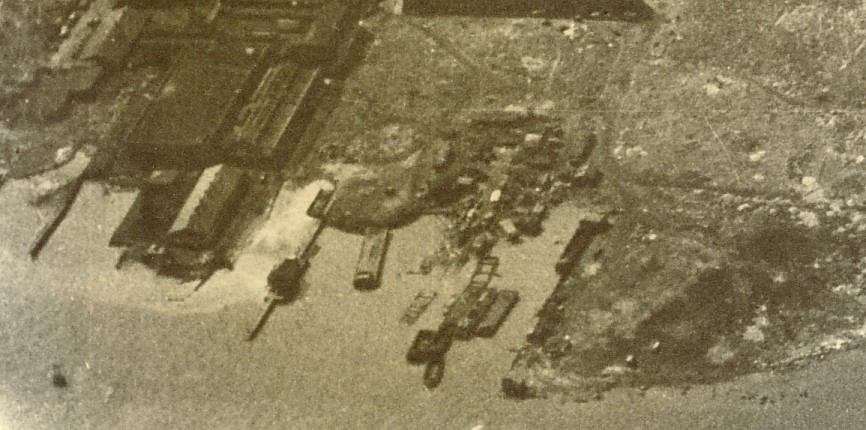
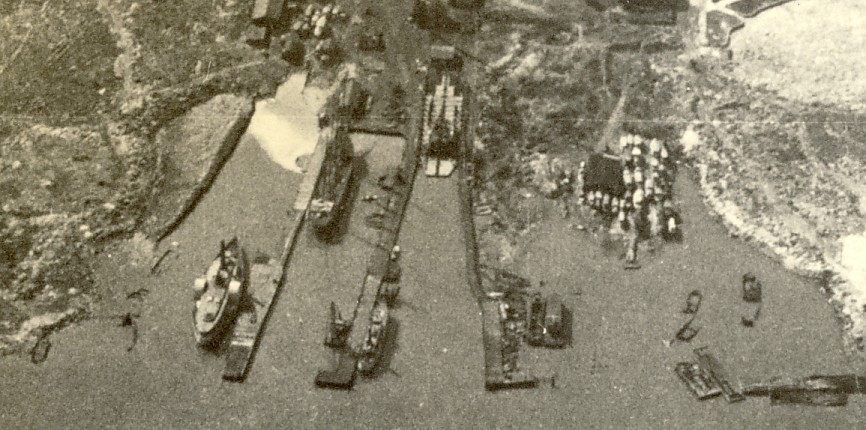
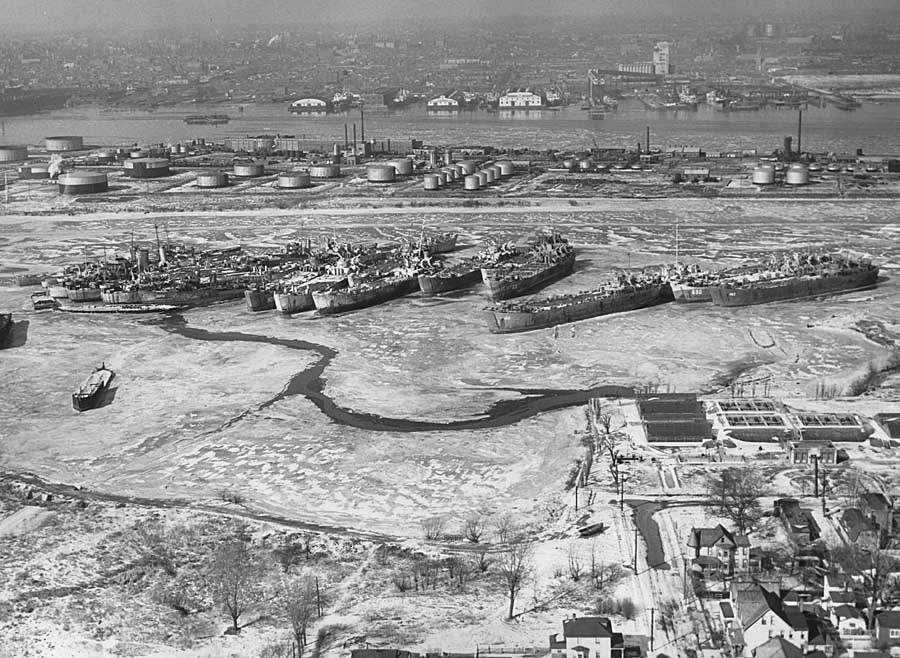
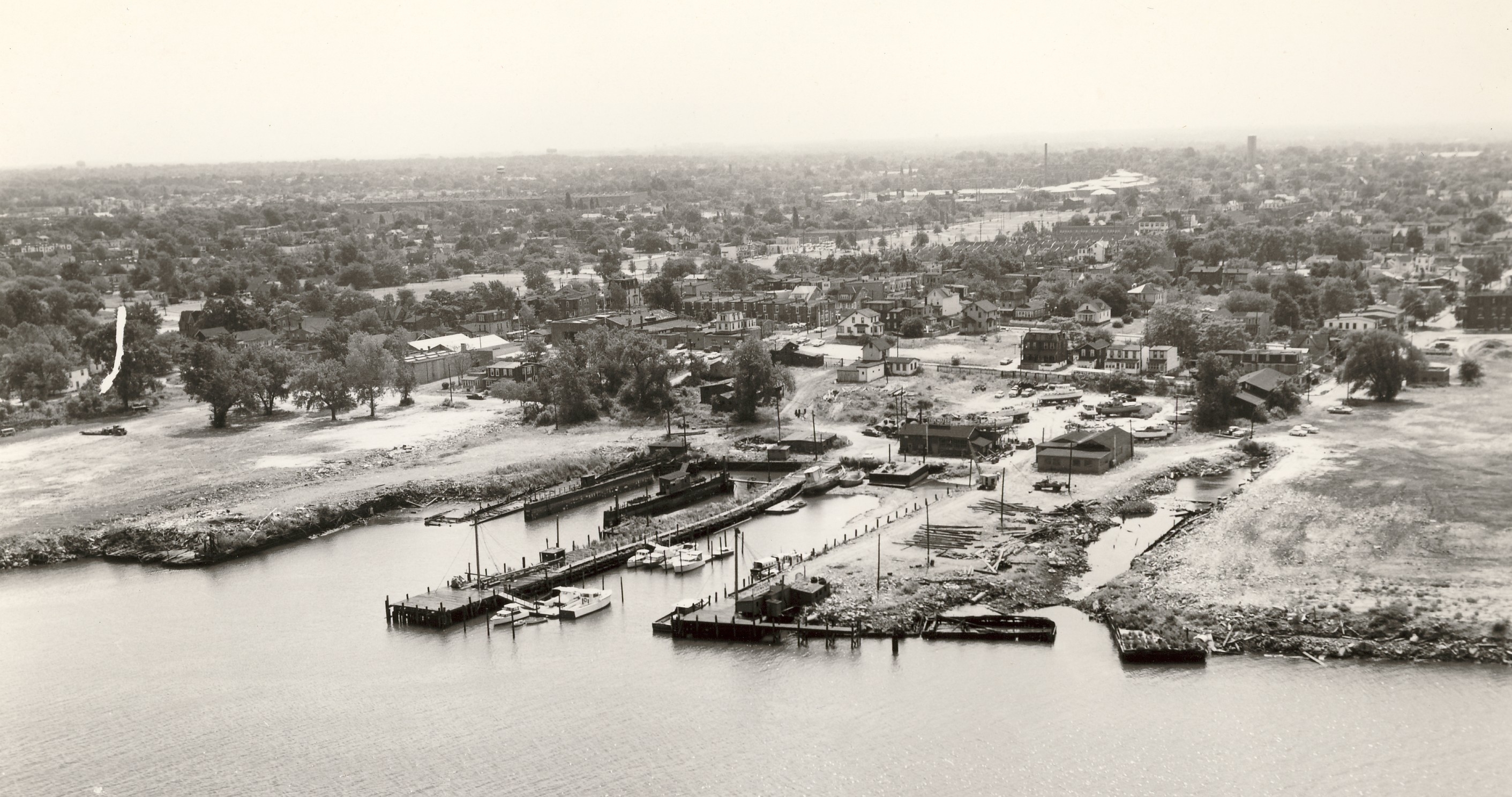
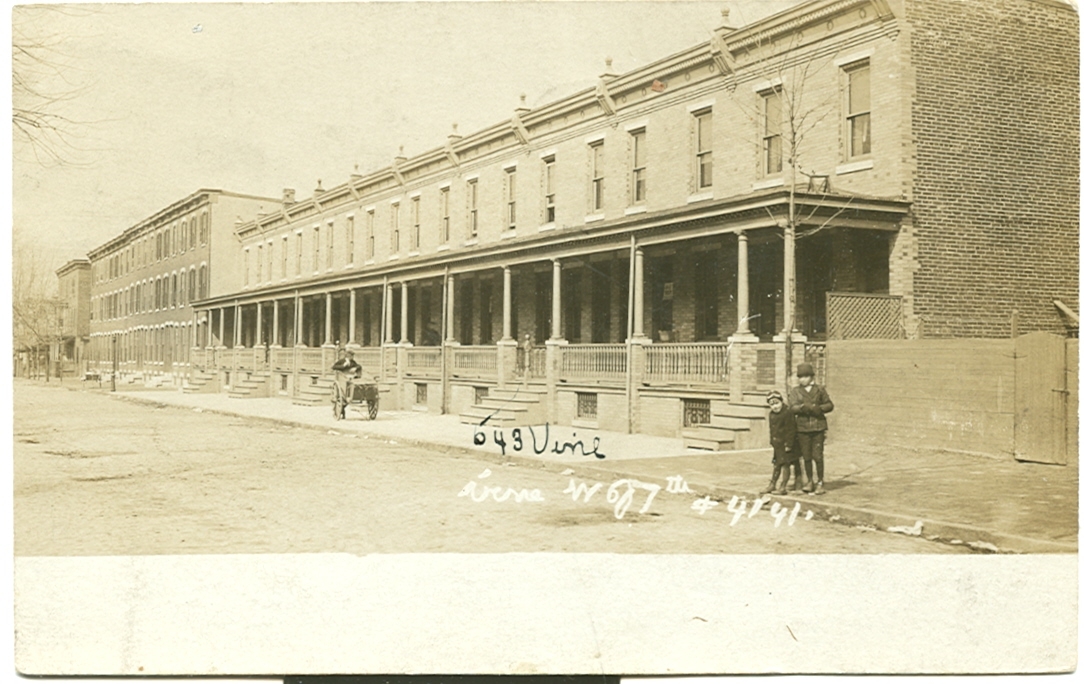
Aerial and ground-level views of North Camden and Cramer Hill in the late 1920s, showing the shipyards, piers, the former Vine Street Ferry terminal, and the Pyne Point waterfront.
Petty's Island
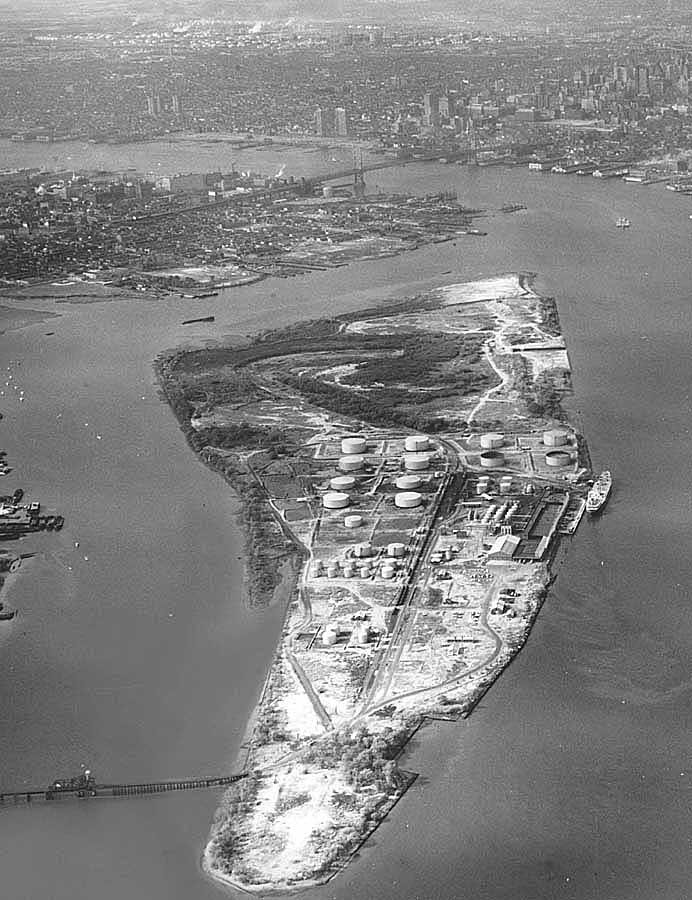
Petty's Island in the Delaware River adjacent to North Camden and Cramer Hill.
Piers & Ferries — Ships Photographed at Camden
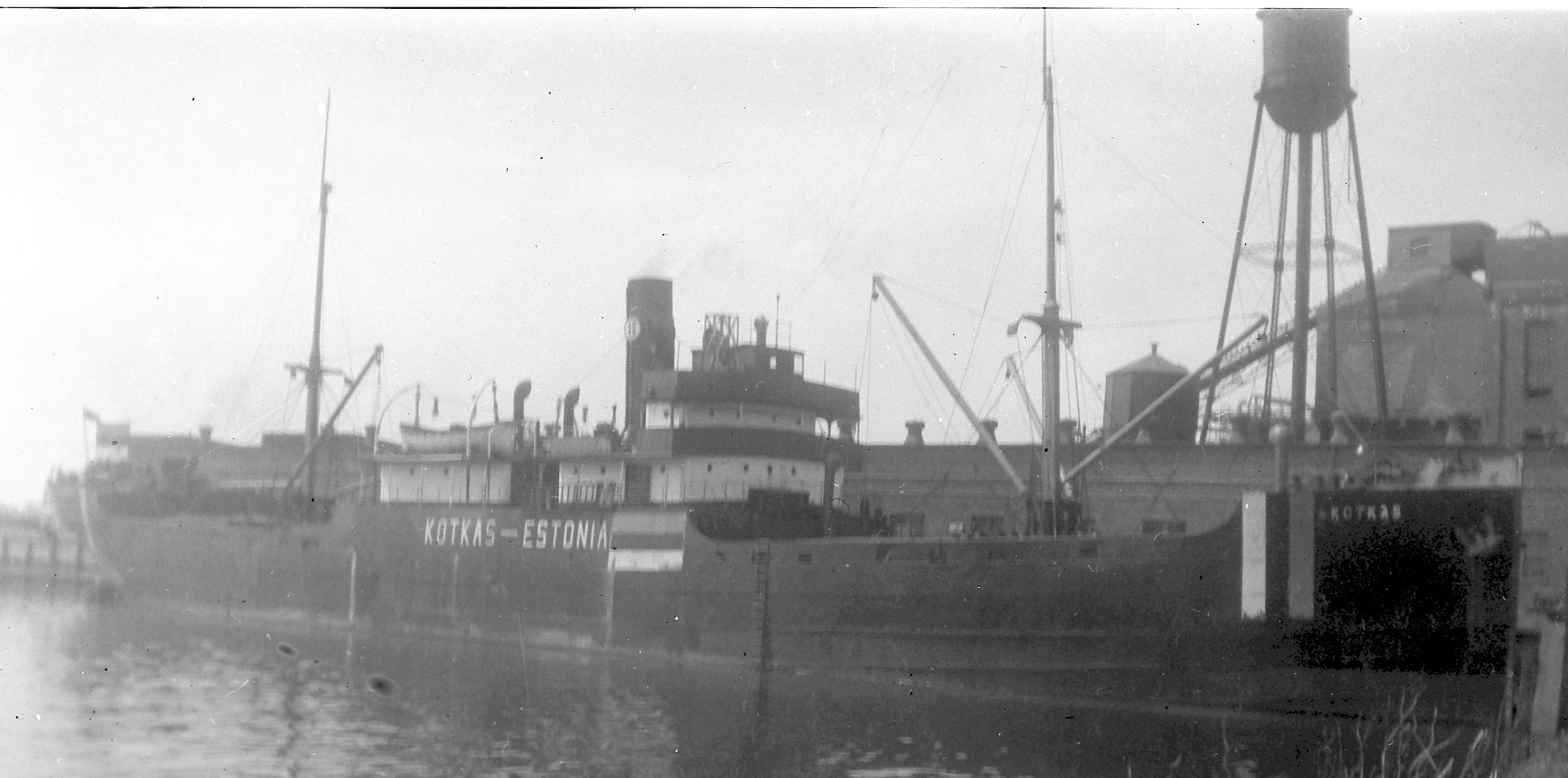
Estonian freighter KOTKAS, June 14, 1940. Built in 1919 as Norwegian War Timiskaming, then became French Oise 1919, Estonian Kotkas 1929, Panamanian Farida 1941, Panamanian Nidaros 1946, Norwegian Nidaros 1946, Chinese Kien Yuan 1948. Her fate: “sunk, January 27, 1949, in collision with str. Tai Ping, both vessels sinking, off Wenchow, in position 30 degrees 37N x 112 degrees 25E. Vessel bound from Keelung for Shanghai with coal.”
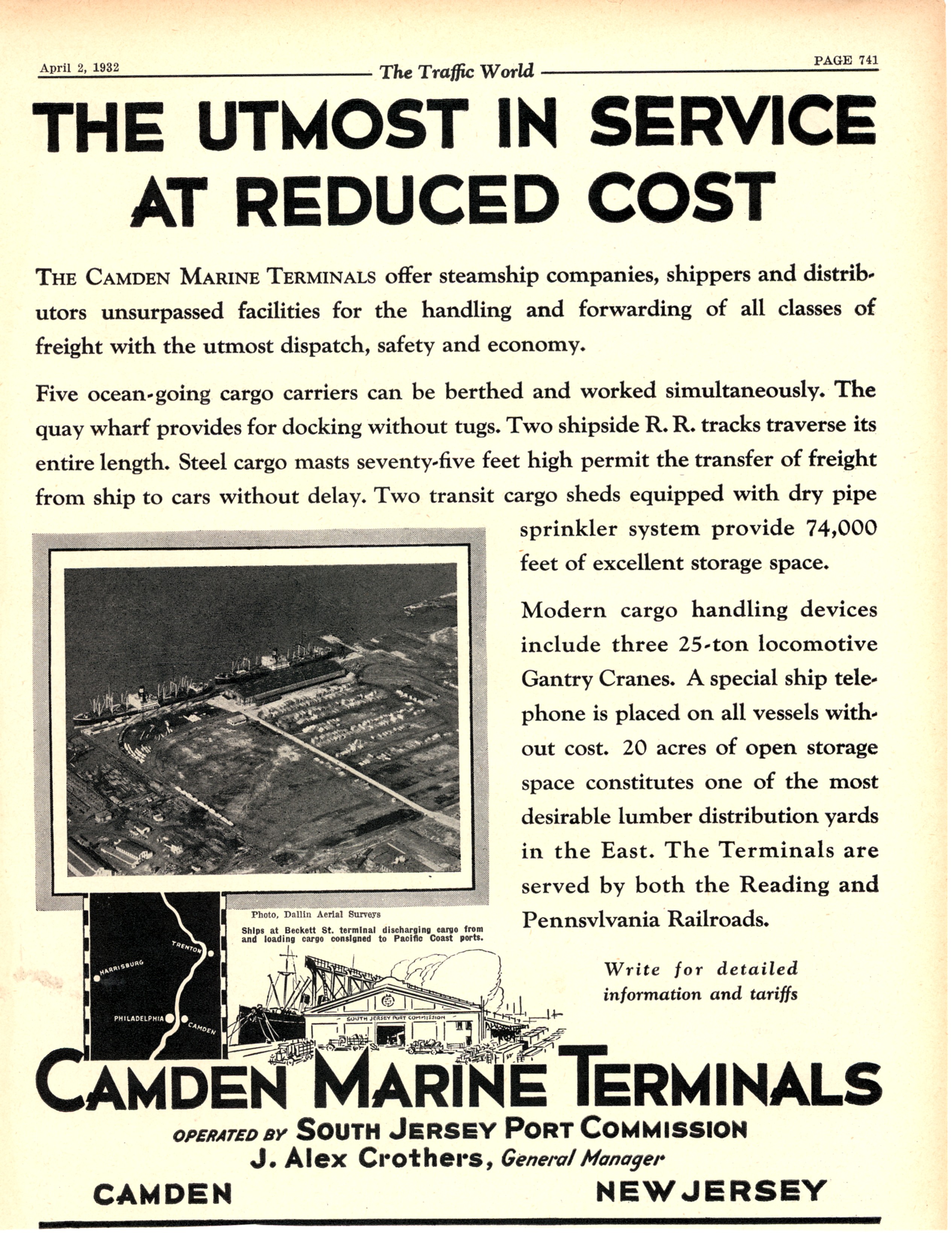
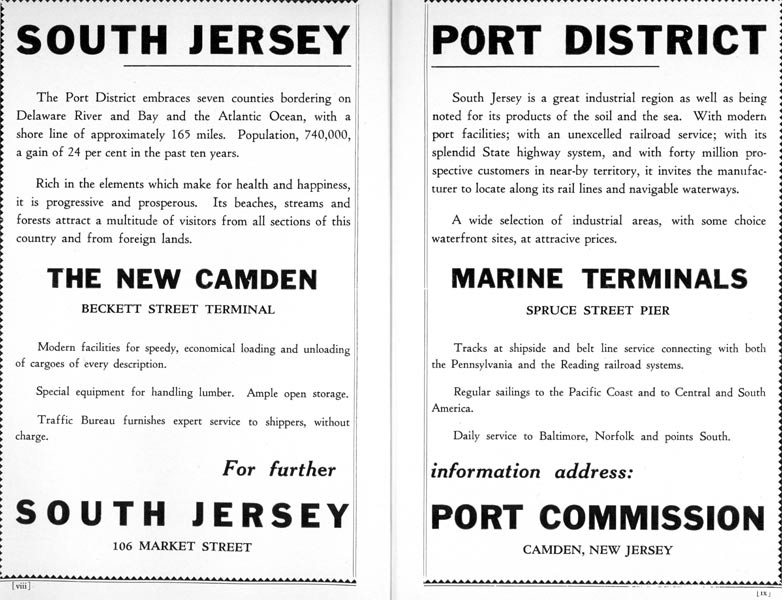
Camden Marine Terminal advertisement in The Traffic World, April 2, 1932.
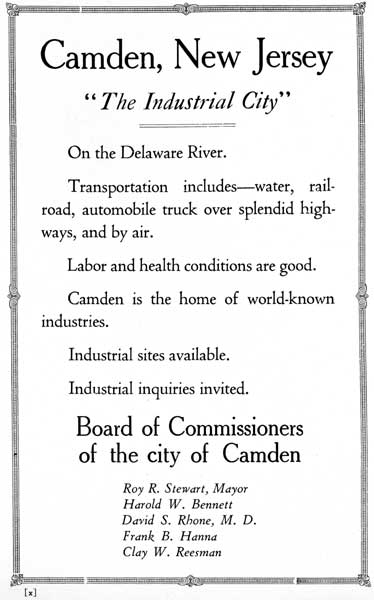
City of Camden advertising its Port District, 1931. Officers pictured include Roy R. Stewart, Harold W. Bennett, Dr. David S. Rhone, Frank B. Hanna, and Clay W. Reesman.
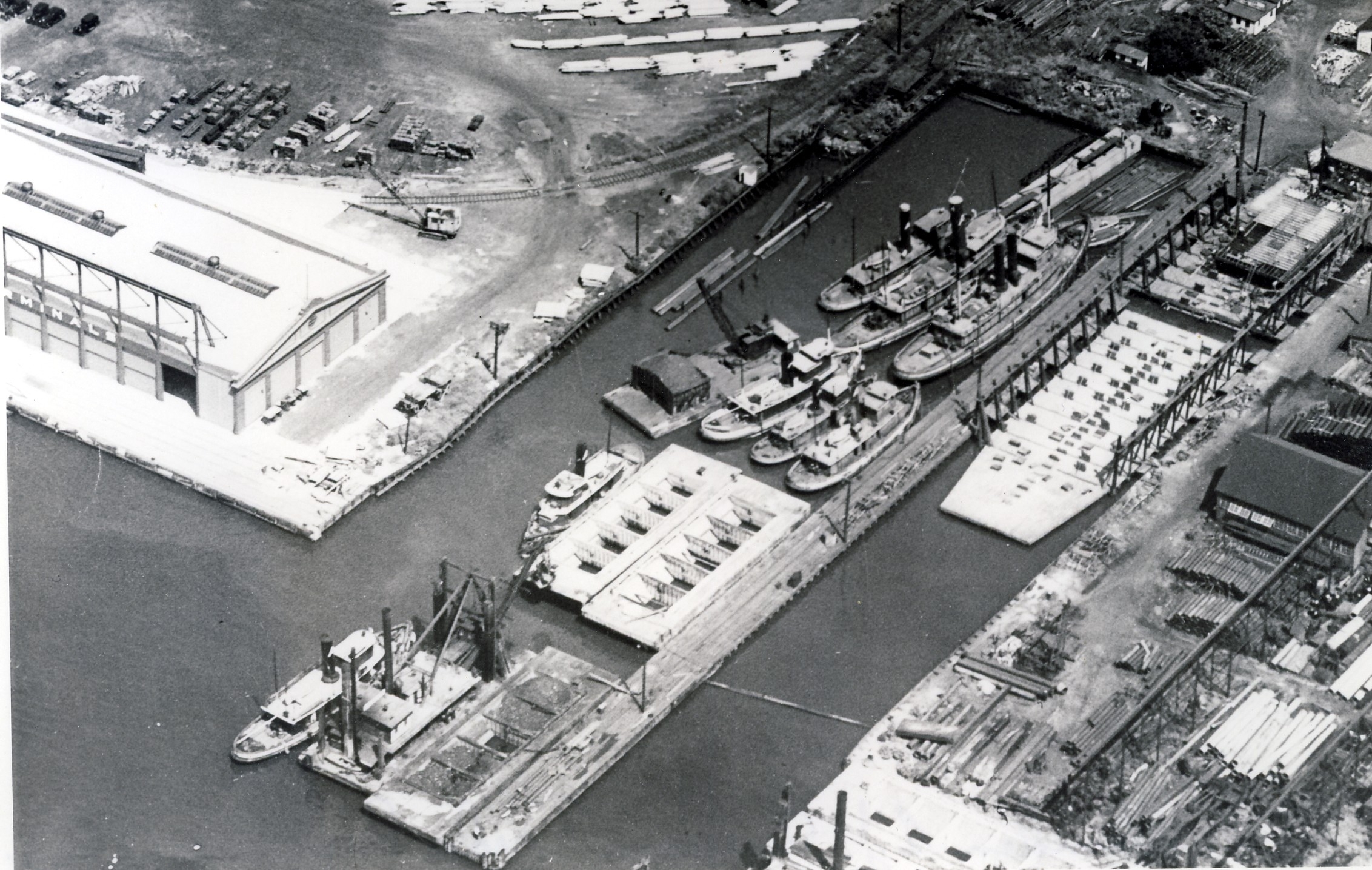
American Dredging Company at the foot of Division Street, 1930s.
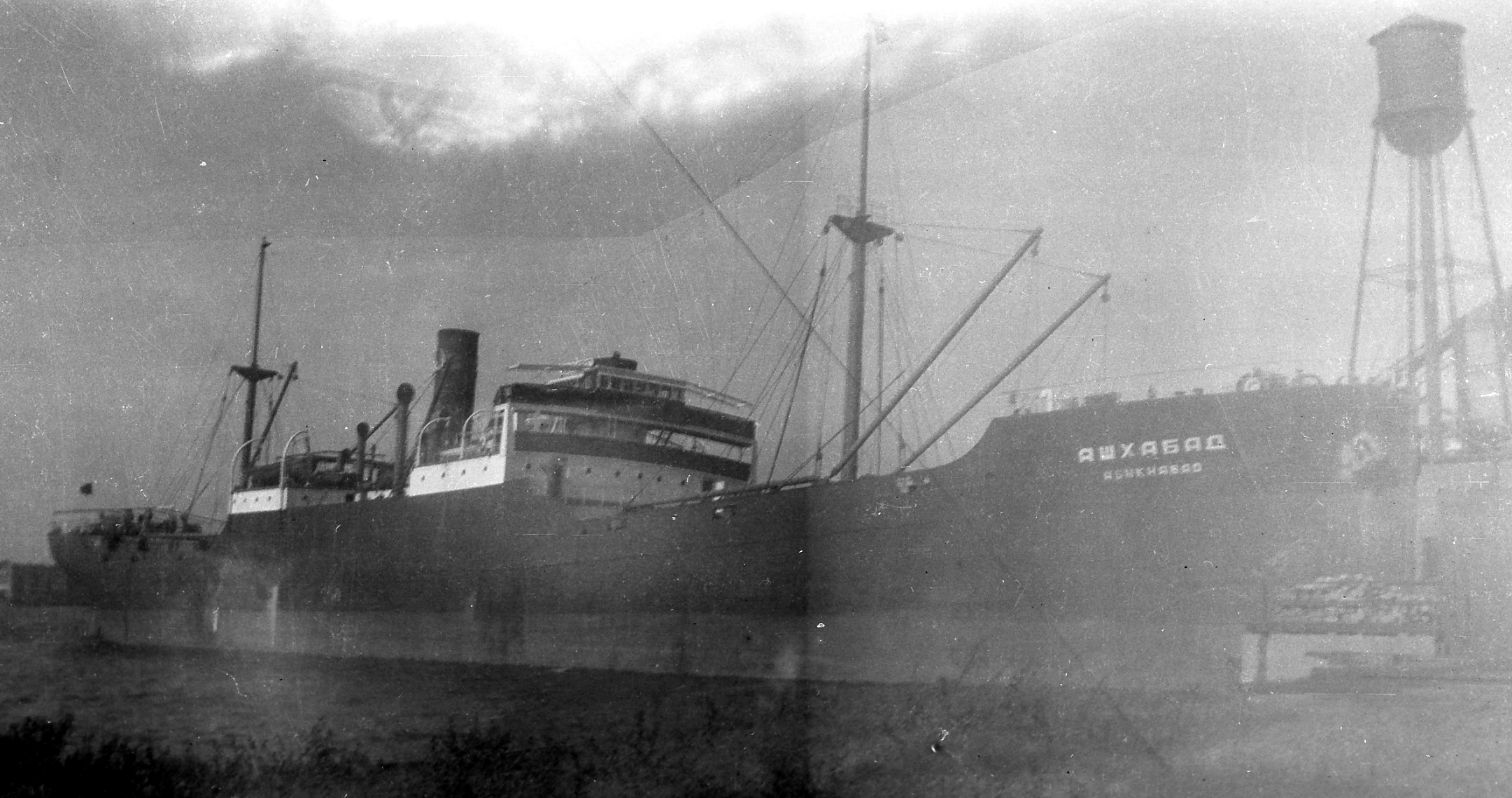
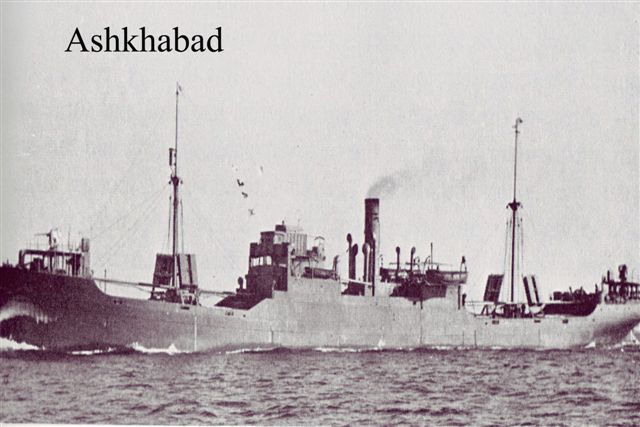
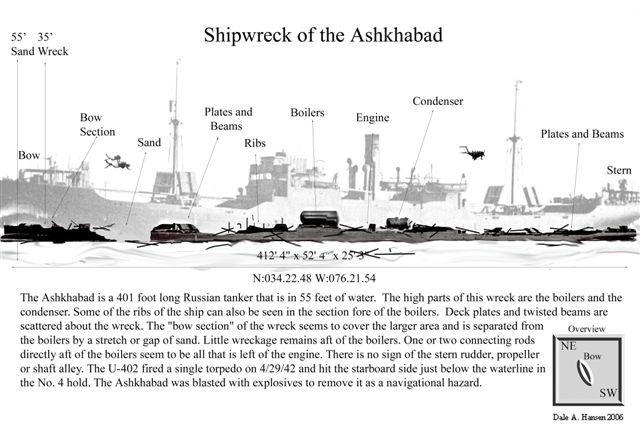
ASHKHABAD in Camden, October 25, 1933. A Russian freighter converted into a tanker, the Ashkhabad was torpedoed off the coast of North Carolina by U-402. The Ashkhabad had several previous names: Dneprostroi, Kutais, Mistley Hall, Aldersgate, Milazzo, and War Hostage. She was originally constructed as a freighter but was converted to a tanker to carry fuel oil. The ship had a crew of 47, three of which were women.
On April 26, 1942, the Ashkhabad left New York on her way to Cuba. On April 29 at 9:50 p.m., the HMS Lady Elsa spotted a U-Boat 500 yards off the starboard side. A torpedo hit the starboard side below the waterline in the No. 4 hold. Captain Alexy Pavlovitch ordered the crew to abandon ship; the HMS Lady Elsa picked up all hands and took them to Morehead City.
The next day British salvagers briefly “salvaged” navigational equipment and clothes before being confronted by the returning Russian crew. On May 3, 1942, the USS Semmes determined the Ashkhabad was abandoned and a navigational hazard, and fired three rounds at her. The HMS St. Zeno fired a shot as well. When the Navy tug Relief arrived to tow her, the ship was already a total loss. In 1943 and 1944 the Ashkhabad was blasted with explosives because it was a navigational hazard; she now lies in 55 feet of water about 22 miles southeast of Beaufort Inlet. U-402 was sunk October 13, 1943 in the mid-North Atlantic by aircraft from the escort carrier USS Card. 50 dead (all hands lost).
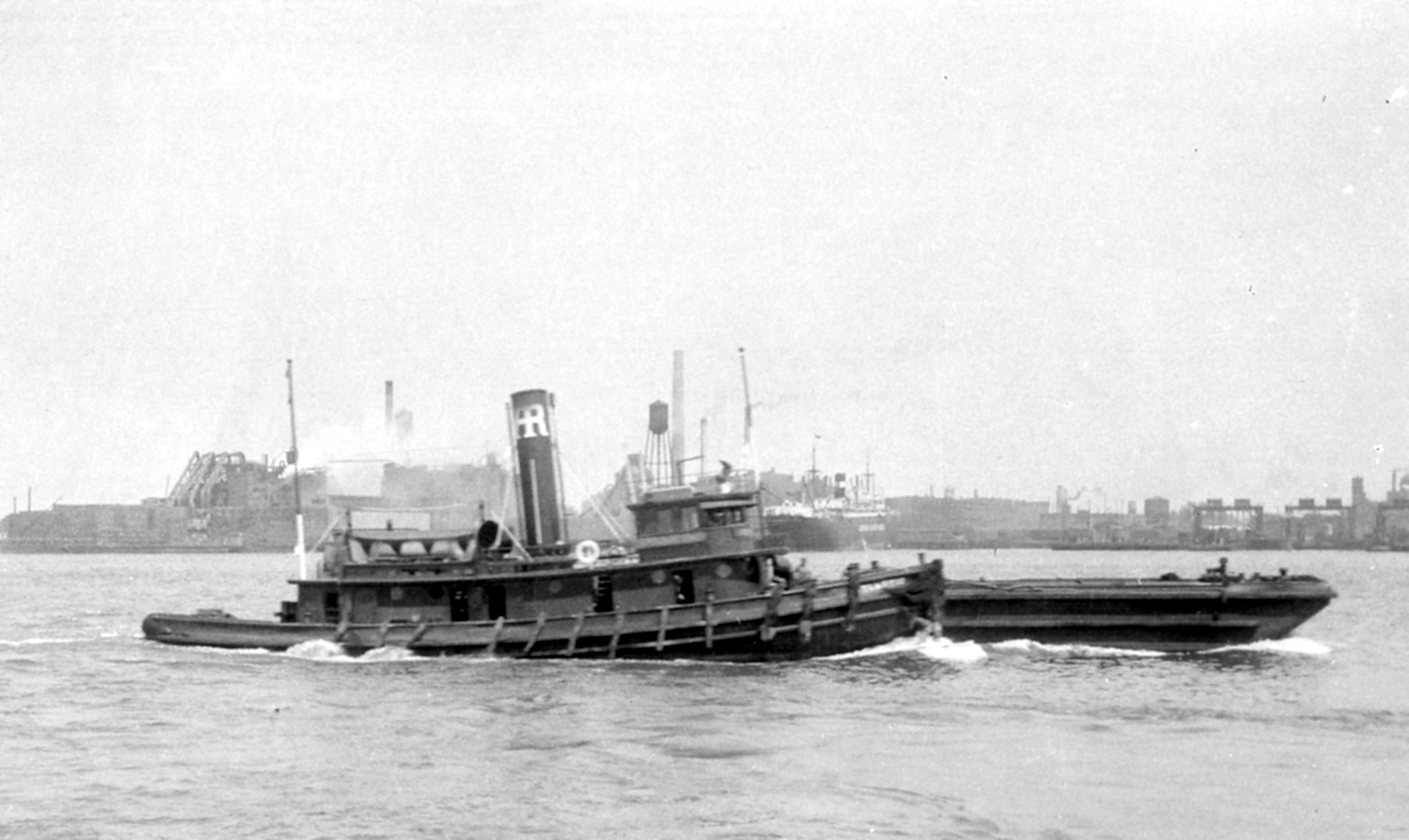
ATLANTIC, May 13, 1934.
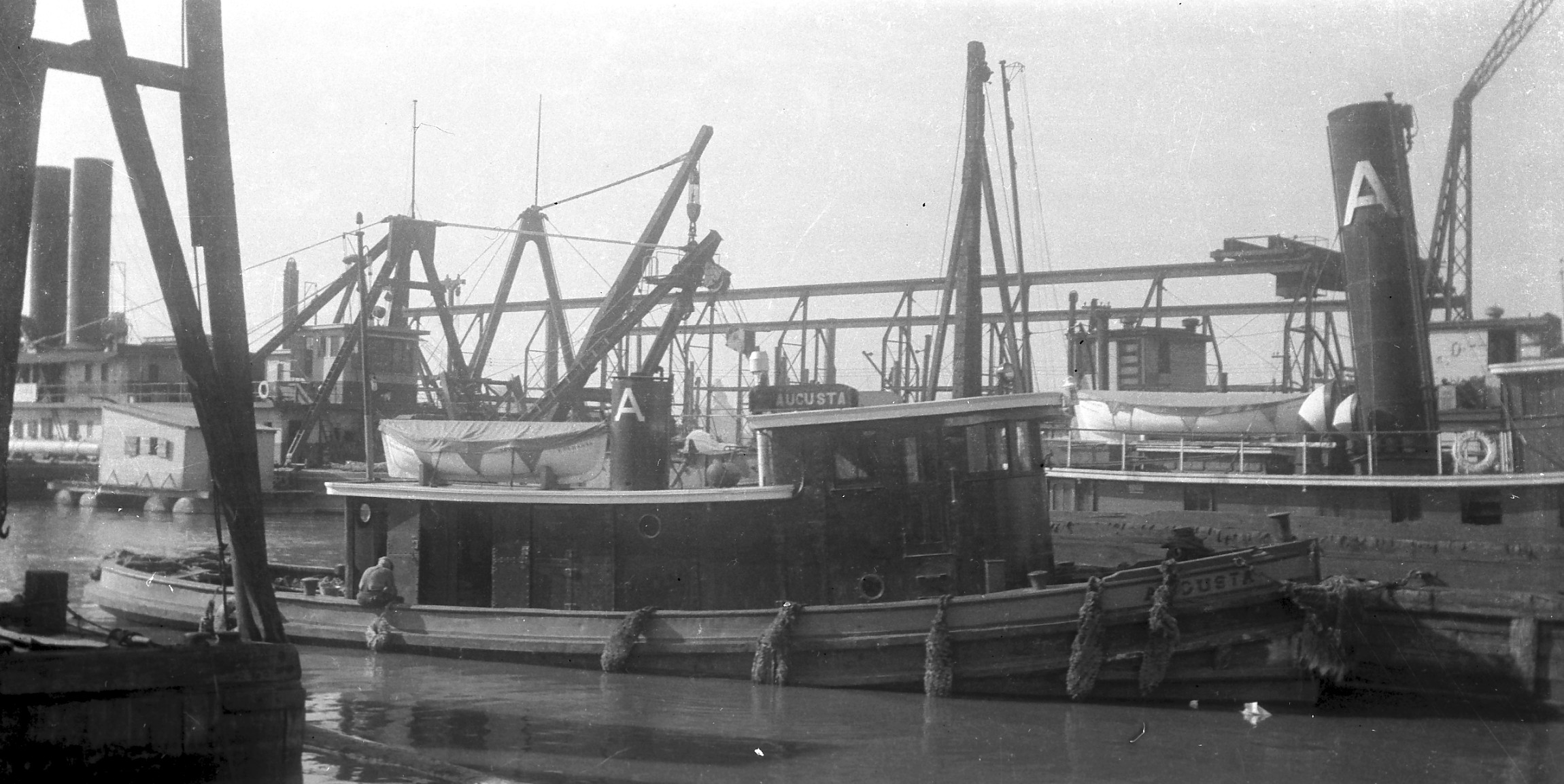
AUGUSTA, May 13, 1938.
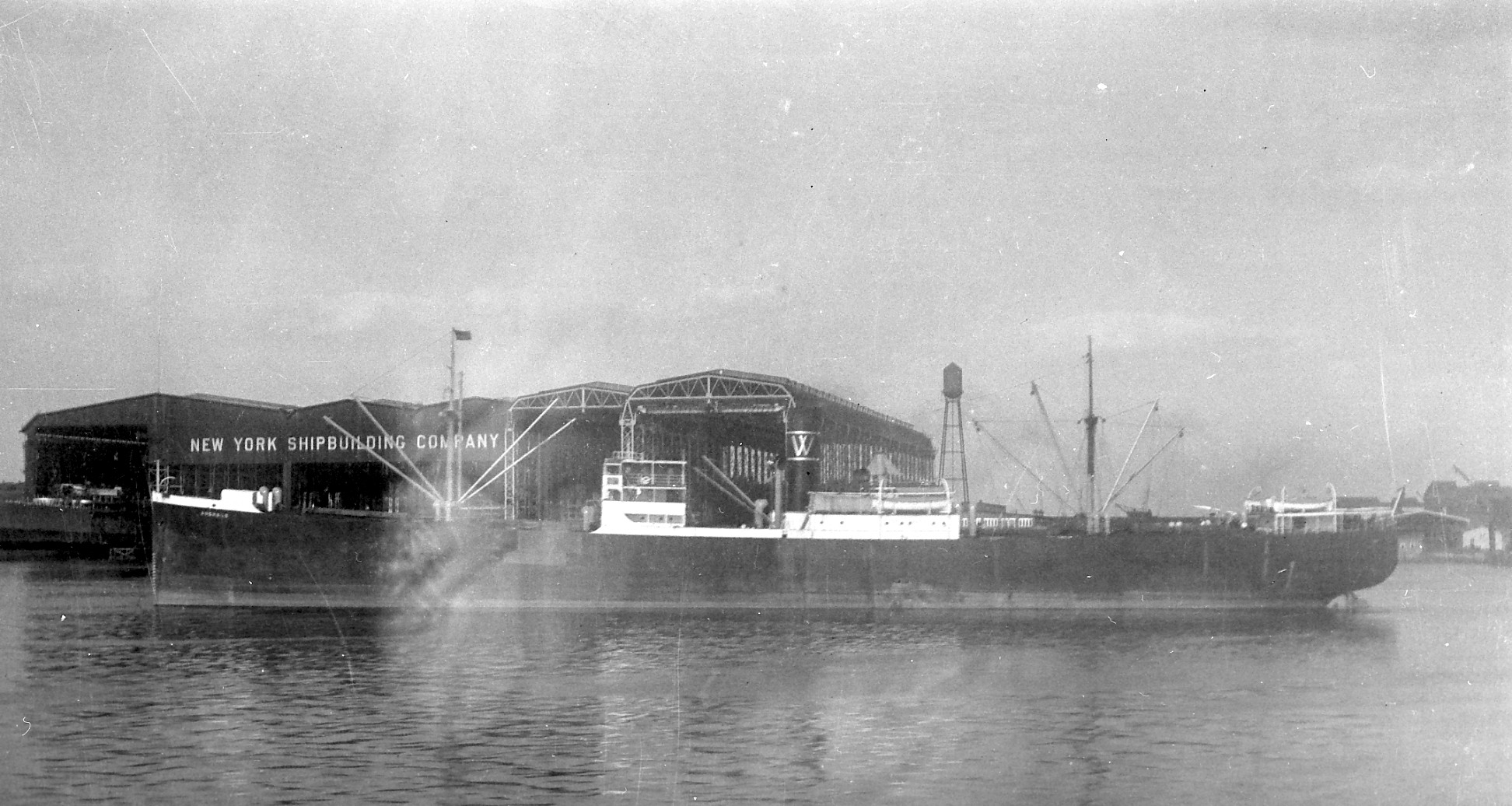
AUGVALD, July 16, 1939. Delivered in November 1920 from A. McMillan & Co. Ltd., Dumbarton as Torrey for A/S To (Martin Mosvold), Kristiansand. Purchased by H. M. Wrangell & Co. A/S in June 1923 and registered as Augvald. This ship, like many other Norwegian vessels, got caught up in the Spanish Civil War when she was stopped in the Straits of Gibraltar by Franco's navy in April 1937, but was later freed.
On March 2, 1941, at 2212, Augvald, under command of Captain Rolf Svenson, which had lost sight of Convoy HX-109 in bad weather, was hit by a torpedo from U-147 and sank. 29 men died, among them two young English boys age 14 and 16. Able seaman Rasmus Kolstø survived 11 days alone on the sea and was picked up by the British corvette HMS Pimpernel about 150 miles NW of Loch Ewe.
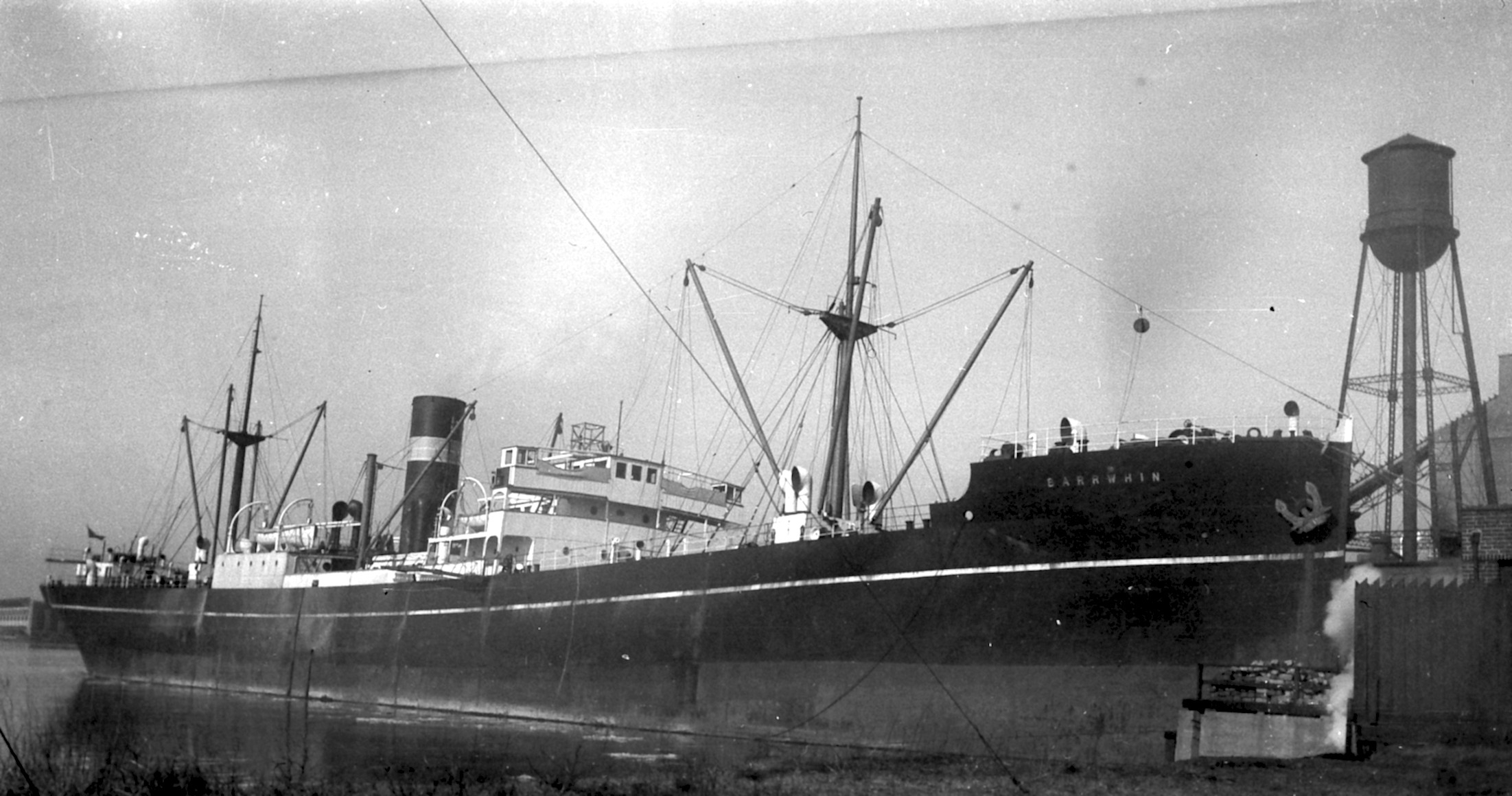
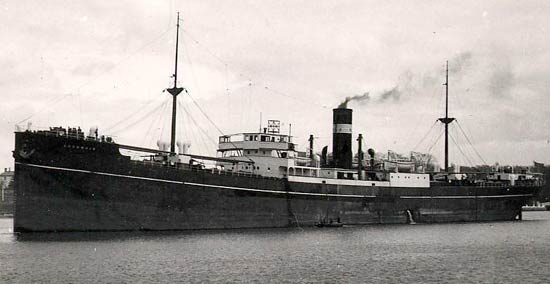
BARRWHIN — Top: Camden, February 5, 1939. Built in 1929 at the Greenock Dockyard Co Ltd, the Barrwhin was a 4,998 ton freighter. She was carrying 8200 tons of grain and military stores from Halifax to London as part of Convoy HX-212.
At 21:18 hours on October 29, 1942, the Barrwhin in Convoy HX-212 was hit by one torpedo from U-436 and sank quickly south of Iceland at 55.02N, 22.45W. The Barrwhin had rescued 60 survivors from the Kosmos II, which had been sunk the same day. 12 crew members and 12 survivors were lost. The master, 41 crew members and 48 survivors were picked up after about eight hours from rafts by the HMCS Kenogami and landed at Londonderry. U-436, captained by Kapitänleutnant Günther Seibicke, was sunk May 26, 1943 in the North Atlantic west of Cape Ortegal, Spain — 47 dead (all hands lost).
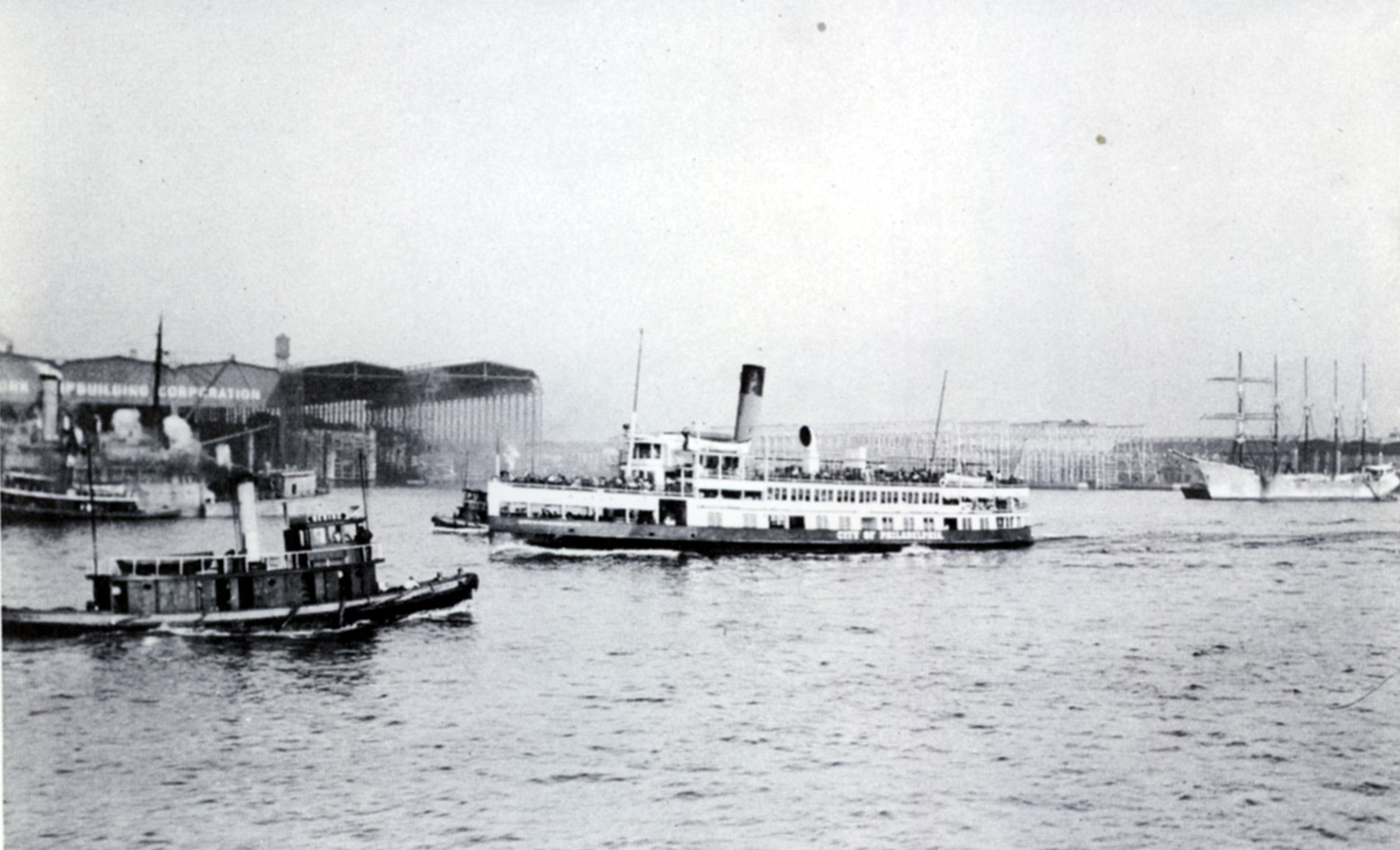
BERING — Tugboat in the foreground.
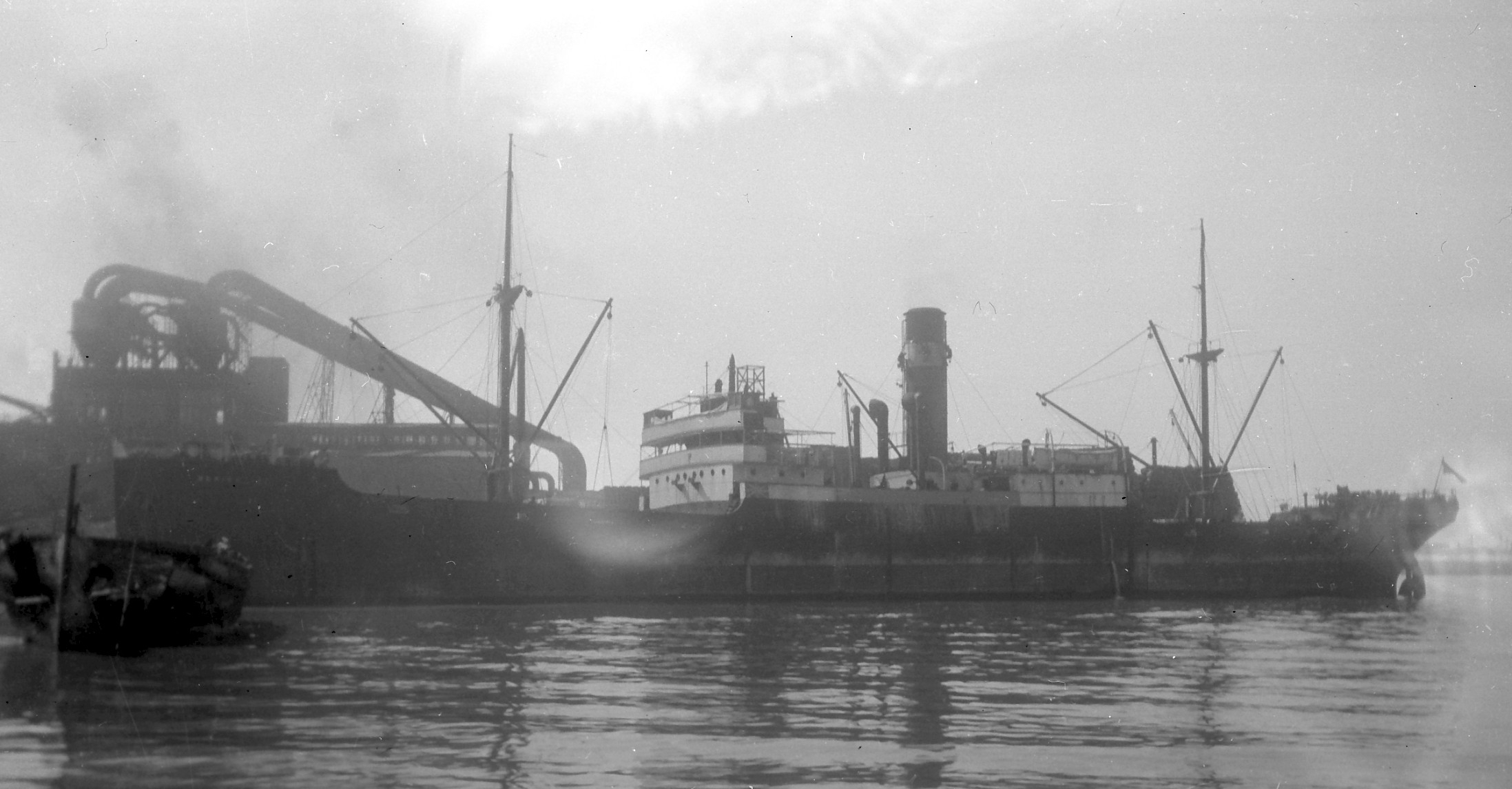
BLAIRATHOLL in Camden, March 22, 1933. Code letters: GLNX. Official Number: 148875. Rigging: steel single screw steamer; 1 deck; 6 cemented bulkheads; fitted with direction finder & echo sounding device. Tonnage: 3,319 tons gross. Dimensions: 340.1 feet long, 48.7 foot beam and holds 22.5 feet deep. Construction: 1925, Napier & Miller Ltd., Glasgow. Owners: Nisbet Shipping Co. Ltd. (G. Nisbet & Co., managers). Port of registry: Glasgow.
In November 1942, Blairatholl arrived at New York from Partington and left as part of Convoy SC-110 on November 17 for Loch Ewe and Tyne. After joining Convoy HX-216, at 20:51 on November 26, 1942, Blairatholl reported by W.T. that it was in collision. At 05:14 on the 27th it reported foundering 51 25N 48 30W. Blairatholl had collided with the Norwegian freighter John Bakke.
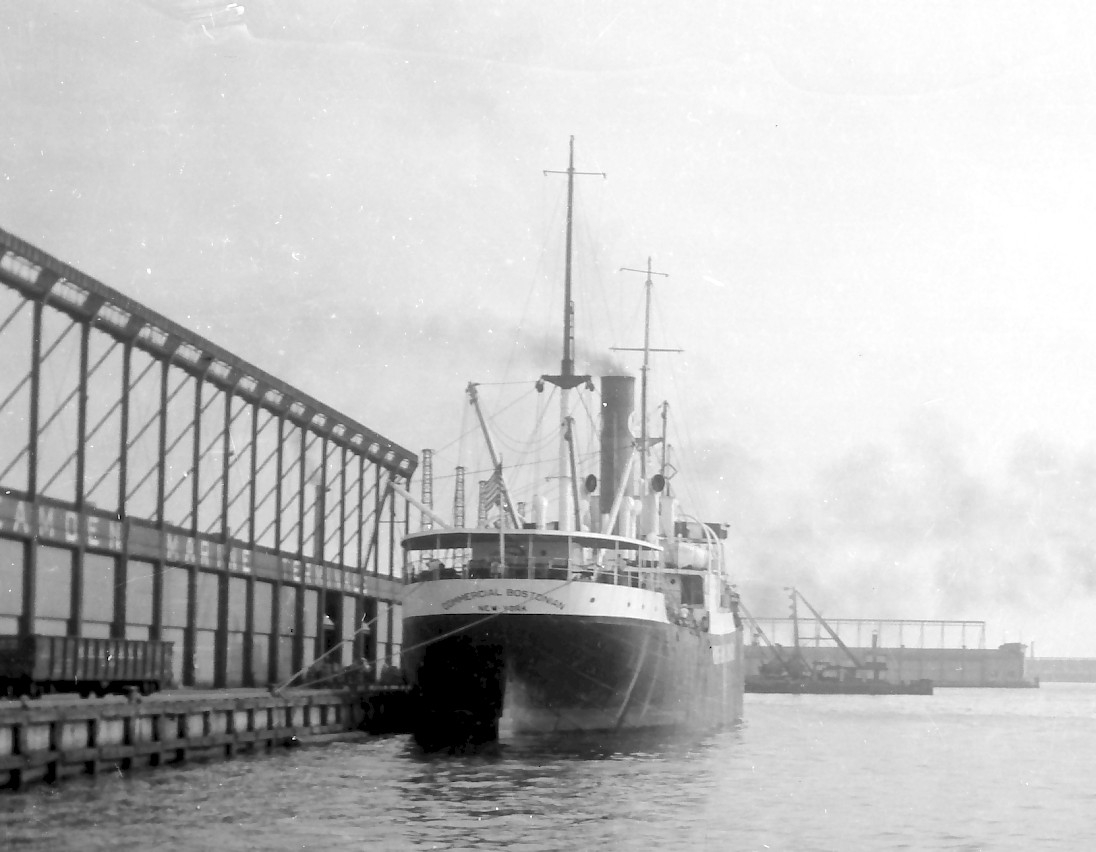
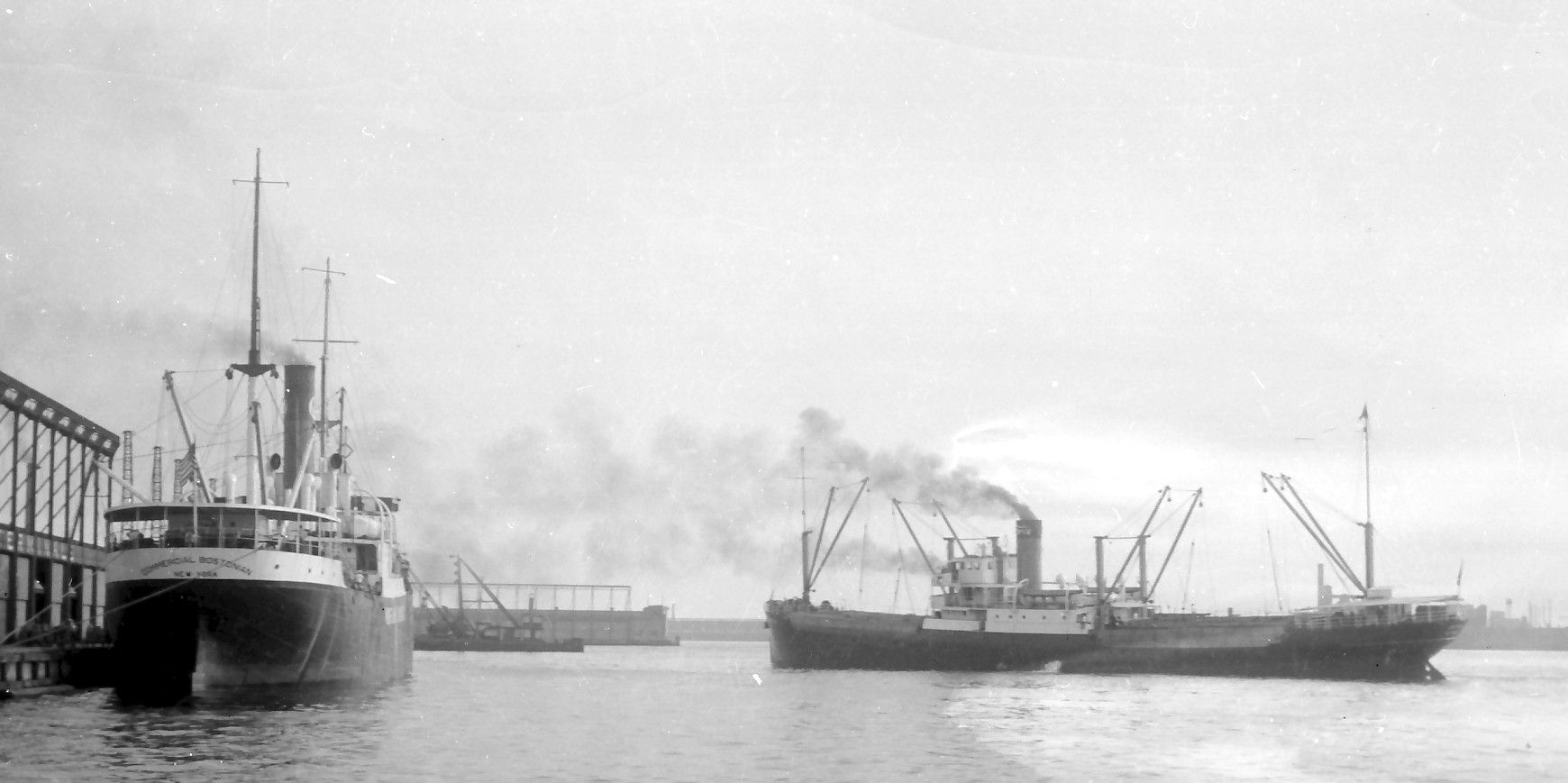
SS COMMERCIAL BOSTONIAN in Camden. A 2,730 ton freighter, built in 1919 as the American Lake Elkwater. In 1929 sold to Mooremack Gulf Lines, New York and renamed Commercial Bostonian. In 1940 sold to Lloyd Brasileiro of Rio de Janeiro Brazil and renamed Ozório.
At 01:10 hours on September 28, 1942, U-514 under the command of Kapitänleutnant Hans Jürgen Auffermann attacked a small convoy off the Amazon estuary and sank the Ozório in shallow waters. The unarmed vessel sank 25 minutes after being hit; the master and four crew members were lost. Both vessels were sunk in shallow waters and later salvaged but not repaired until the war ended, thus regarded as total losses. U-514 was sunk July 8, 1943 north-east of Cape Finisterre, Spain — 54 dead (all hands lost).
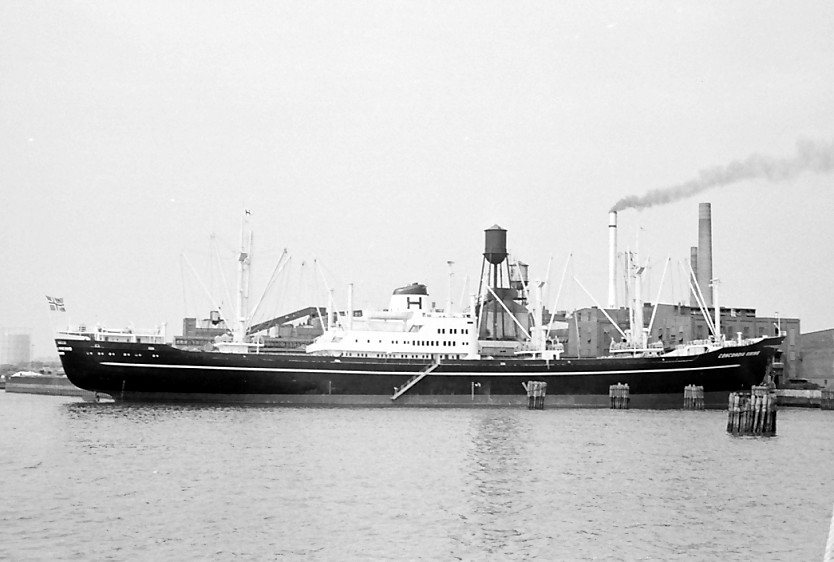
M/S CONCORDIA TADJ in Camden, late 1950s–1960s.
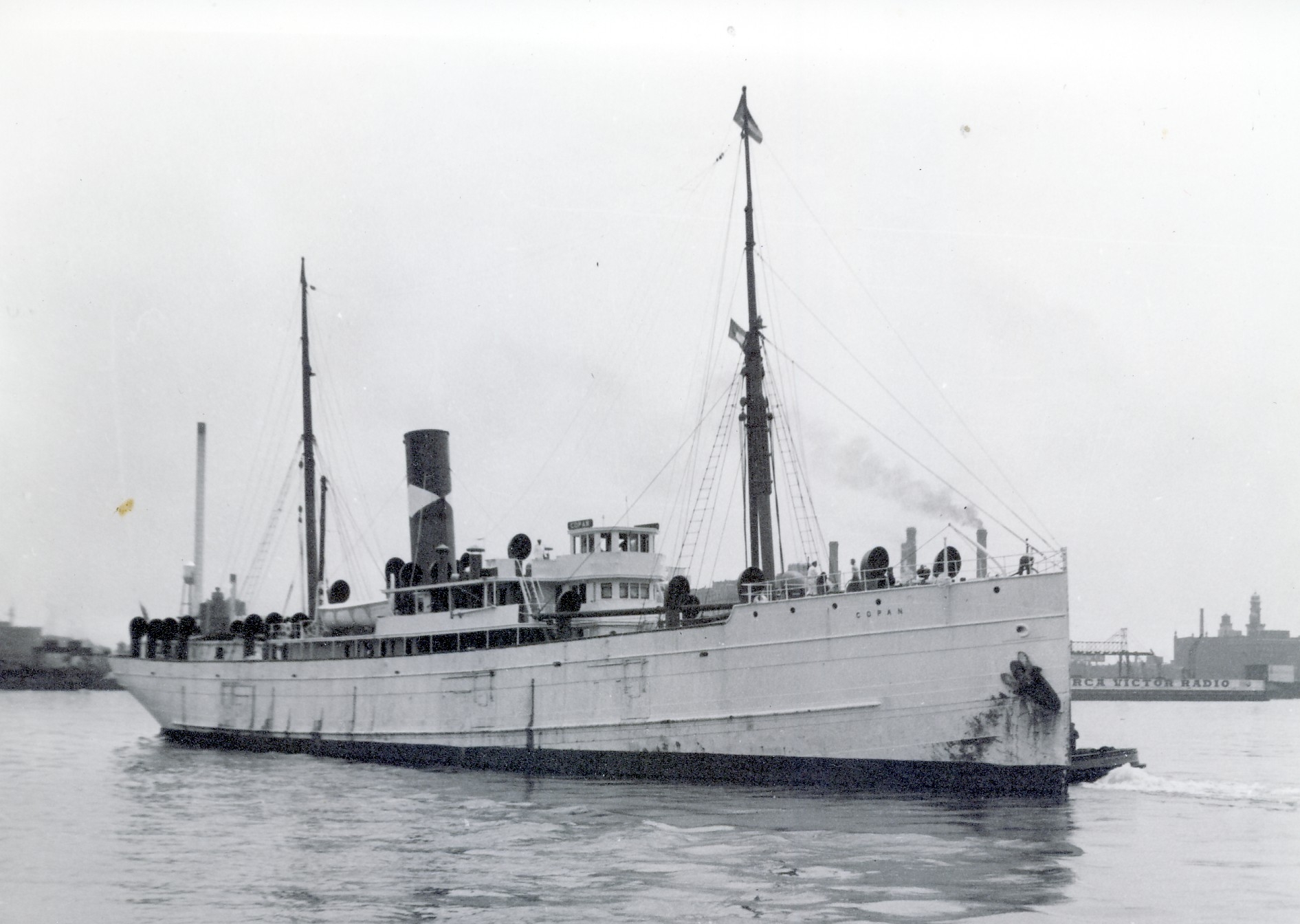
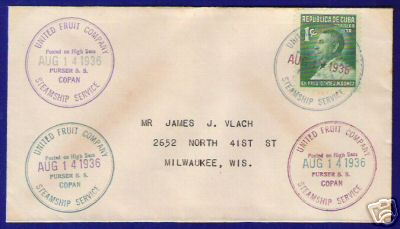
SS COPAN in Camden. The SS Copan was owned by the United Fruit Company and was used to bring produce from Central America to the United States. Still plying the seas as late as 1963, the Copan was one of eight ships whose use was donated by the American Steamship Line to help evacuate survivors of the Bay of Pigs Invasion. The evacuation was completed between Christmas Day 1962 and July 4, 1963.
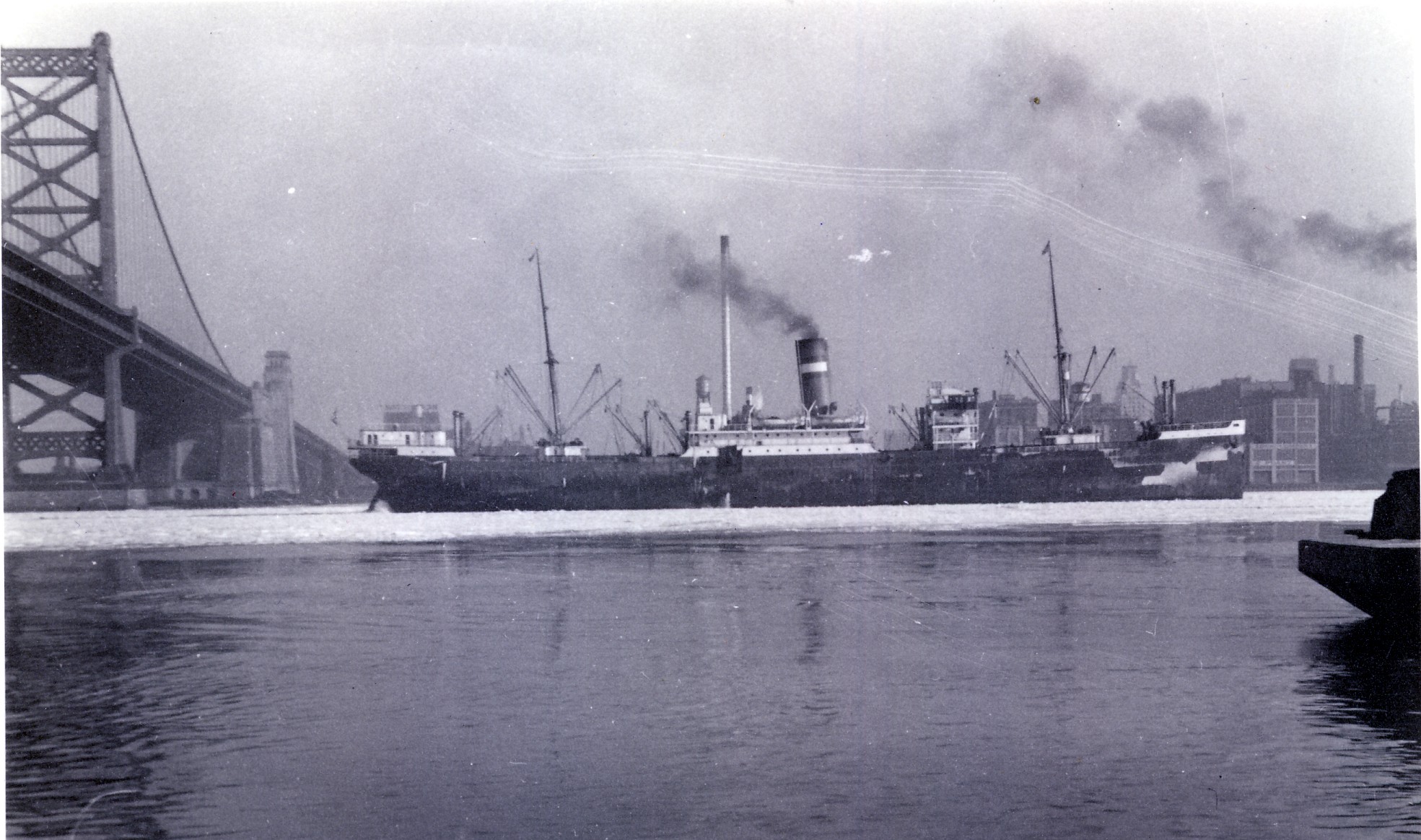
Ship at the Camden waterfront.
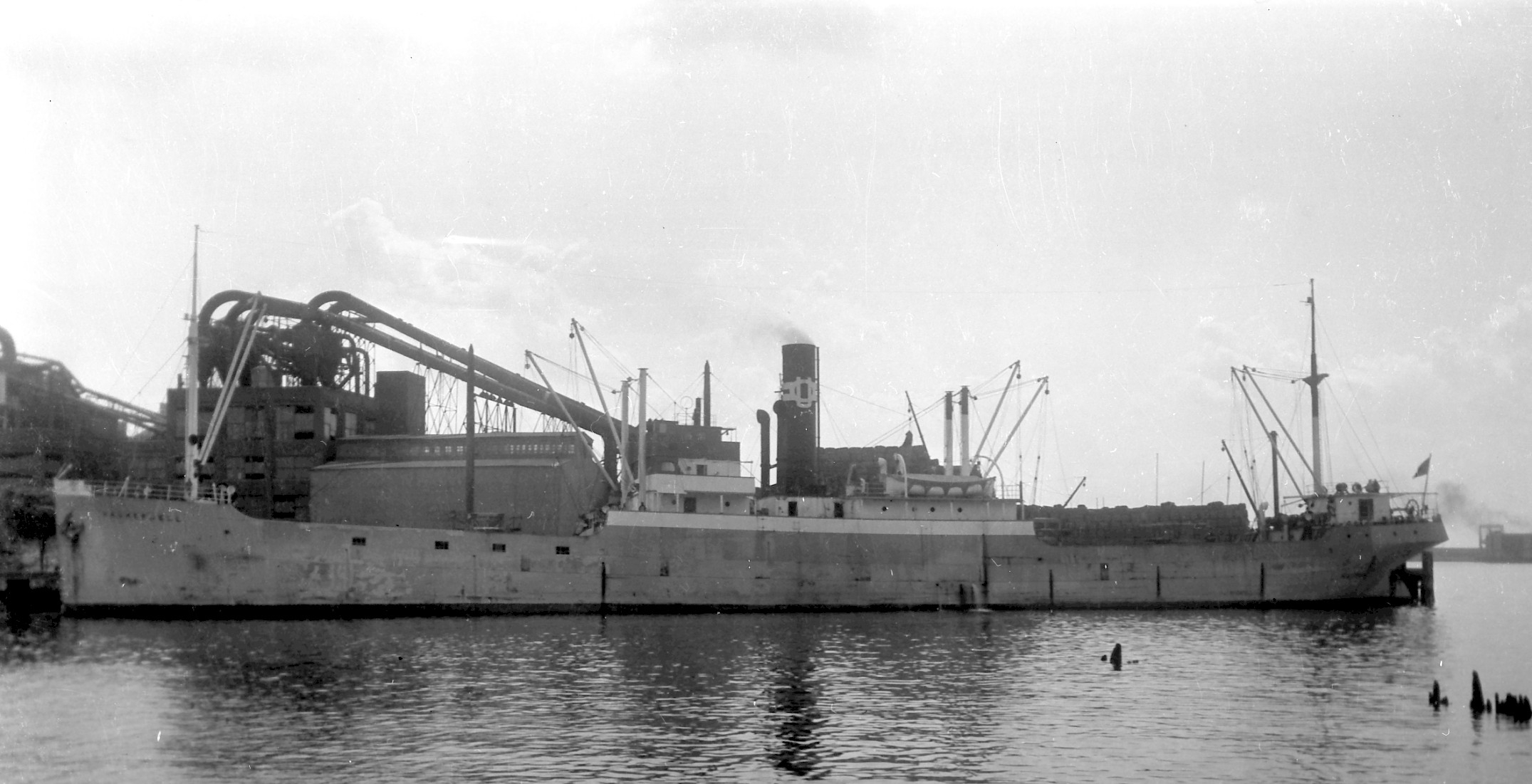
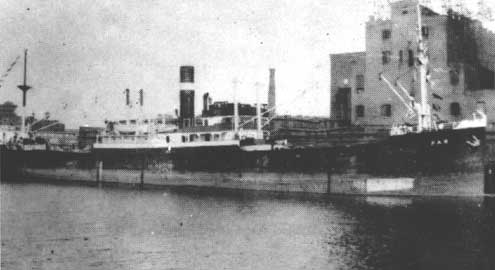
D/S RAVNEFJELL (top) in Camden August 31, 1937, renamed later that year as D/S Far (bottom) in Boston, 1938. Owner: Skibs-A/S Skibsfart & Skibs-A/S Salvesen. Manager: Jacob Salvesen, Farsund. Tonnage: 2475 gt, 1420 net, 4120 tdwt. Dimensions: 295.5' × 43.7' × 20.6'. Built in 1921.
Far was in service USA–England in the period 1941–1943, then in the Mediterranean. She was scheduled for Convoy SC 54 in November 1941 but instead joined SC 55, carrying pulp wood for Manchester. In January 1944 she was in the Bizerta portion of Convoy MKS 36.
She was loading ammunition at Barletta, Italy in May 1944 when an explosion occurred in one of the cases of ammunition, but the crew, lead by the captain, the 1st and 3rd mates, and a British lieutenant were able to extinguish the resulting fire before further explosions occurred, thereby saving not only the ship but the city from destruction.
Far continued in the supply service in the Mediterranean until November 1945. She ran aground on January 8, 1950, off Flekkefjord, and broke up during a storm when on a voyage from the Tyne to Copenhagen. No casualties.
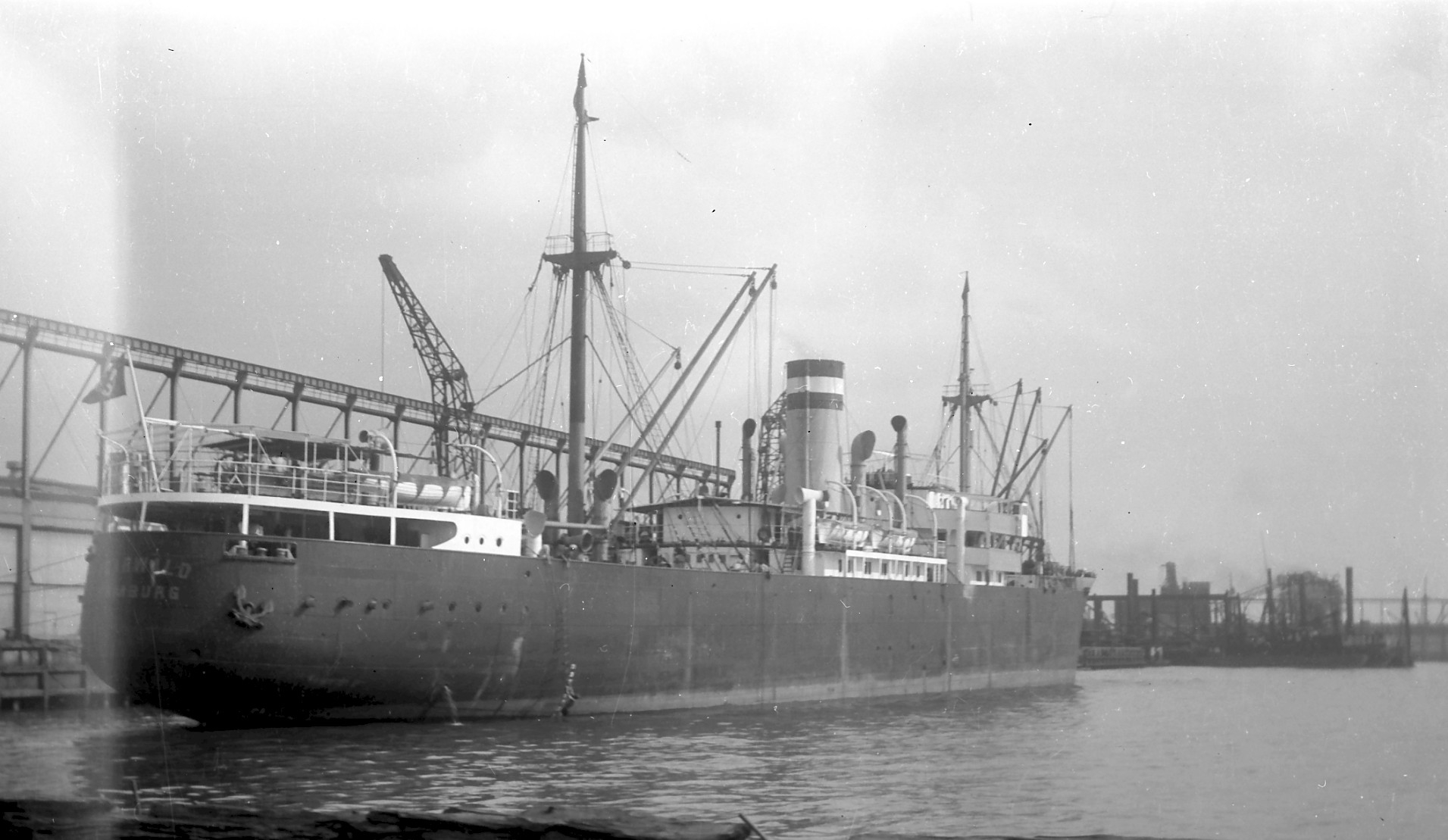
SS IDERWALD in Camden, August 31, 1937. Built in 1923 and operated by the Hamburg-America Line, Iderwald was a 5,033 ton German owned passenger-cargo ship. She had been in port at Tampico, Mexico at the outbreak of hostilities.
Idarwald was intercepted by the British light cruiser HMS Diomede on December 8, 1940. The United States Navy destroyer Sturtevant DD-240 stood by and did not interfere, as the U.S. was not then at war. Before a capture could be effected, the crew of the German freighter set it afire and scuttled it off Cabo Corrientes, Cuba.
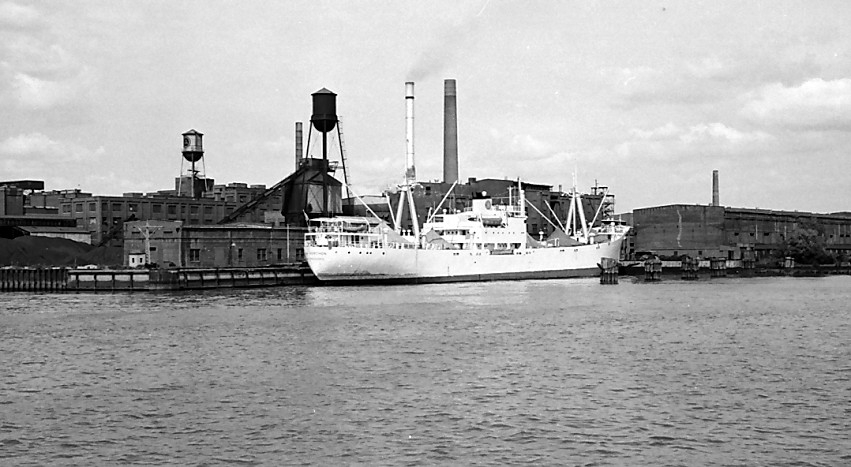
IVAN GORTHON in Camden.
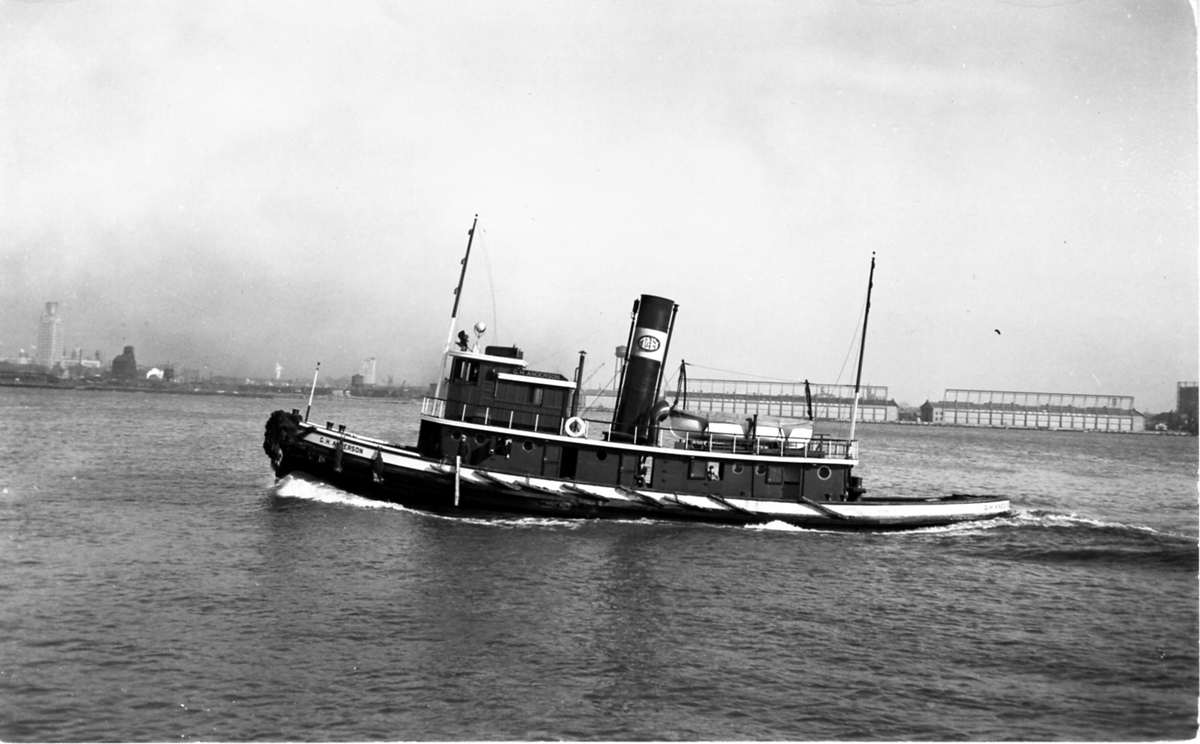
Tug C.W. ANDERSON, 1930s.
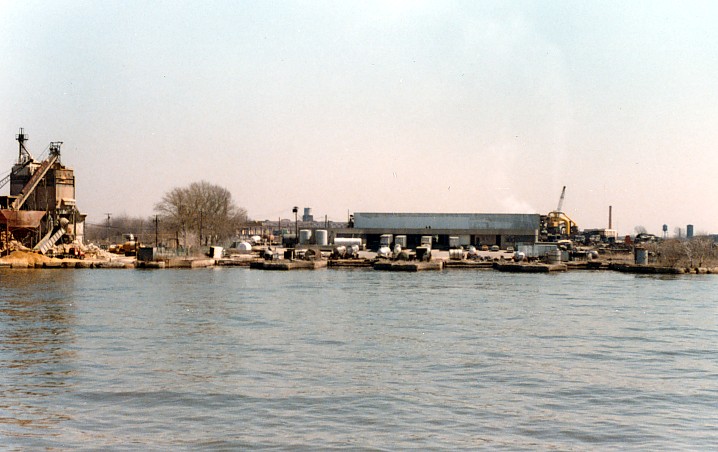
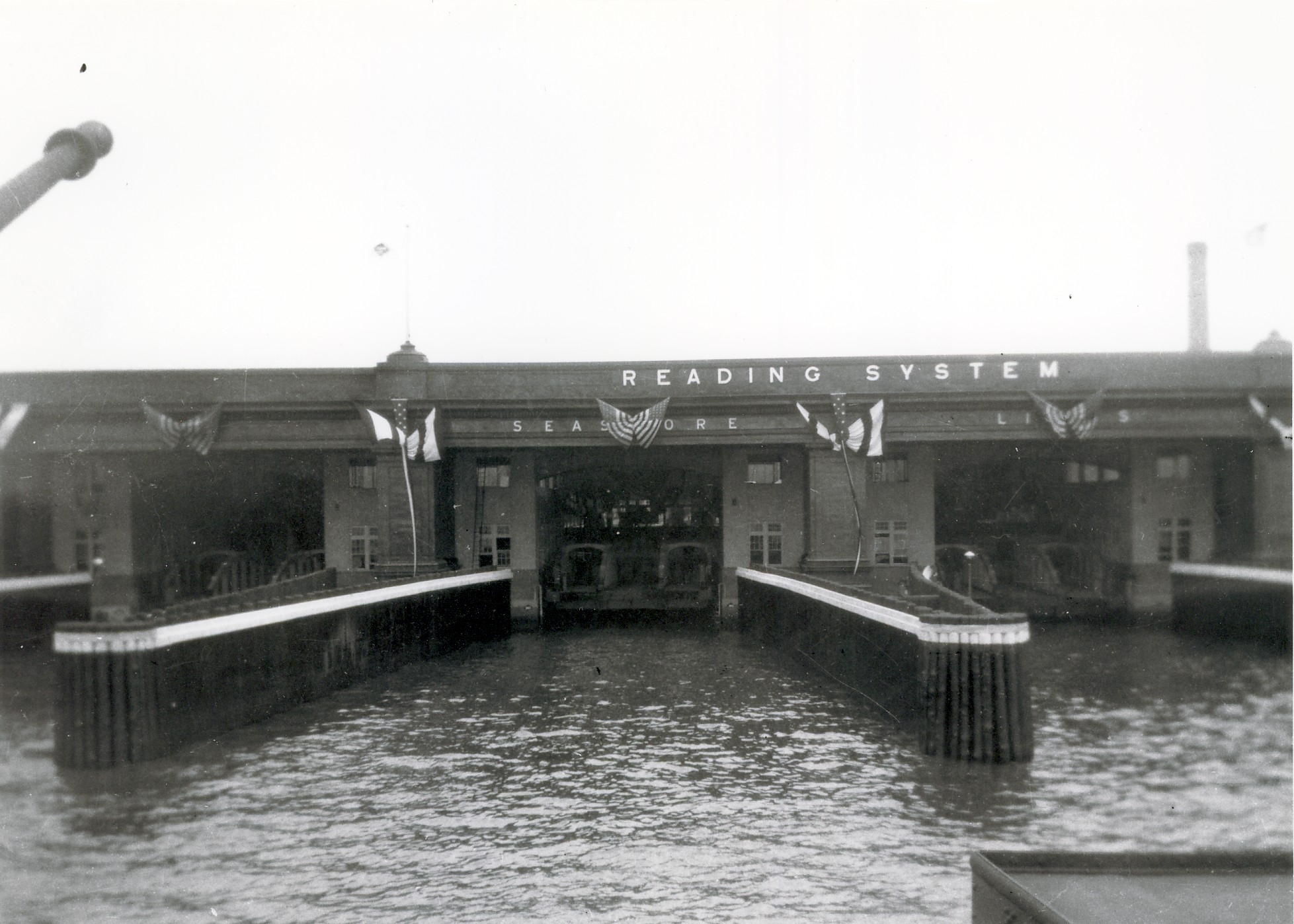
Site of the old Reading Ferry Terminal.
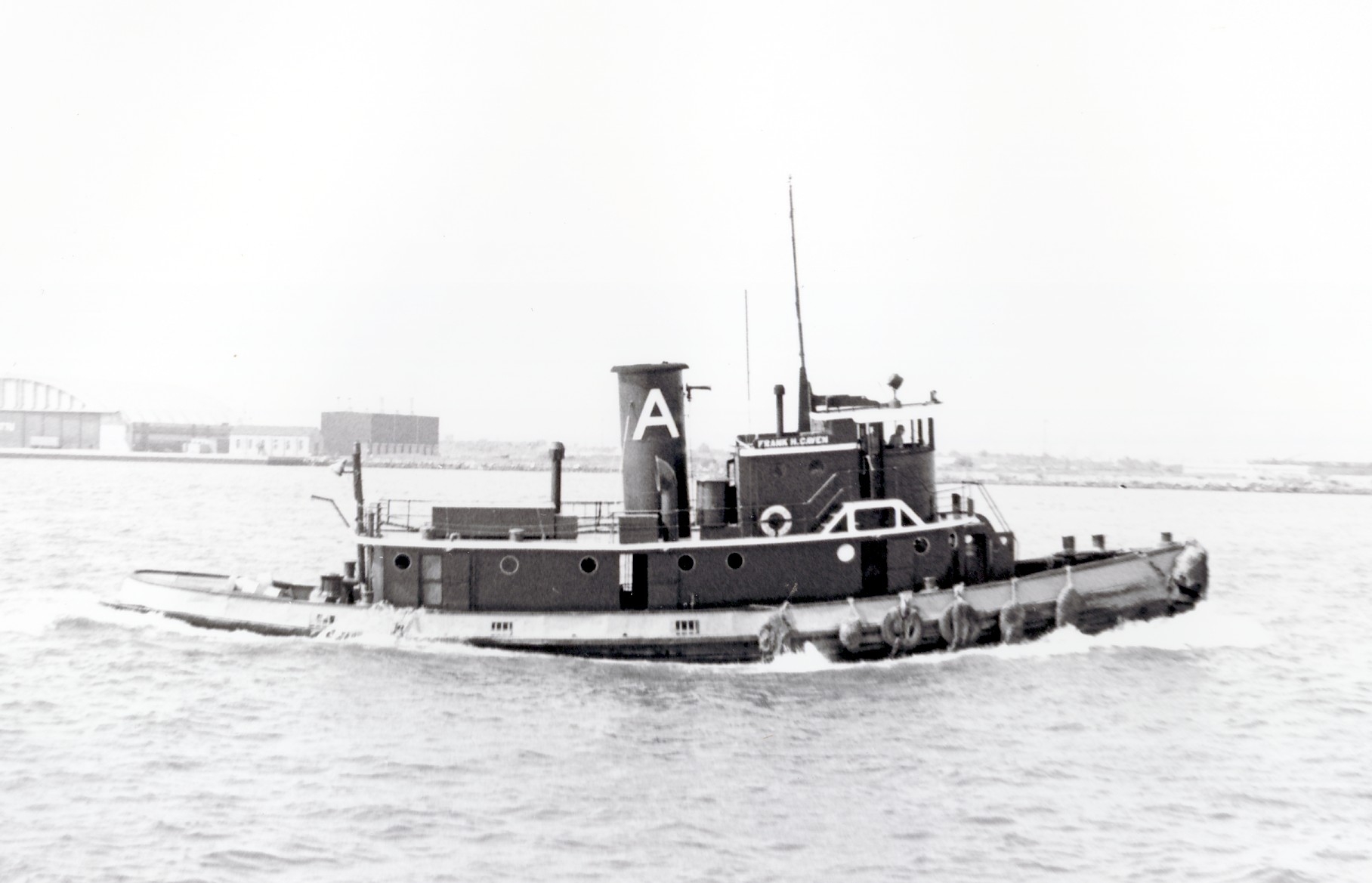
Tug FRANK H. CAVEN.
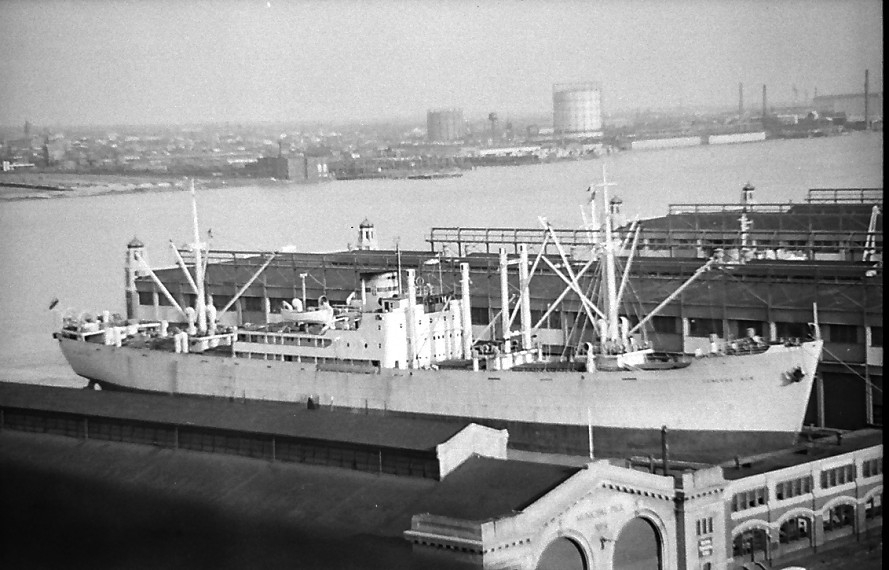
July 2, 1960.
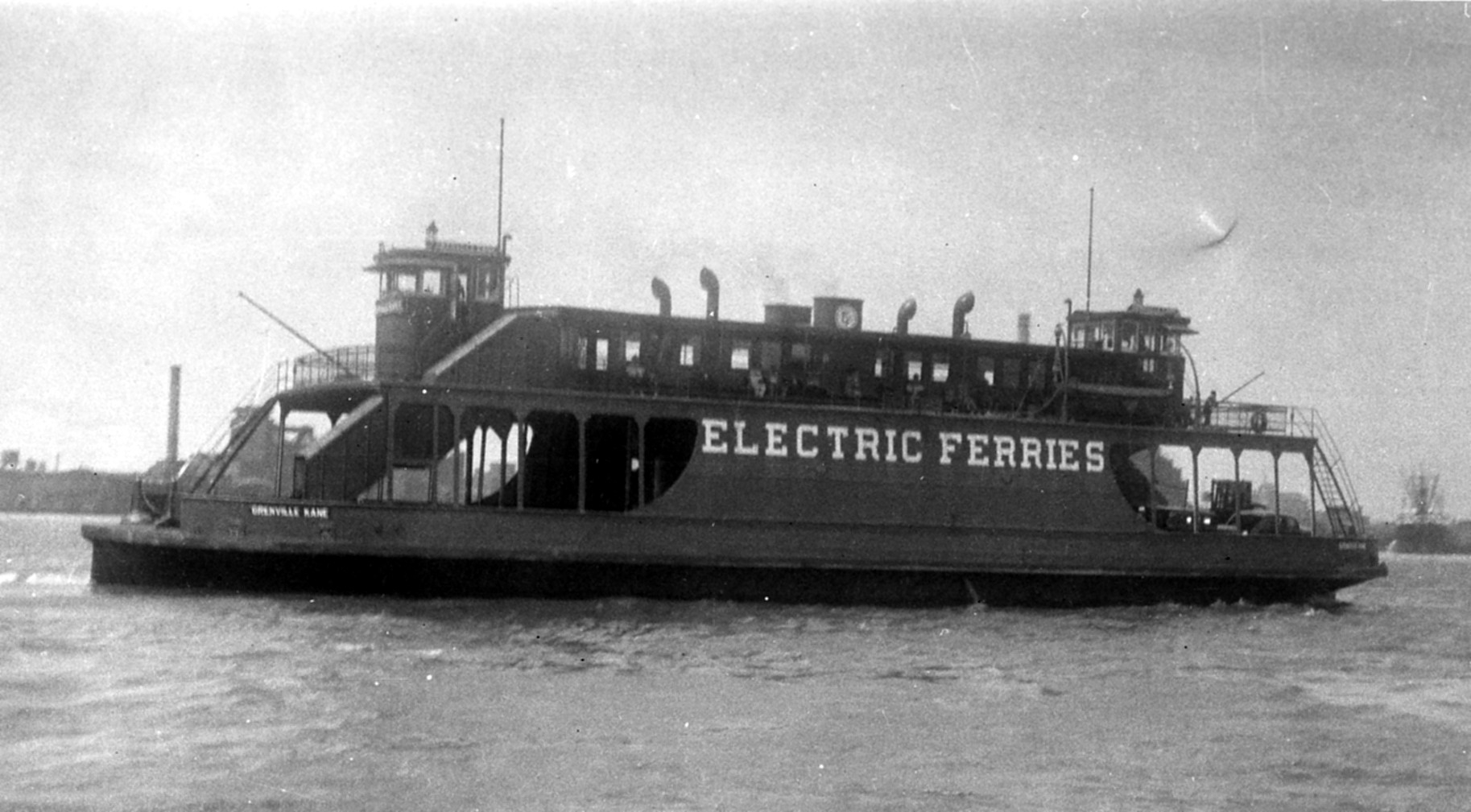
GREENVILLE KANE.
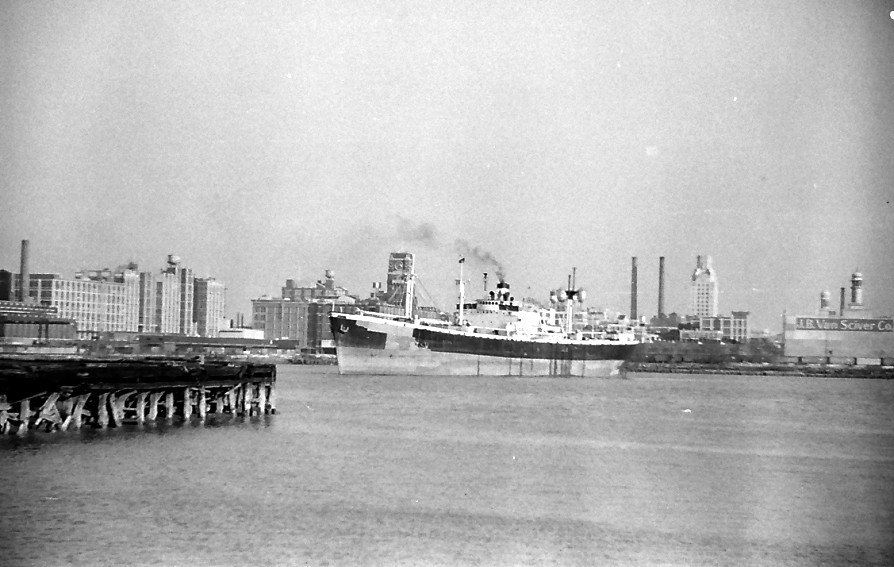
LIBERTY, November 26, 1960.
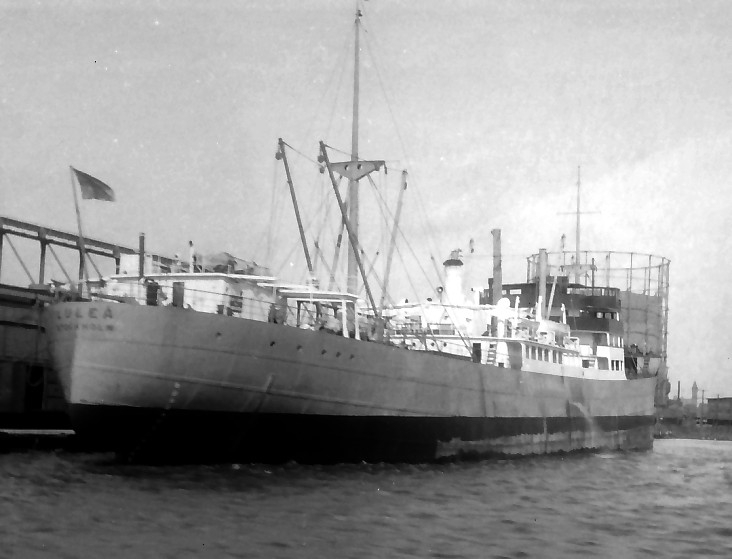
LULEA in Camden, August 25, 1933. This Swedish-owned freighter was built in Germany around 1924. She was lost on July 11, 1942 near the Vastervik Archipelago, Sweden when torpedoed by the Russian submarine S-7. Eight lives were lost. The S-7 was later torpedoed herself by a Finnish submarine.
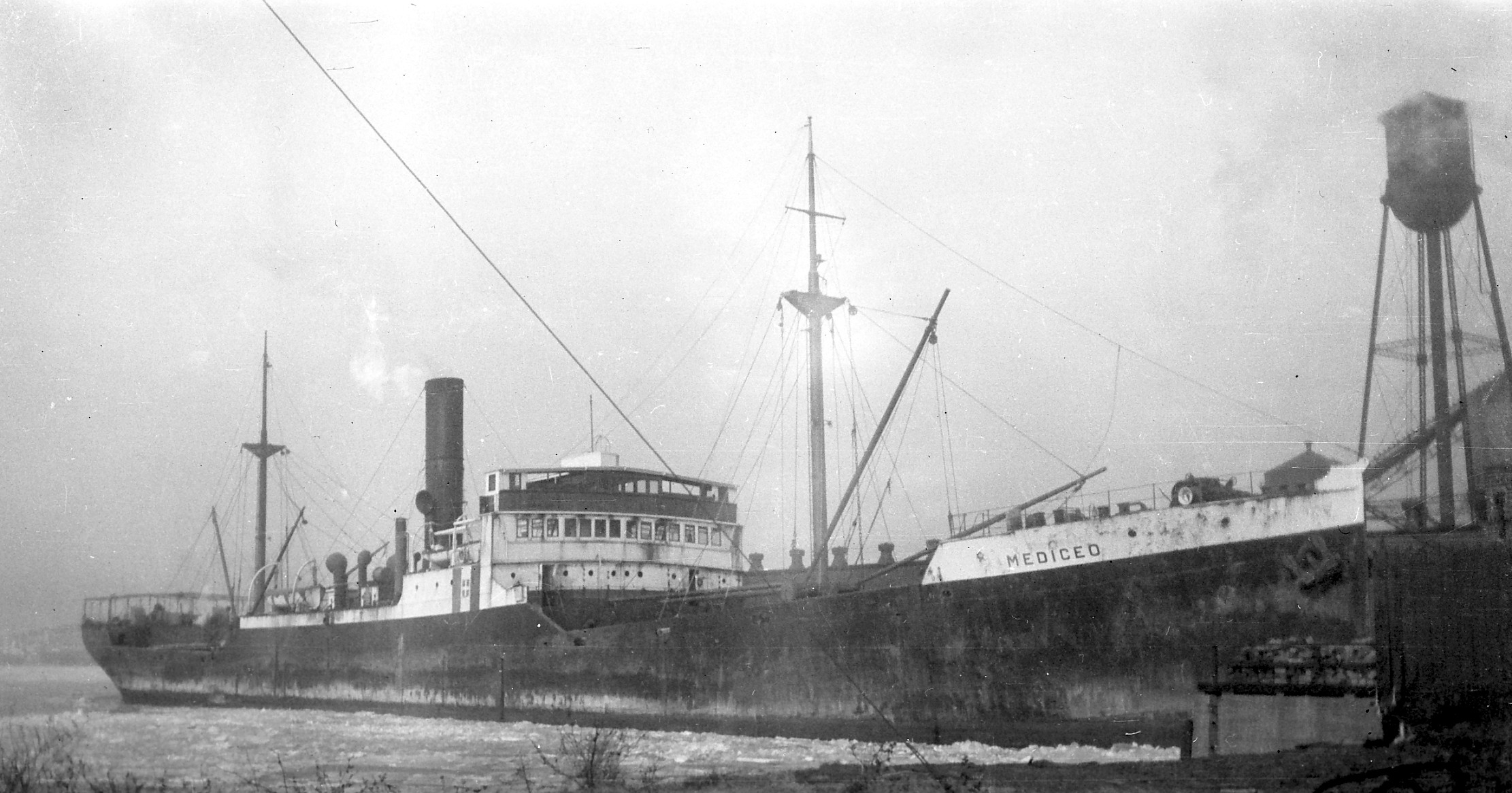
MEDICEO in Camden, January 23, 1940. Built in Glasgow in 1918 as the War Singer for the Anglo-Saxon Petroleum Company. In 1921 the ship was renamed Akera. Sold in 1927 to Prebensen & Blakstad, Risør, Norway.
In 1939 sold to Ditta Marino Querci of Genoa, Italy; converted to cargo ship and renamed Mediceo under the Italian flag. When Italy surrendered in September 1943, Mediceo was seized by Germans and handed over to Mittelmeer Reederei GmbH. She was bombed by British aircraft January 31, 1945 and sunk off Tagliamento, Italy.
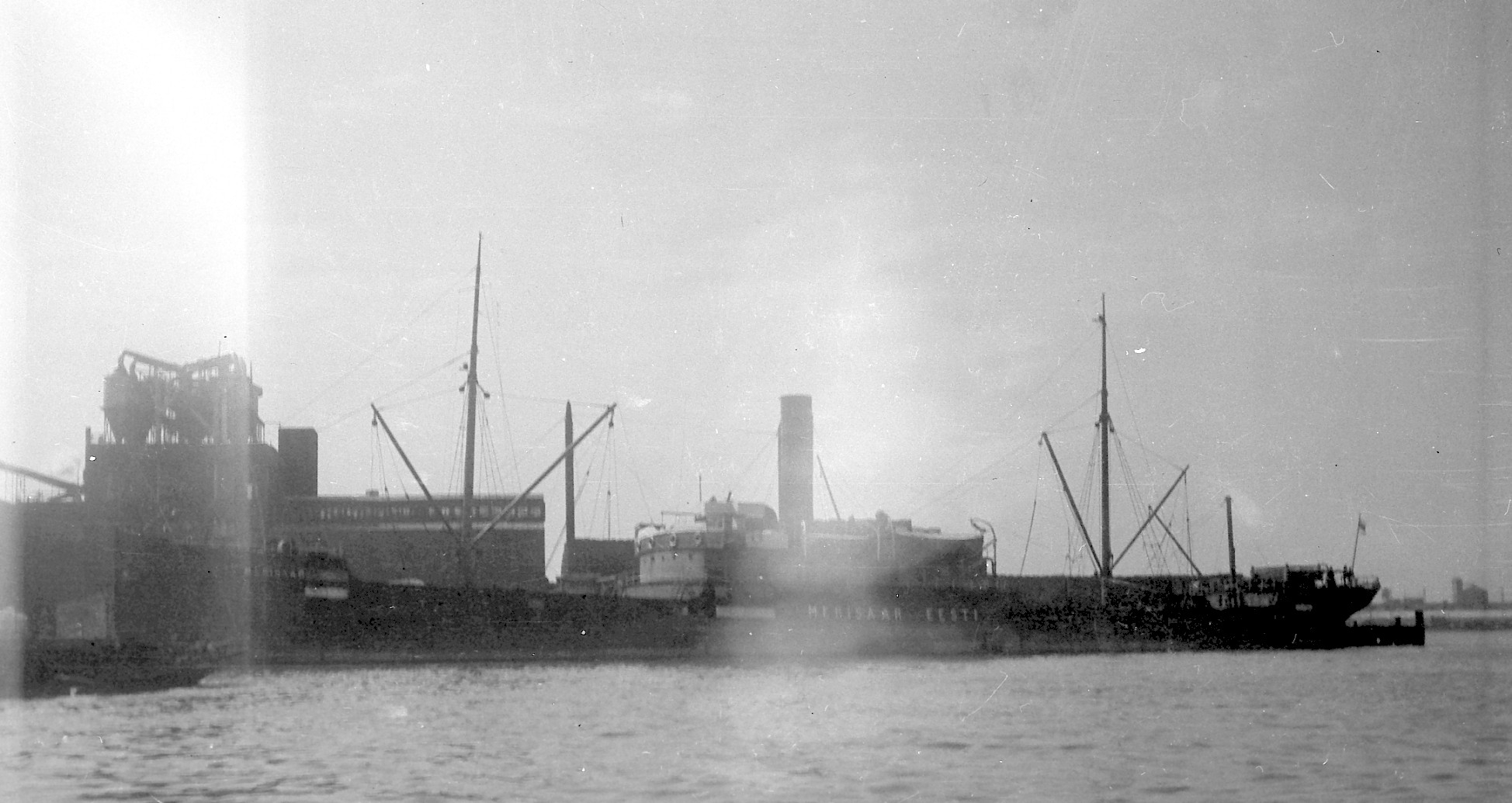
MERISAAR in Camden, March 20, 1940.
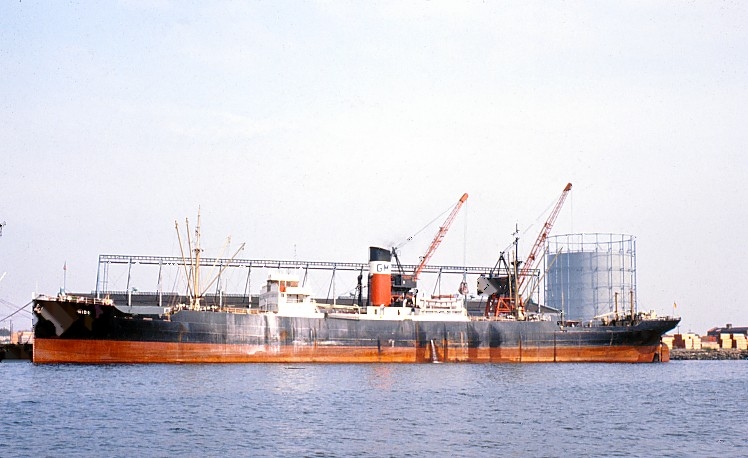
NIDO in Camden, August 23, 1966.
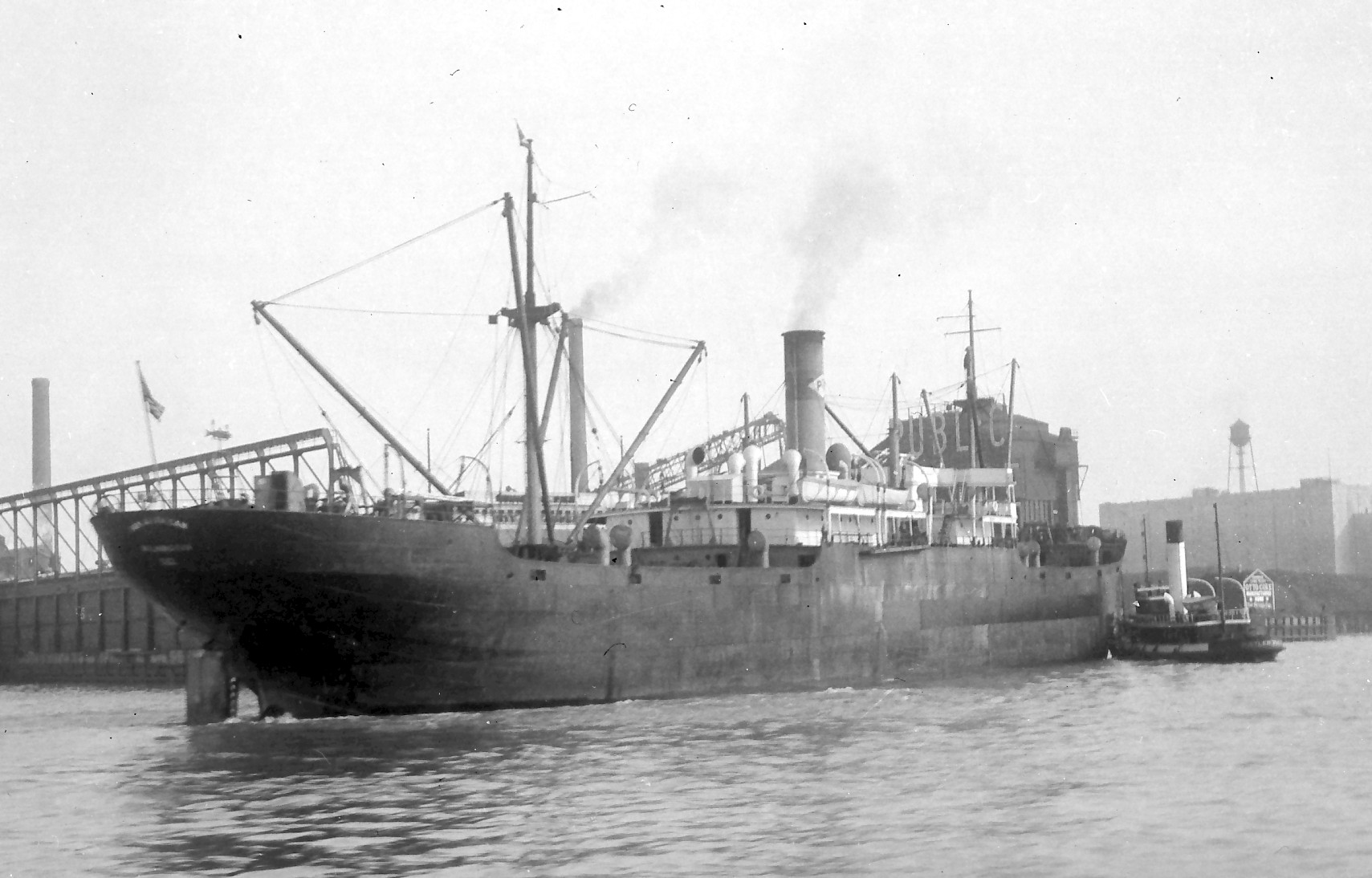
PAN AMERICAN in Camden, January 16, 1934.
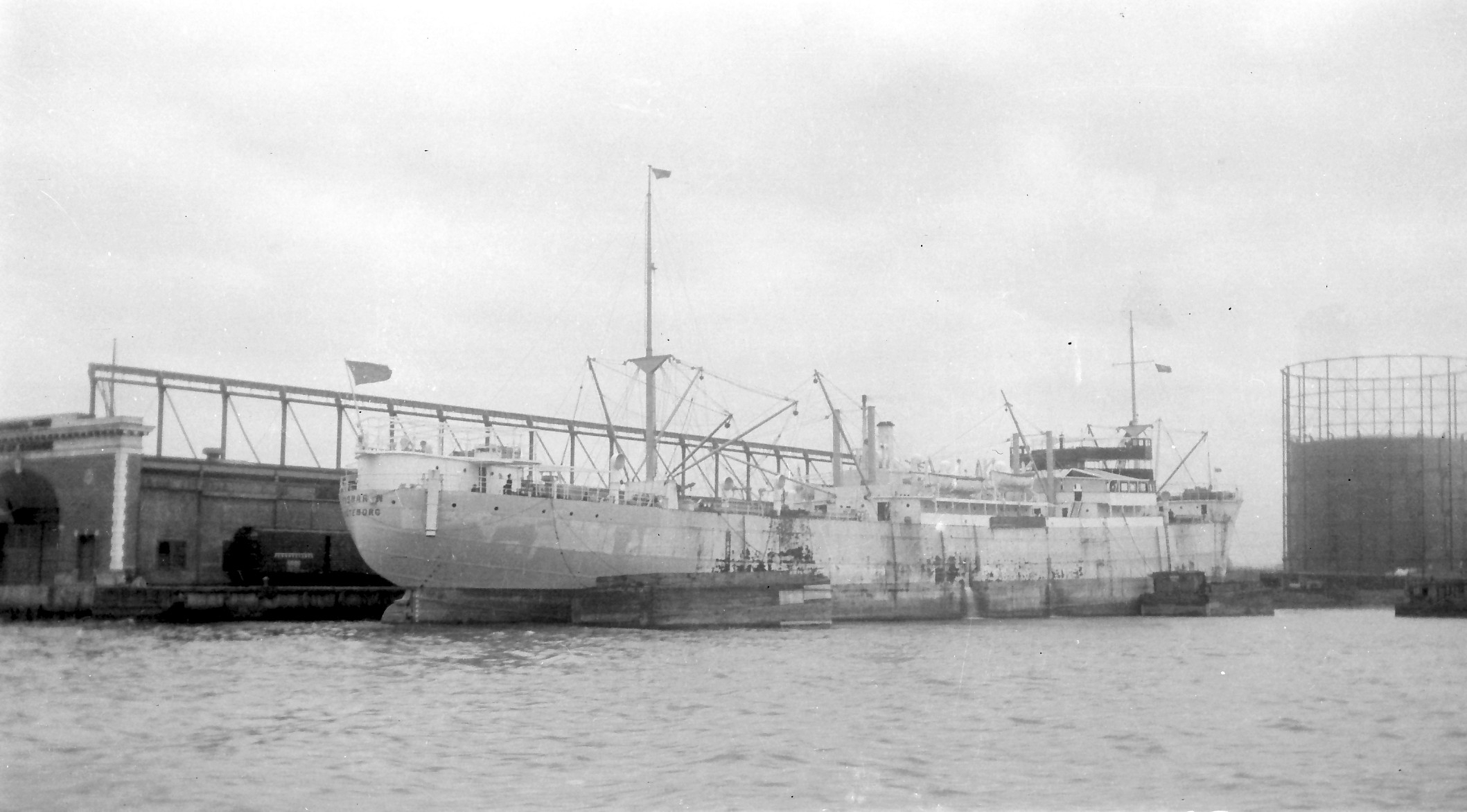
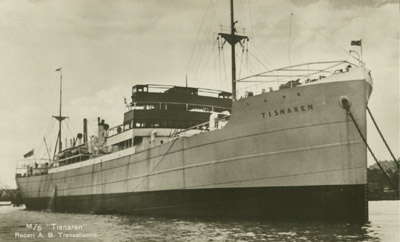
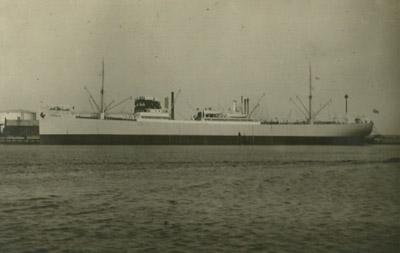
TISAREN in Camden, September 18, 1934. The Swedish motor-ship Tisnaren of 5,747 tons was built by the shipyards Götaverken A/B of Gothenburg in Sweden in 1918. Tisnaren belonged to the shipping company Transatlantic Rederiaktiebolaget.
Besides calling at Camden in 1934, Tisnaren visited Auckland, New Zealand two times between December 17, 1930 and December 20, 1931, and also called at South African ports during its active career. On October 15, 1937, Tisnaren sailed with cargo and passengers from Oslo, Norway to Cape Town, South Africa.
On October 3, 1941, Tisnaren sailed from Oban to Freetown in West Africa as part of Convoy OS-8. She proceeded to Cape Town, Bombay, and Karachi. On March 14, 1942, Tisnaren sailed from Freetown as part of Convoy SL-103 and arrived in Liverpool on April 2, 1942.
On May 2, 1942, Tisnaren sailed from Liverpool as part of Convoy OS-27, bound for Rio de Janeiro. On May 19th, 1942, the Italian submarine Cappellini, operating out of Bordeaux, located Tisnaren, which had become separated from the convoy, and sank it. There were no casualties and the 40 crewmembers were later rescued.
“My father John Arnold Smith from Manchester was on the Tisnaren when it was torpedoed. The ship was sailing from Manchester to South America with a cargo of Scotch Whiskey. He and other crew members were adrift in an open life boat for 2 days before being rescued by the United States vessel S.S. Black Hawk. They were then taken to Port of Spain, Trinidad to recover. My father told me that after being torpedoed, the attacking submarine surfaced and started to fire machine guns towards the sinking Tisnaren.” — John Smith, February 20, 2005
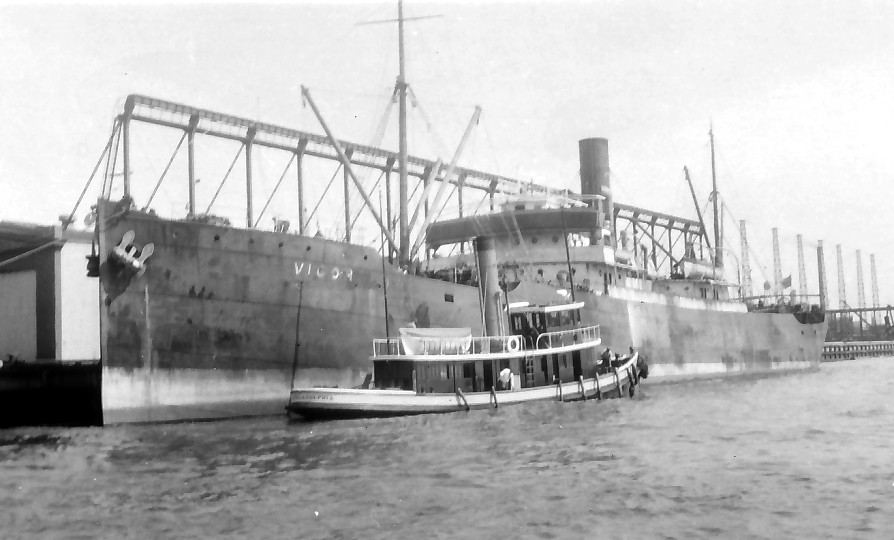
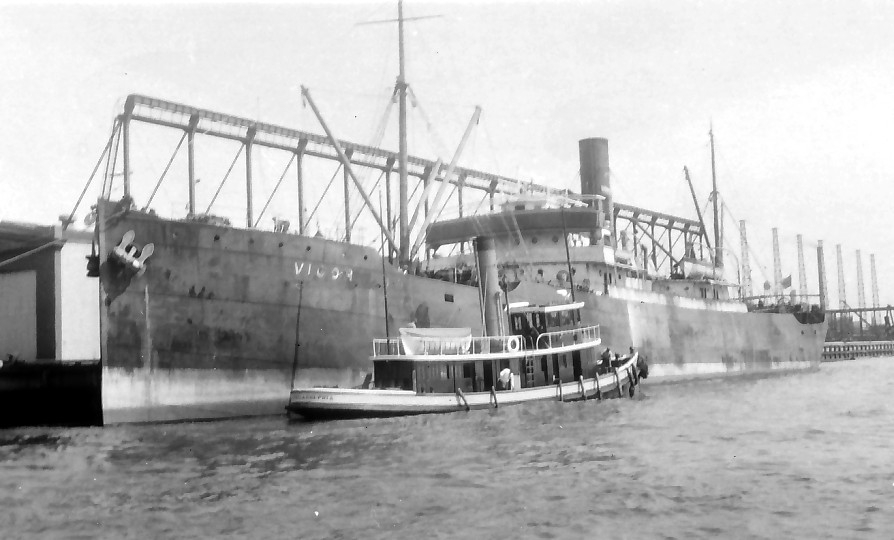
VIGOR in Camden, June 19, 1933.
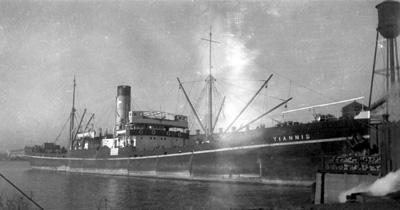
YIANNIS in Camden, December 12, 1939.
Beckett Street Terminal
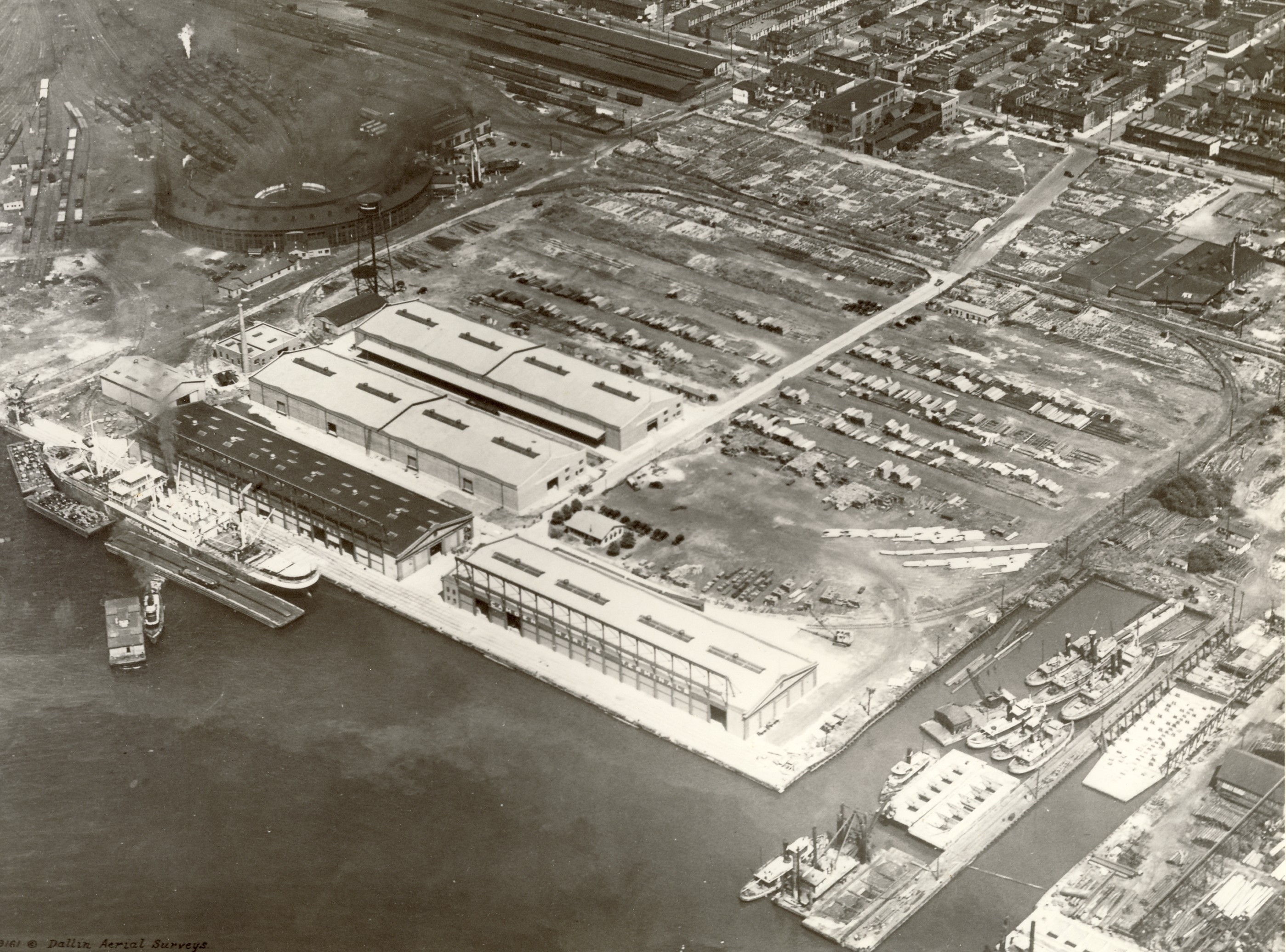
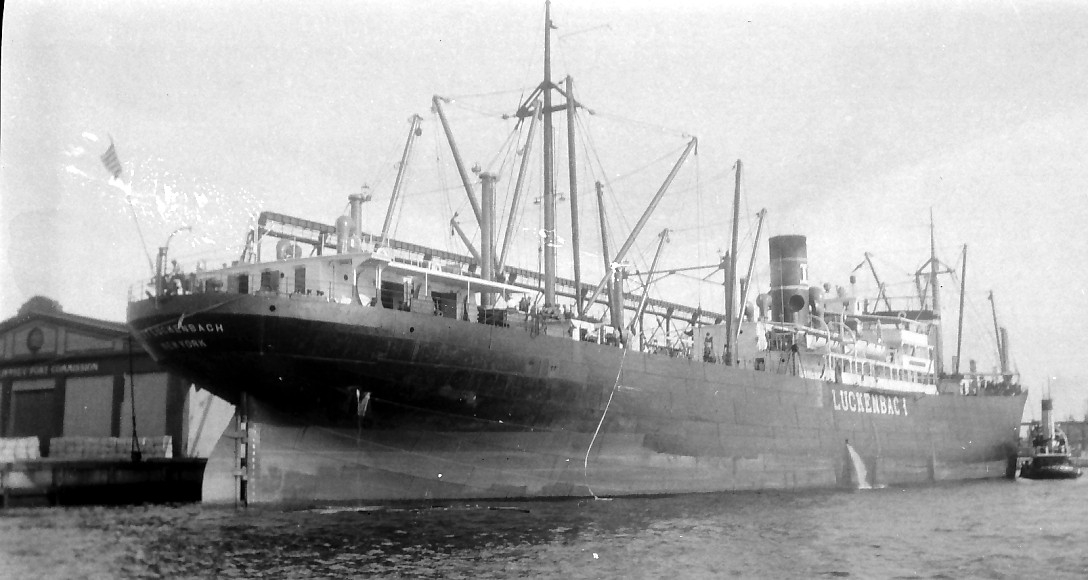
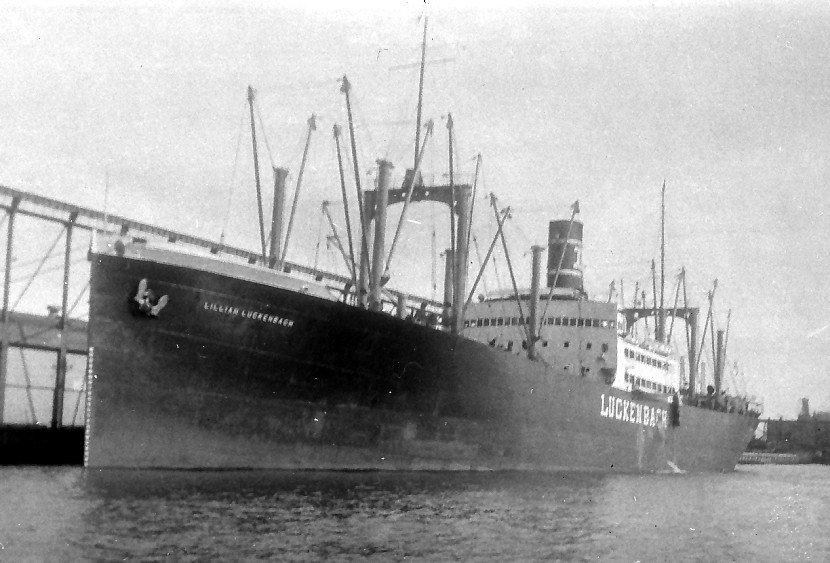
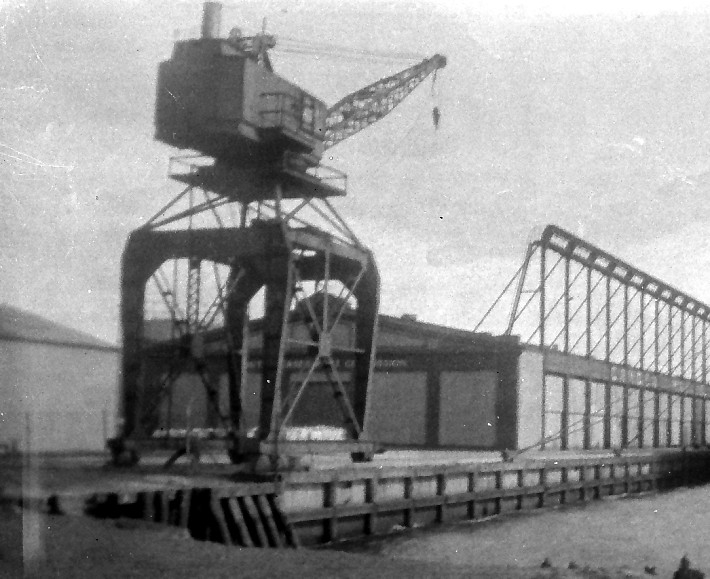
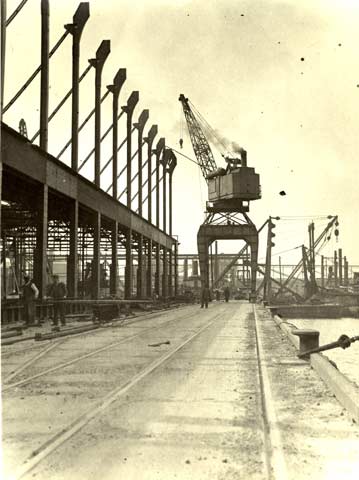
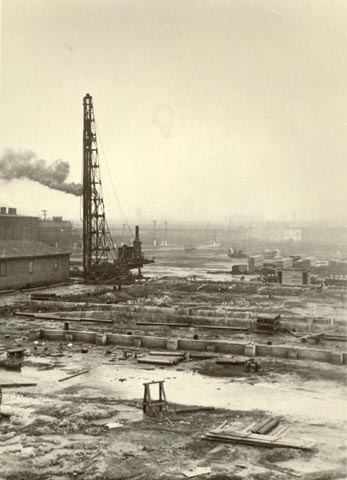
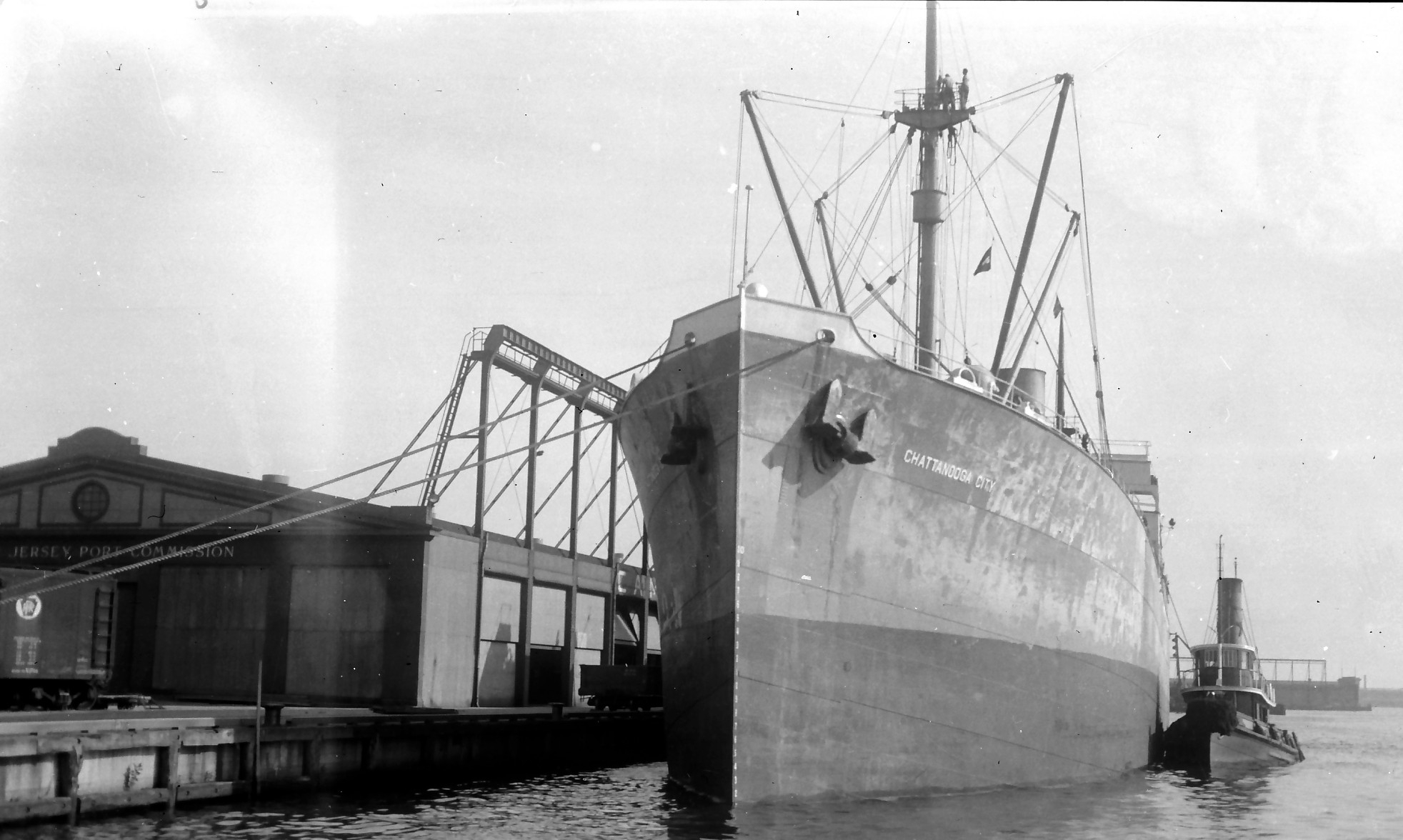
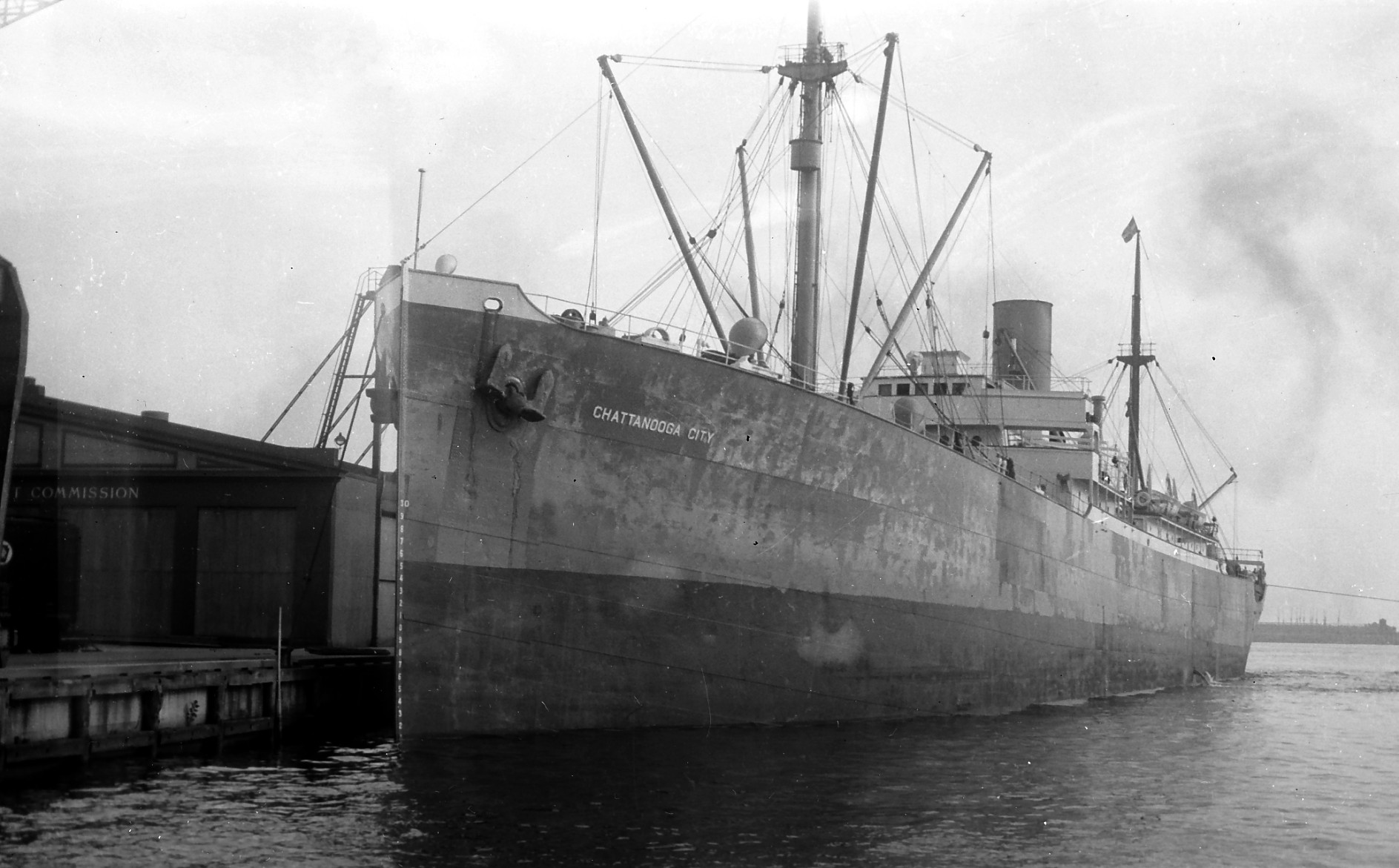
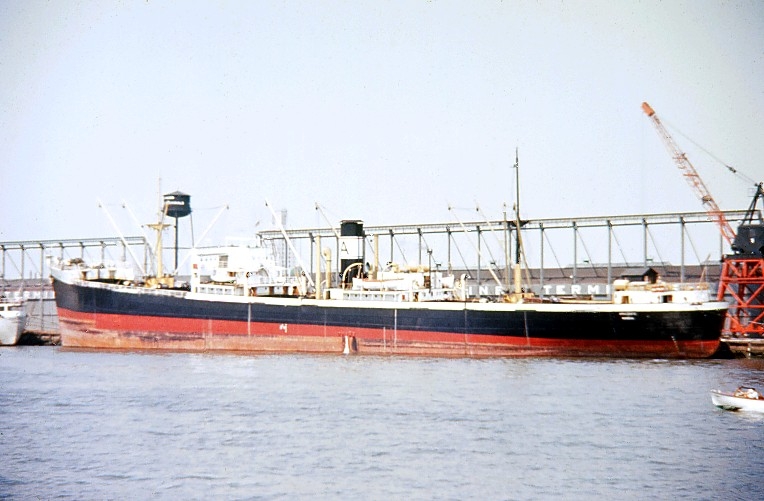
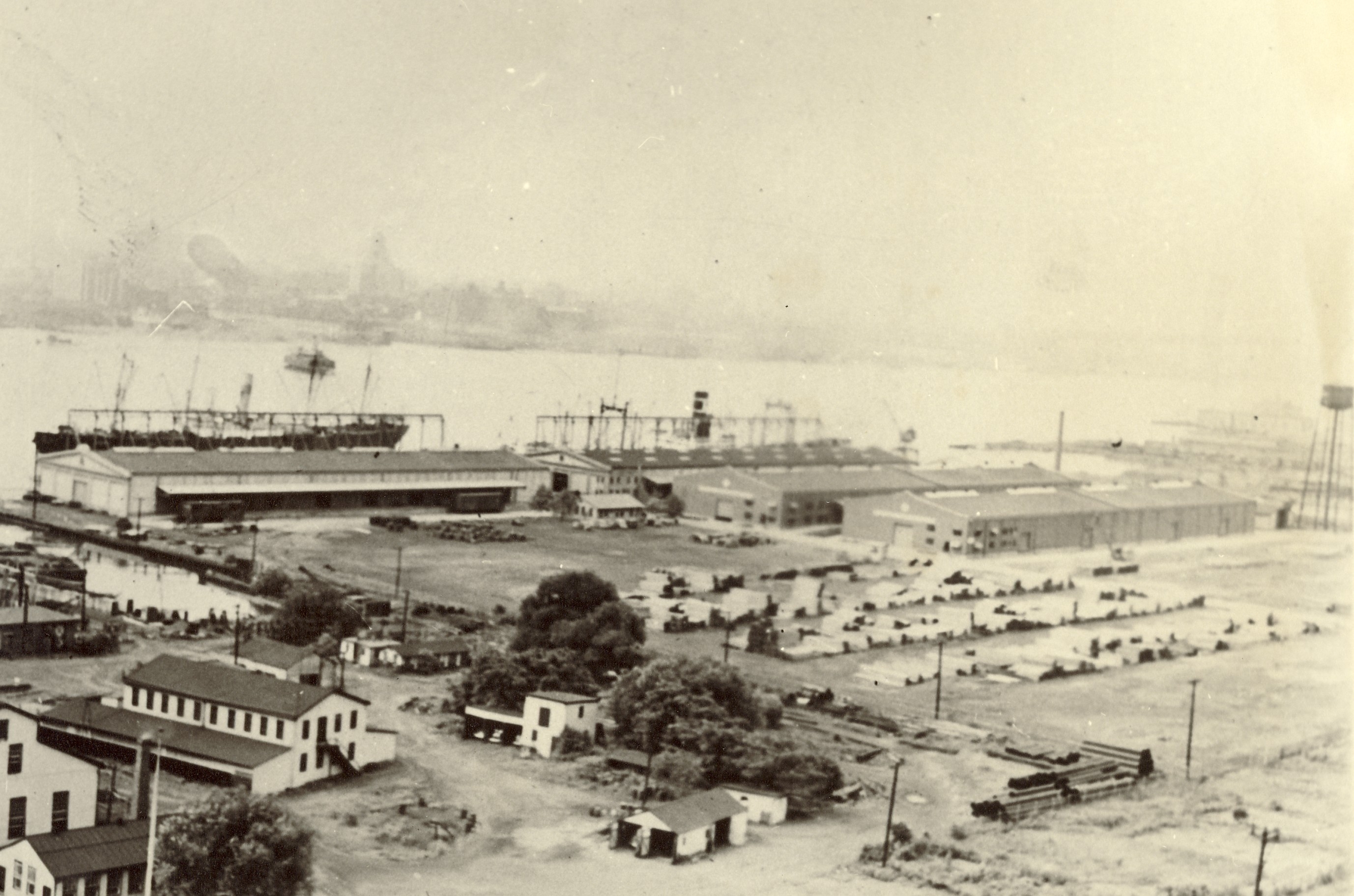
The Beckett Street Terminal on the Camden waterfront. Includes views of the SS Lillian Luckenbach (July 14, 1933), a Luckenbach freighter (July 24, 1933), and the Chattanooga City (August 31, 1935).
Benjamin Franklin Bridge
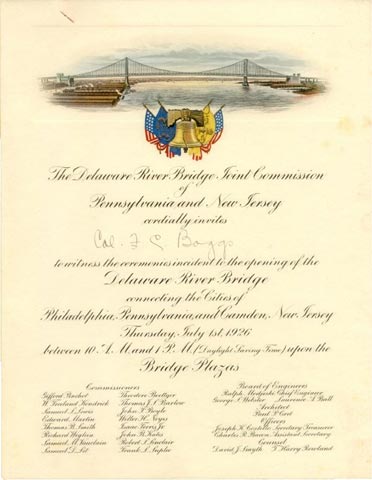
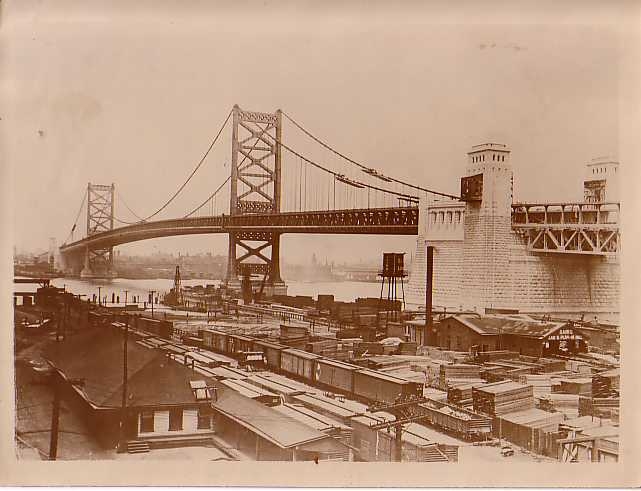
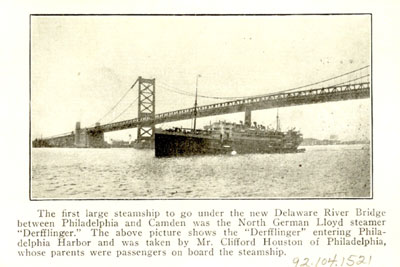
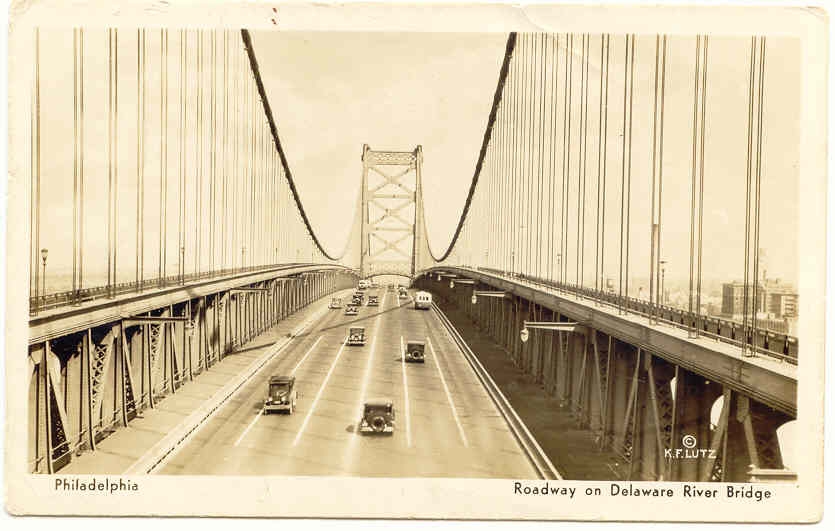
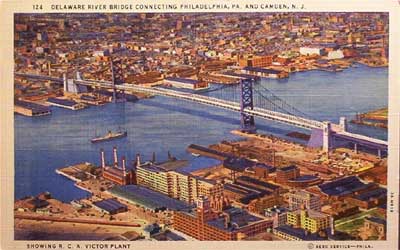
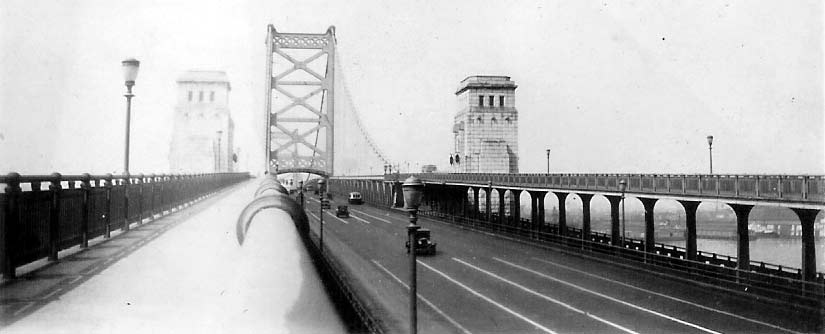
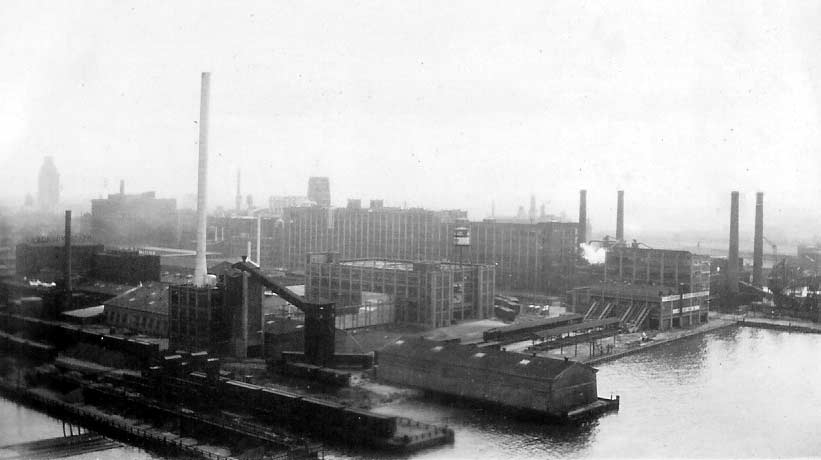
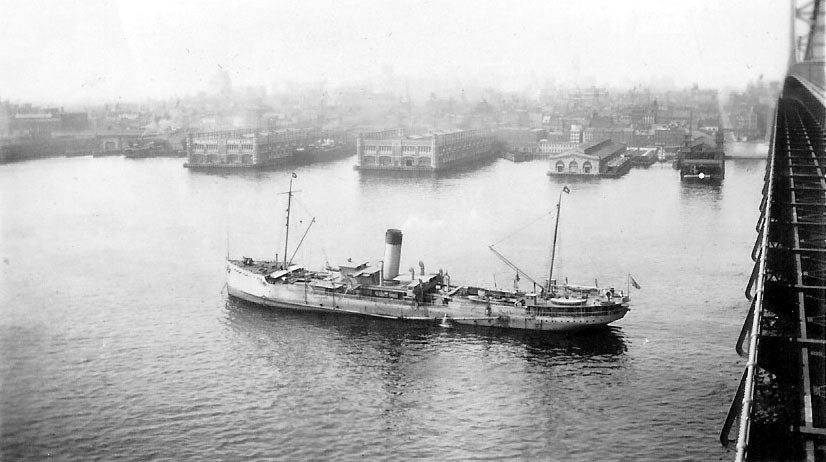
Views of the Benjamin Franklin Bridge from the Camden waterfront, including three photos taken in 1929 by Warren Fairess.
Ferries
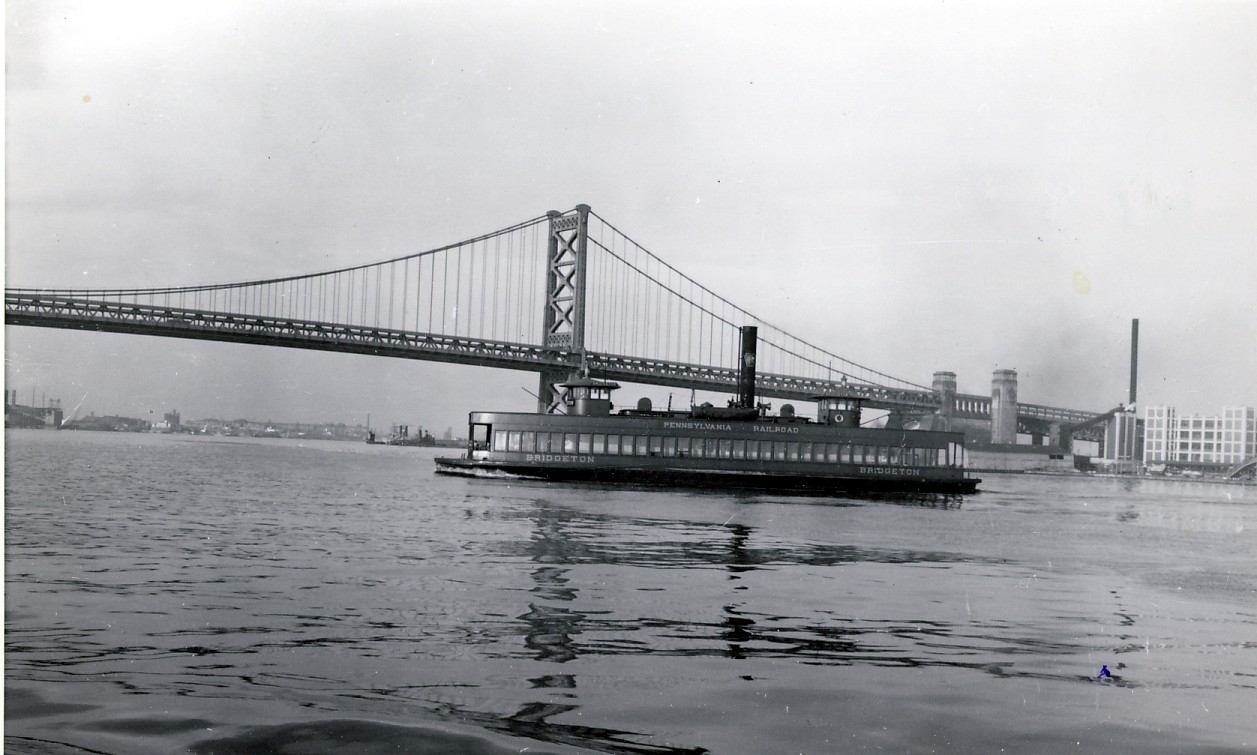
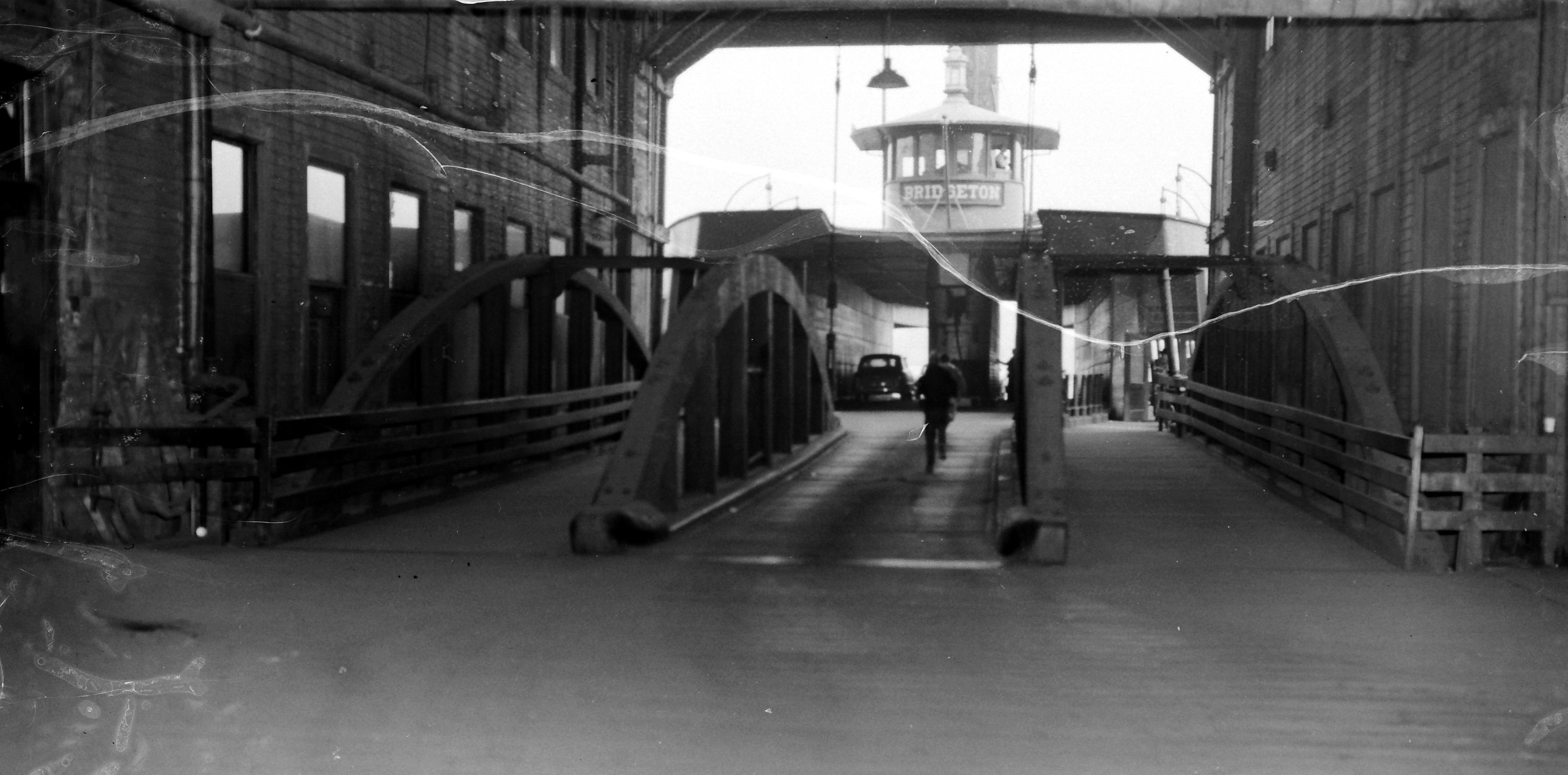
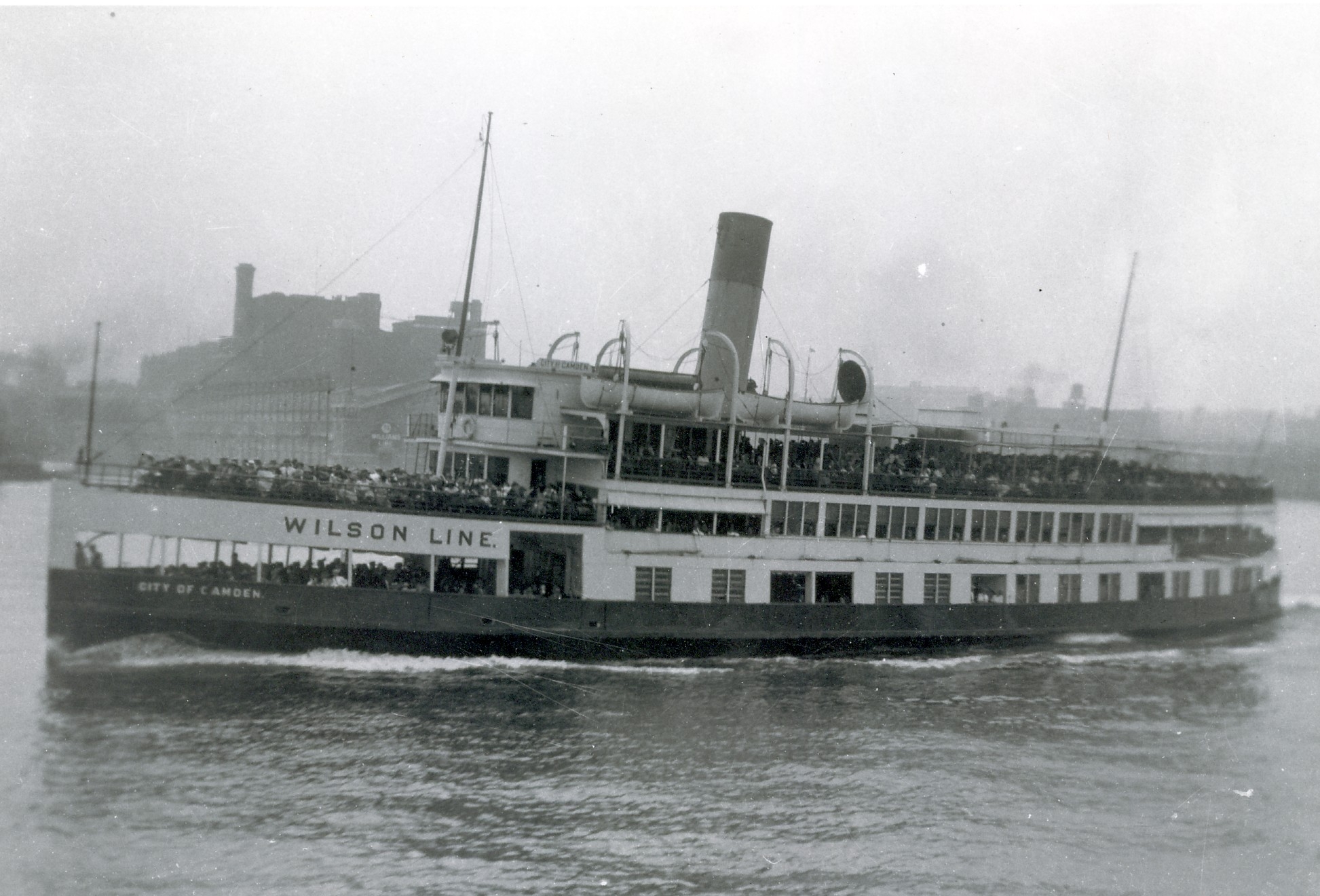
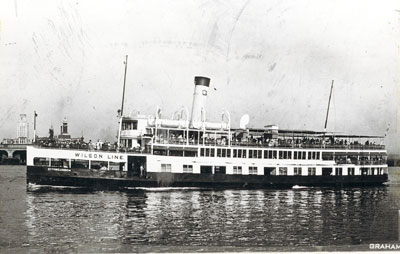
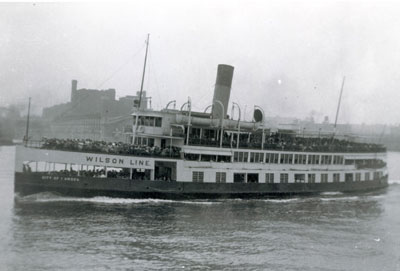
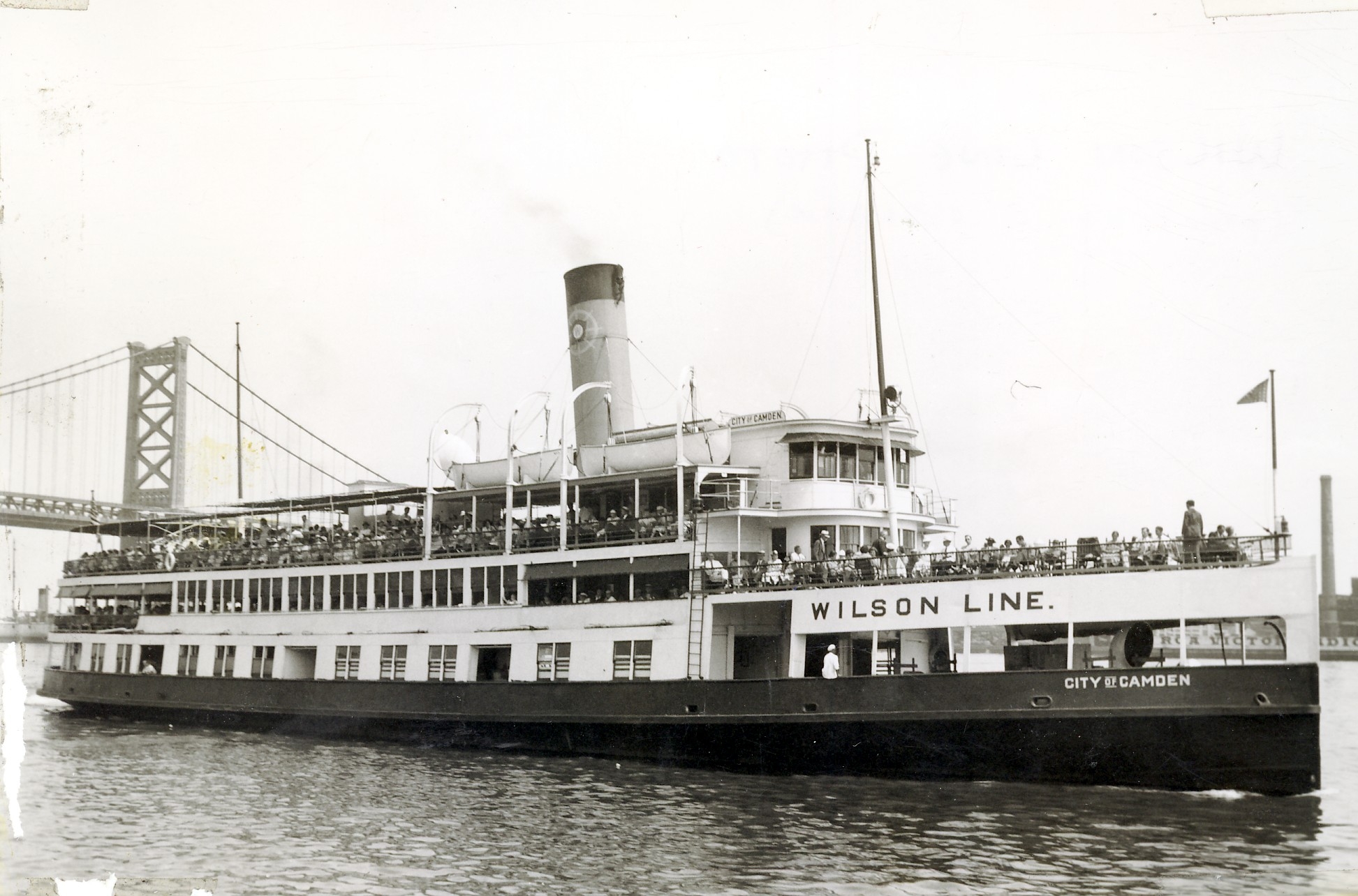
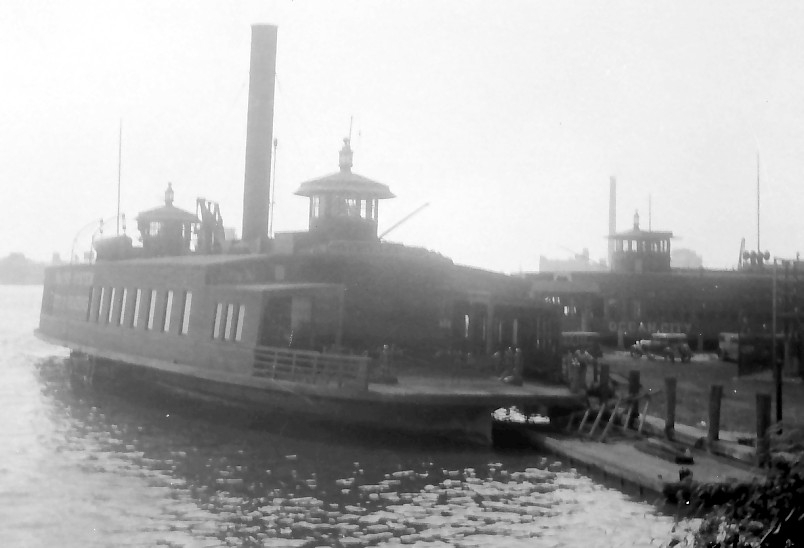
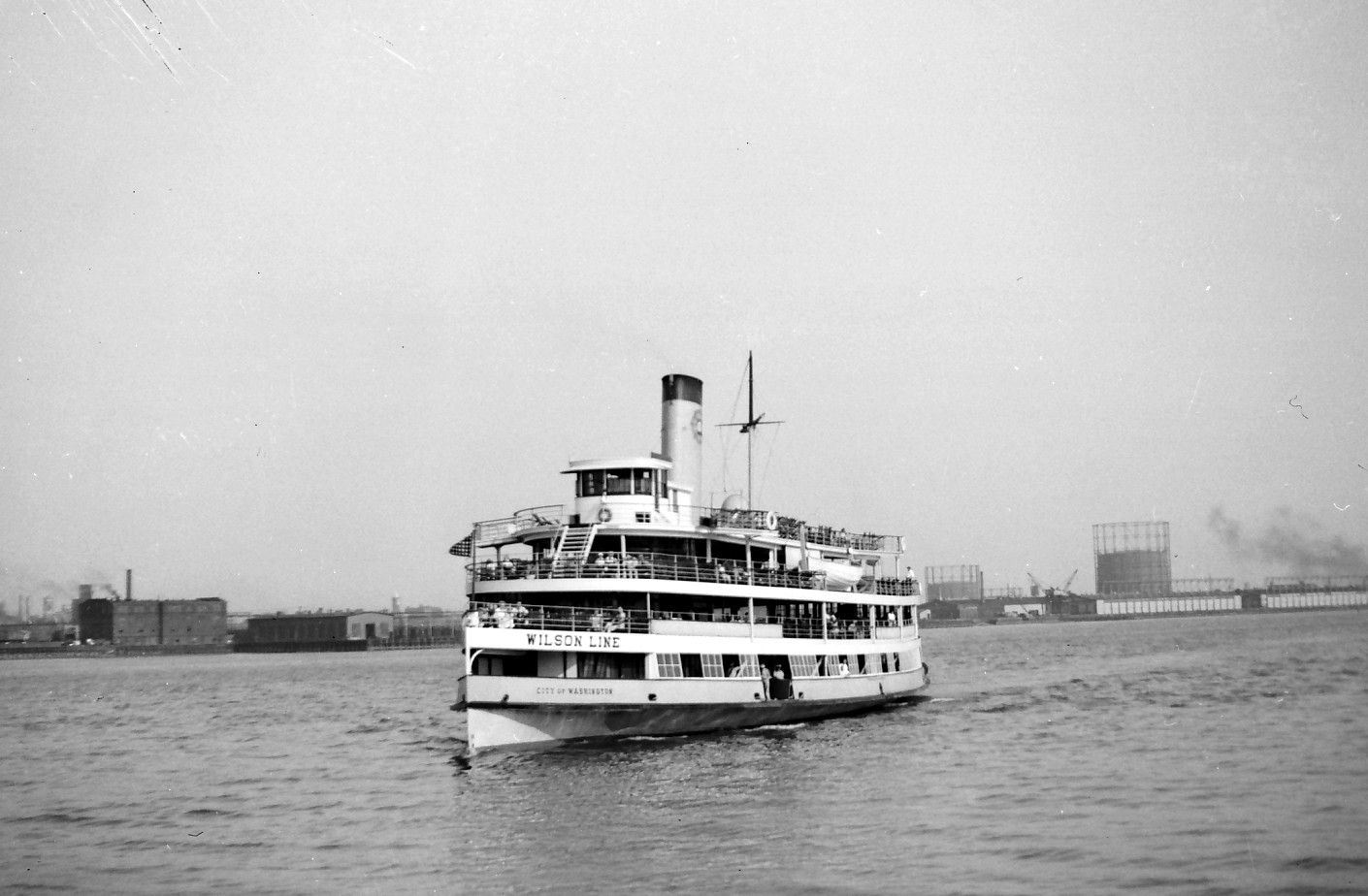
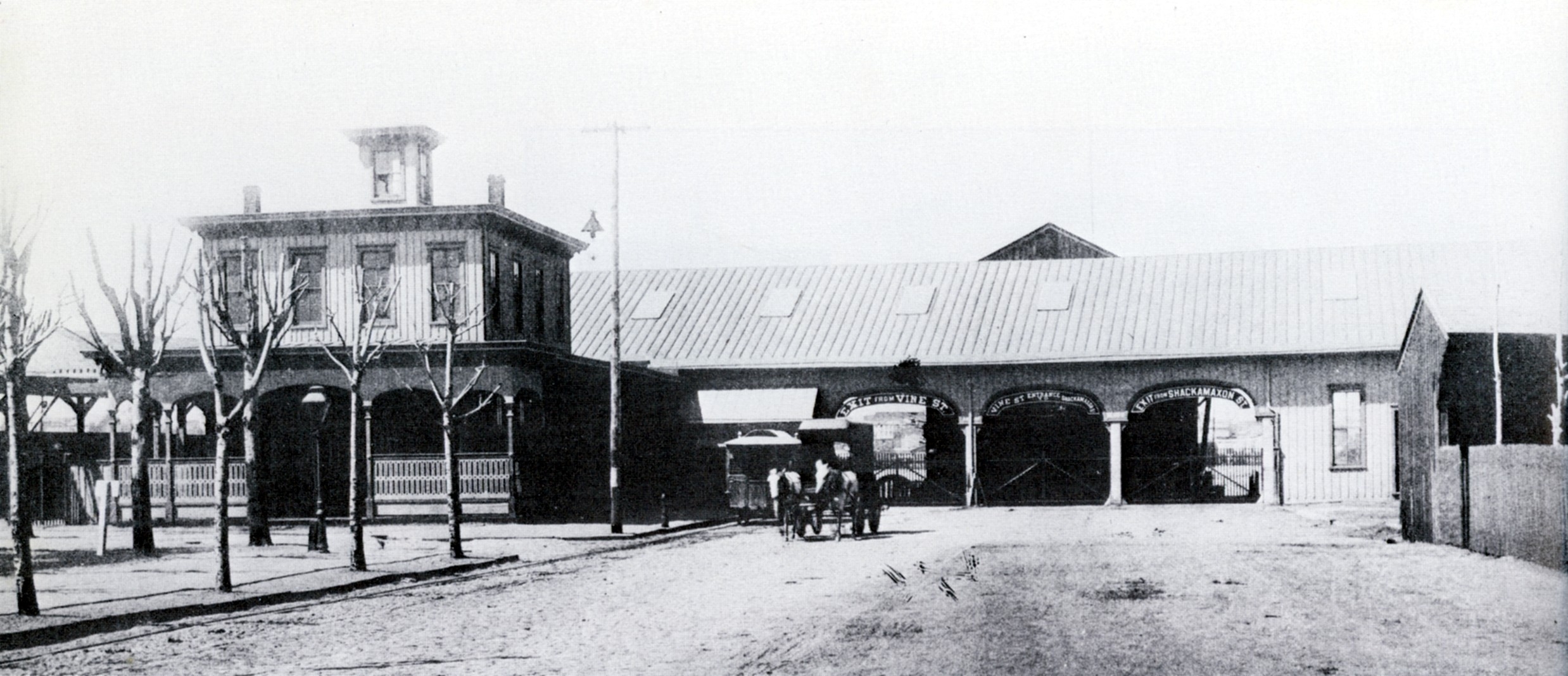
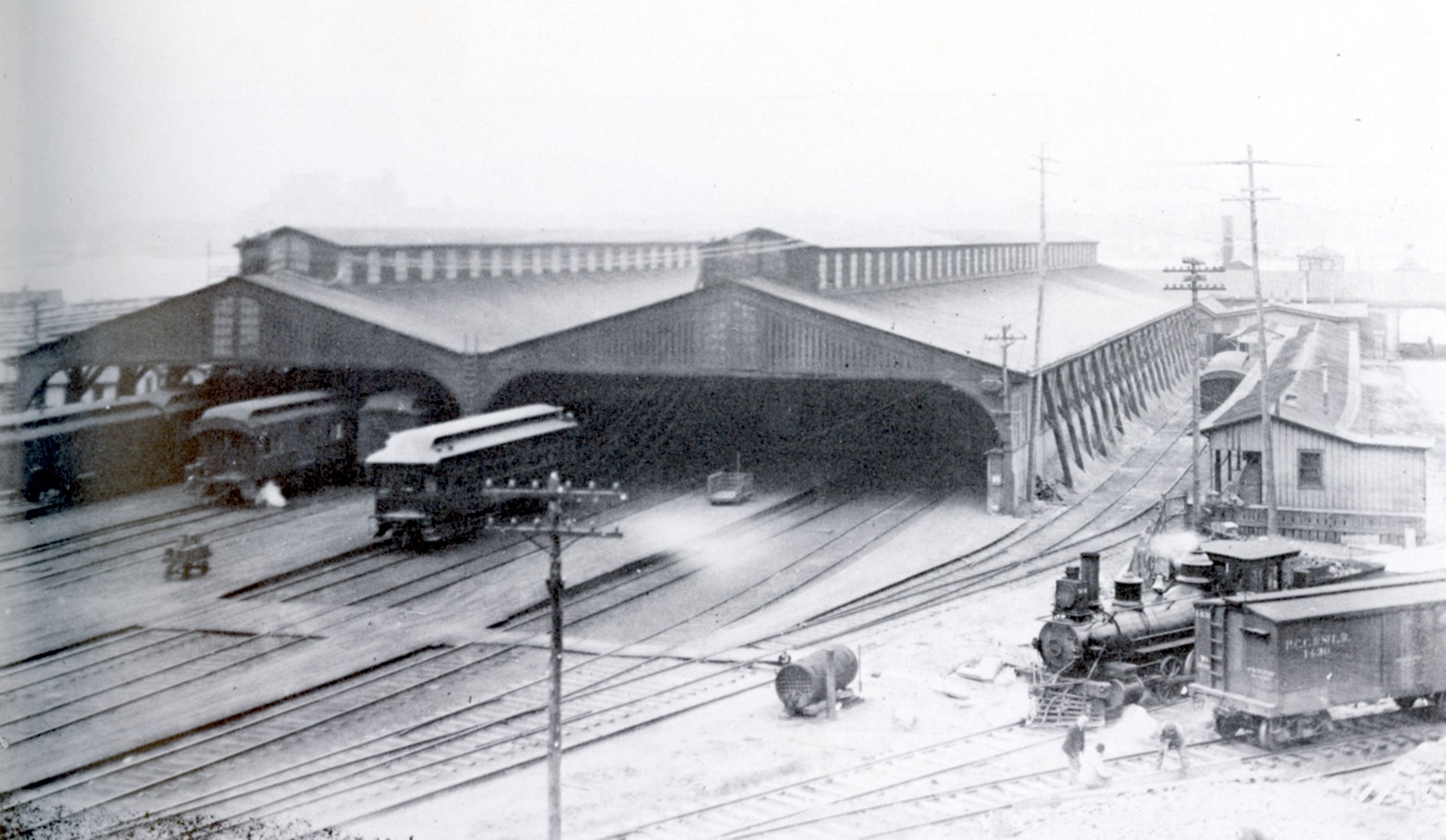
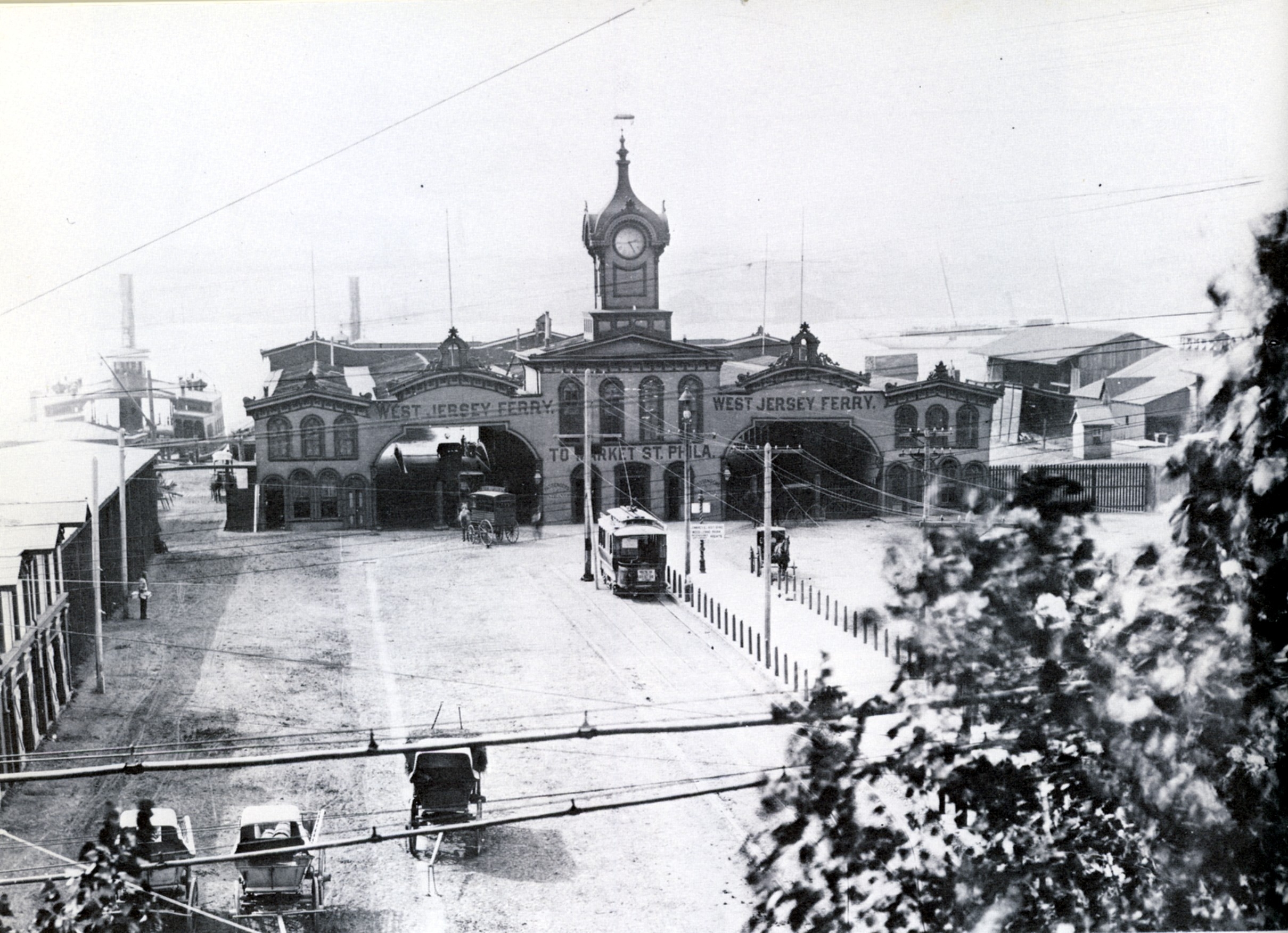
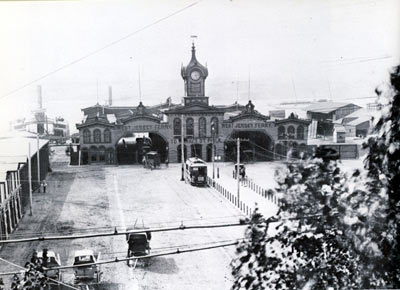
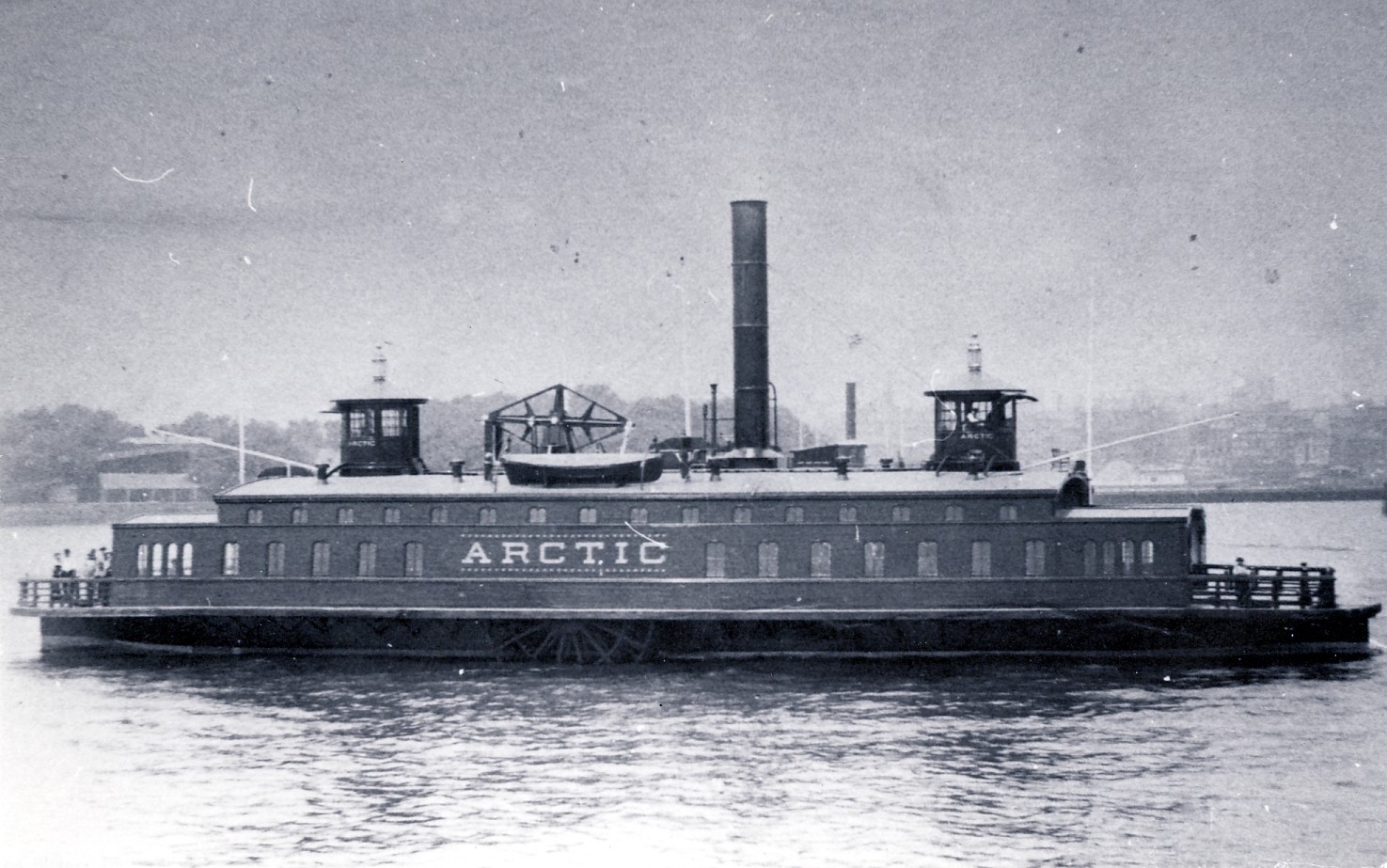
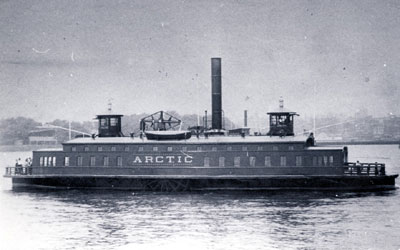
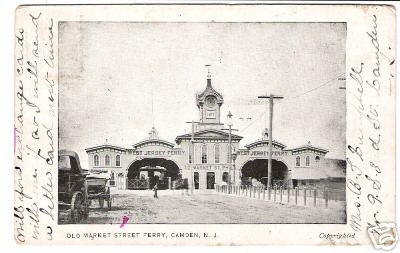
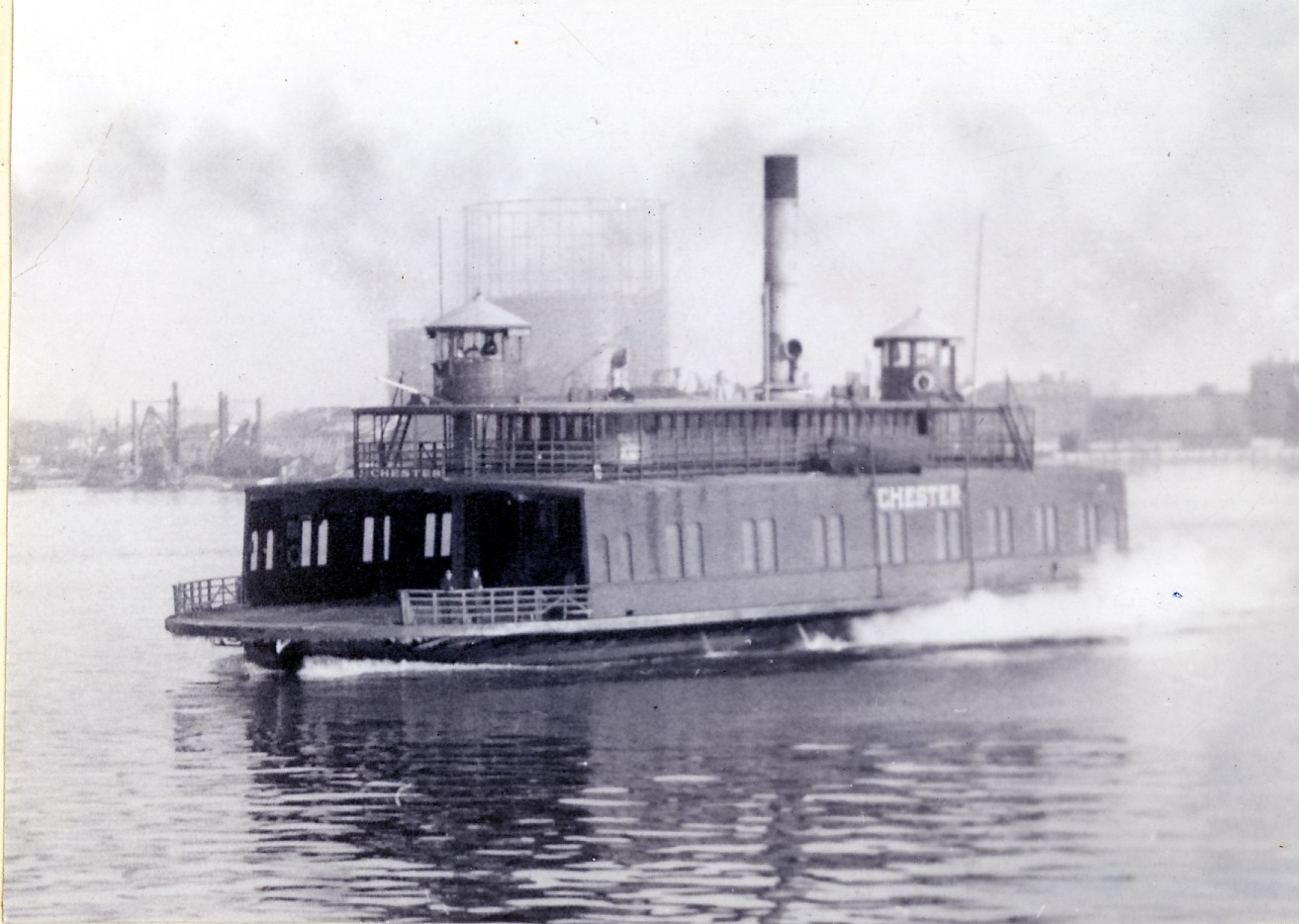
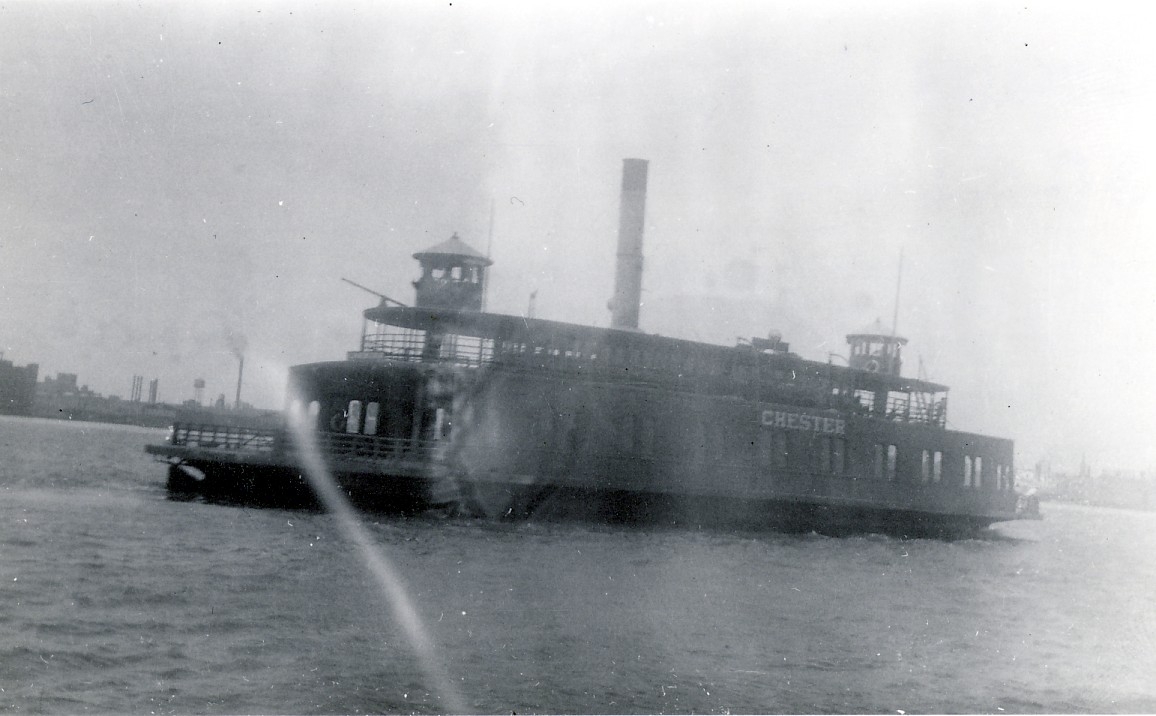
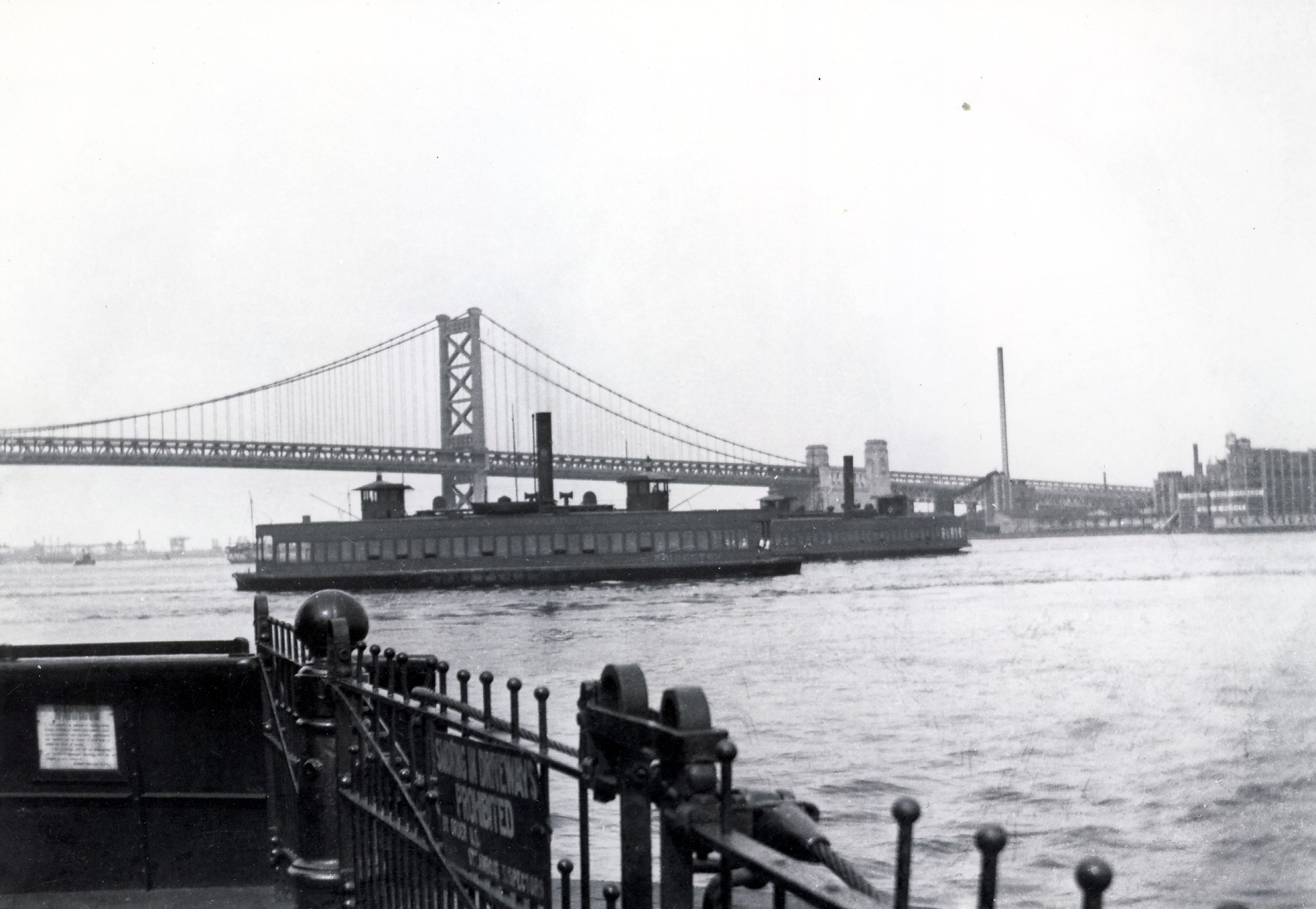
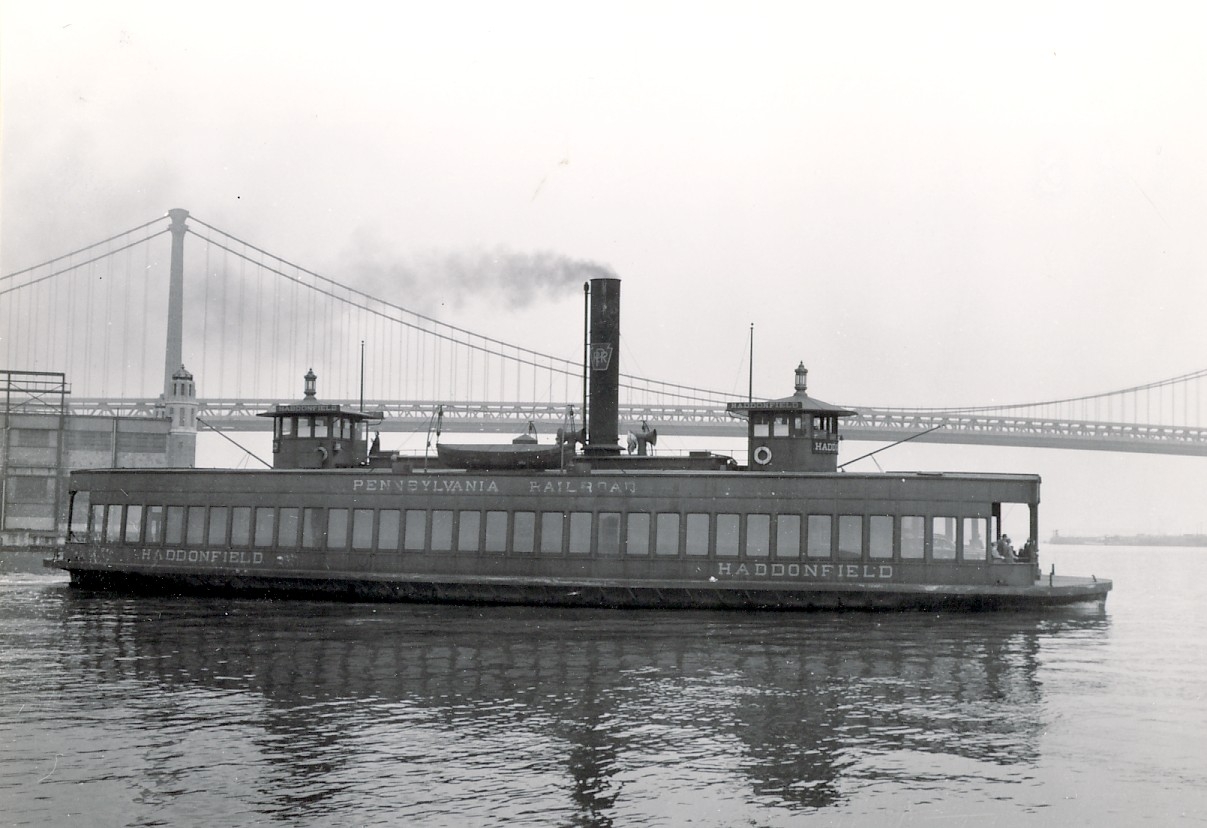
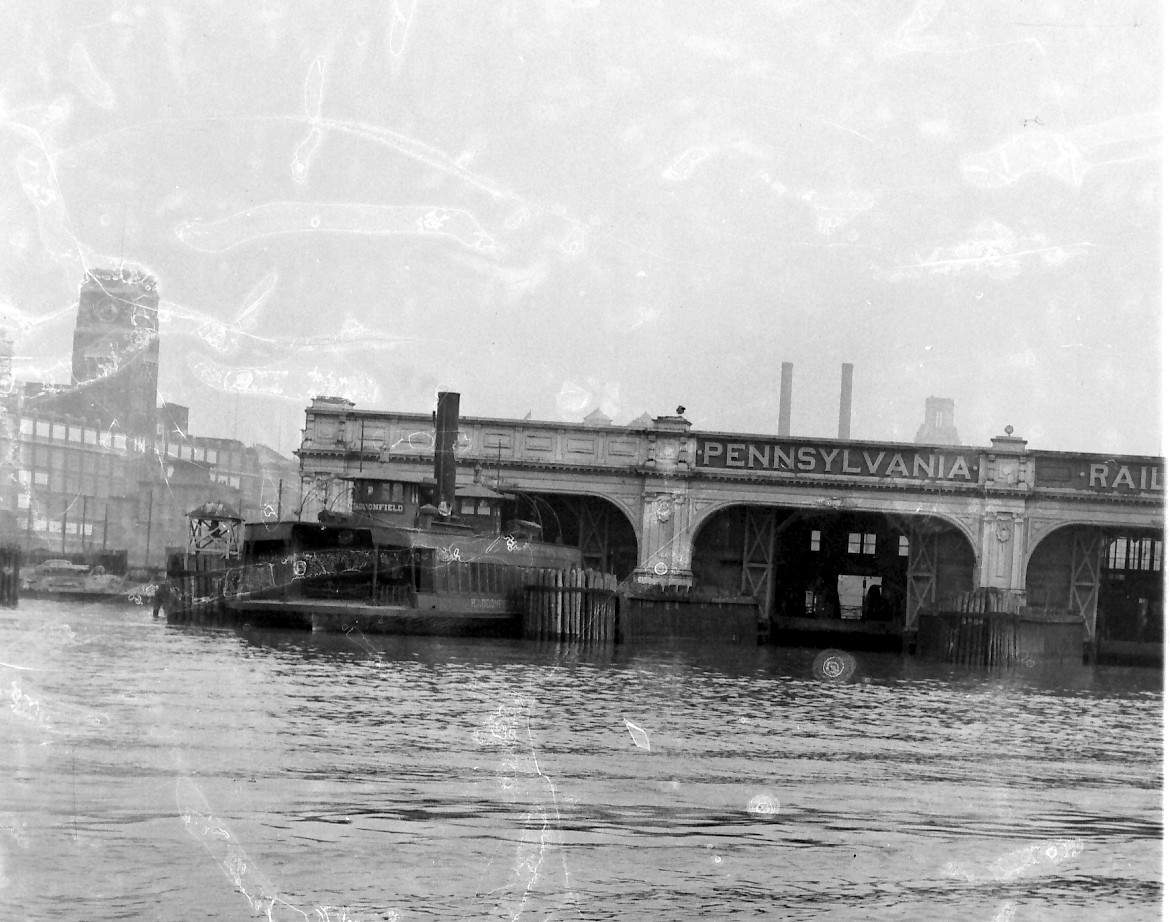
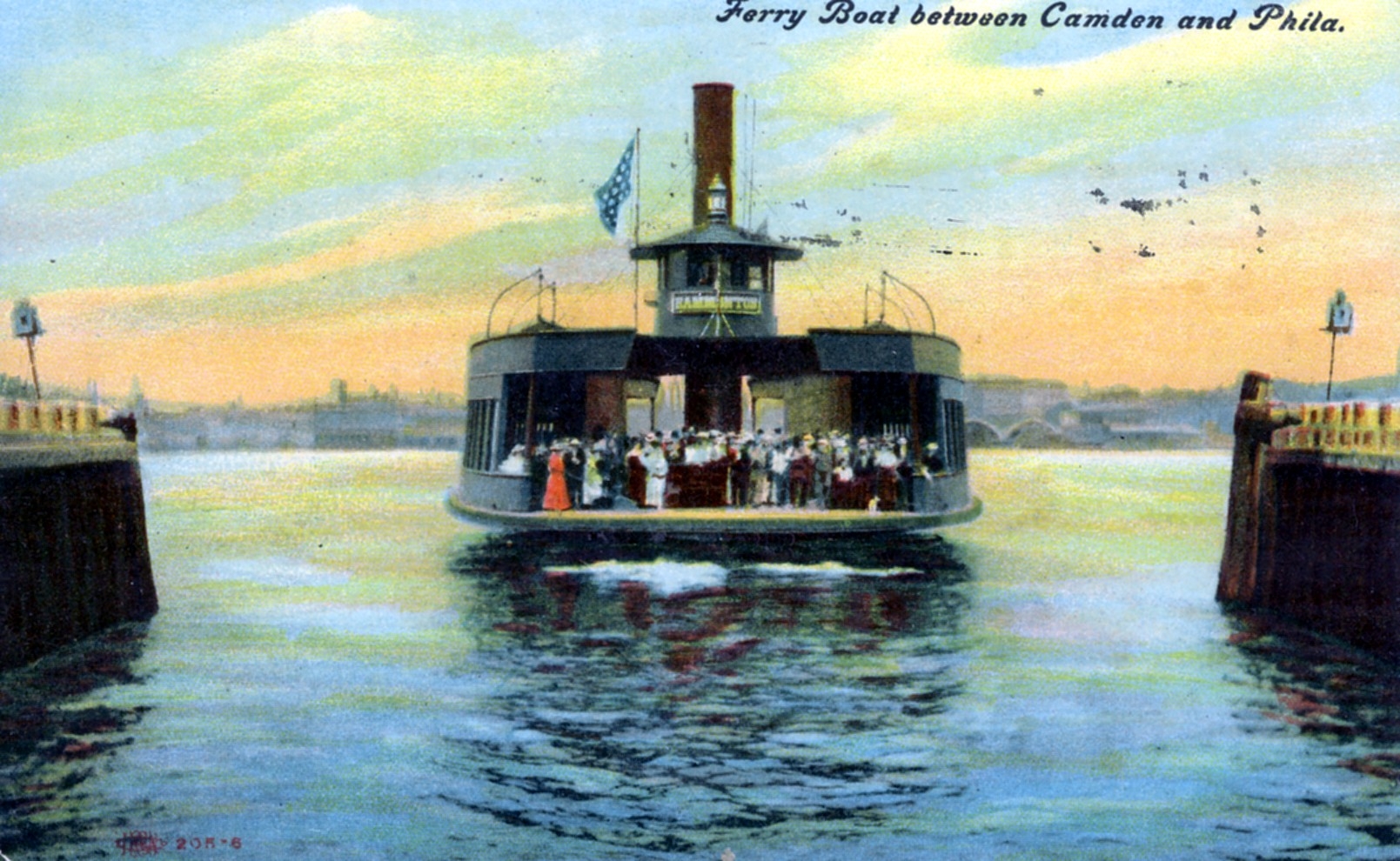
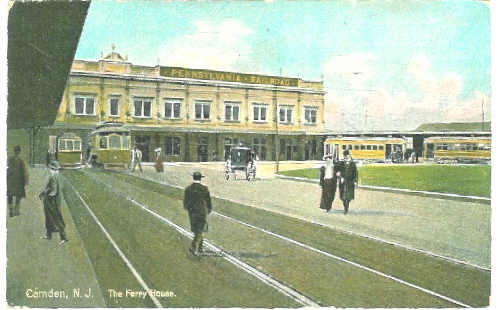
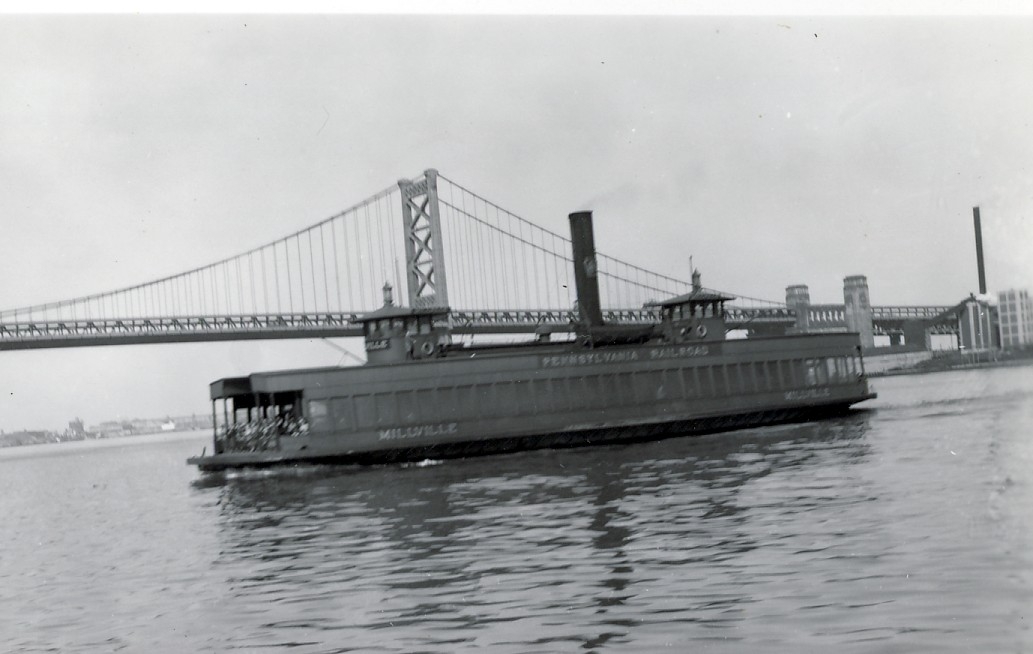
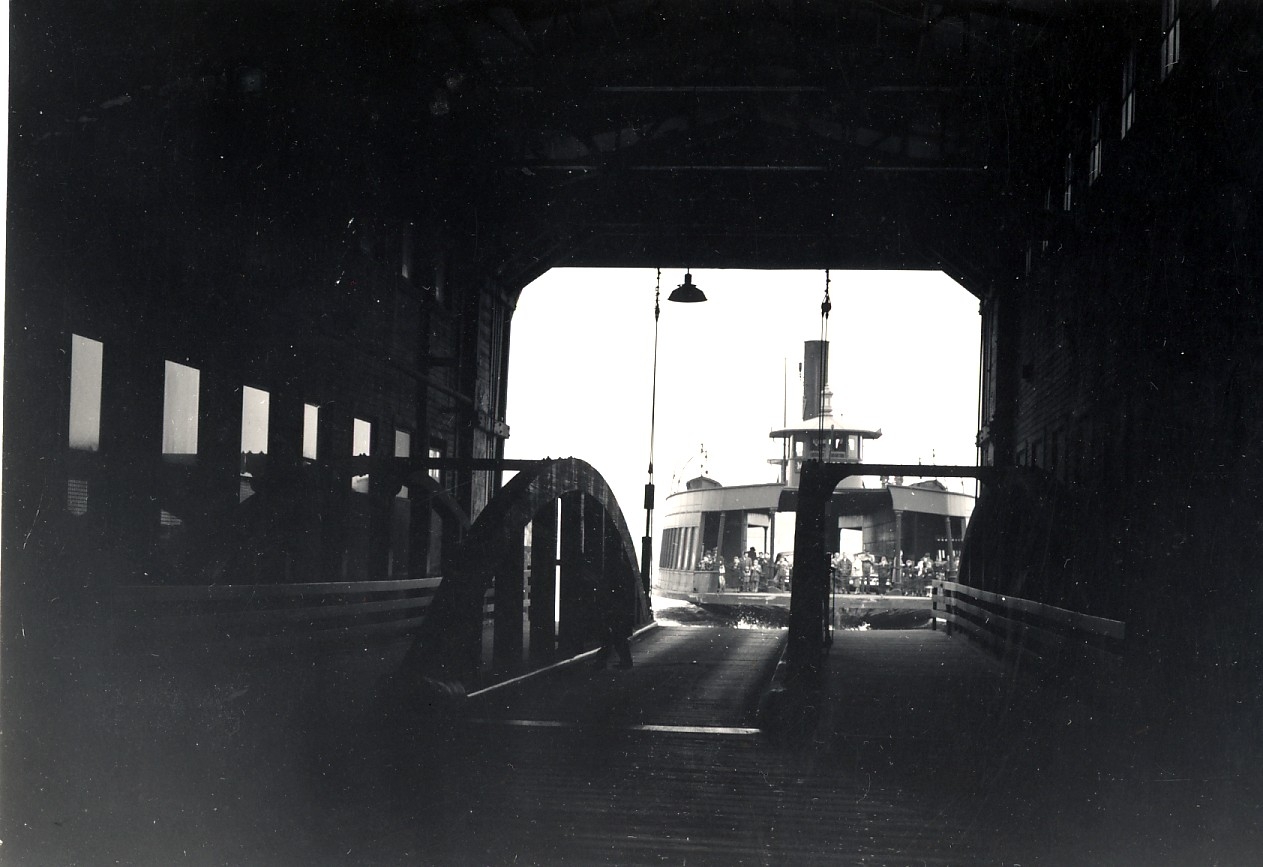
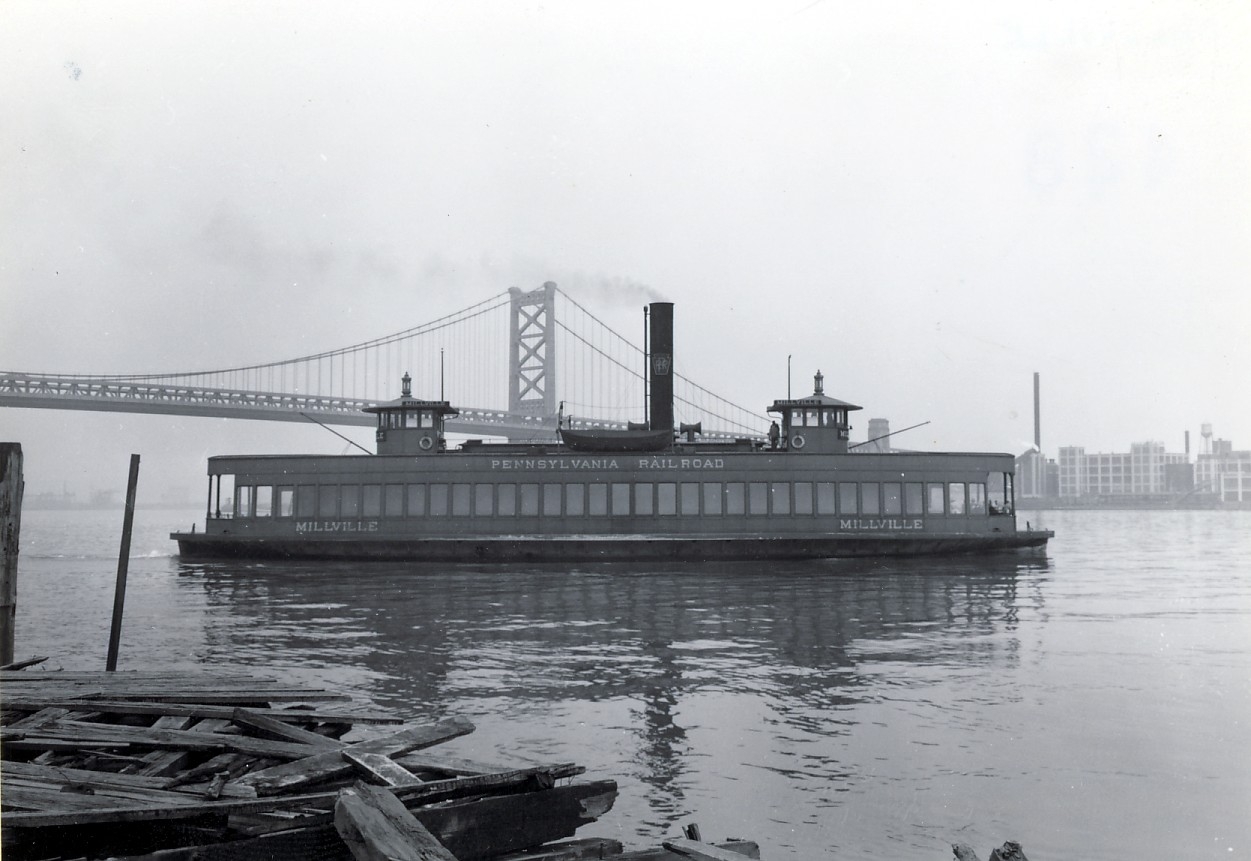
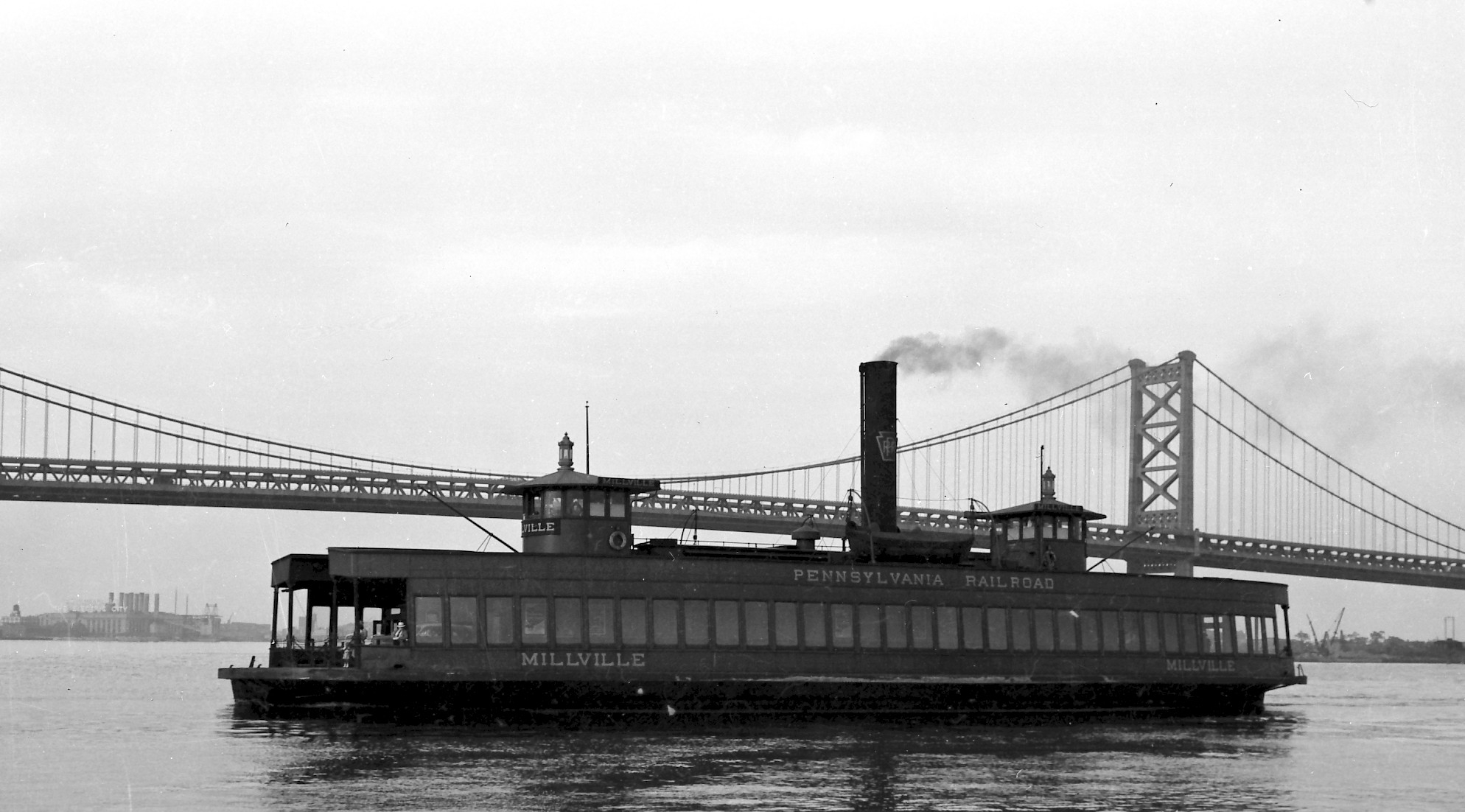
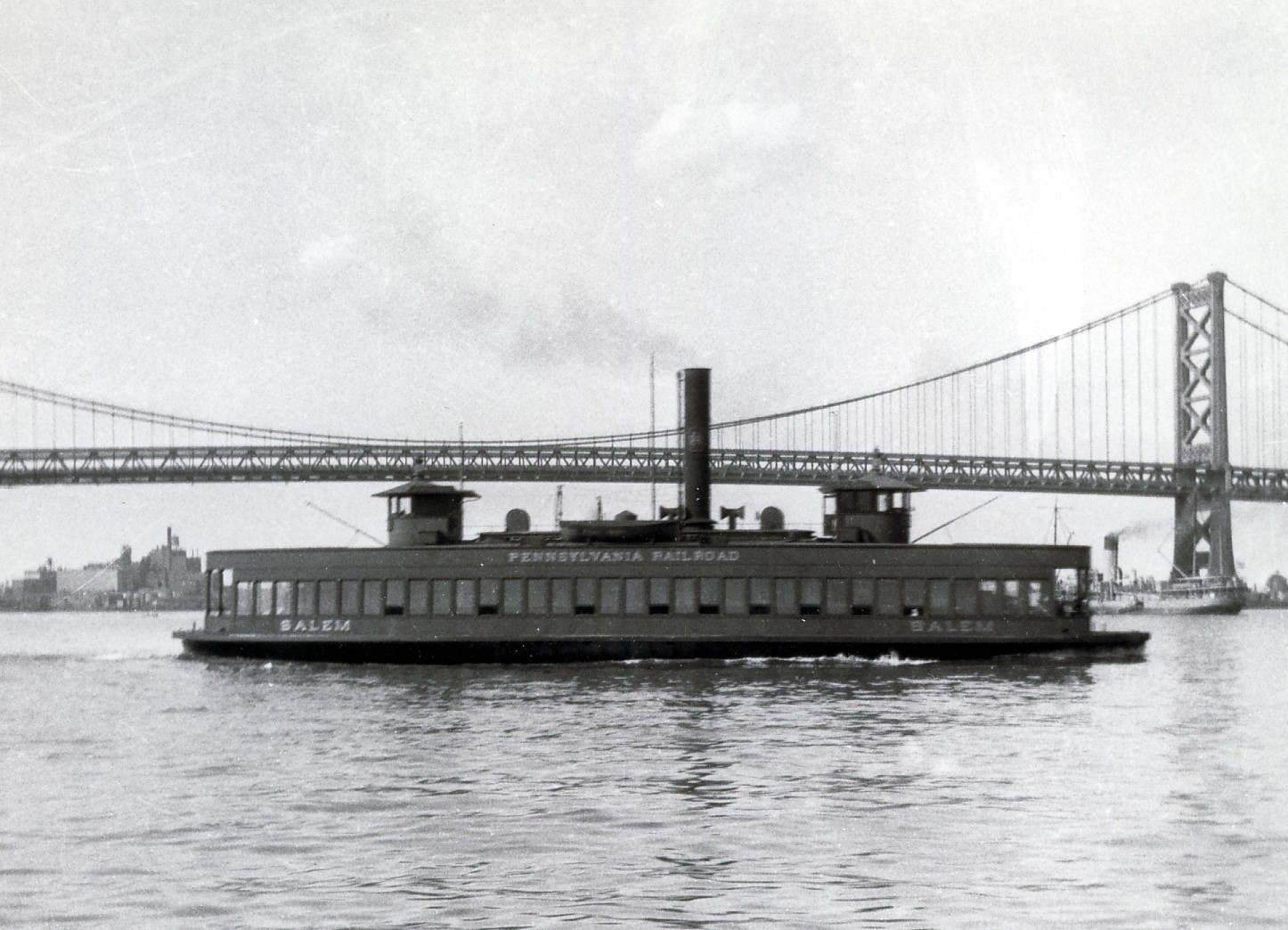
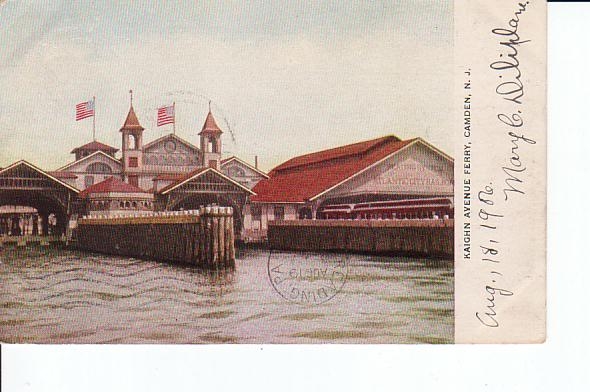
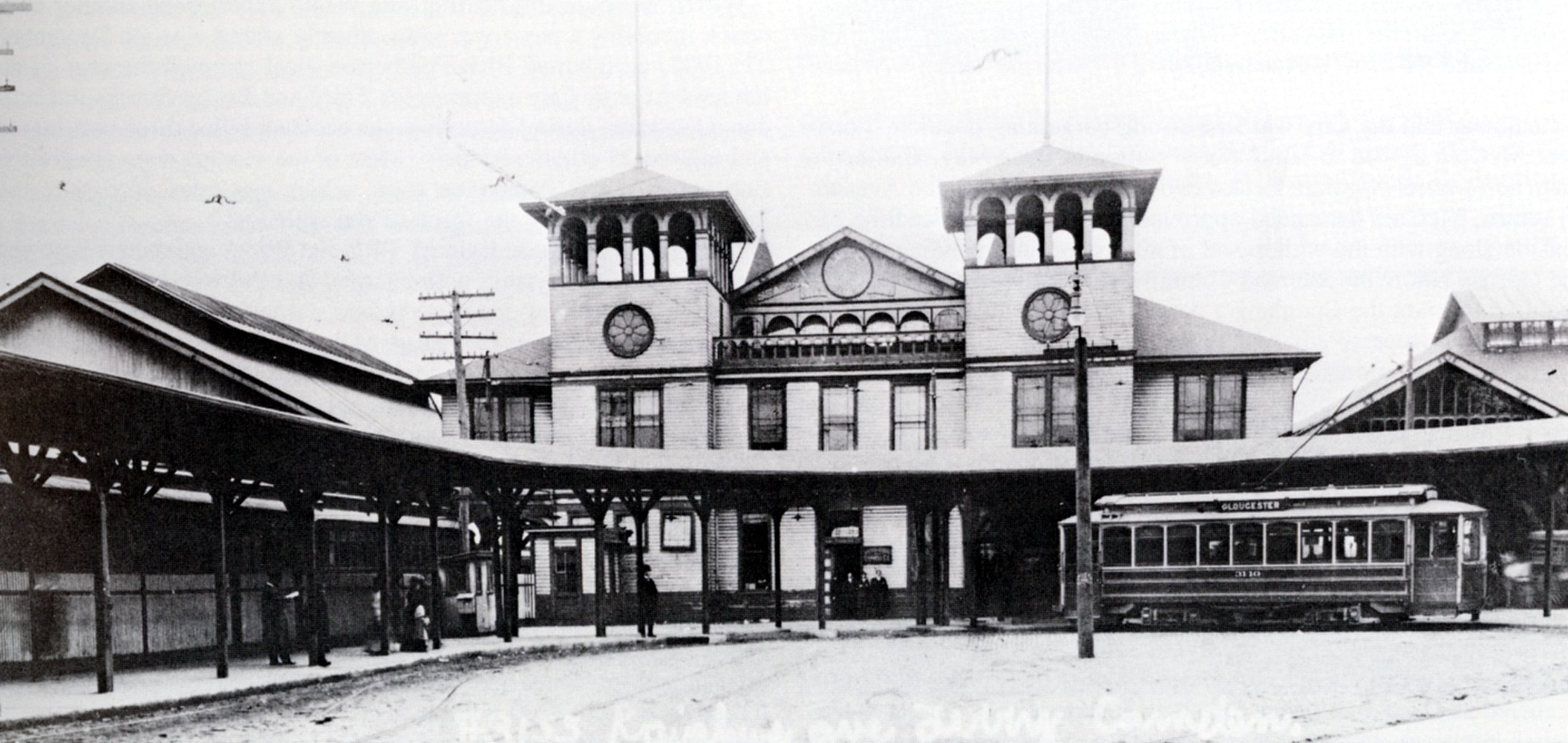
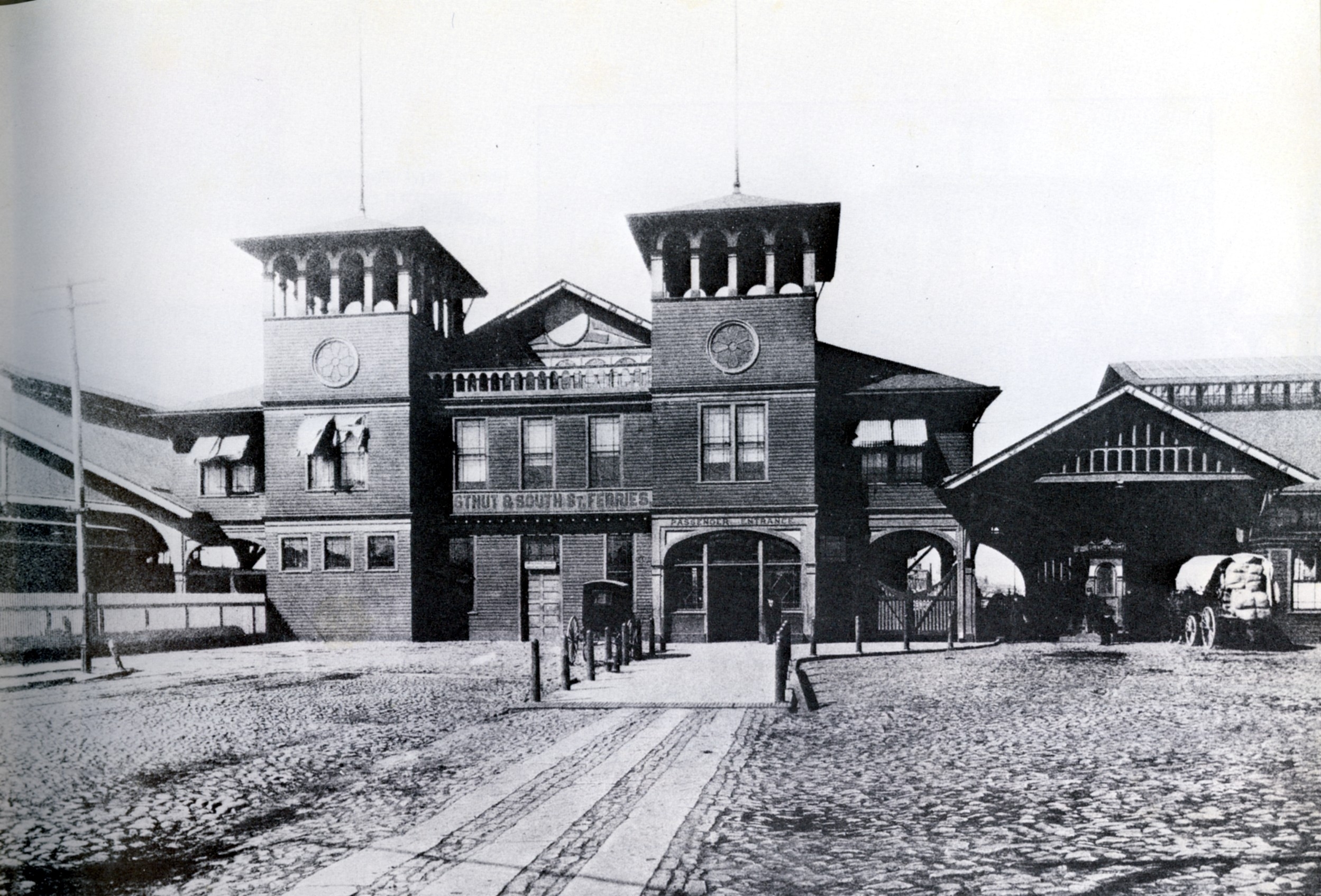
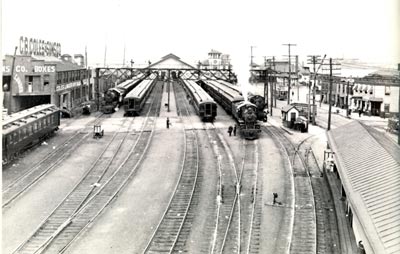
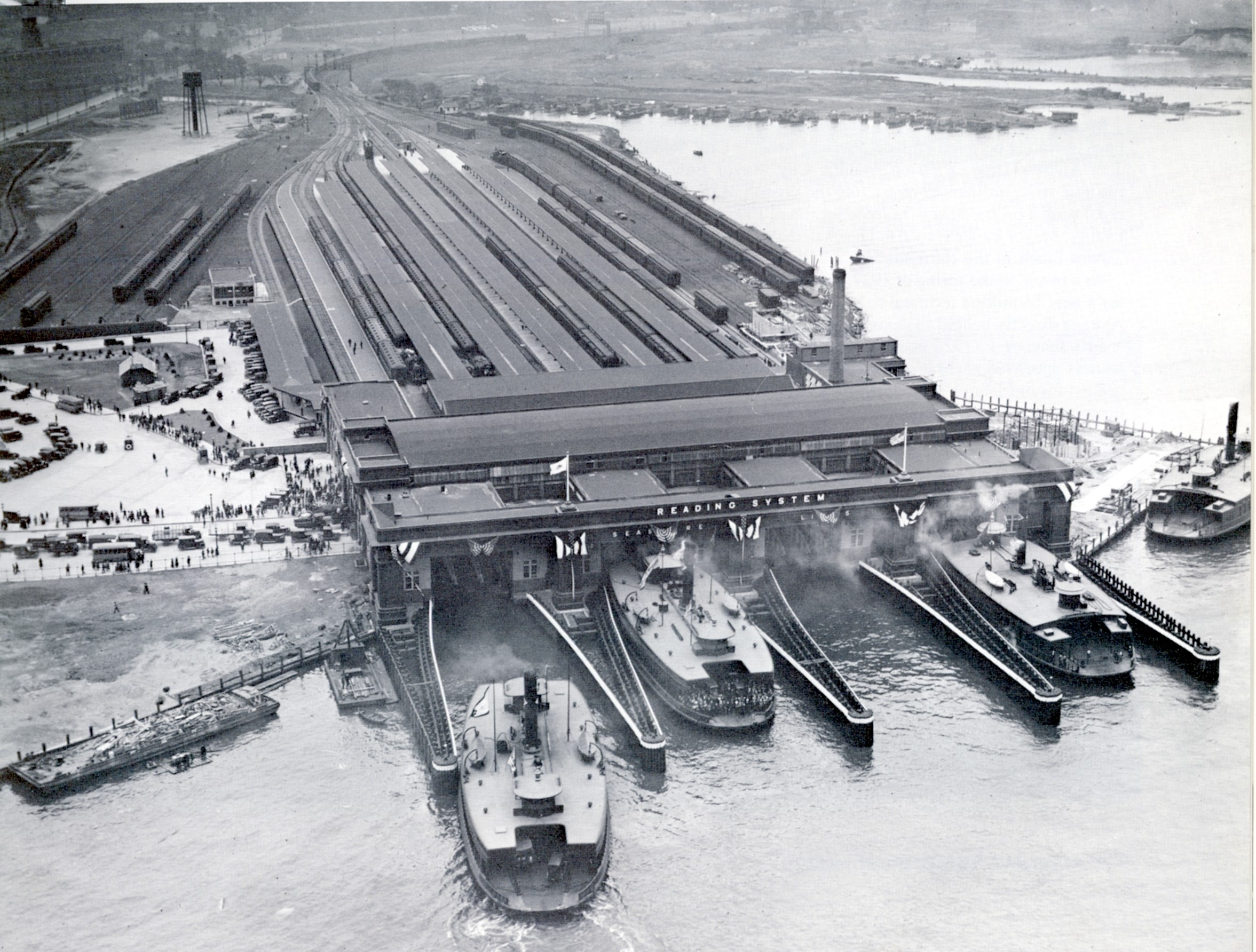
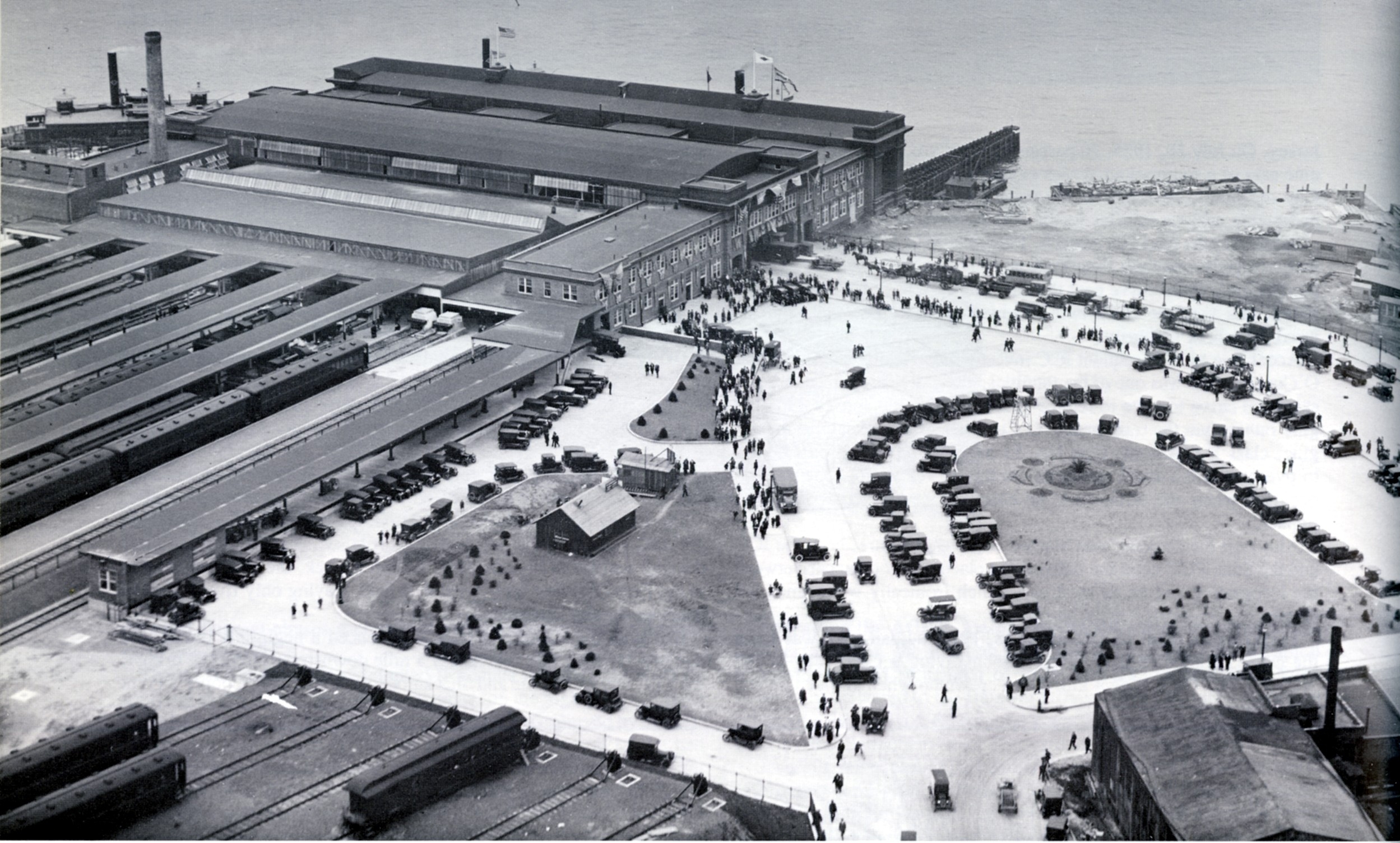
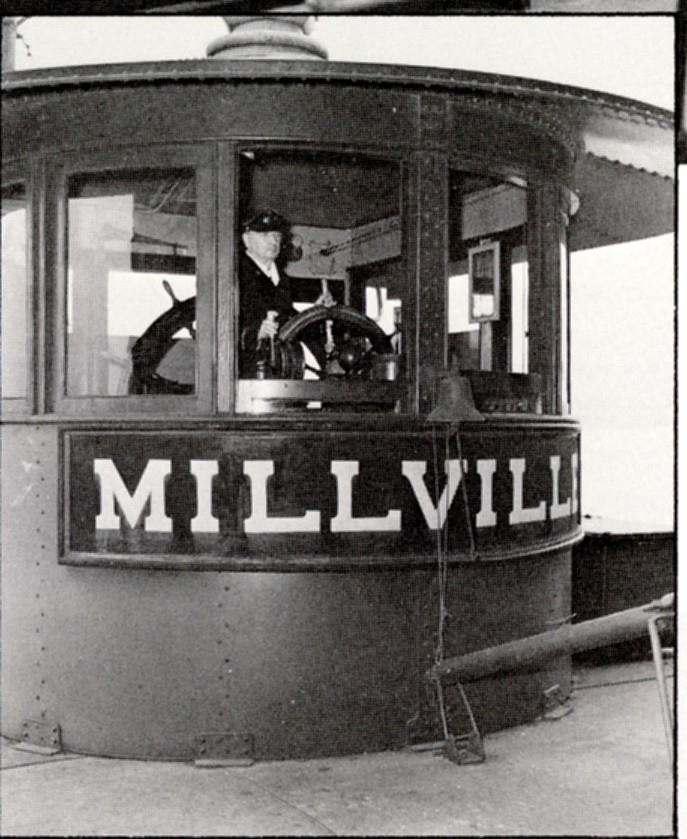
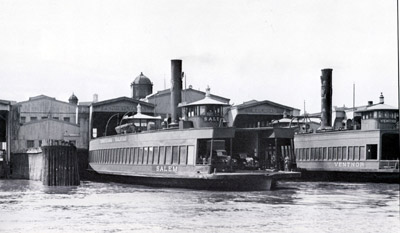
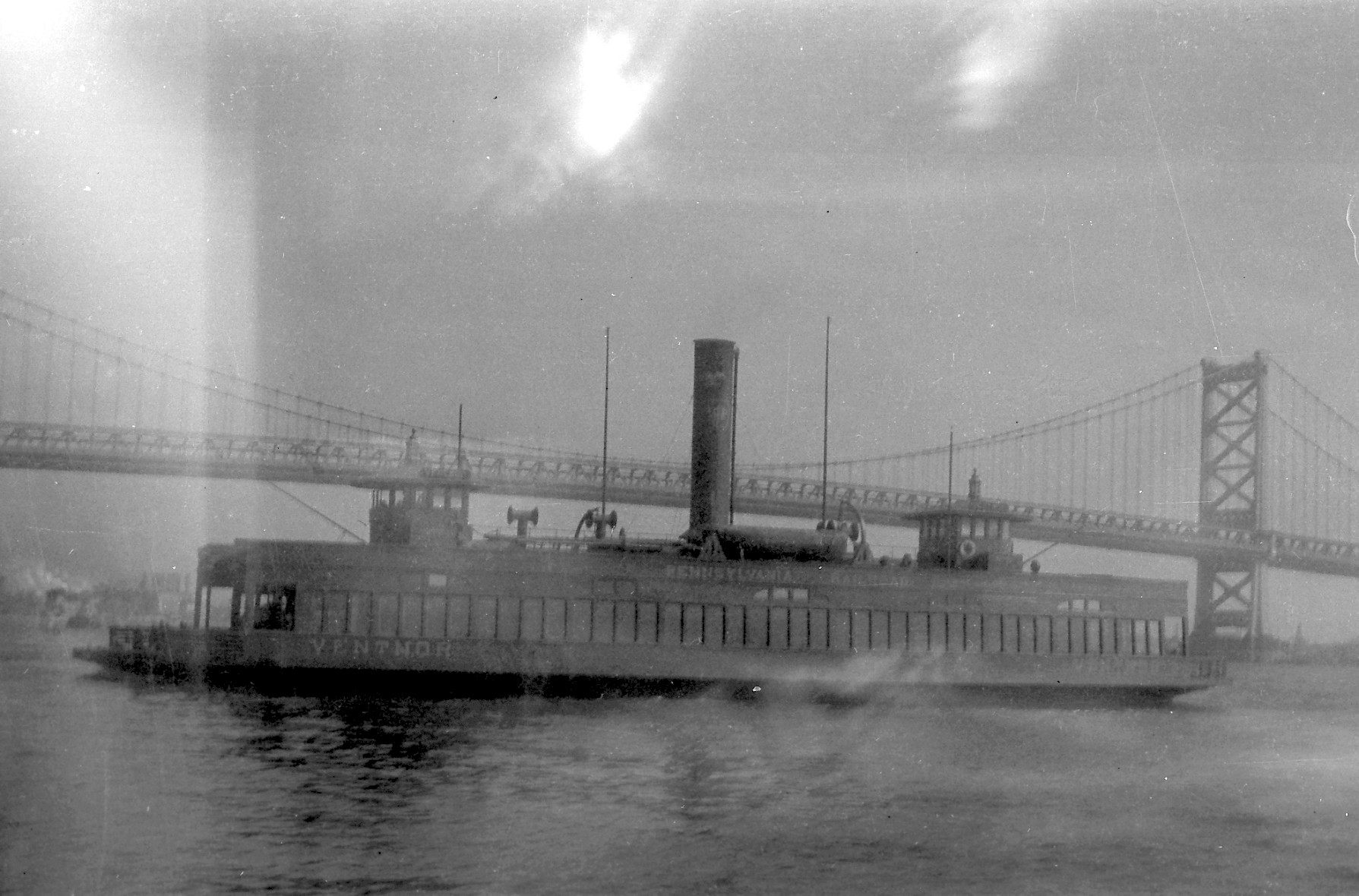
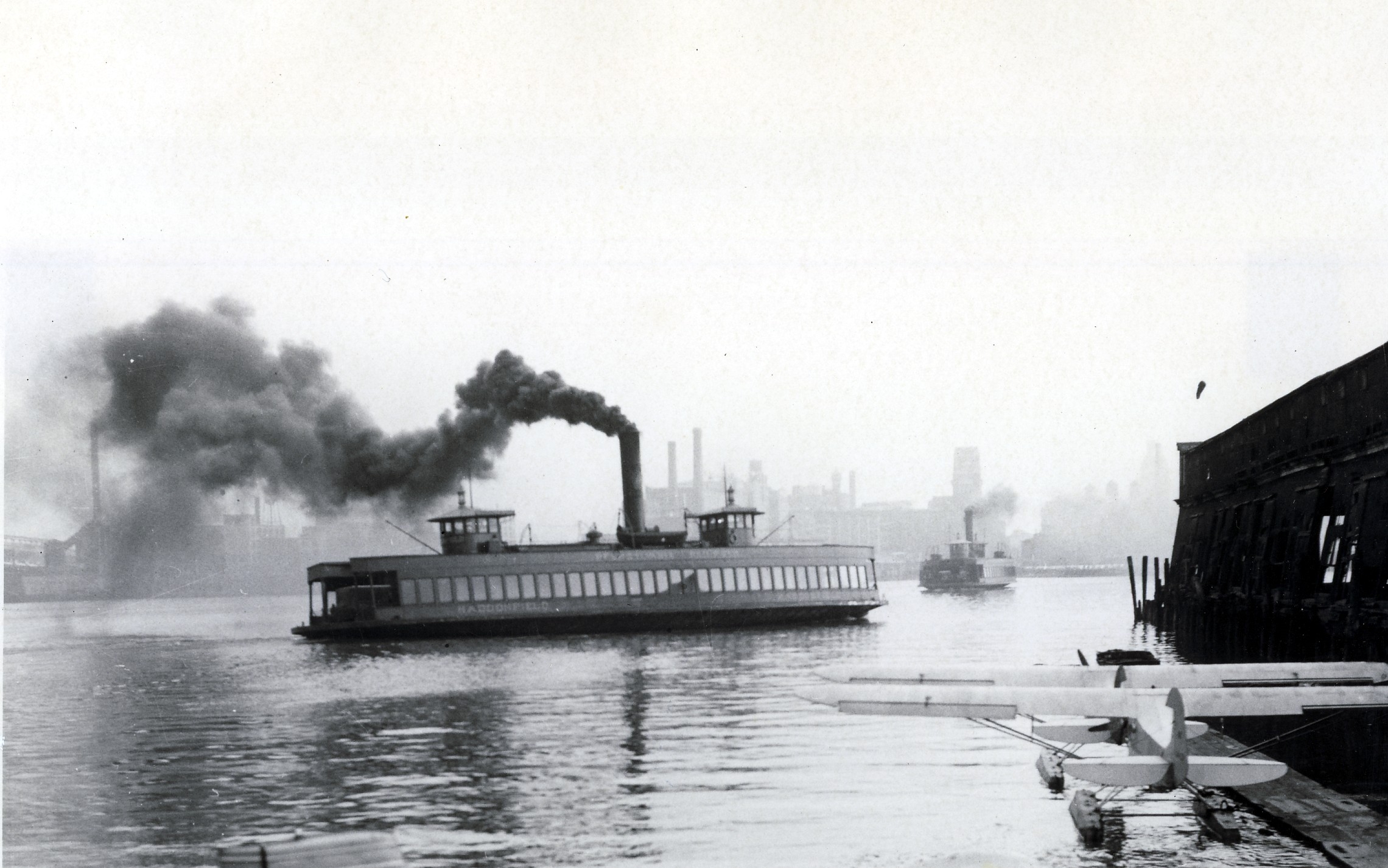
Delaware River ferries serving Camden. The West Jersey Ferry (circa 1895) was served by Captain John G. Hutchison, who was superintendent of the ferry for over 30 years, beginning in 1857. The ARCTIC was built in 1879 for the West Jersey Ferry.
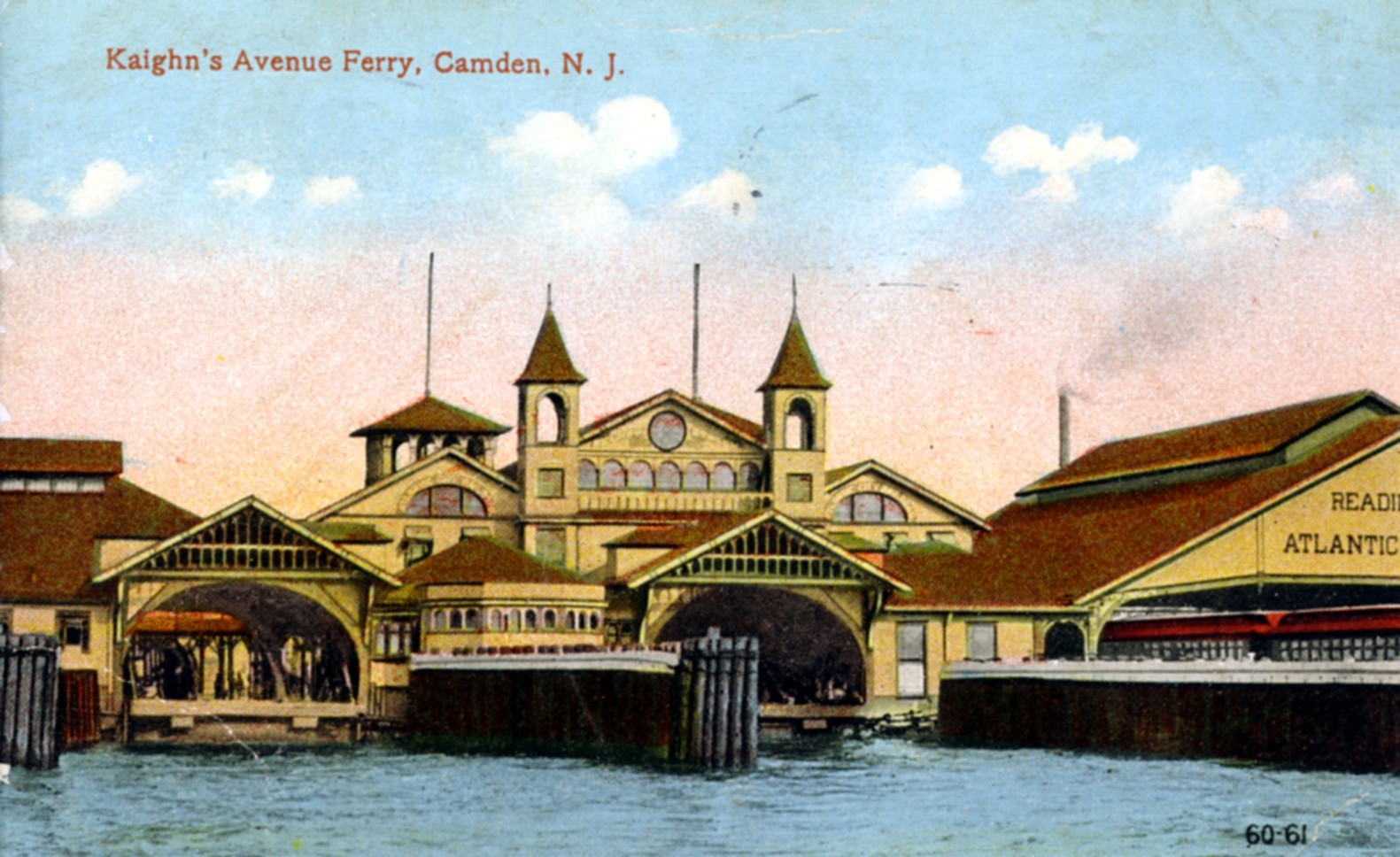
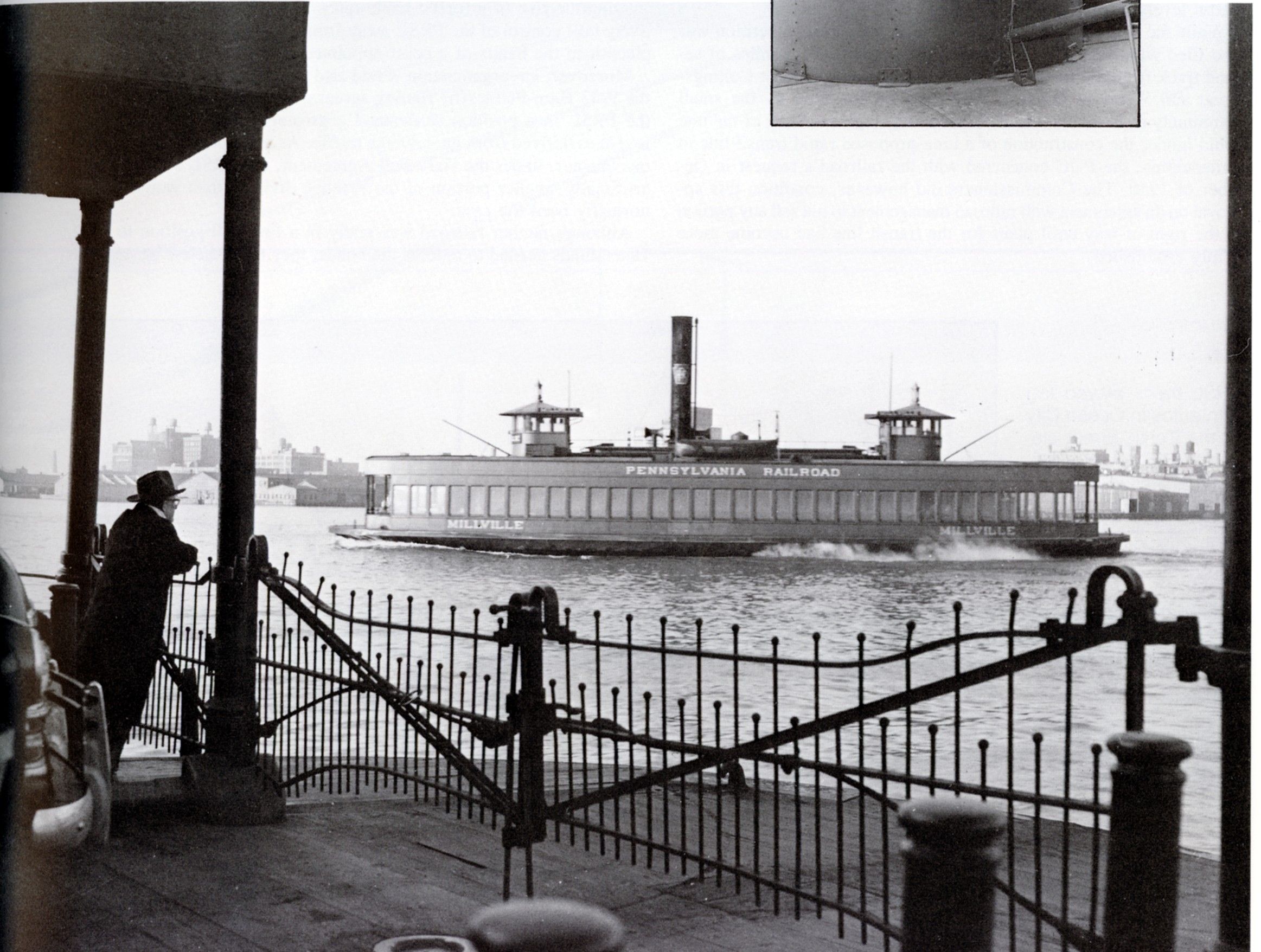
Ferry routes connecting Camden to Philadelphia included Federal Street, Market Street (Kaighn's Point), Cooper's Point (Vine Street), and Beckett Street. The BRIDGETON, City of Camden, City of Reading, City of Wilmington, Haddonfield, Hammonton, Millville, Salem, and Ventnor were among the ferries serving these routes.
Camden Waterfront — Aerial and Overview Views
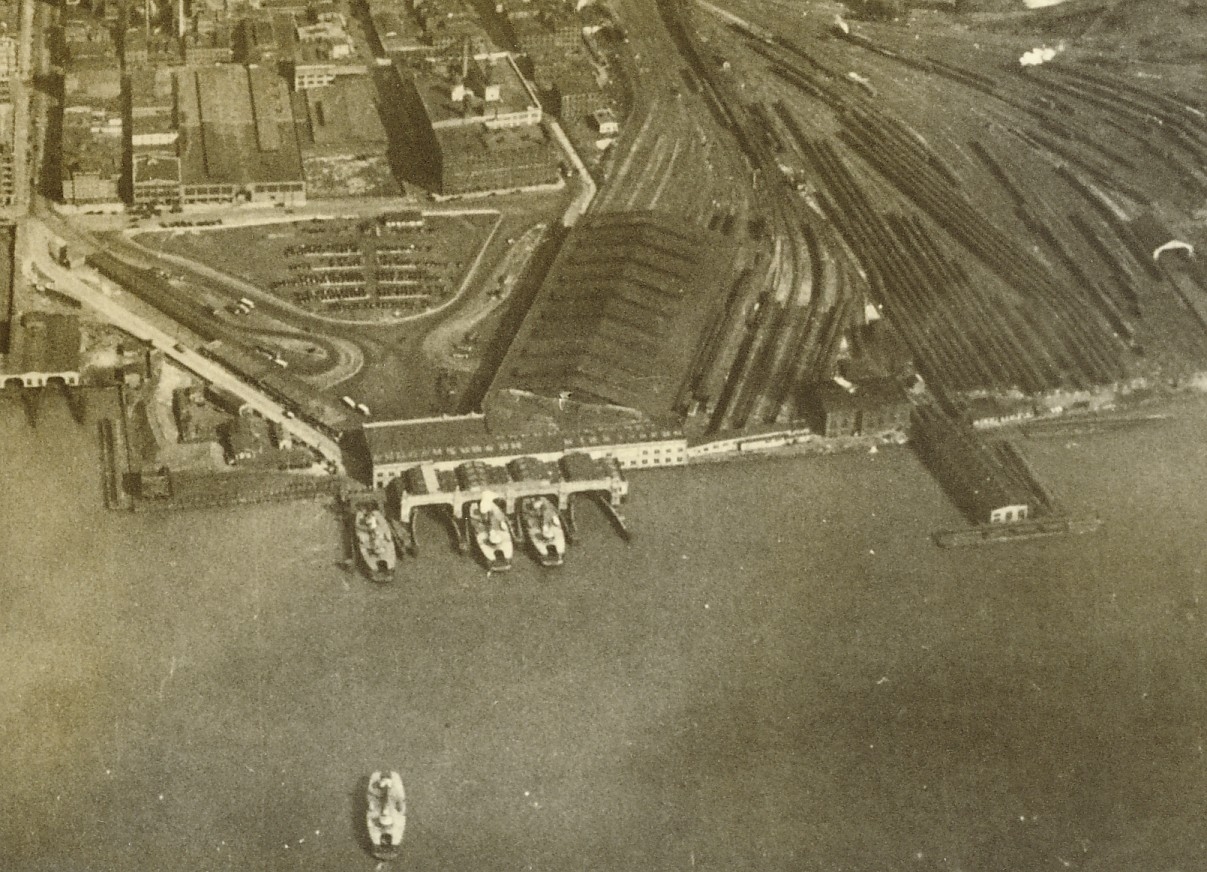
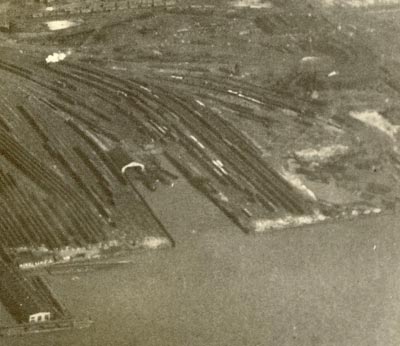
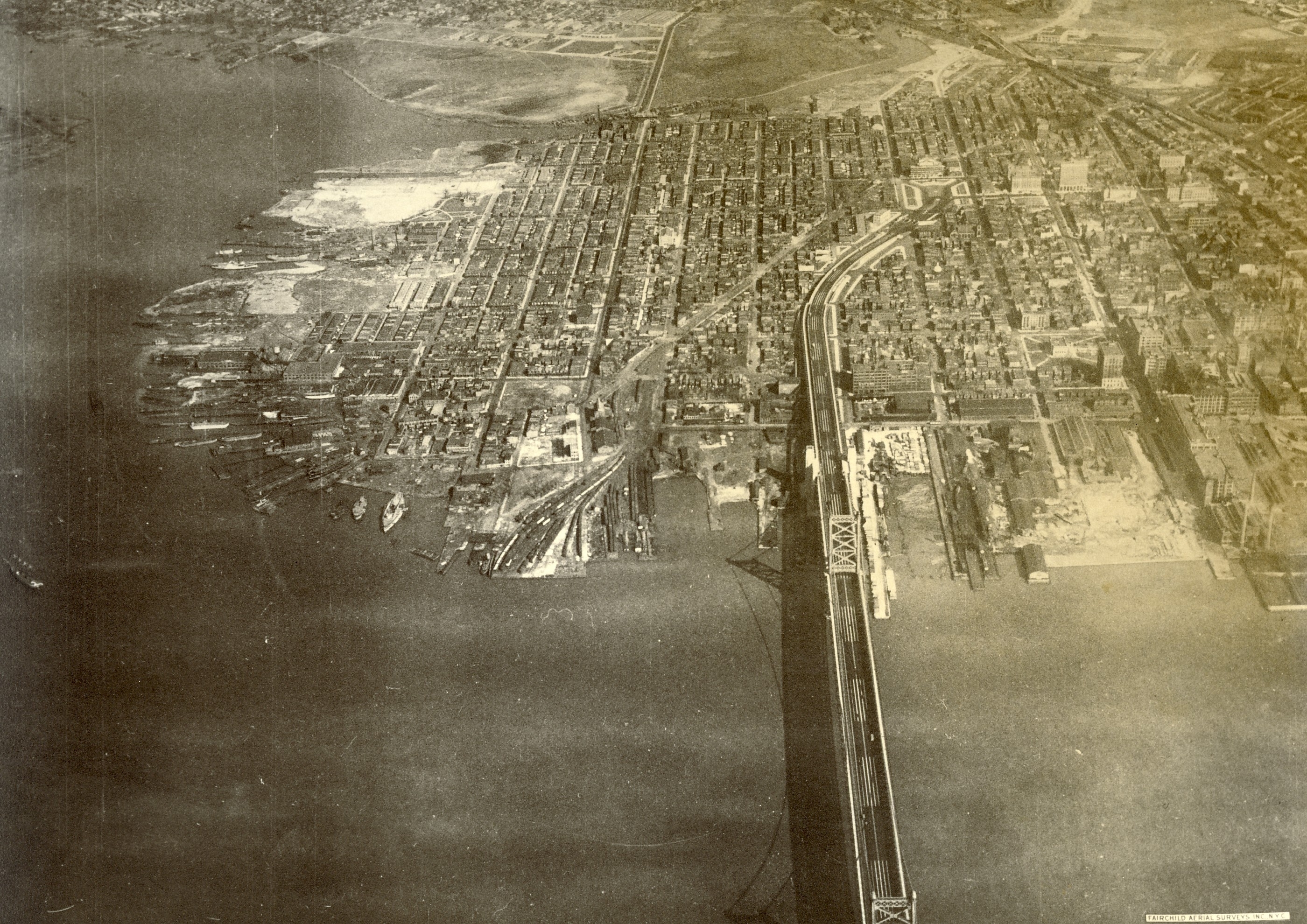
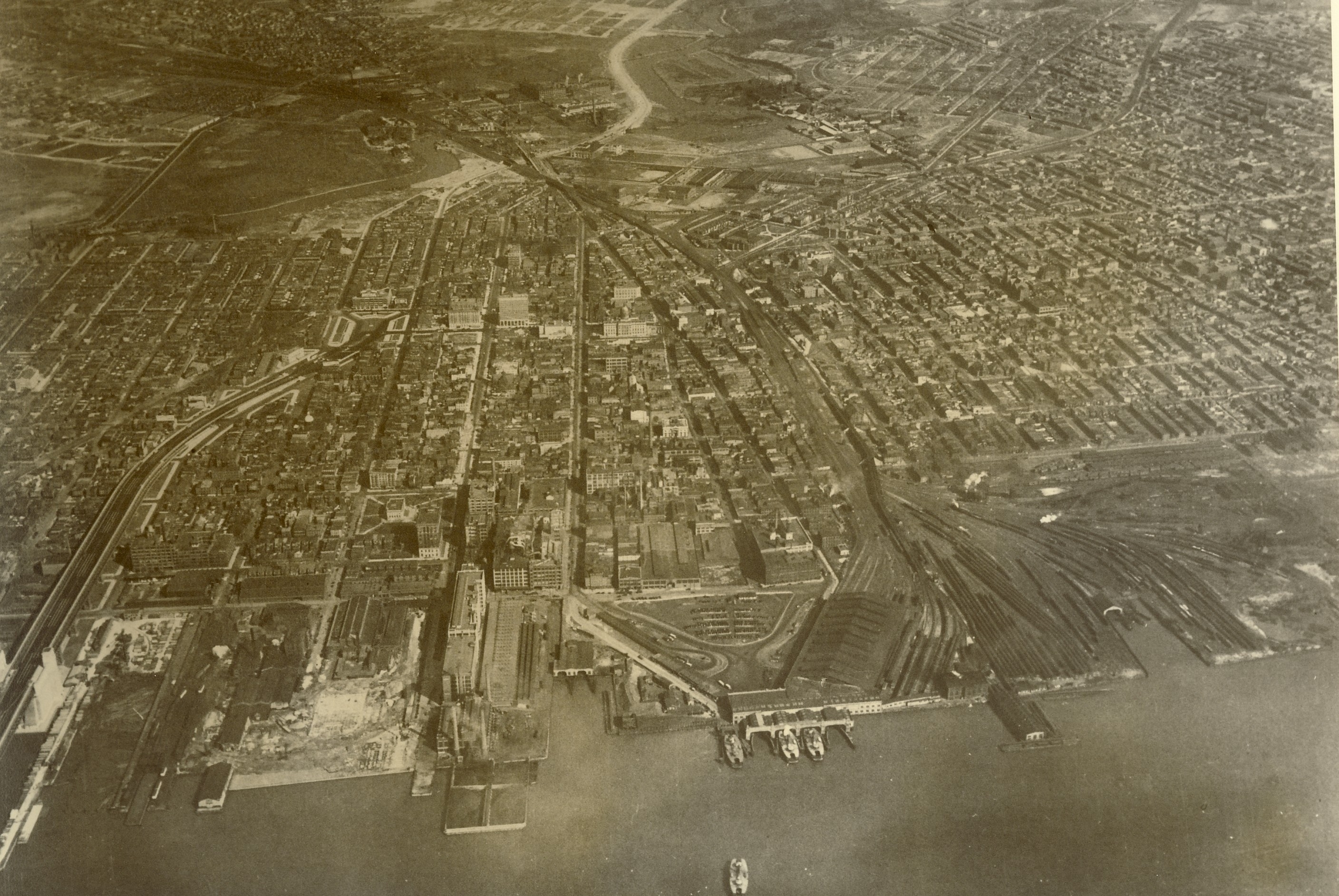
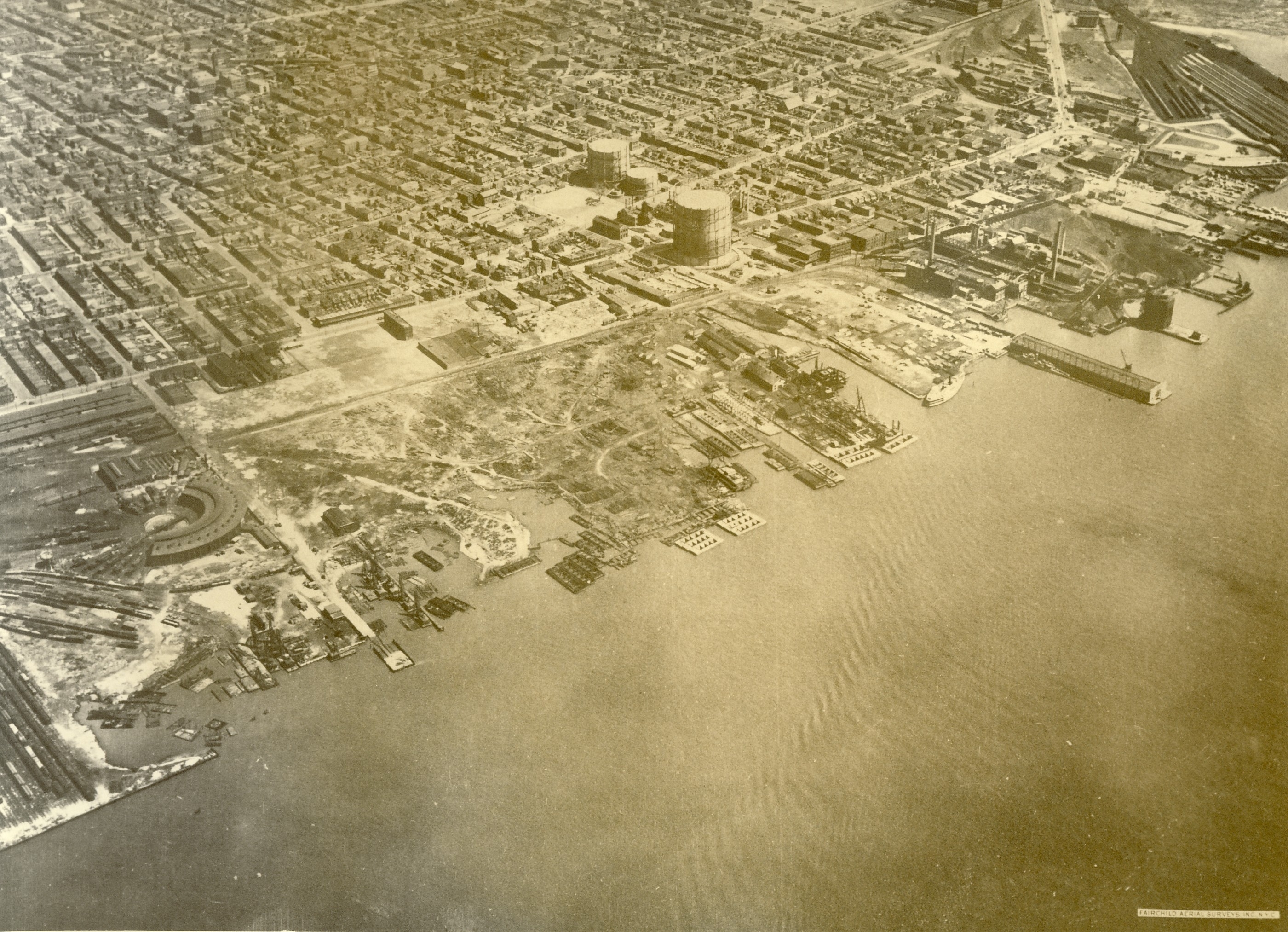
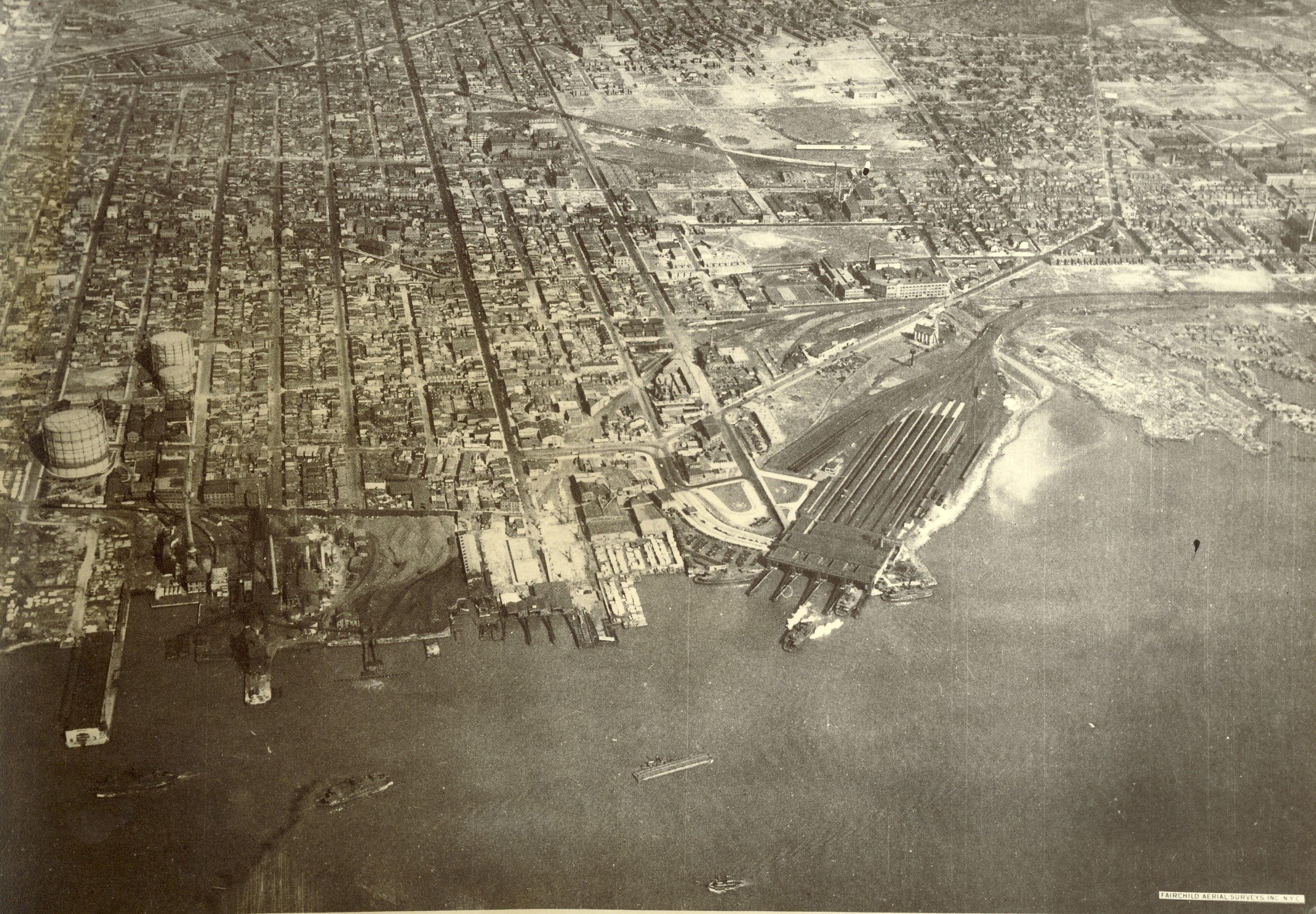
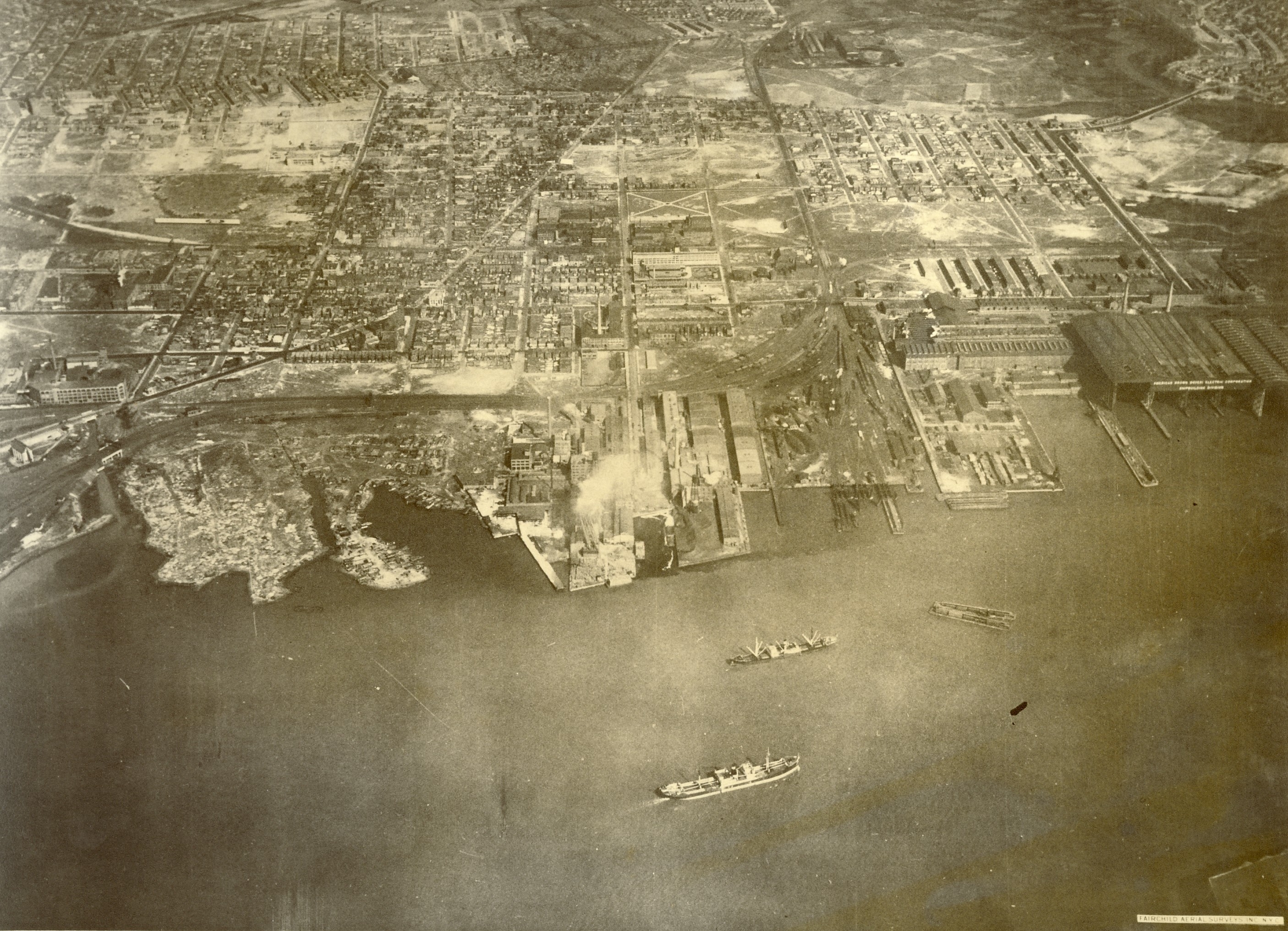
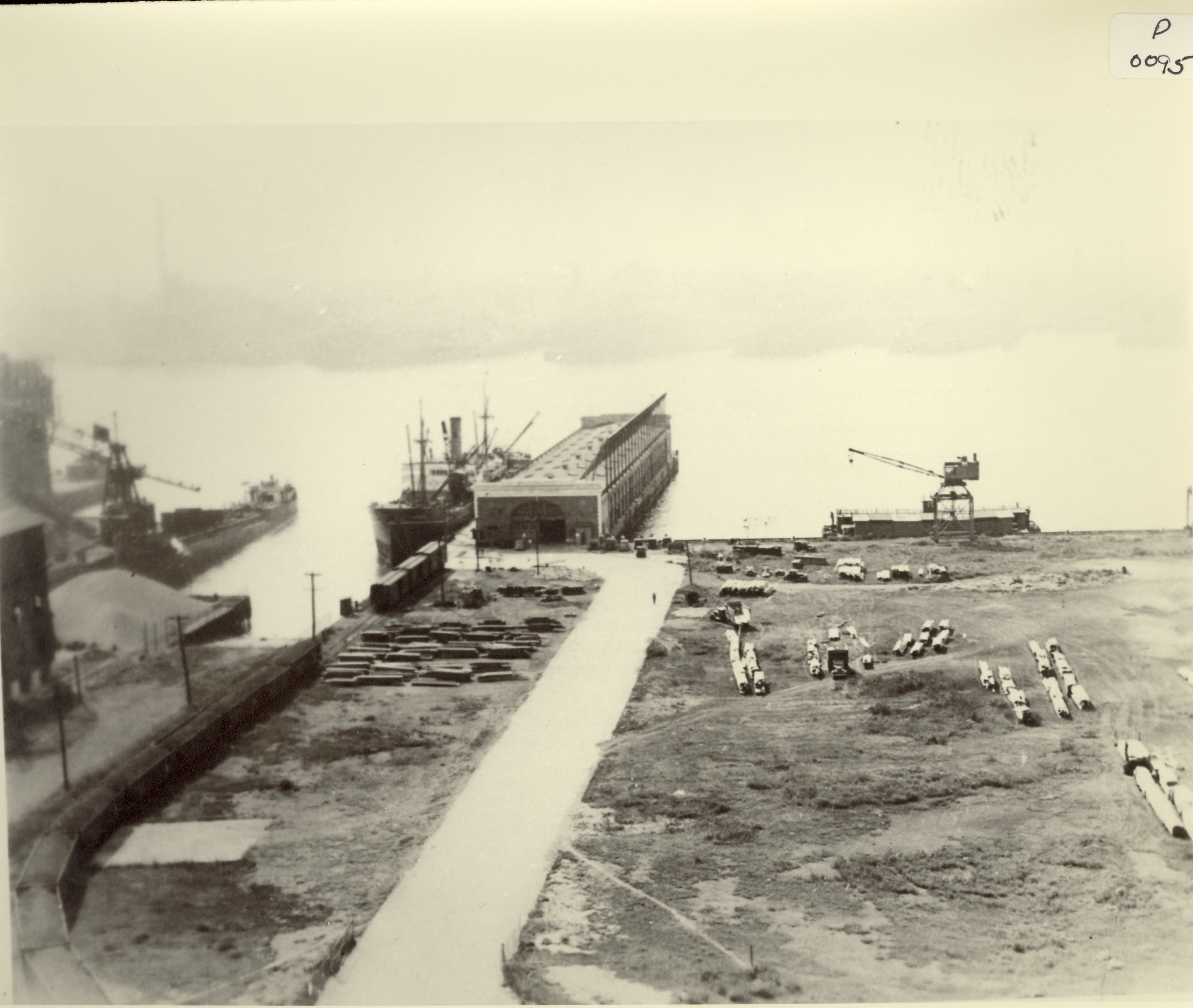
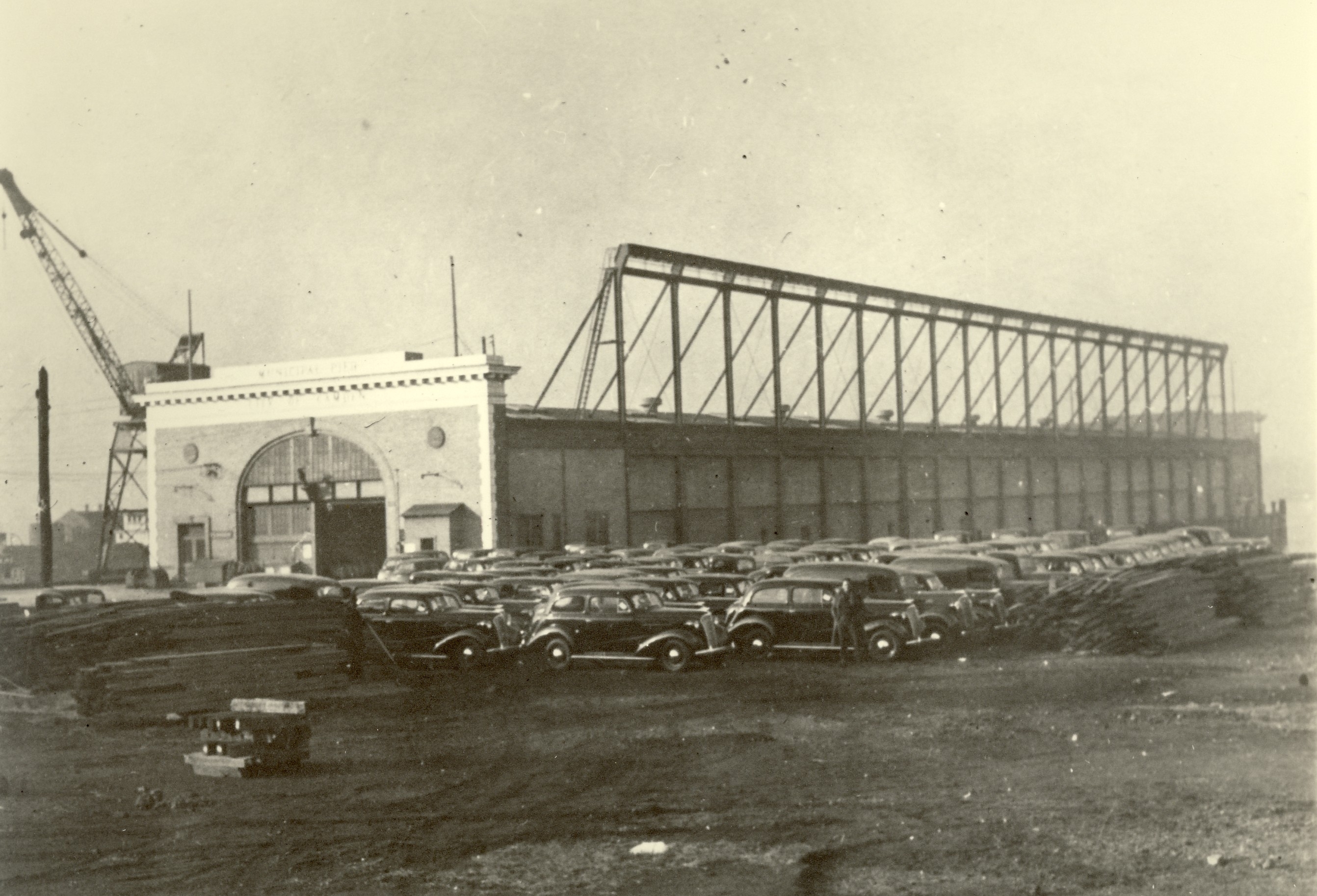
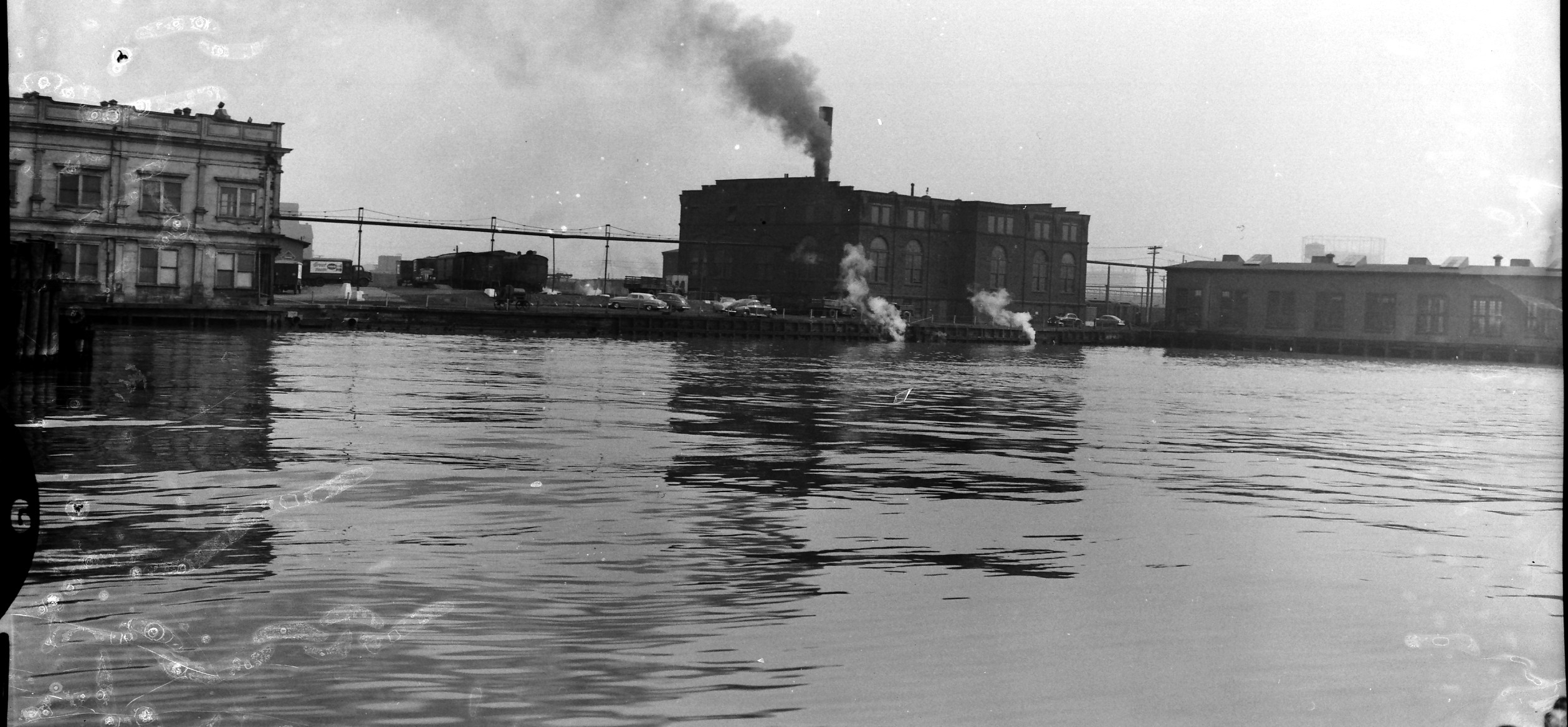
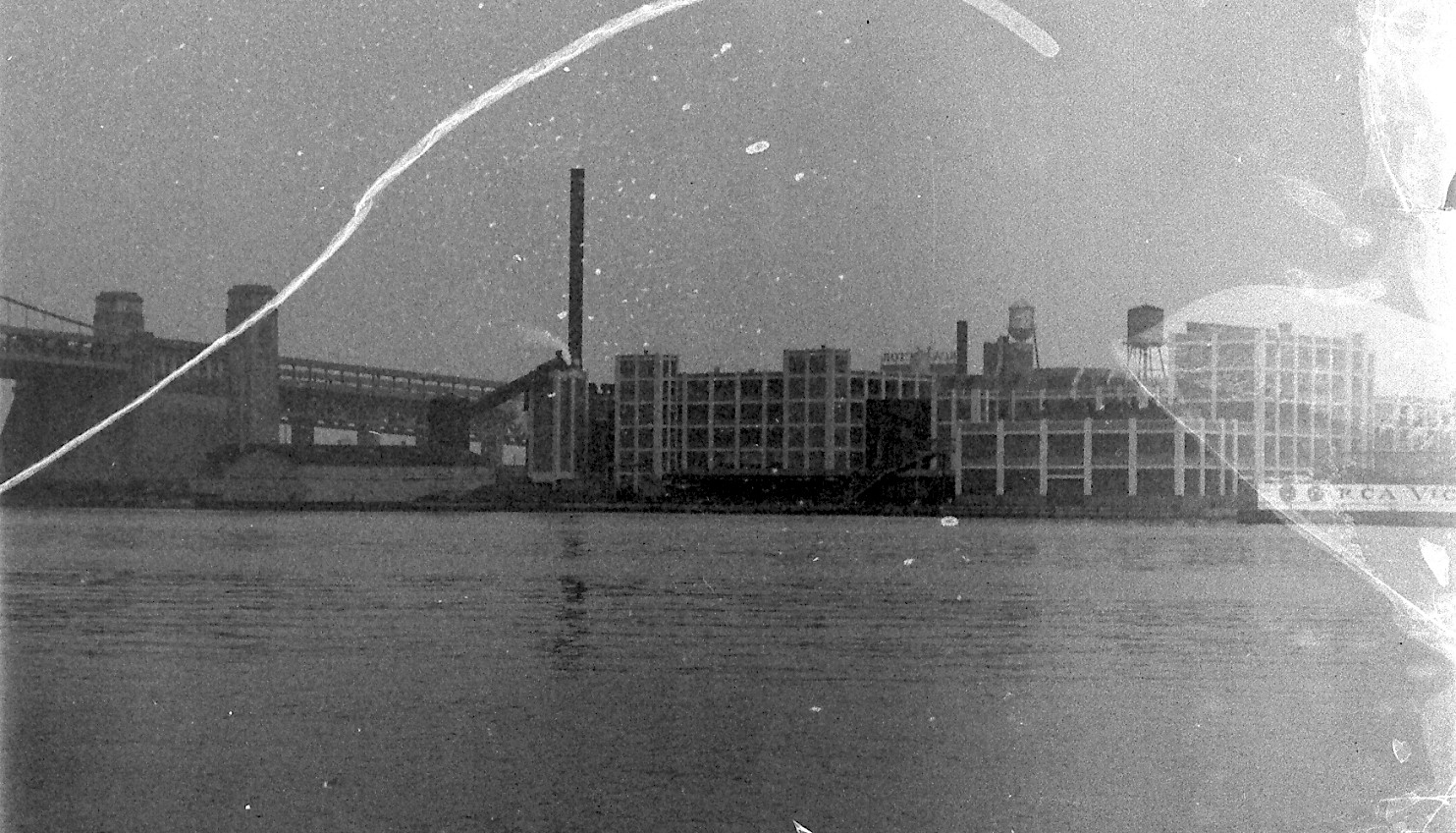
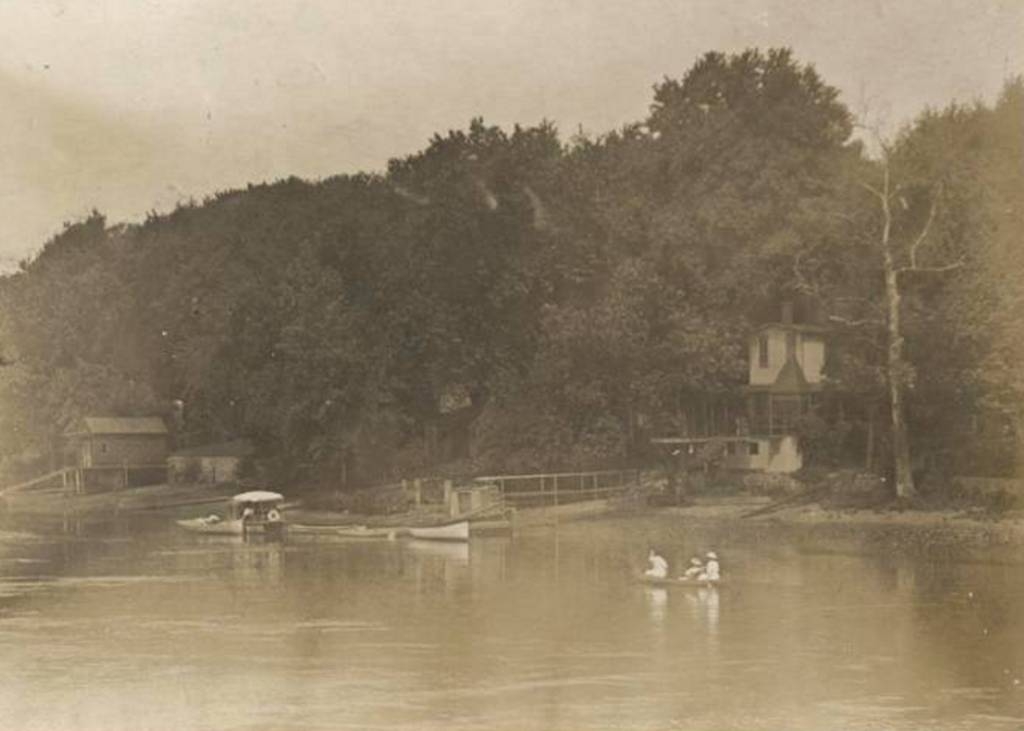
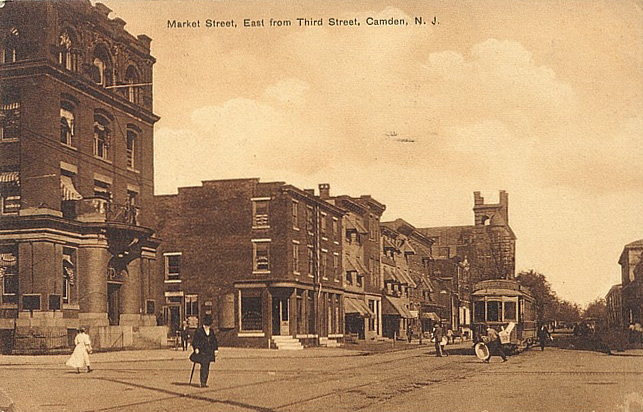
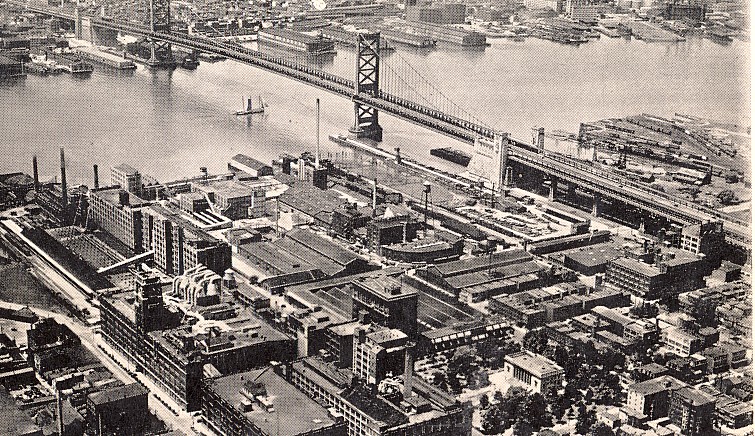
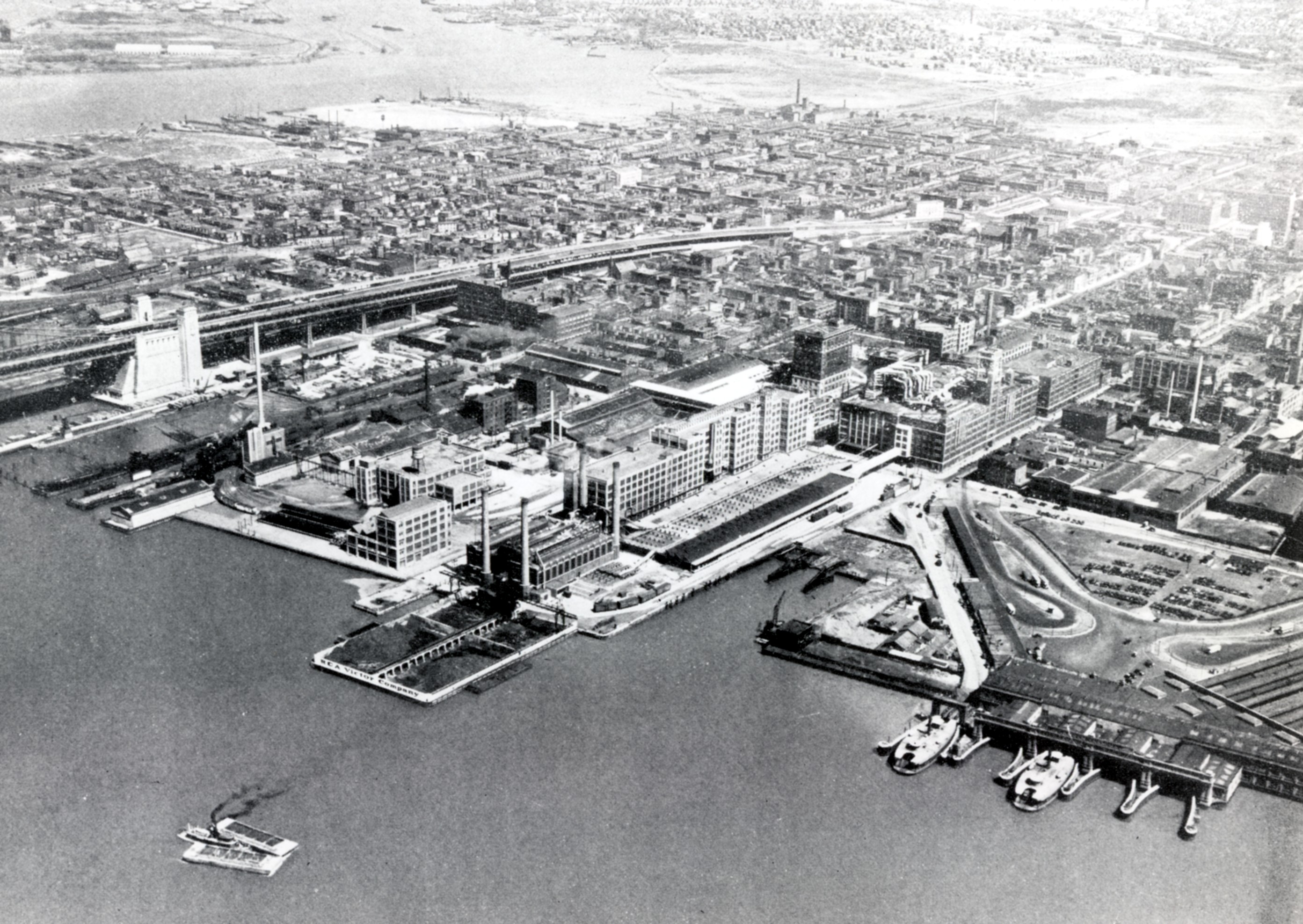
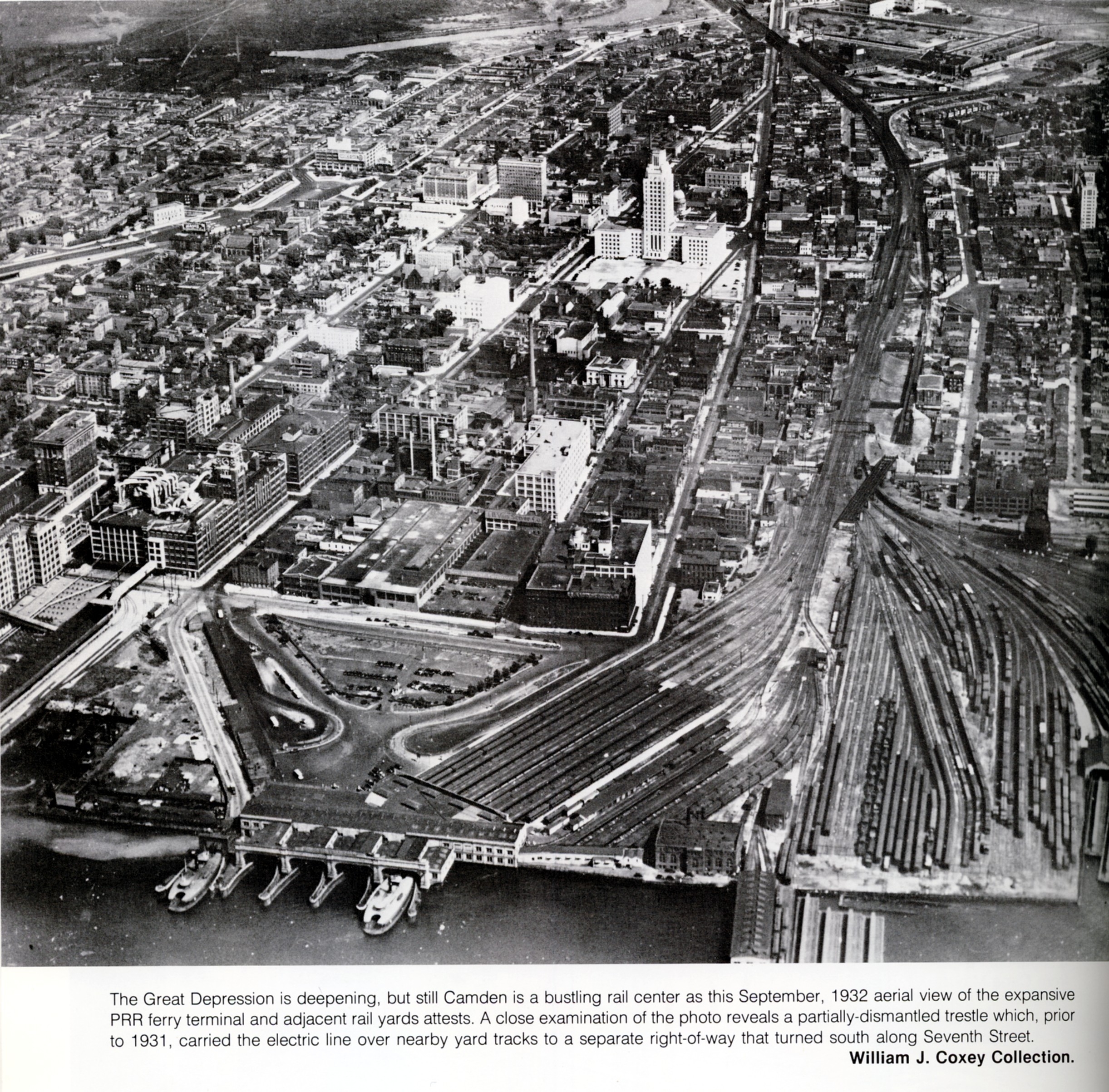
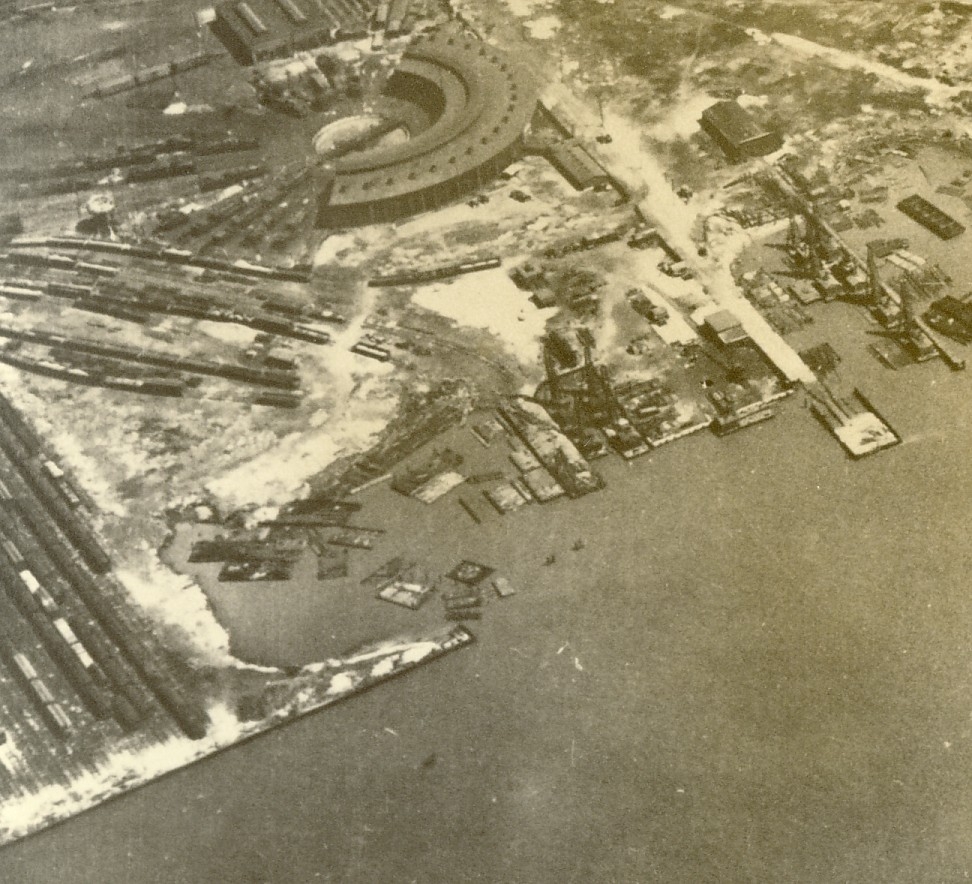
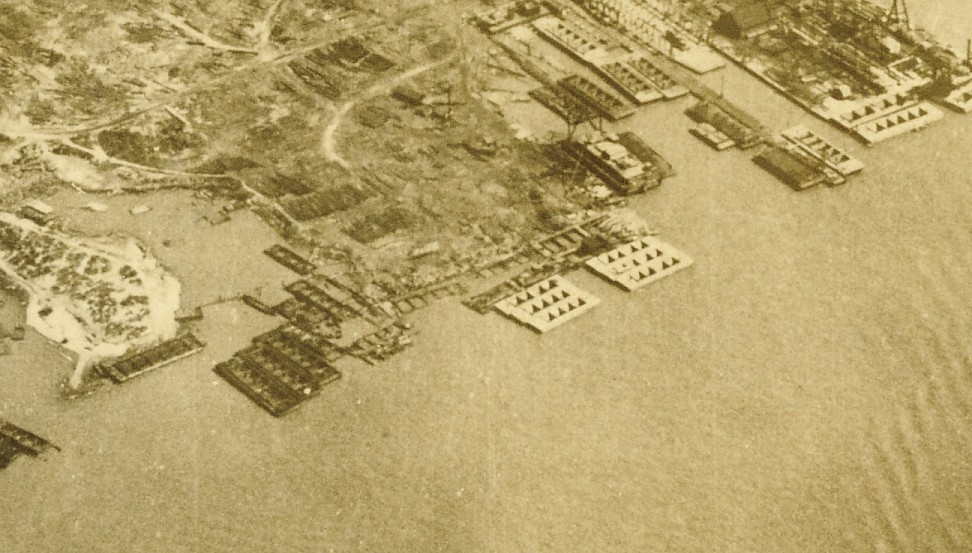
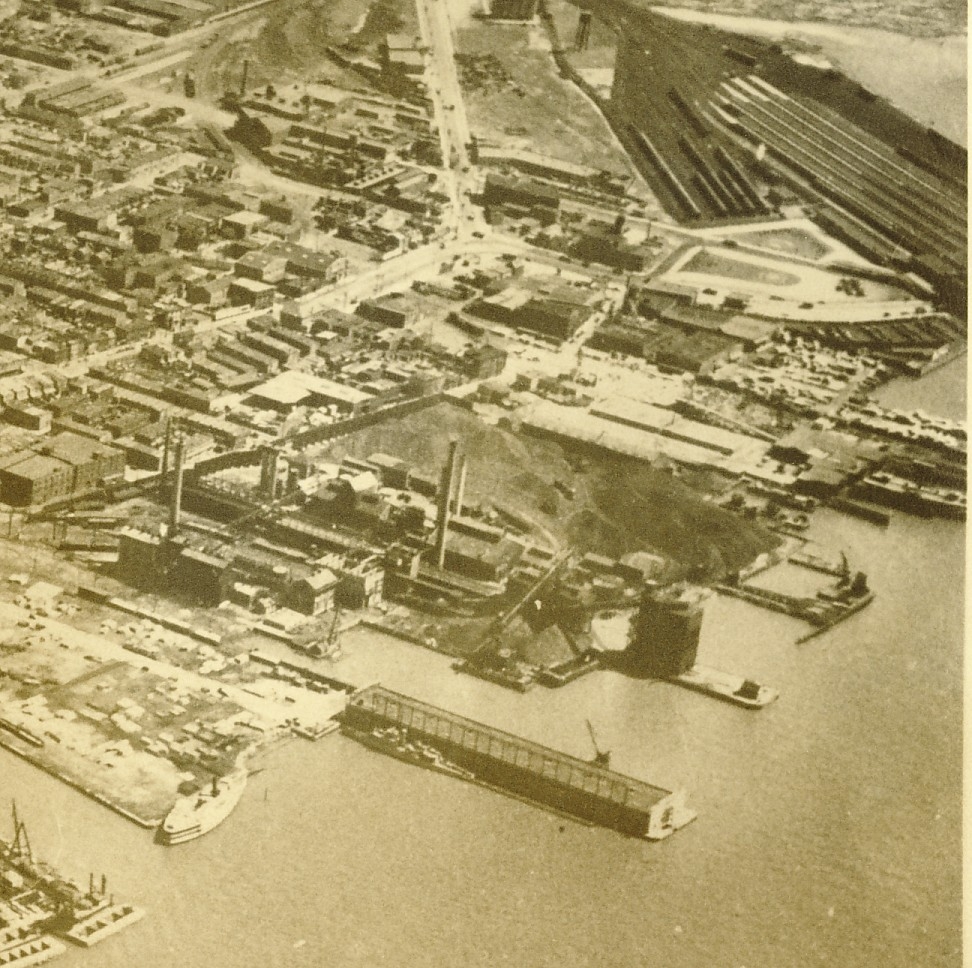
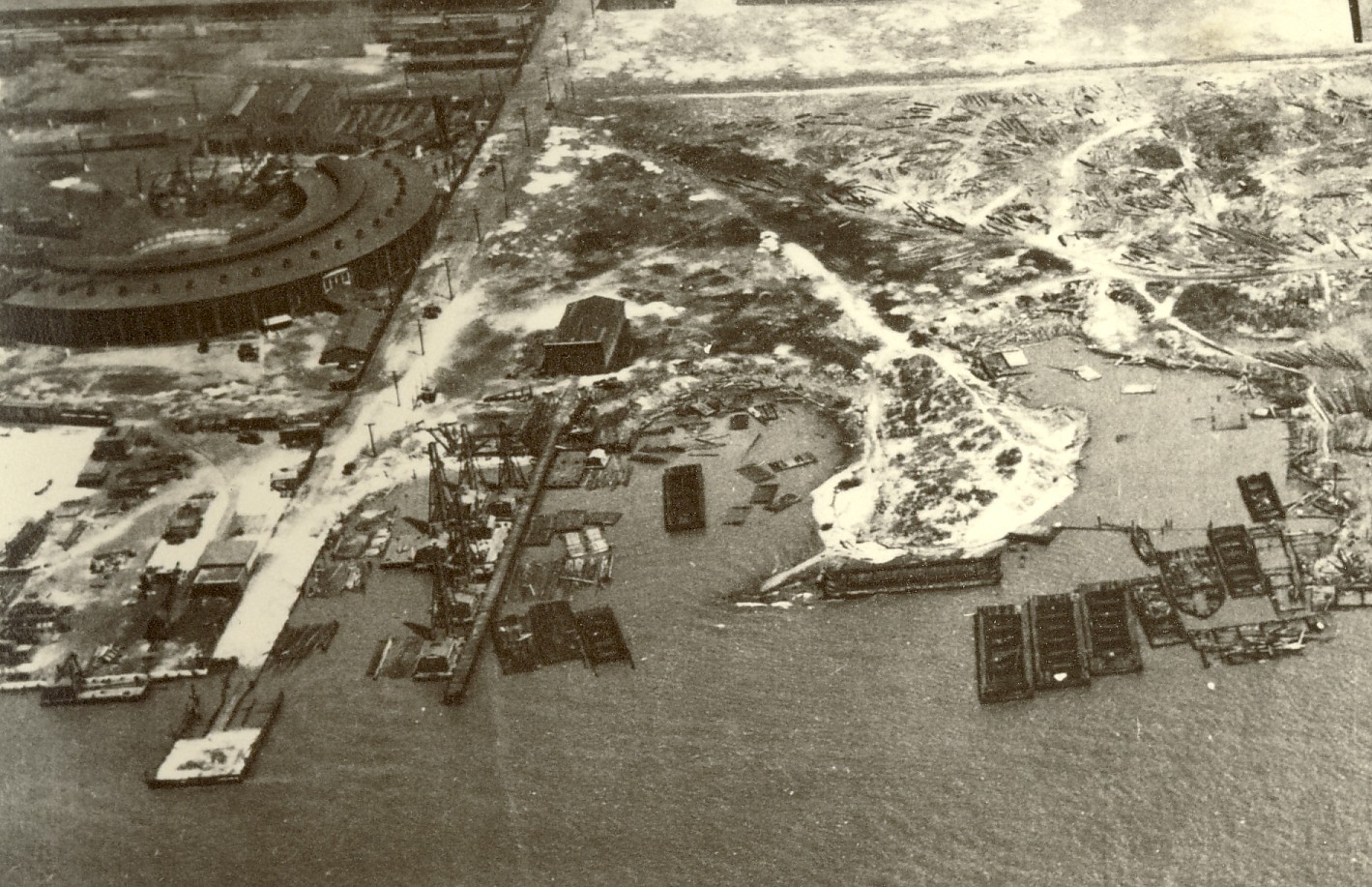
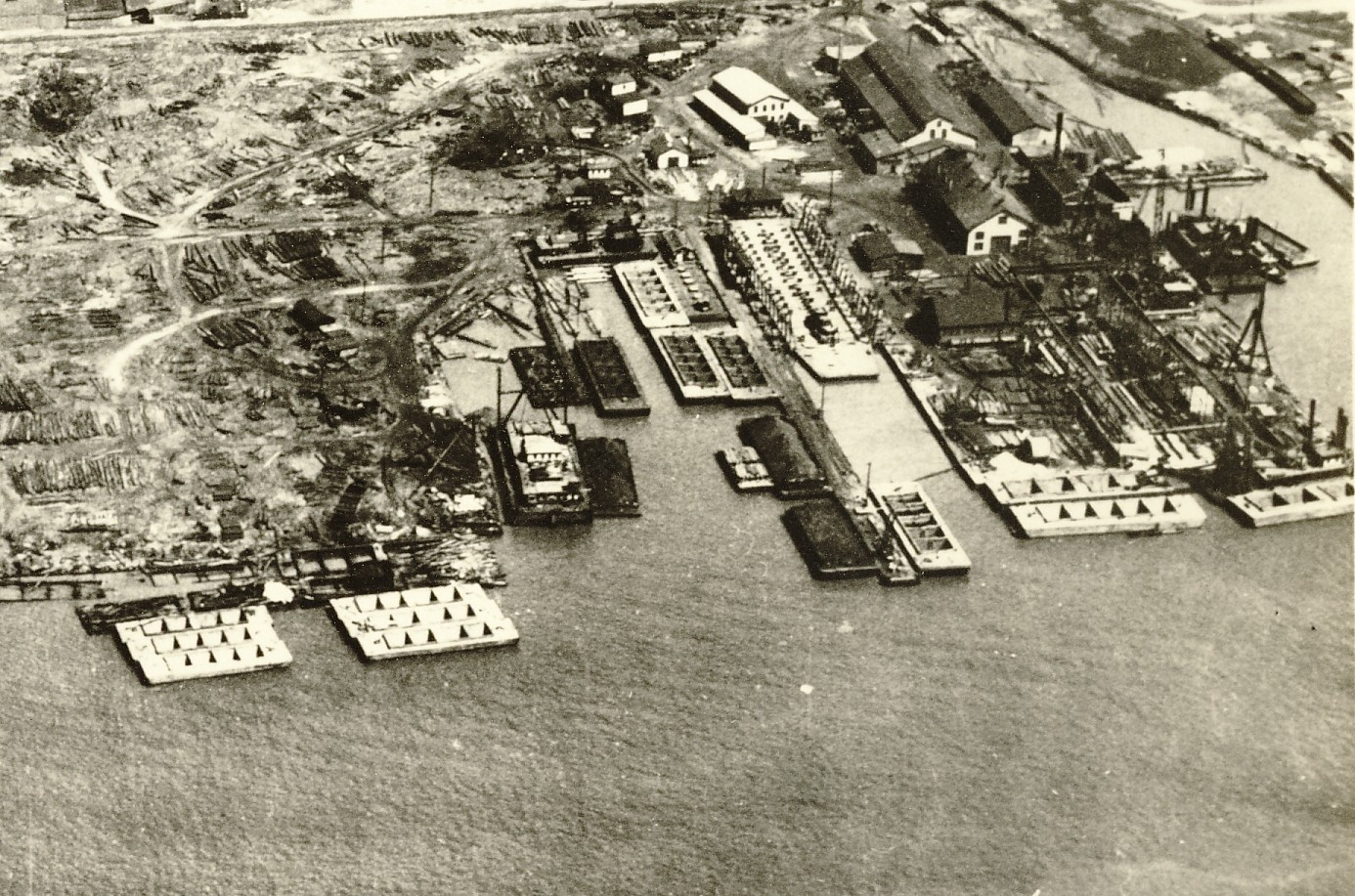
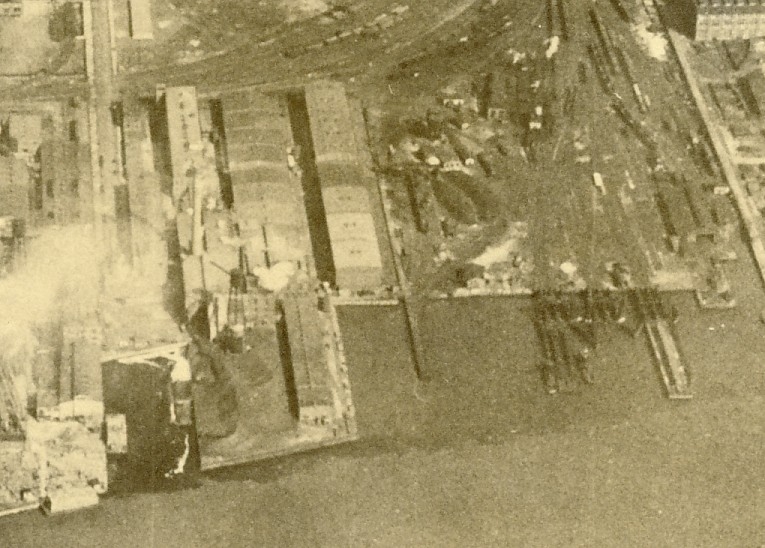
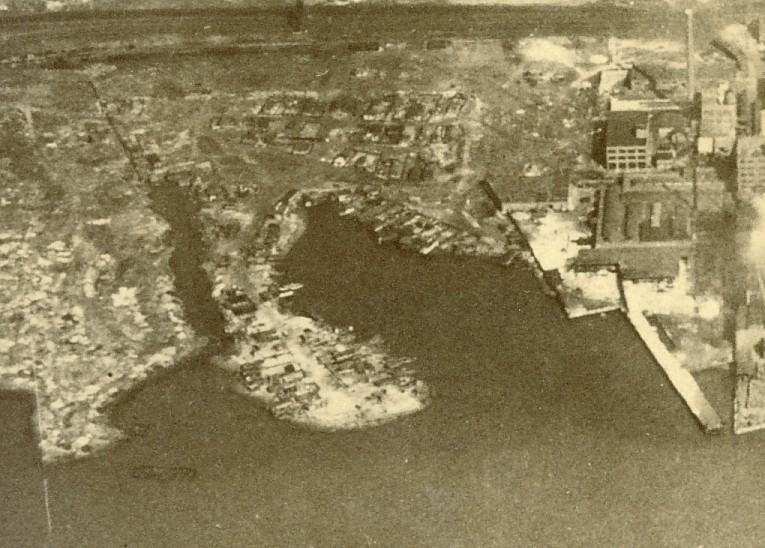
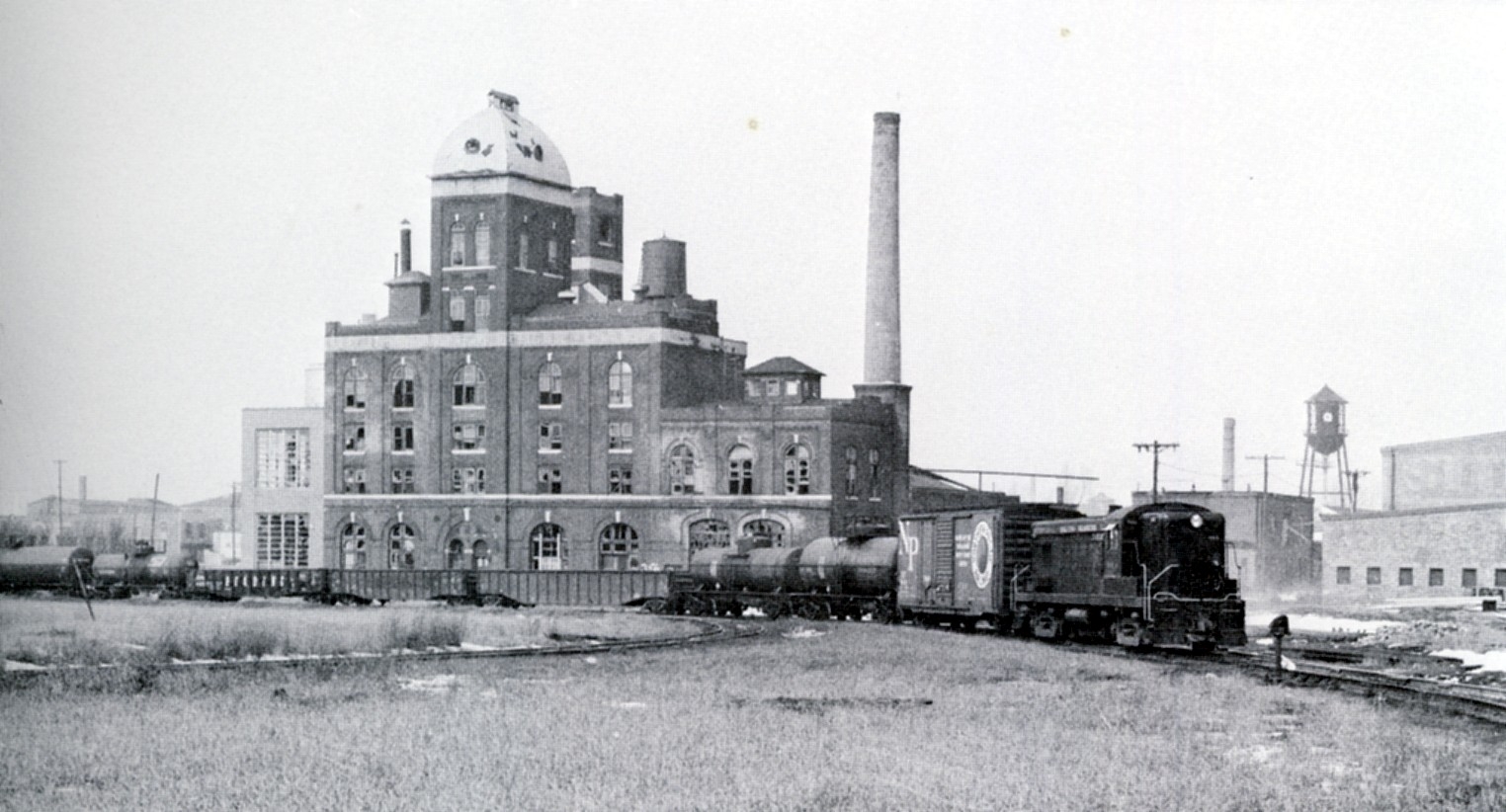
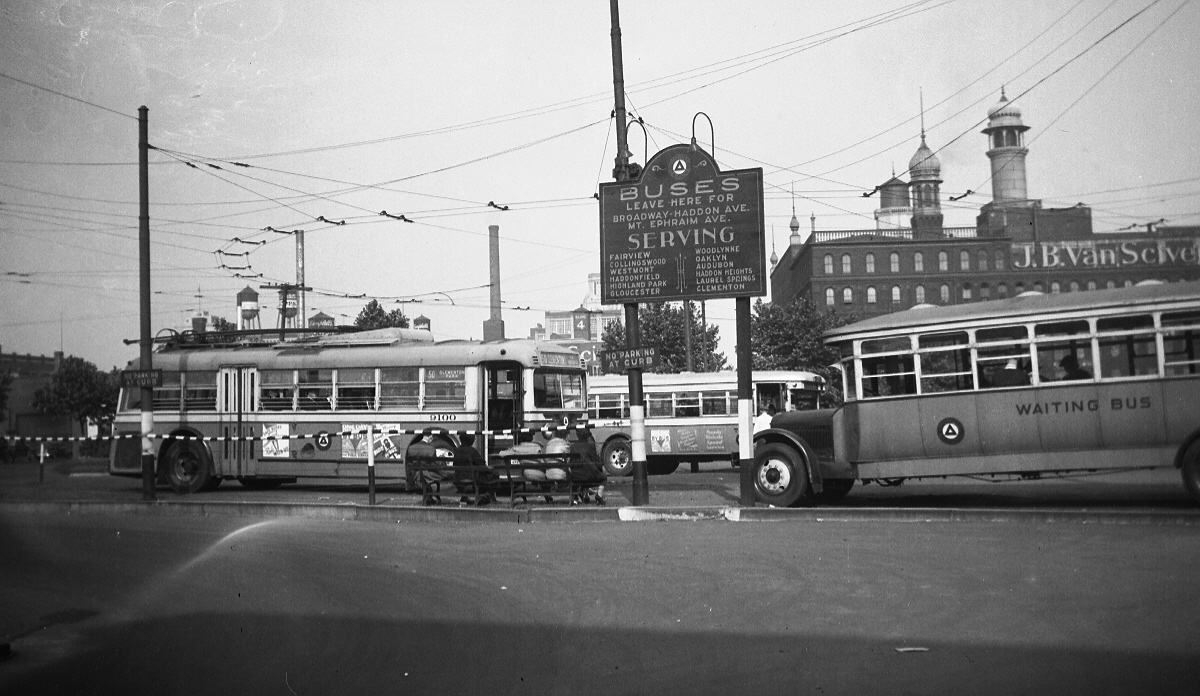
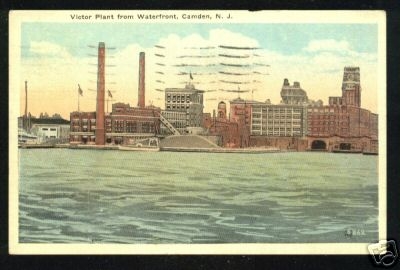
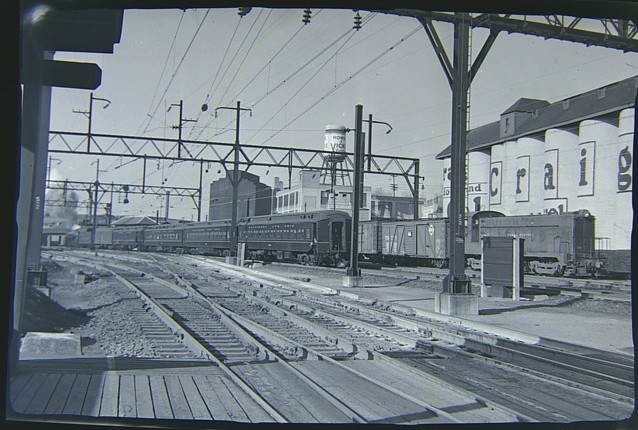
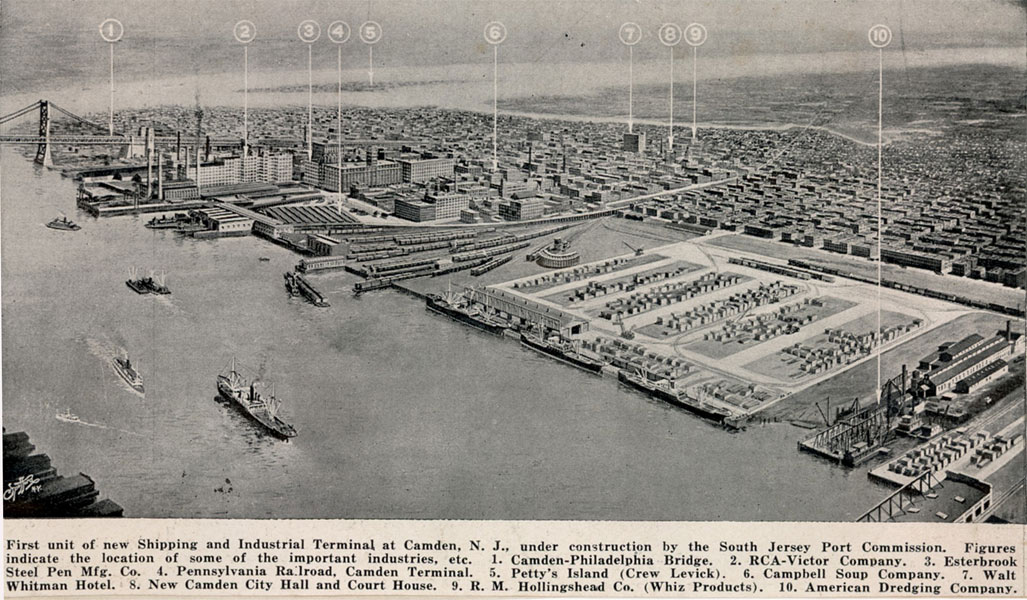
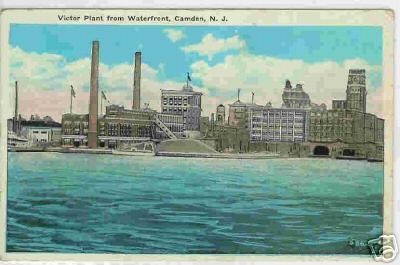
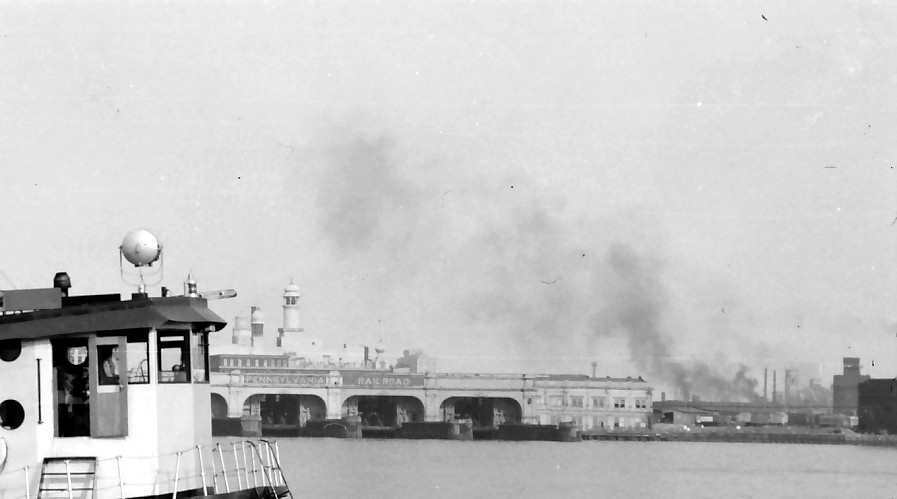
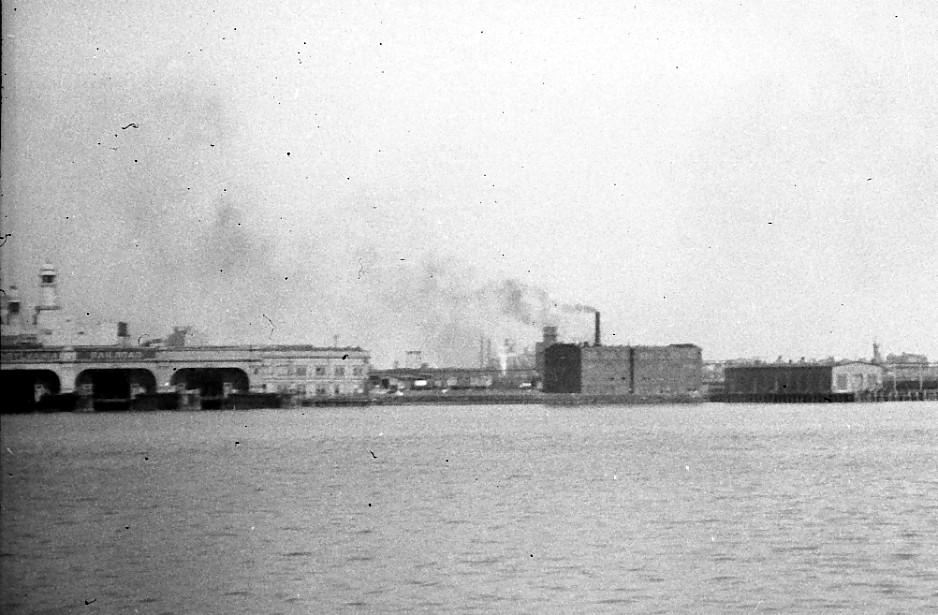
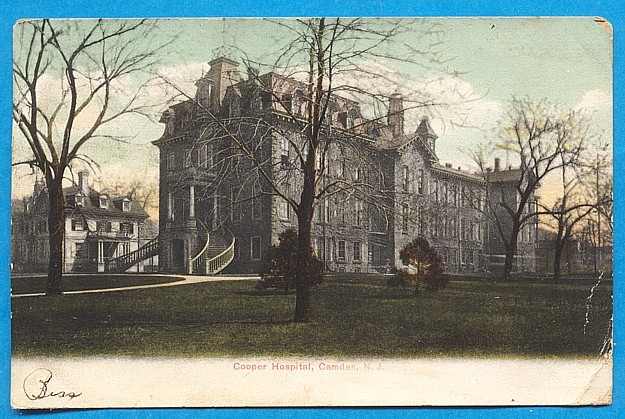
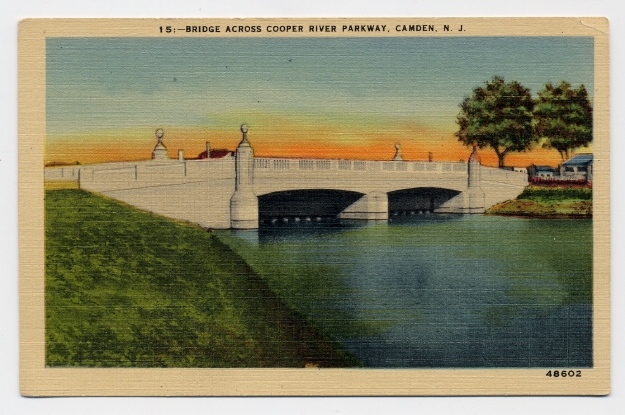
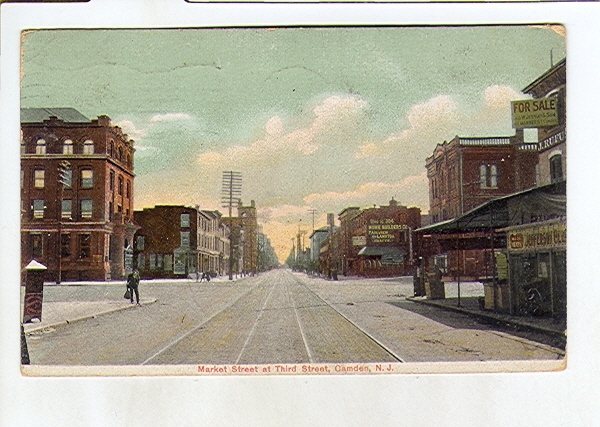
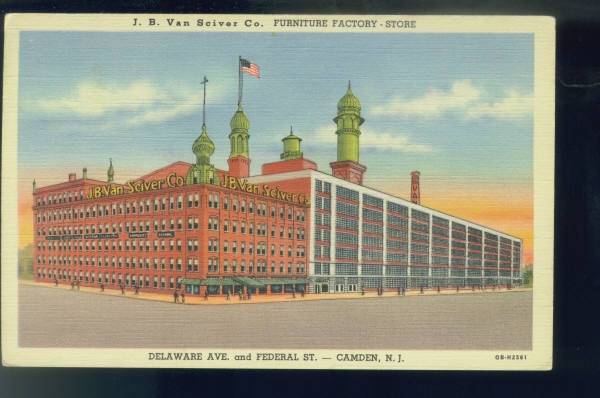
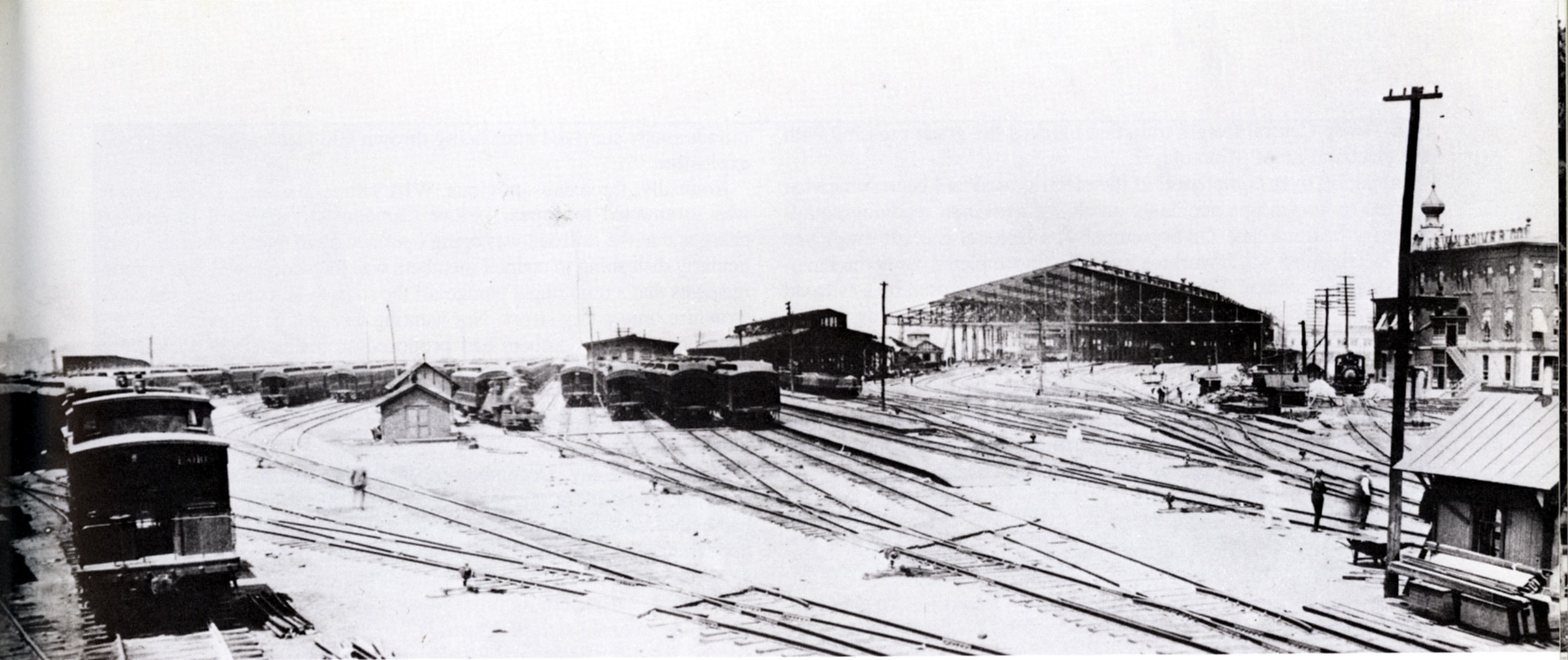
Aerial and ground-level views of the Camden waterfront from the 1890s through the 1950s, including Pennsylvania Railroad Ferry Terminal, rail yards, Campbell Soup plant, Farnham Park, Cooper Hospital, and various waterfront industries.
Pennsylvania Railroad Ferry Terminal
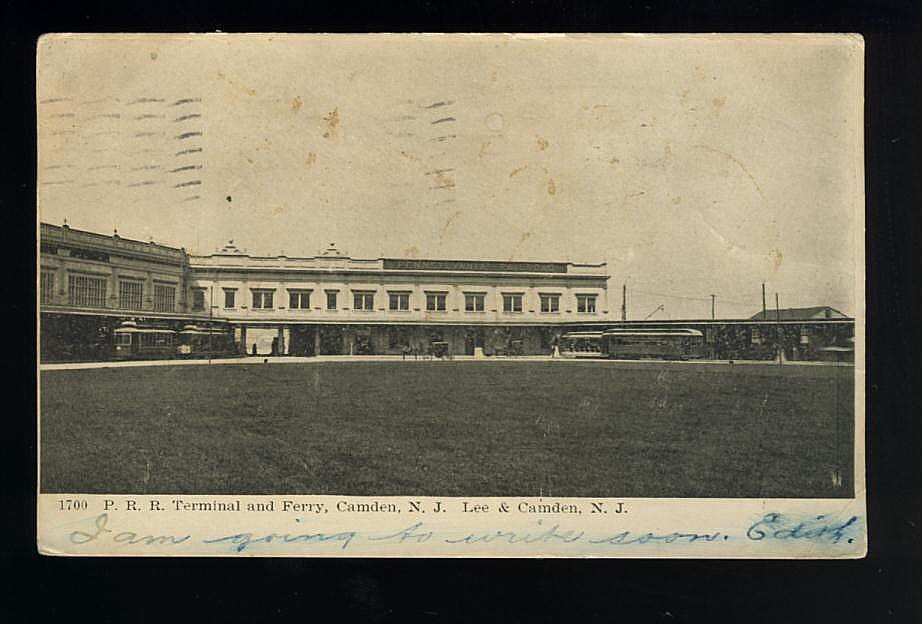
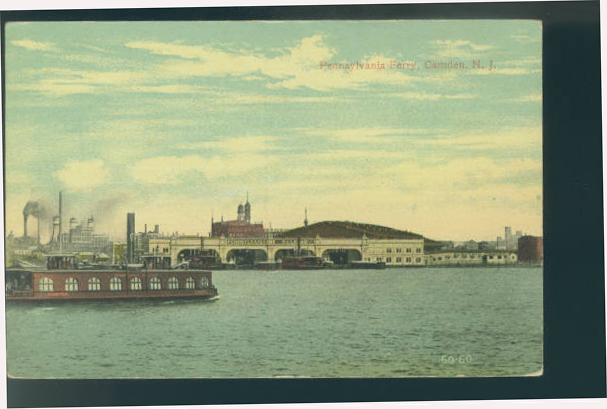
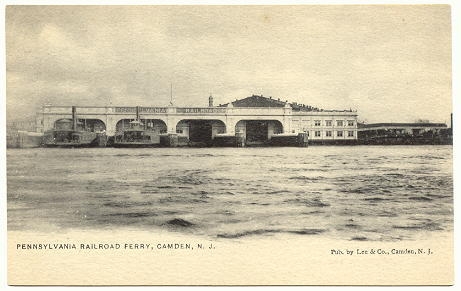
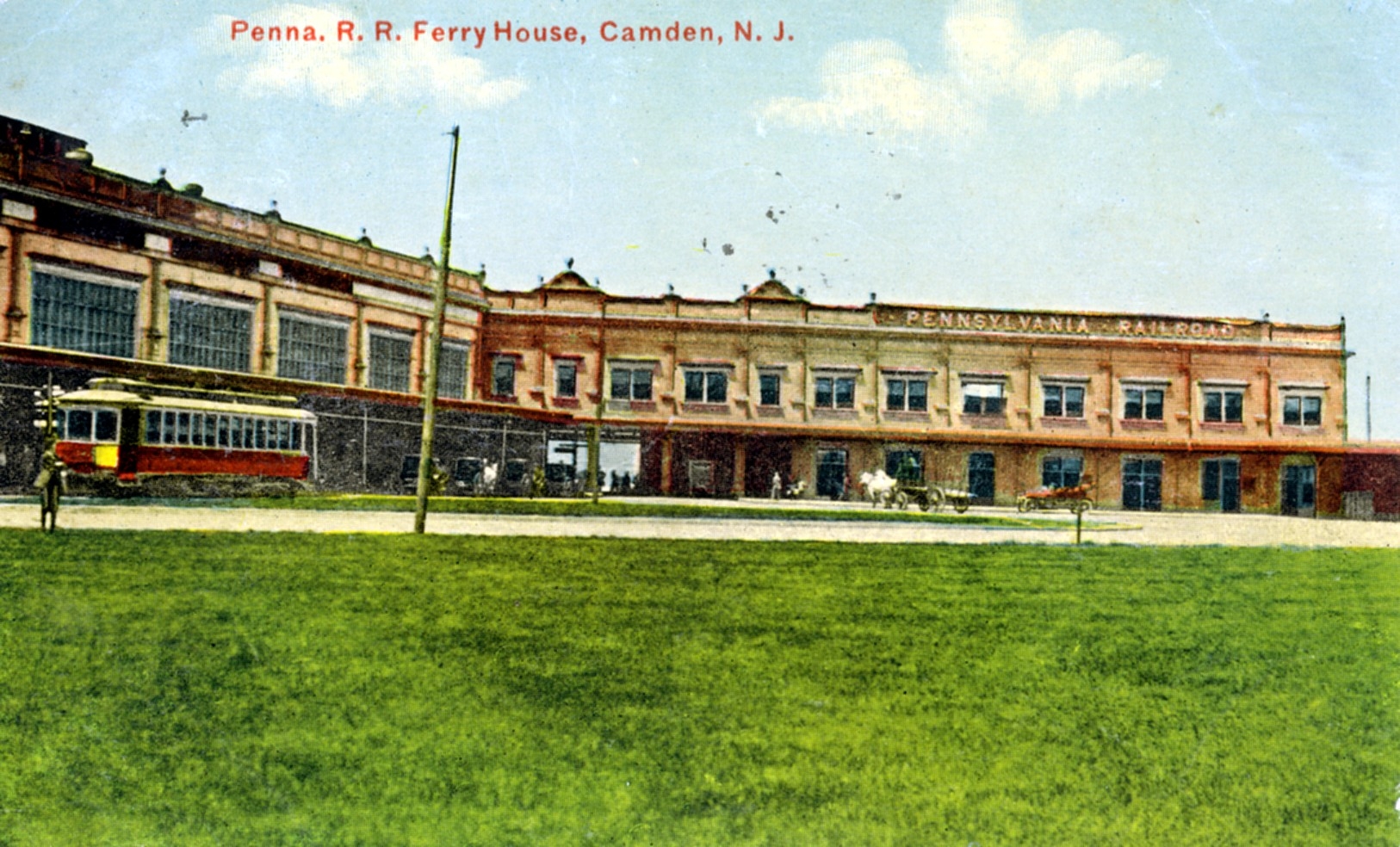
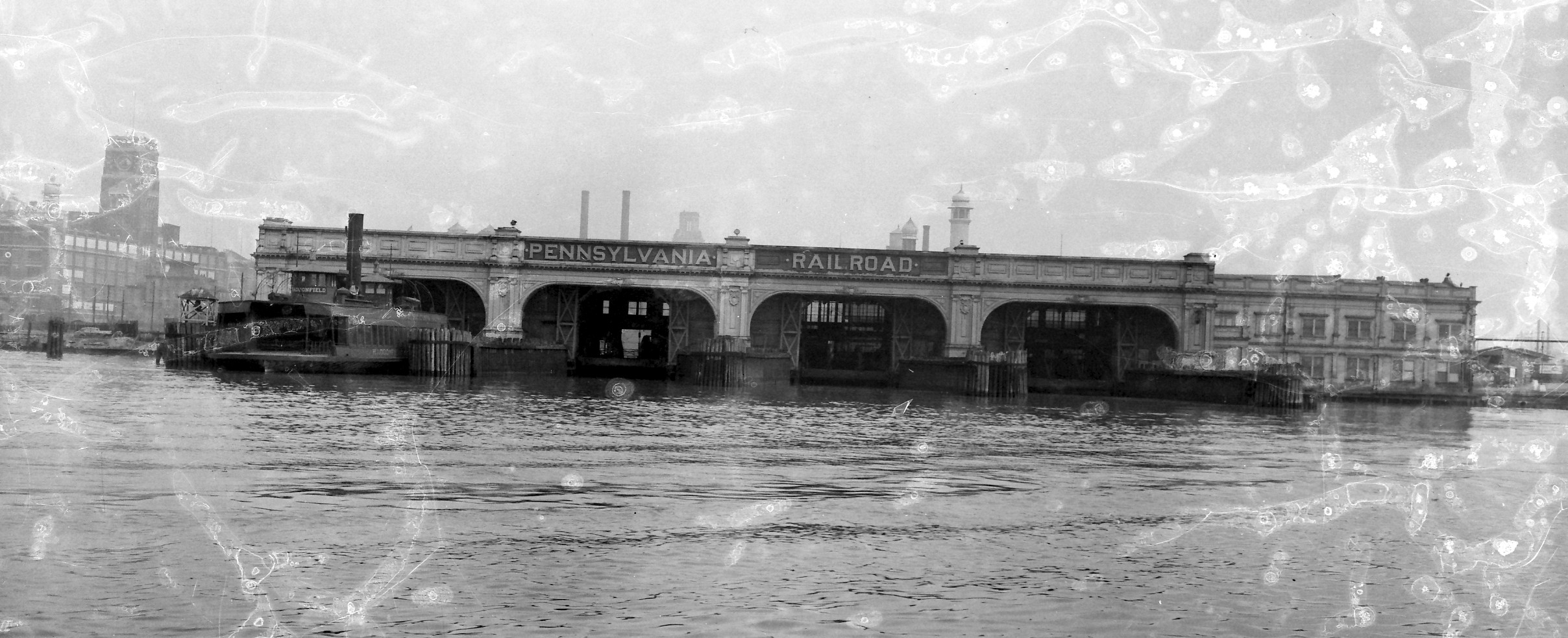
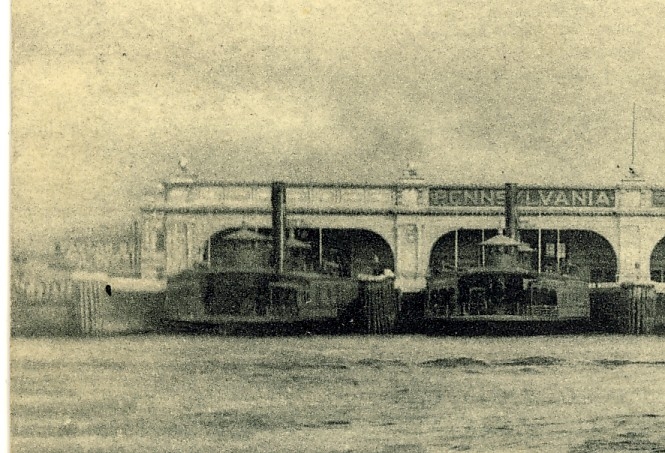
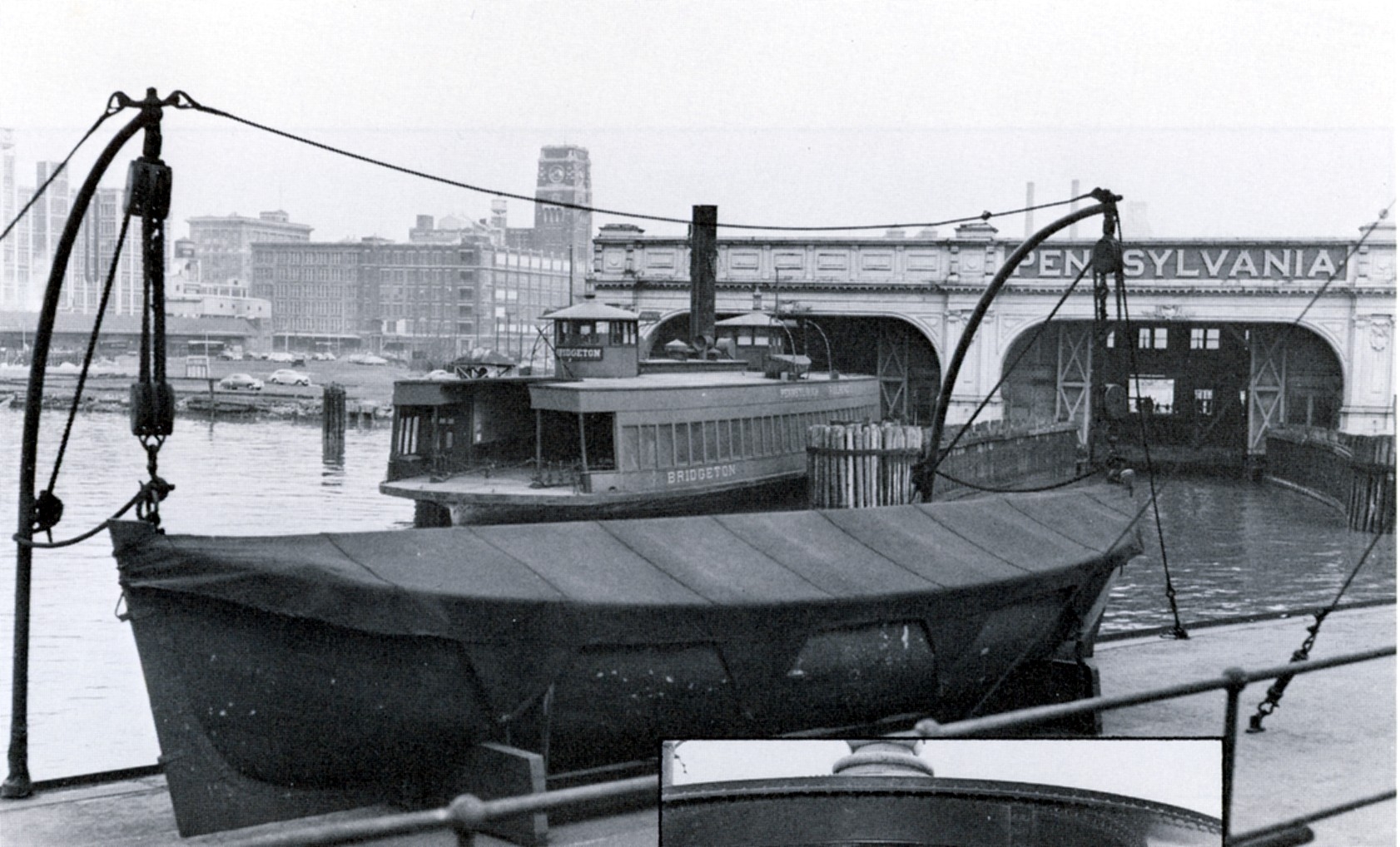
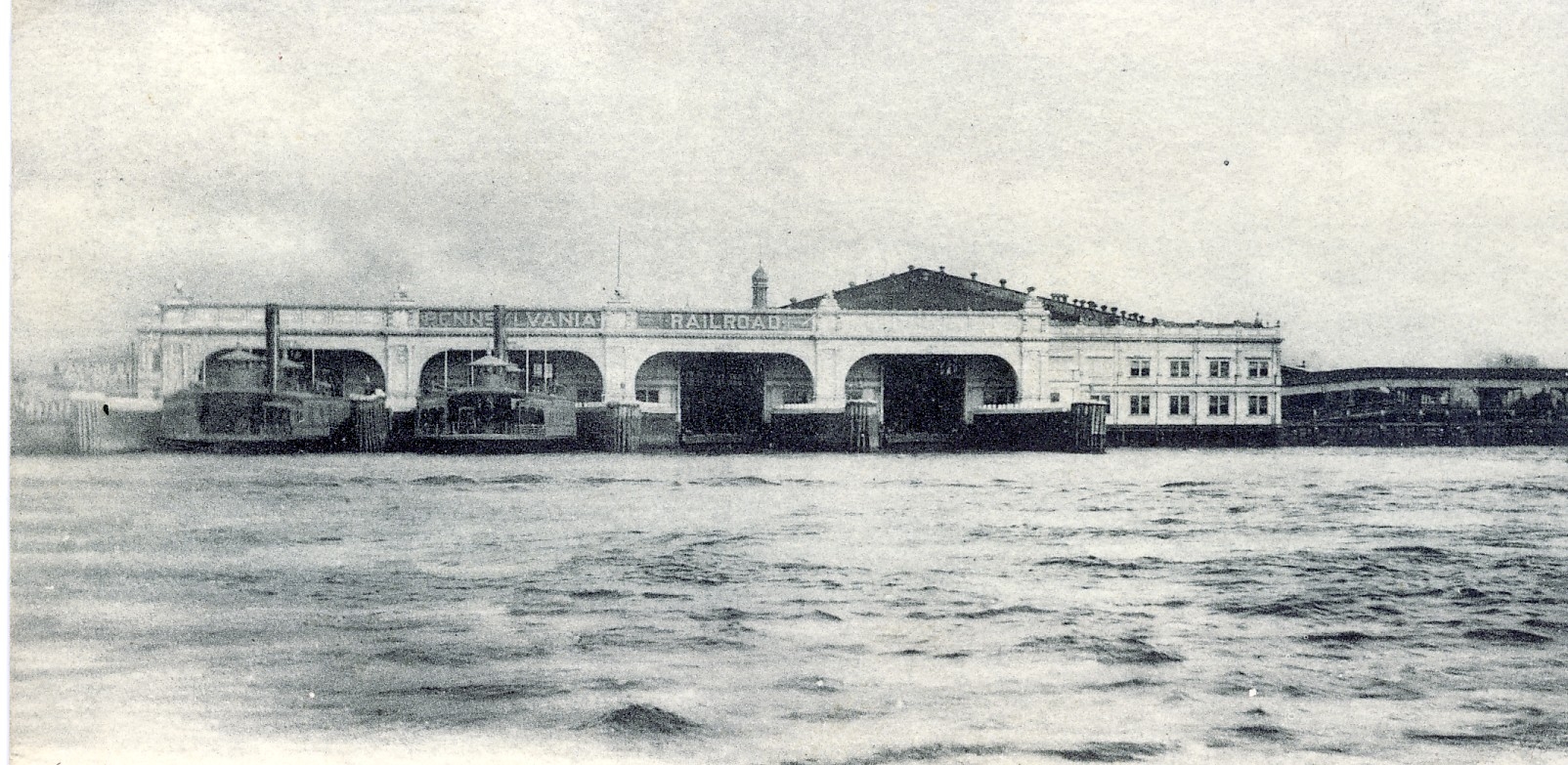
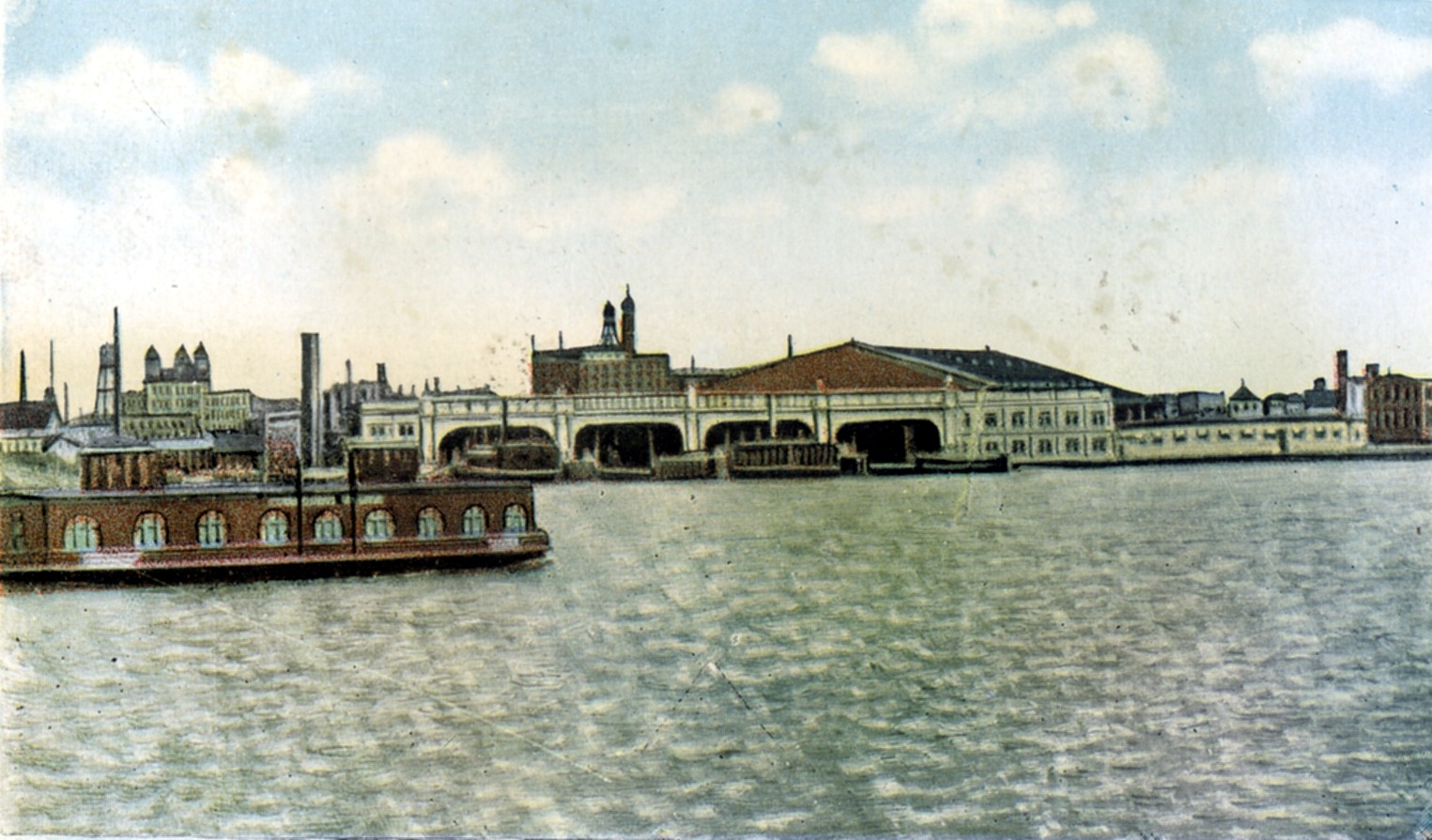
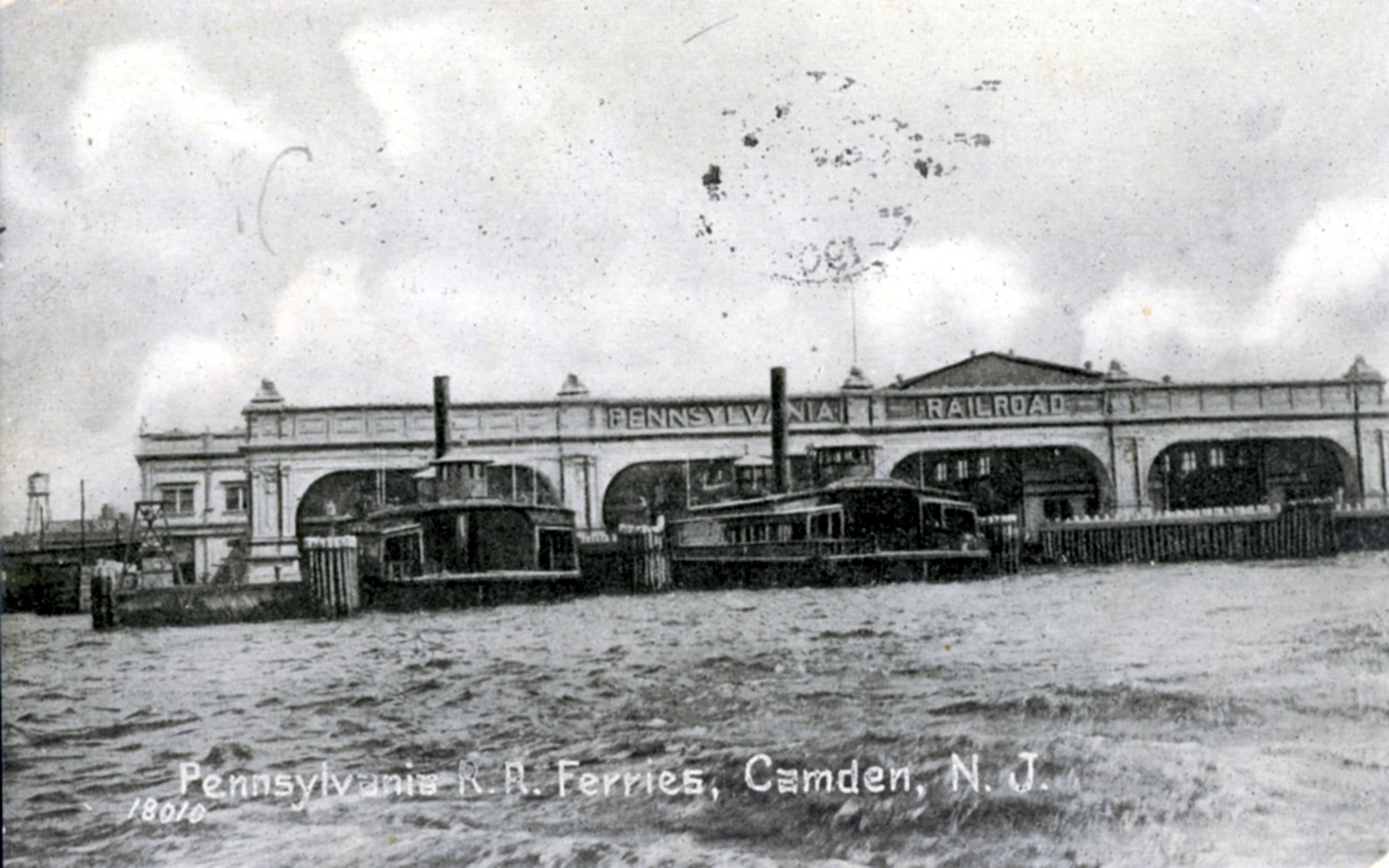
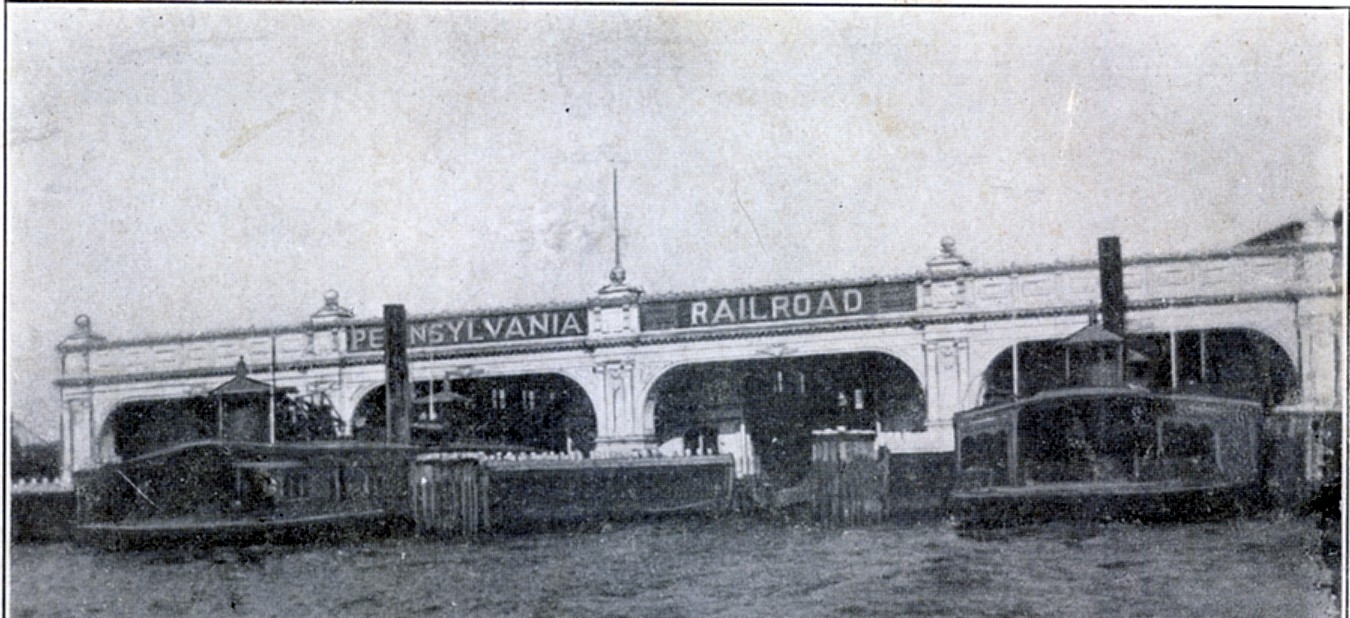
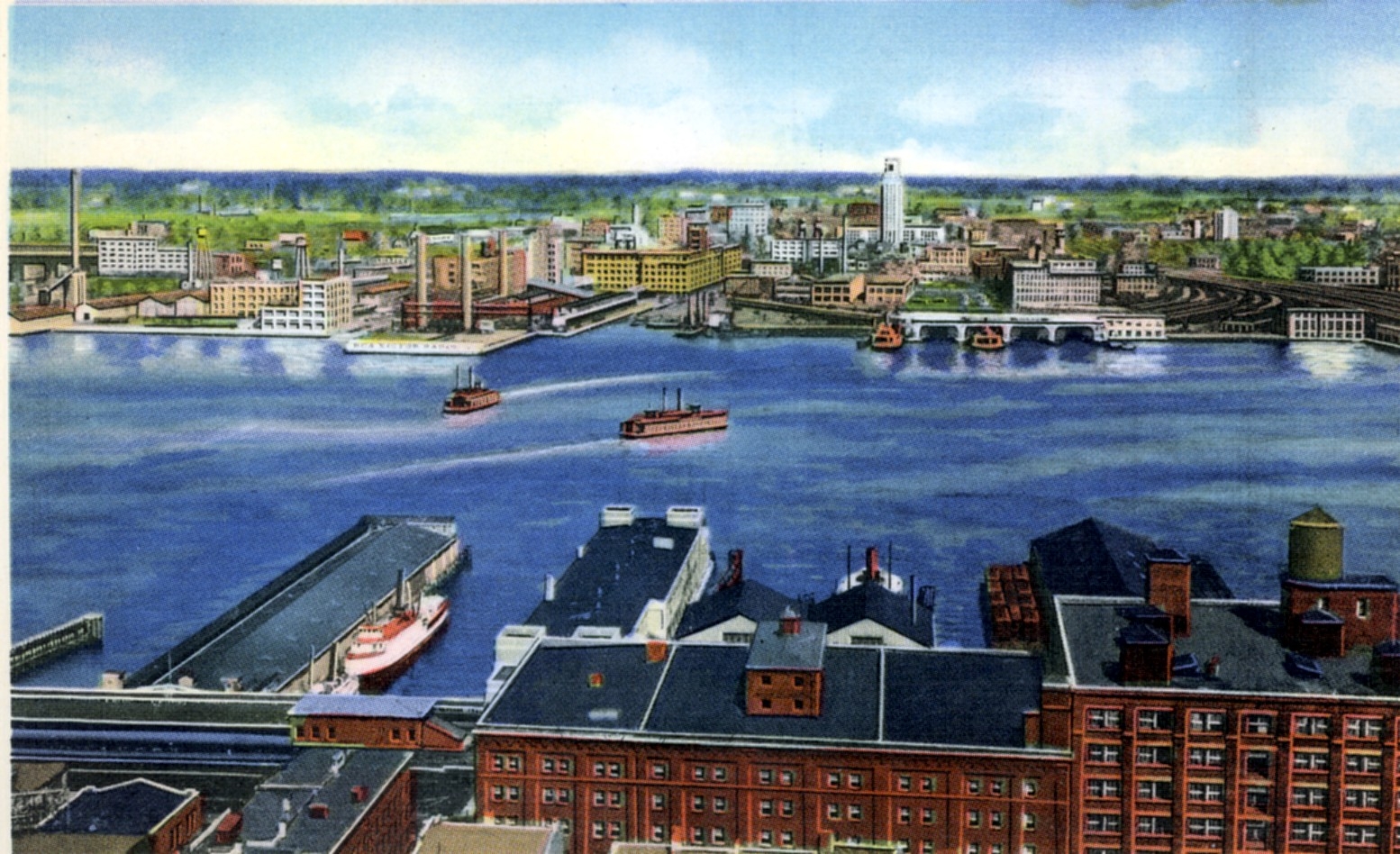
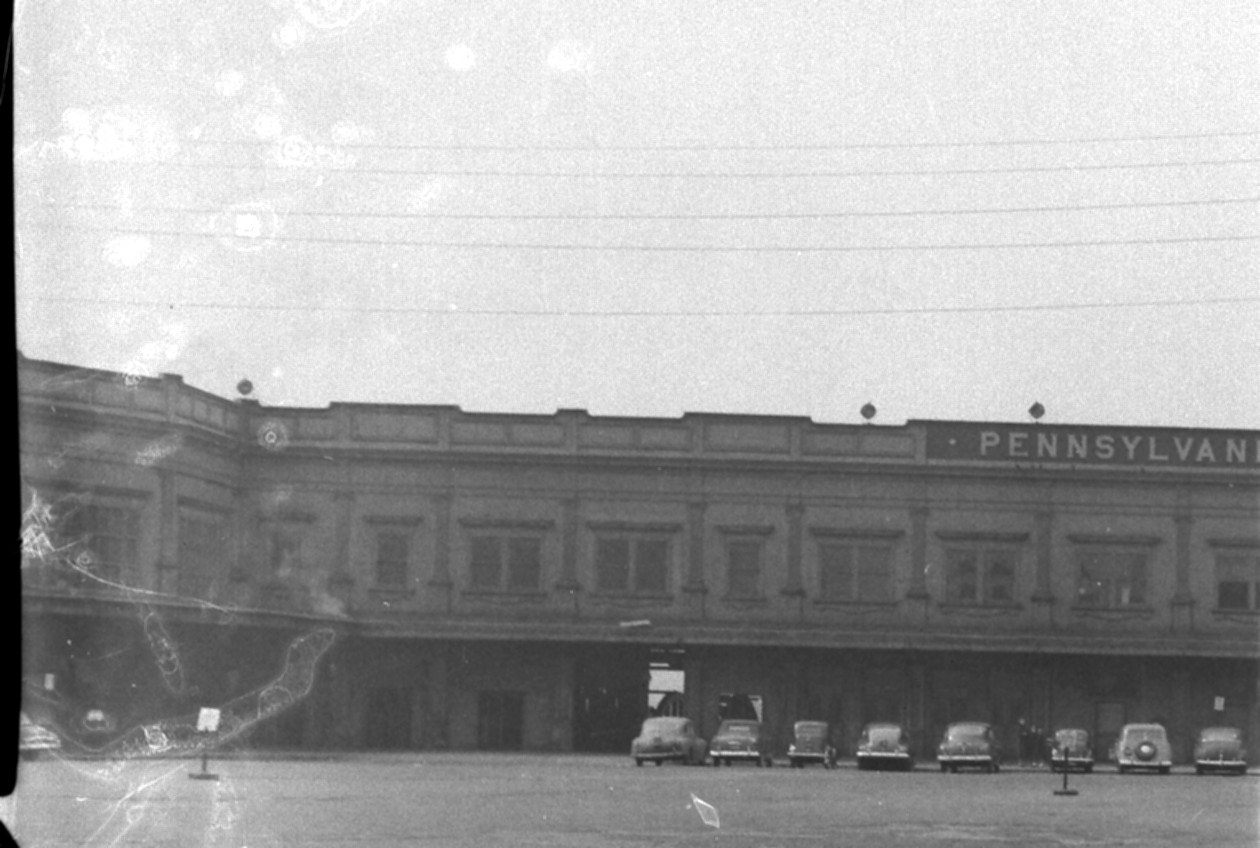
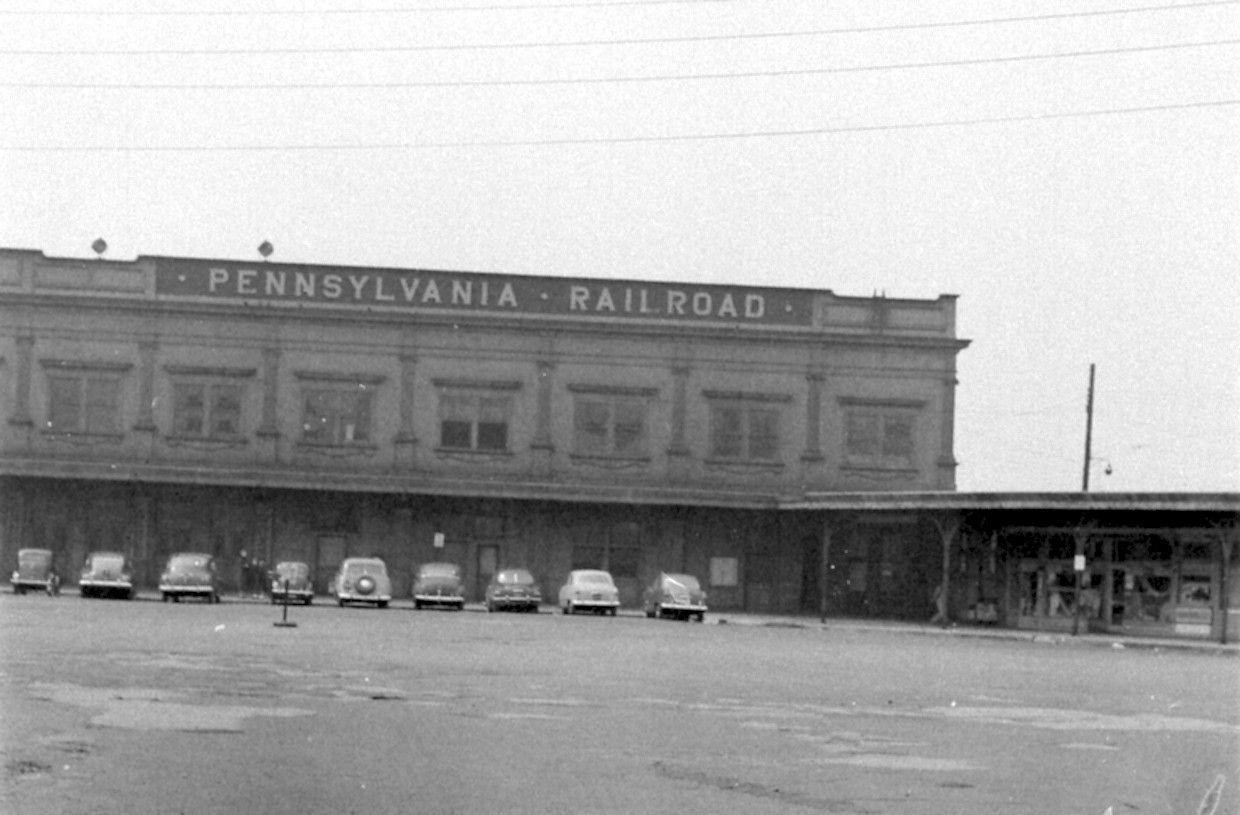
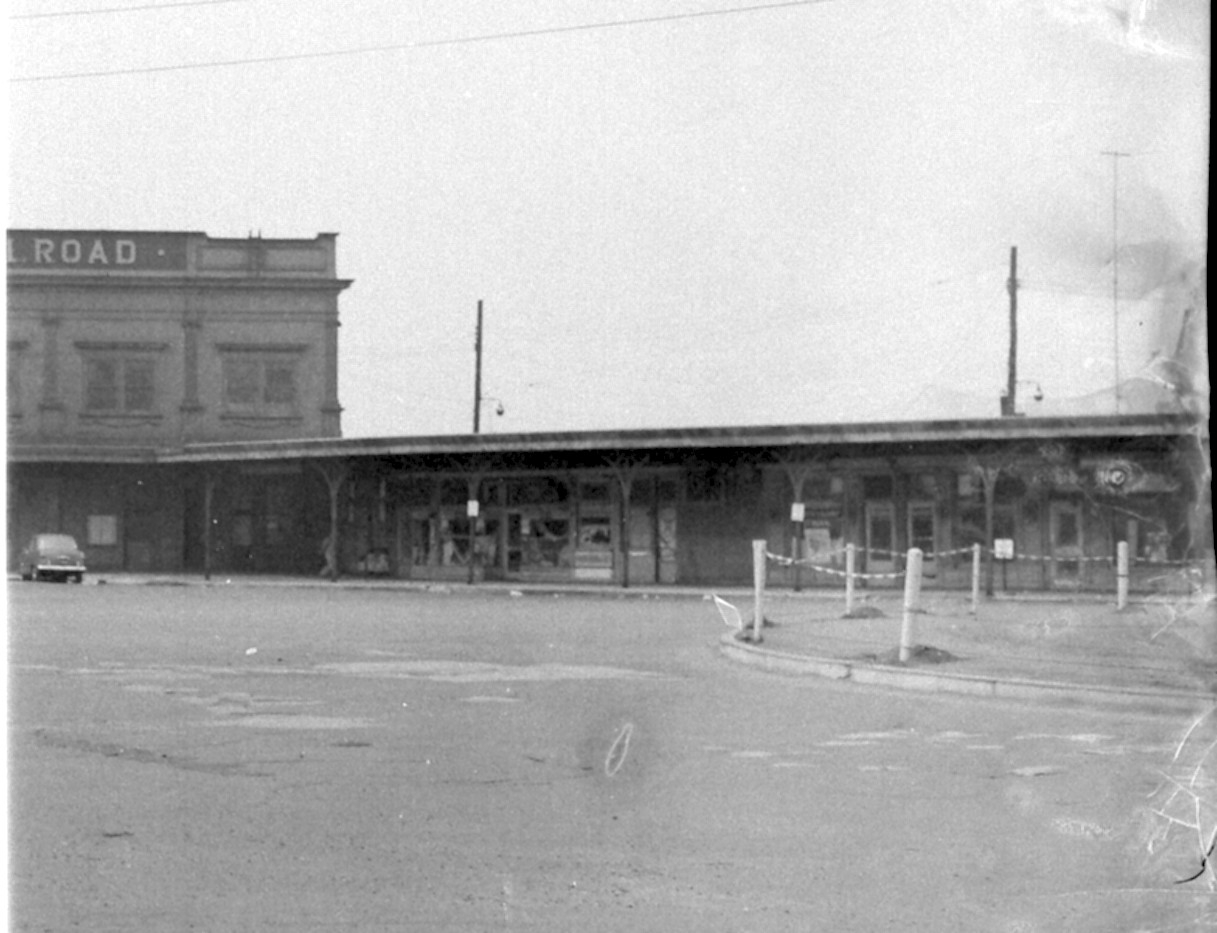
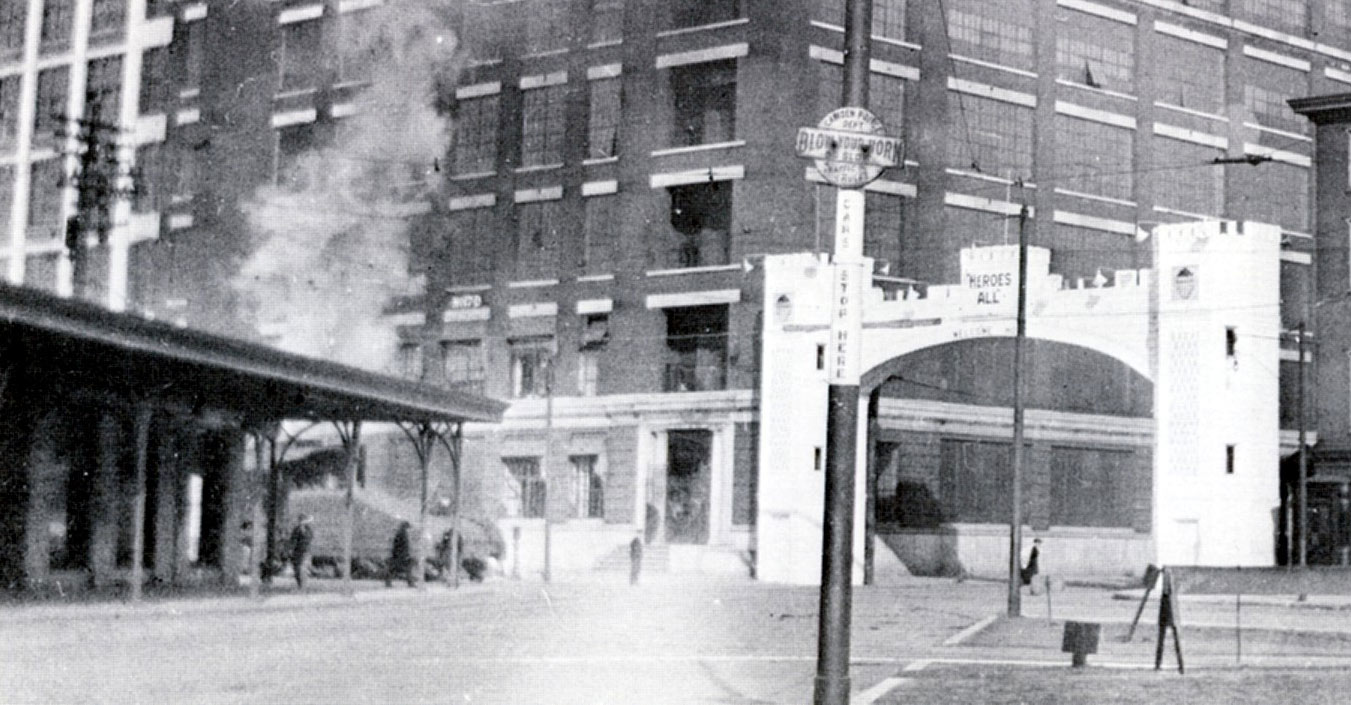
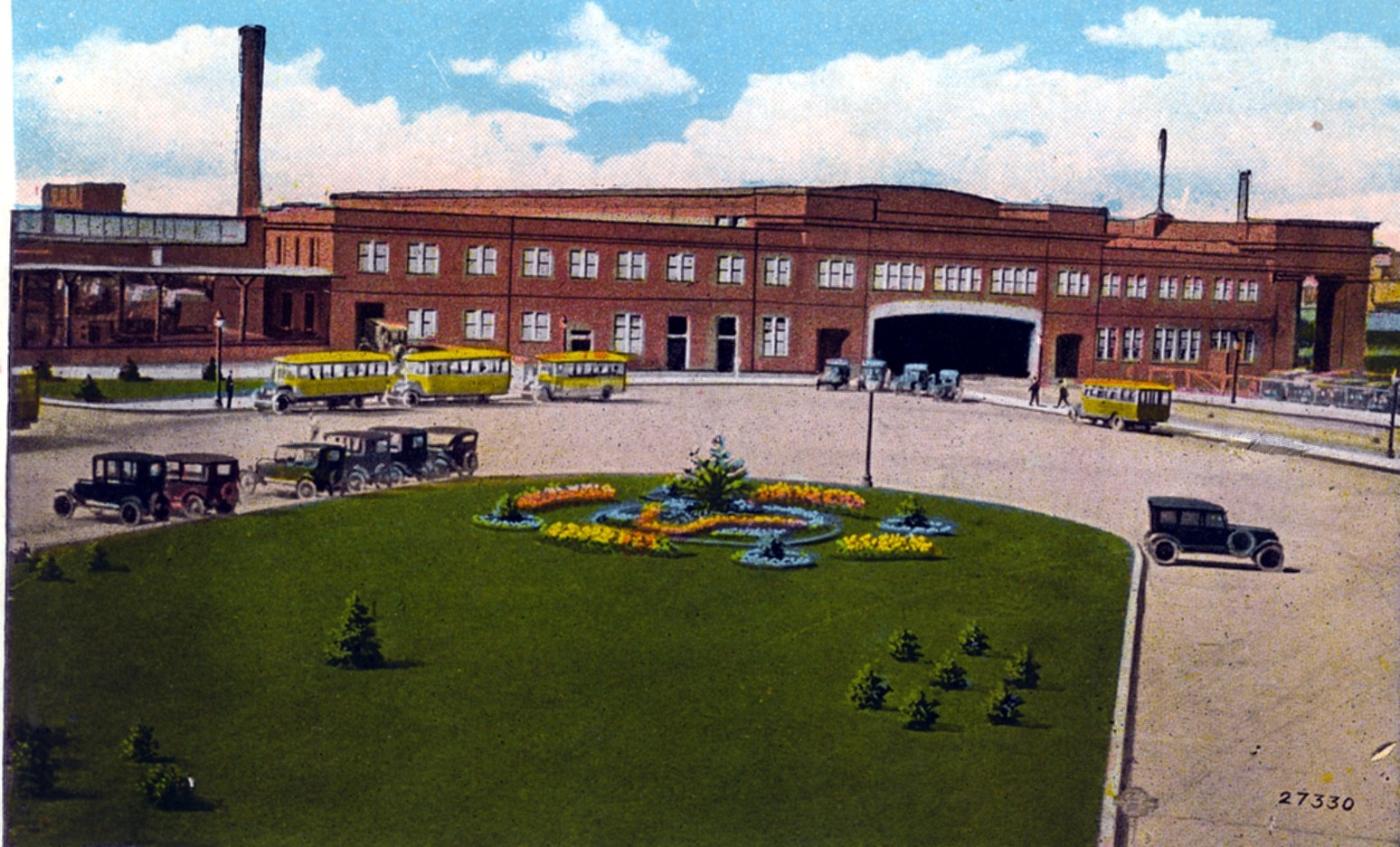
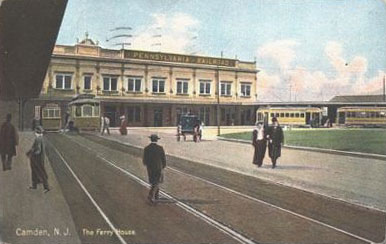
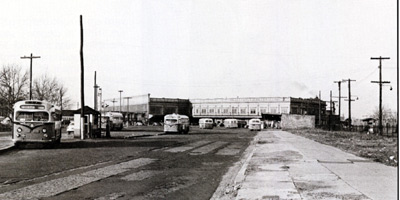
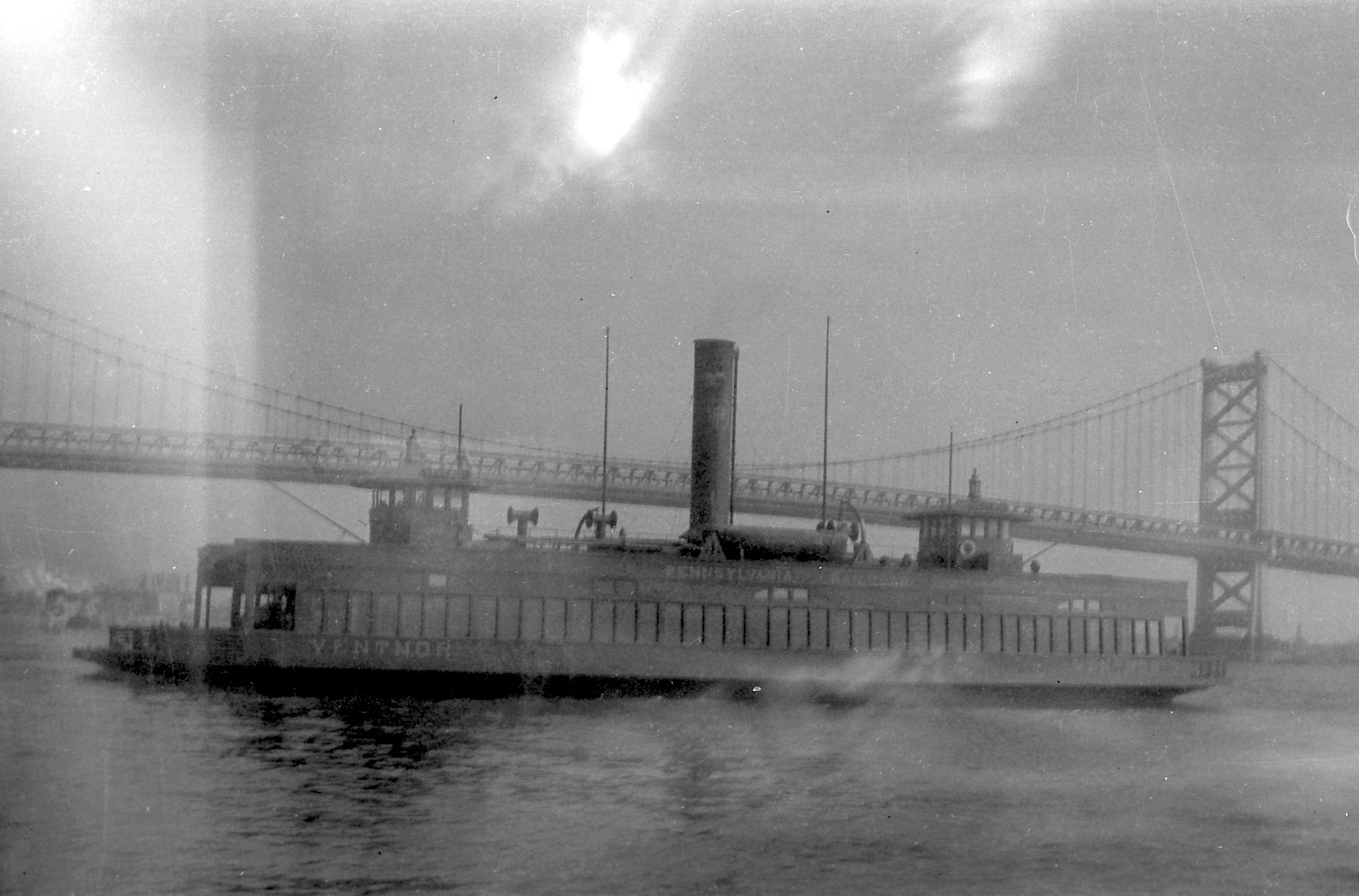
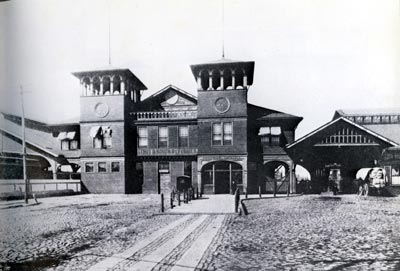
The Pennsylvania Railroad Ferry Terminal at Federal Street, Camden. The terminal served ferry passengers crossing the Delaware River between Camden and Philadelphia. These photos span from circa 1905 through the 1950s.
RCA-Victor
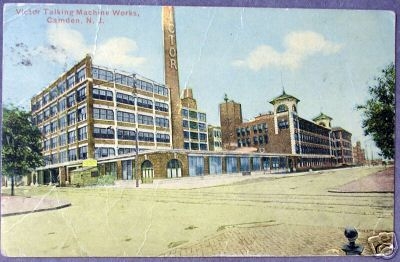
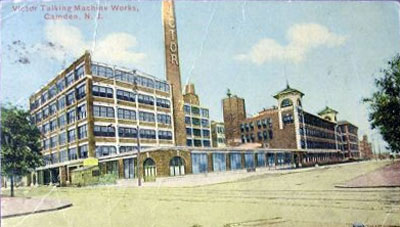
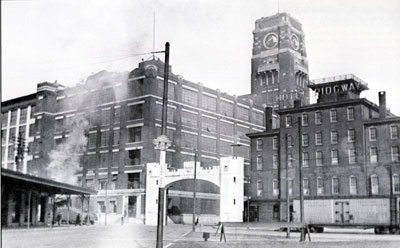
RCA-Victor plant on the Camden waterfront.
Reading Railroad Kaighn's Point Ferry Terminal
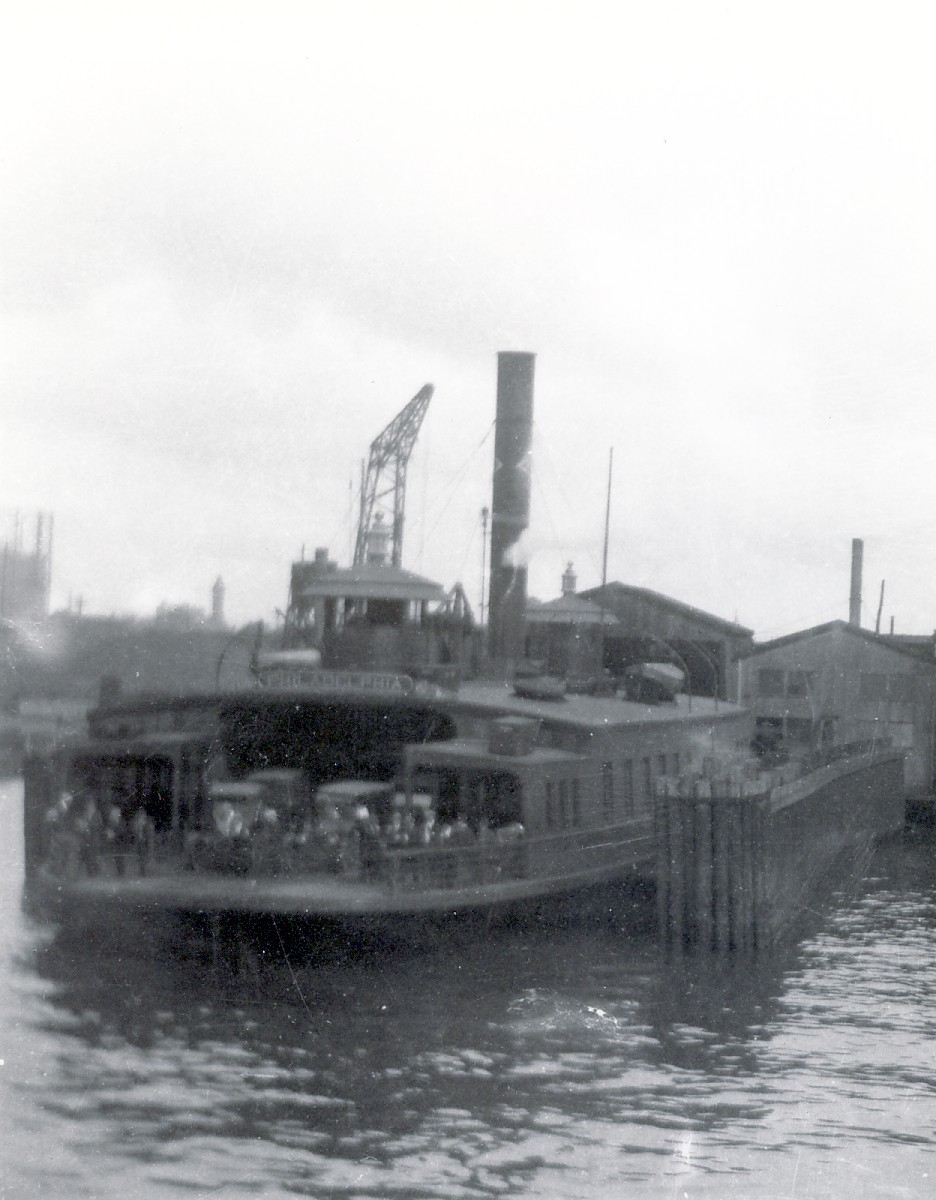
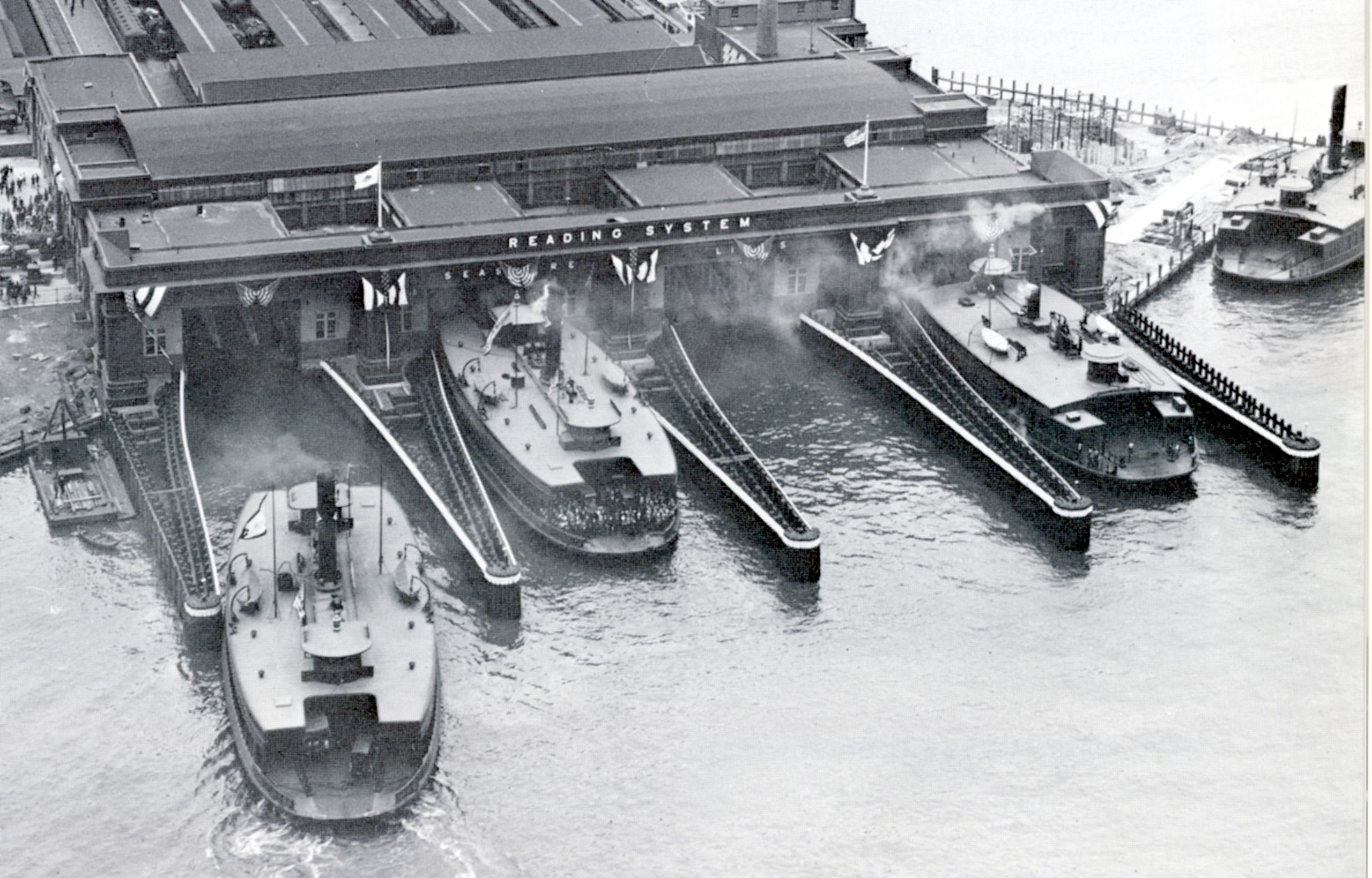
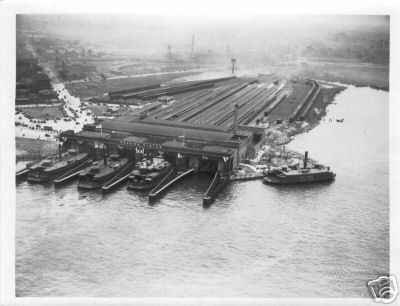
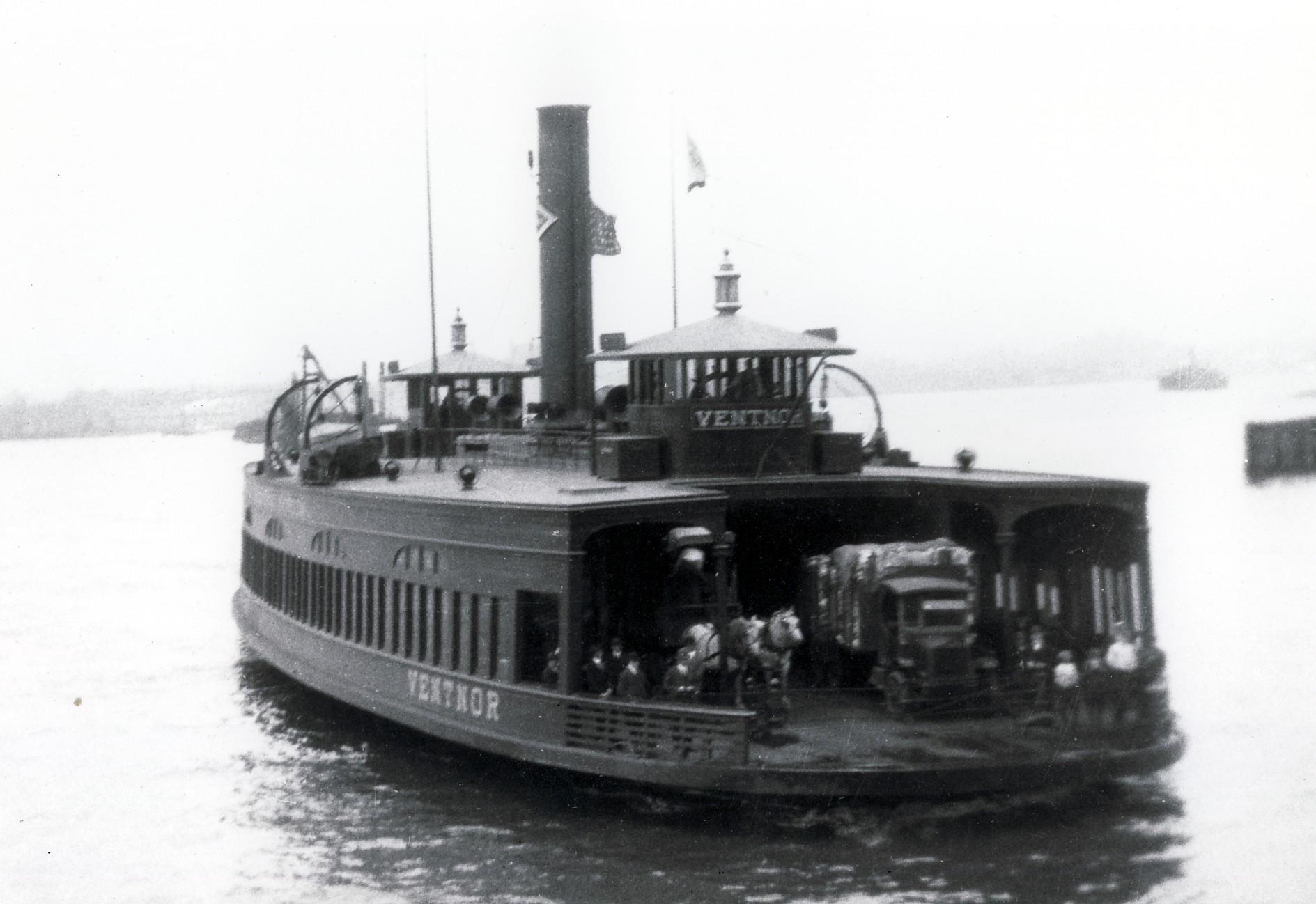
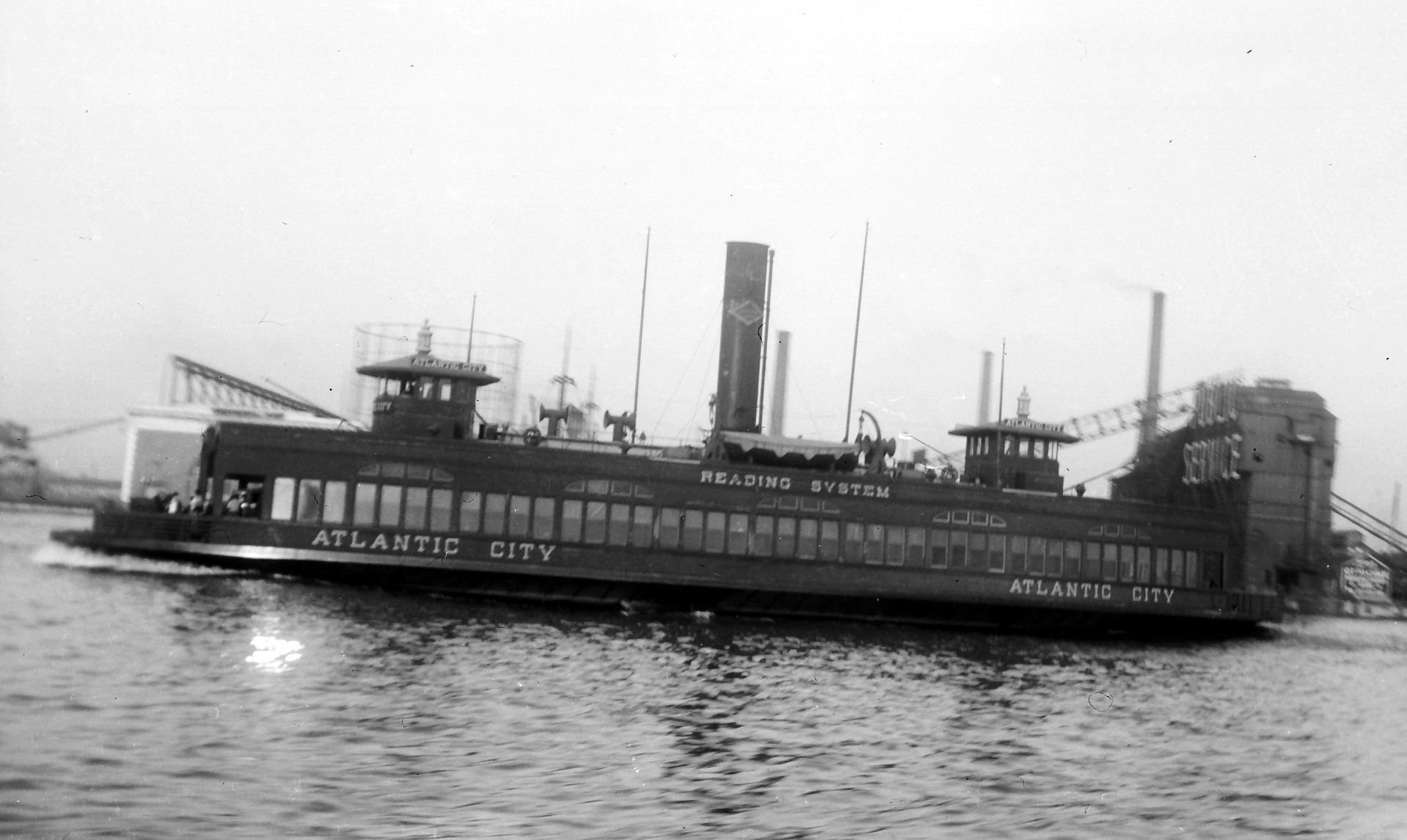
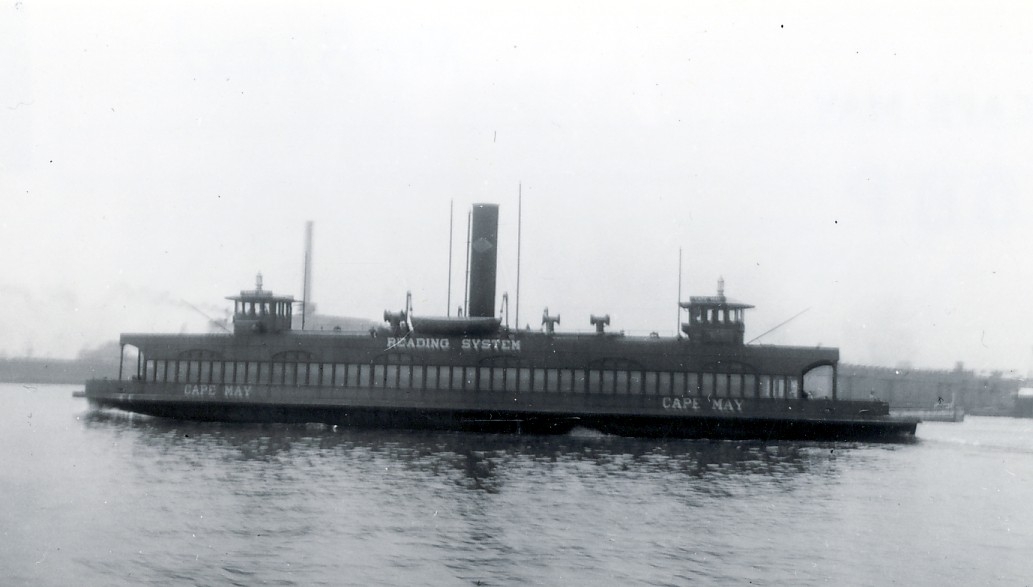
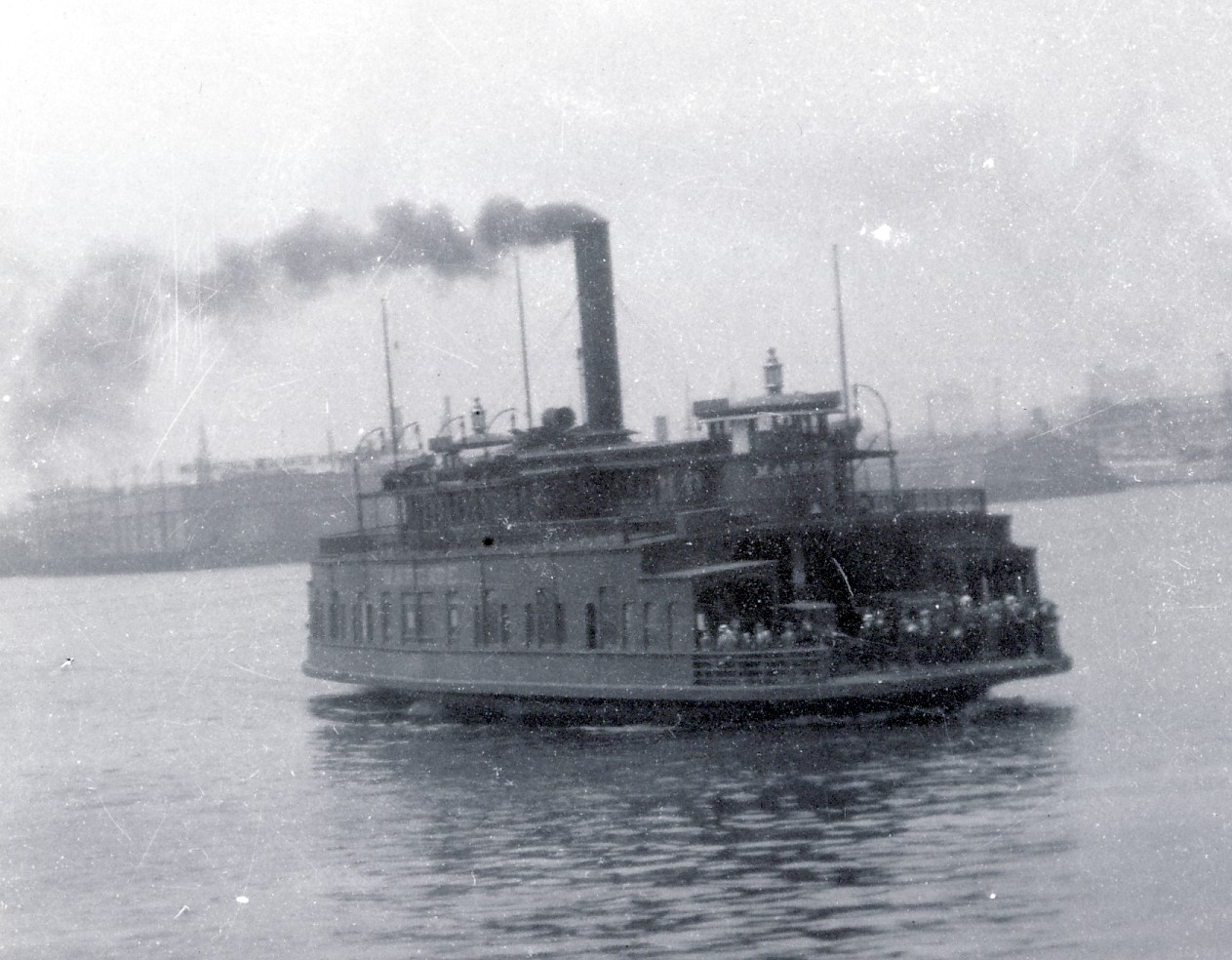
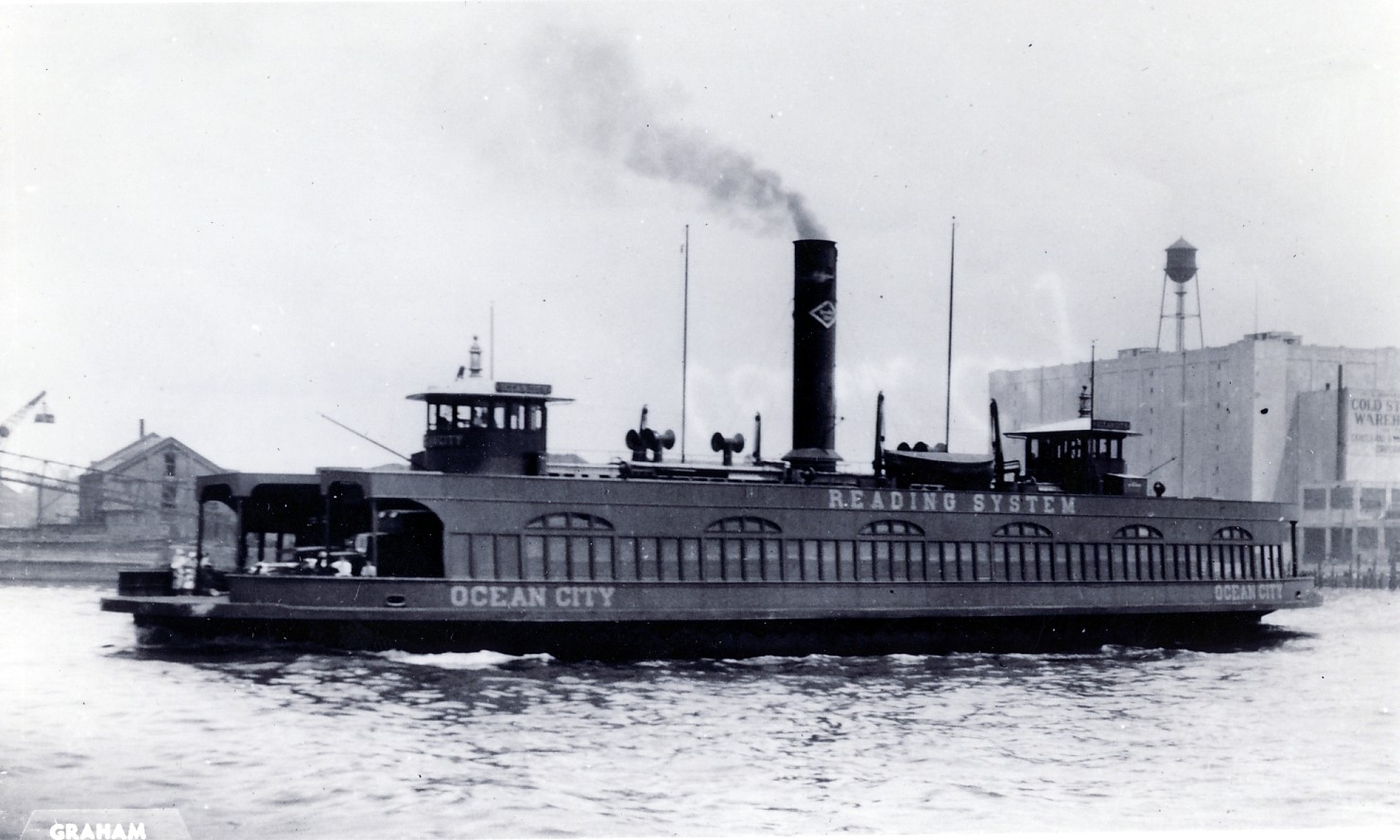
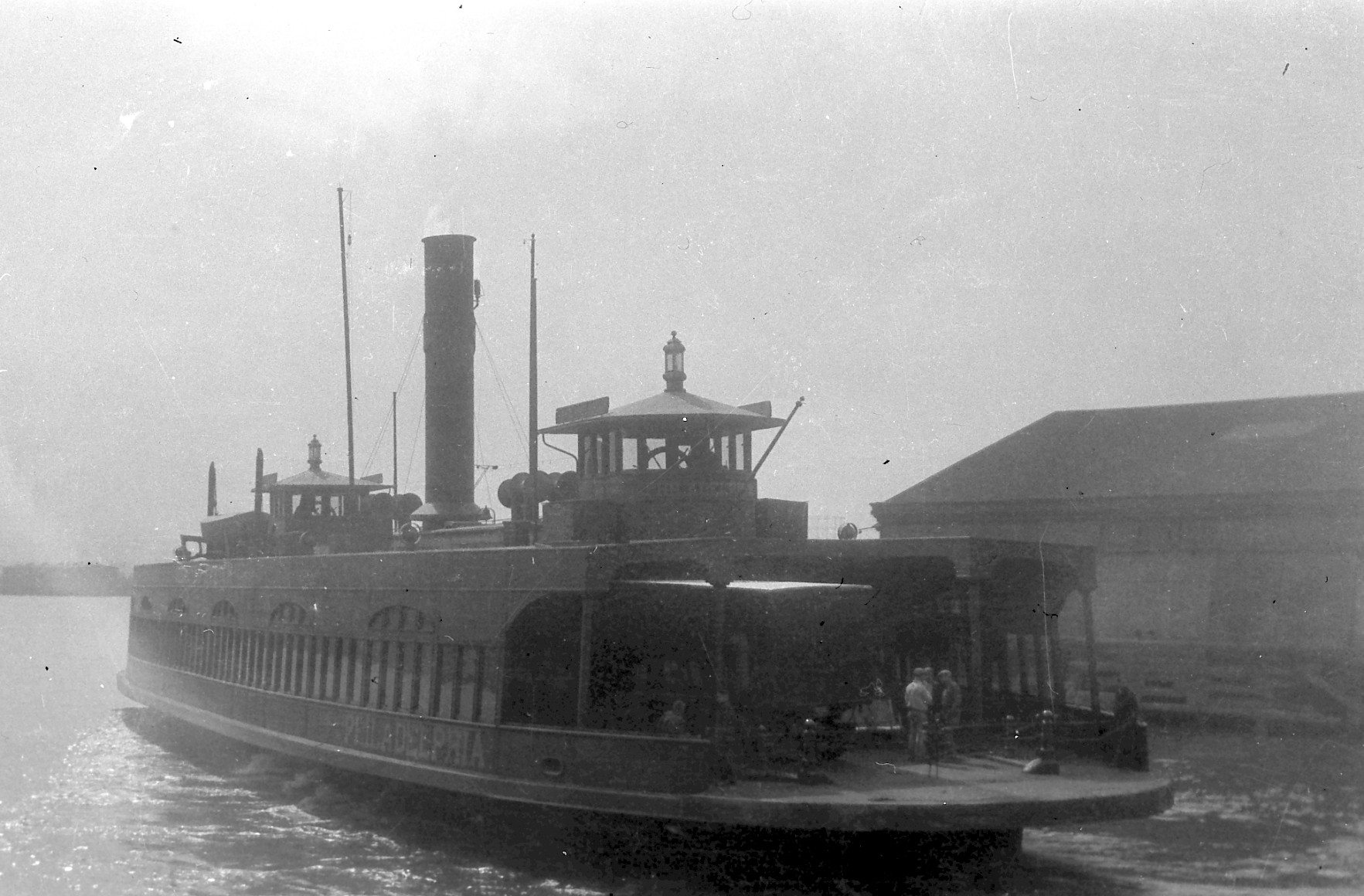
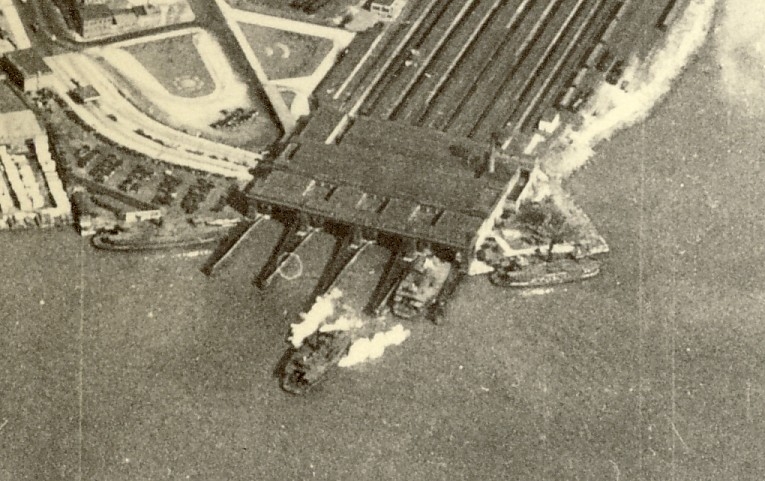
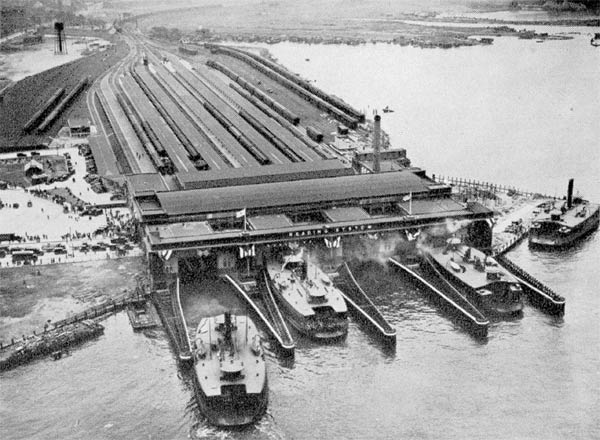
The Reading Railroad operated the Kaighn's Point Ferry Terminal at the foot of Kaighn Avenue in Camden. Ferries serving this route included the VENTNOR, ATLANTIC CITY, CAPE MAY, MARGATE, OCEAN CITY, and PHILADELPHIA.
Spruce Street Terminal
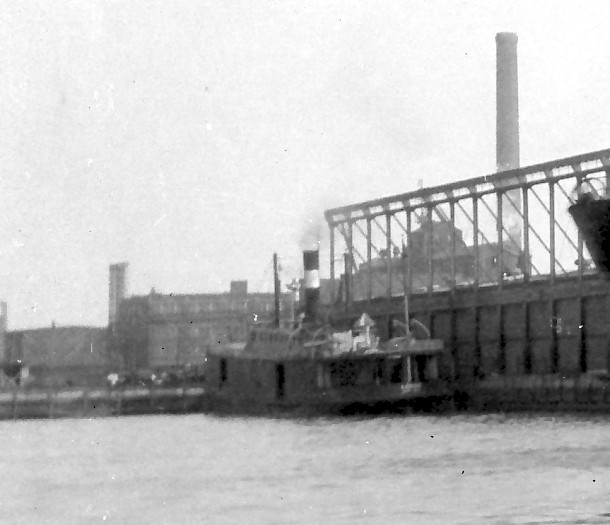
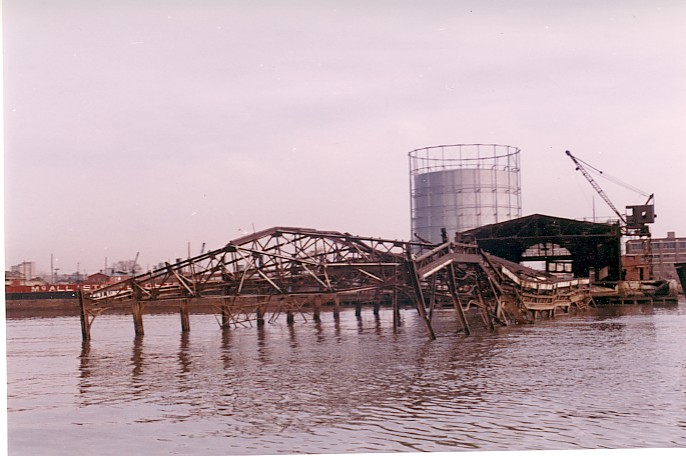
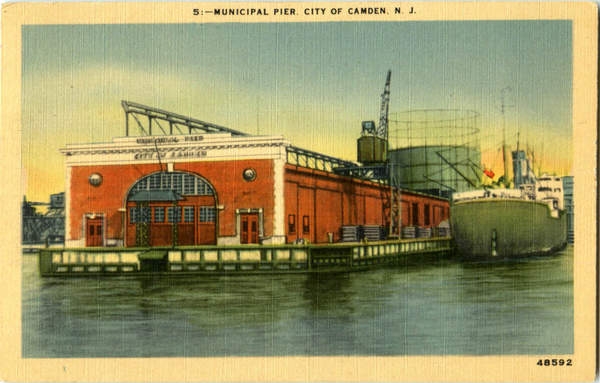
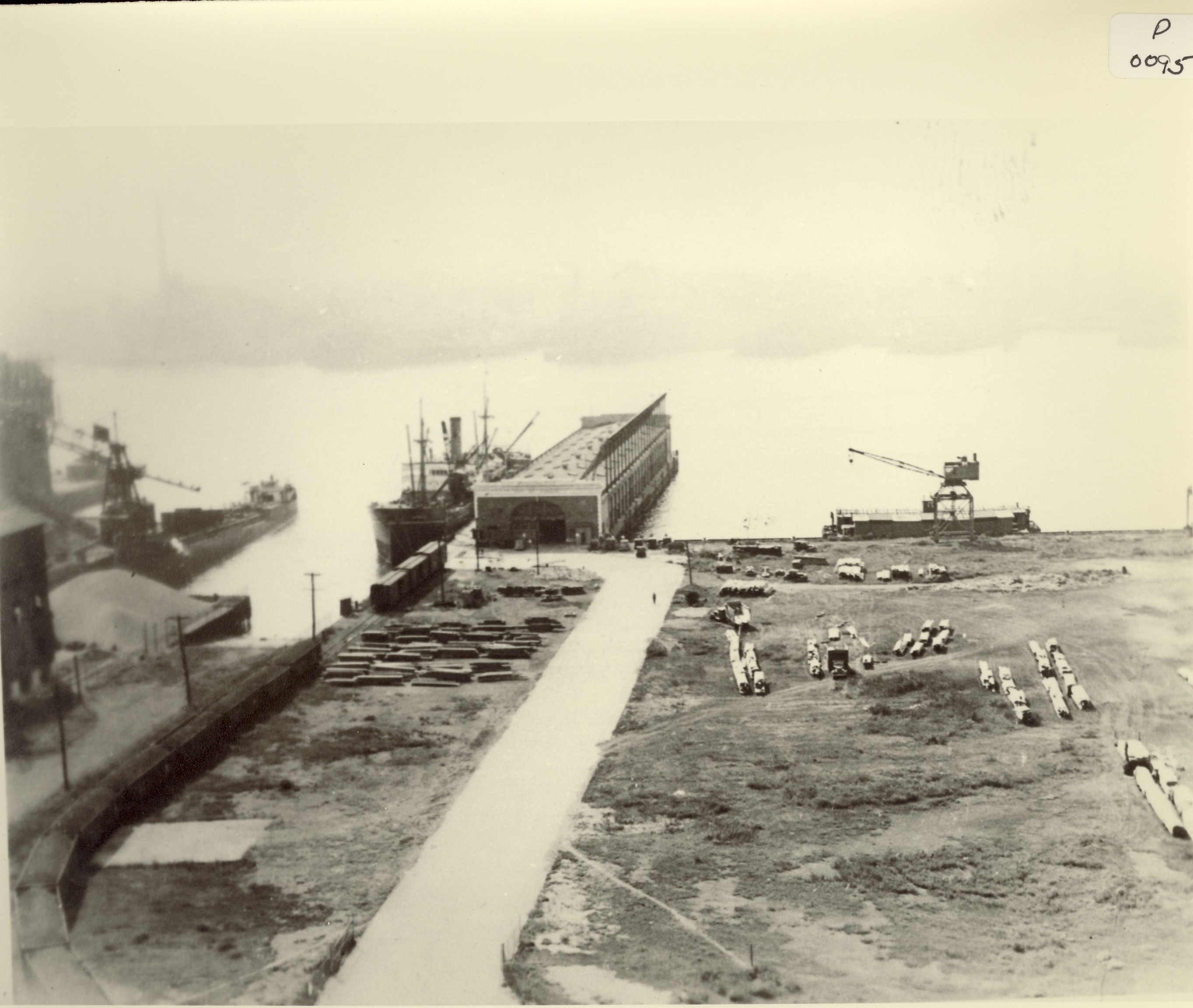
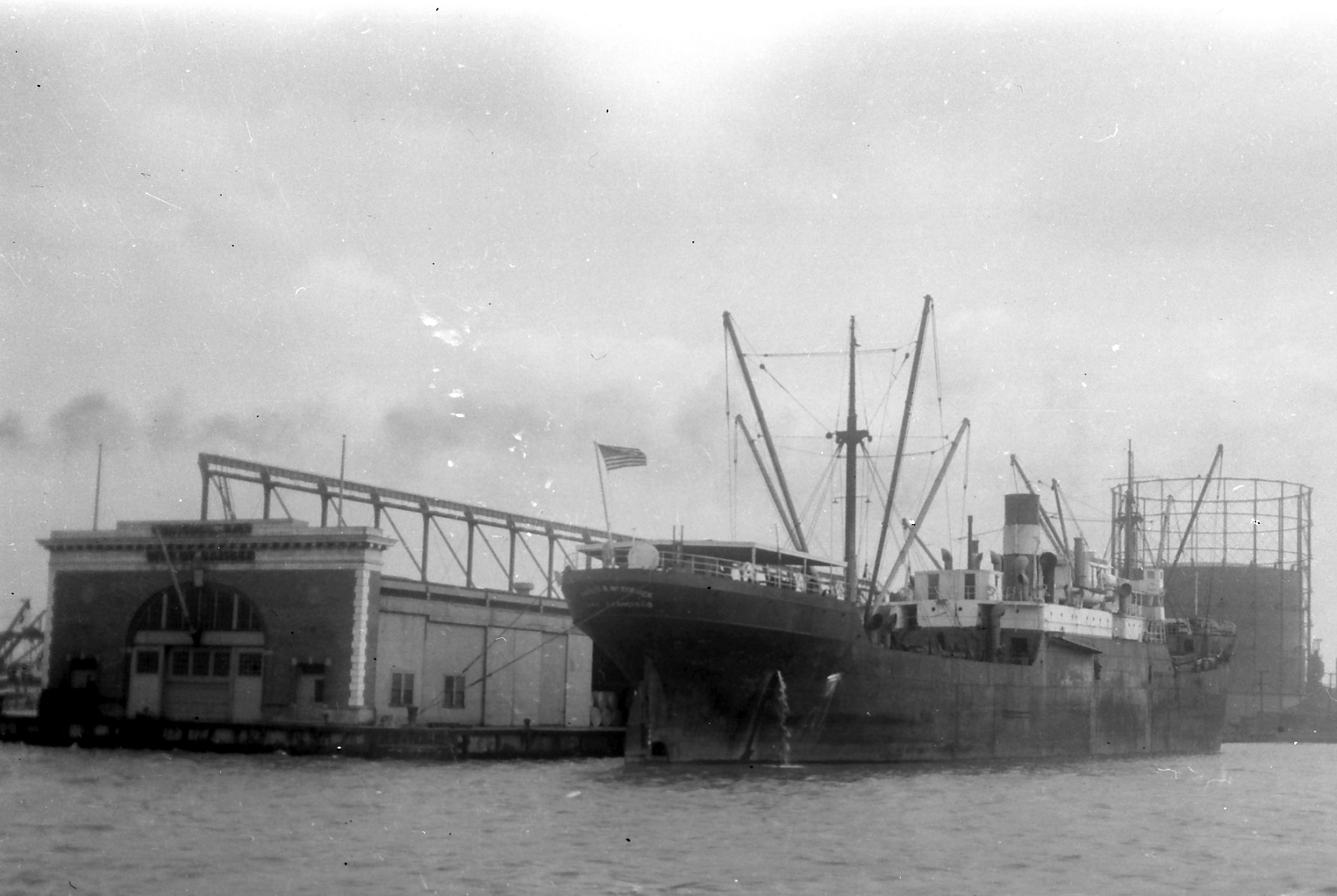
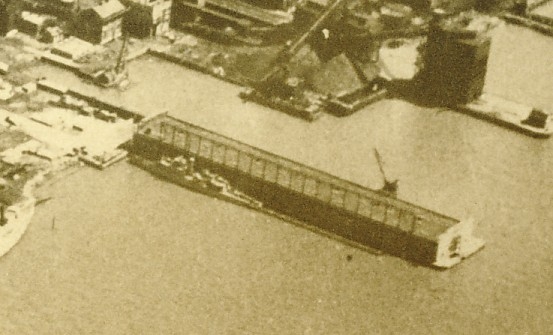
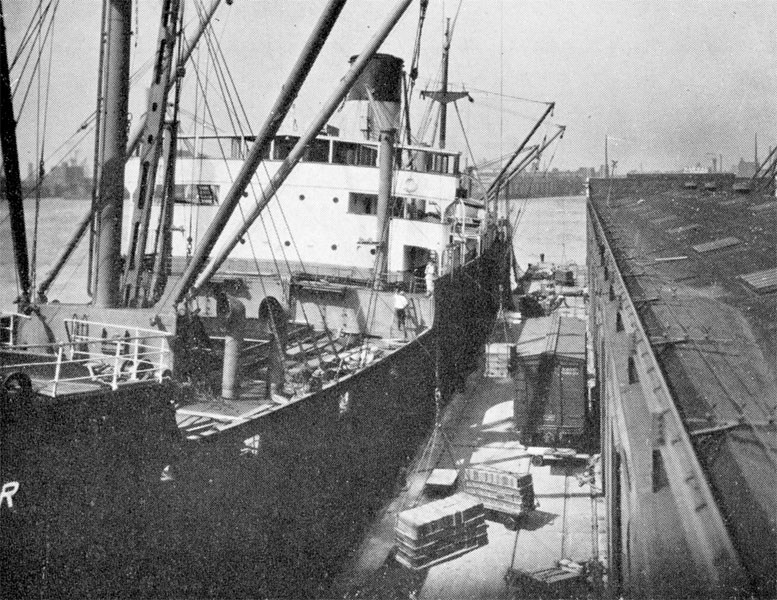
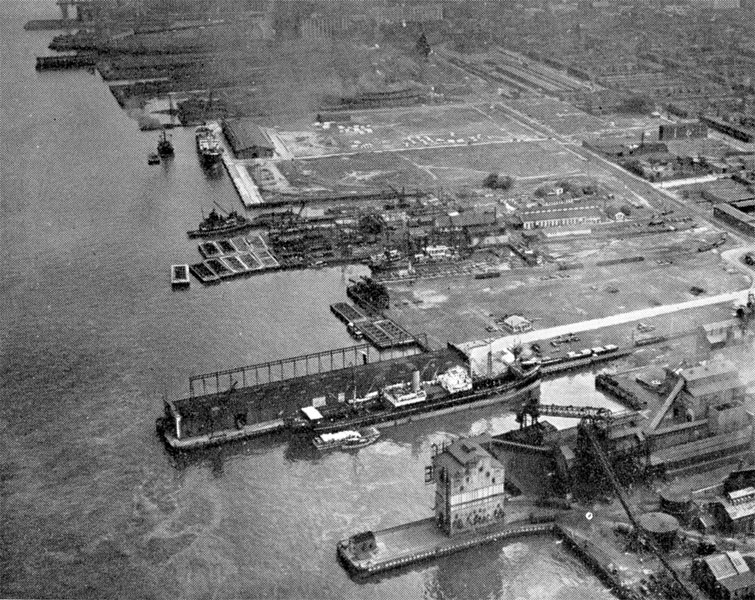
The Spruce Street Terminal on the Camden waterfront, from circa 1931 through 1973.
Tugs
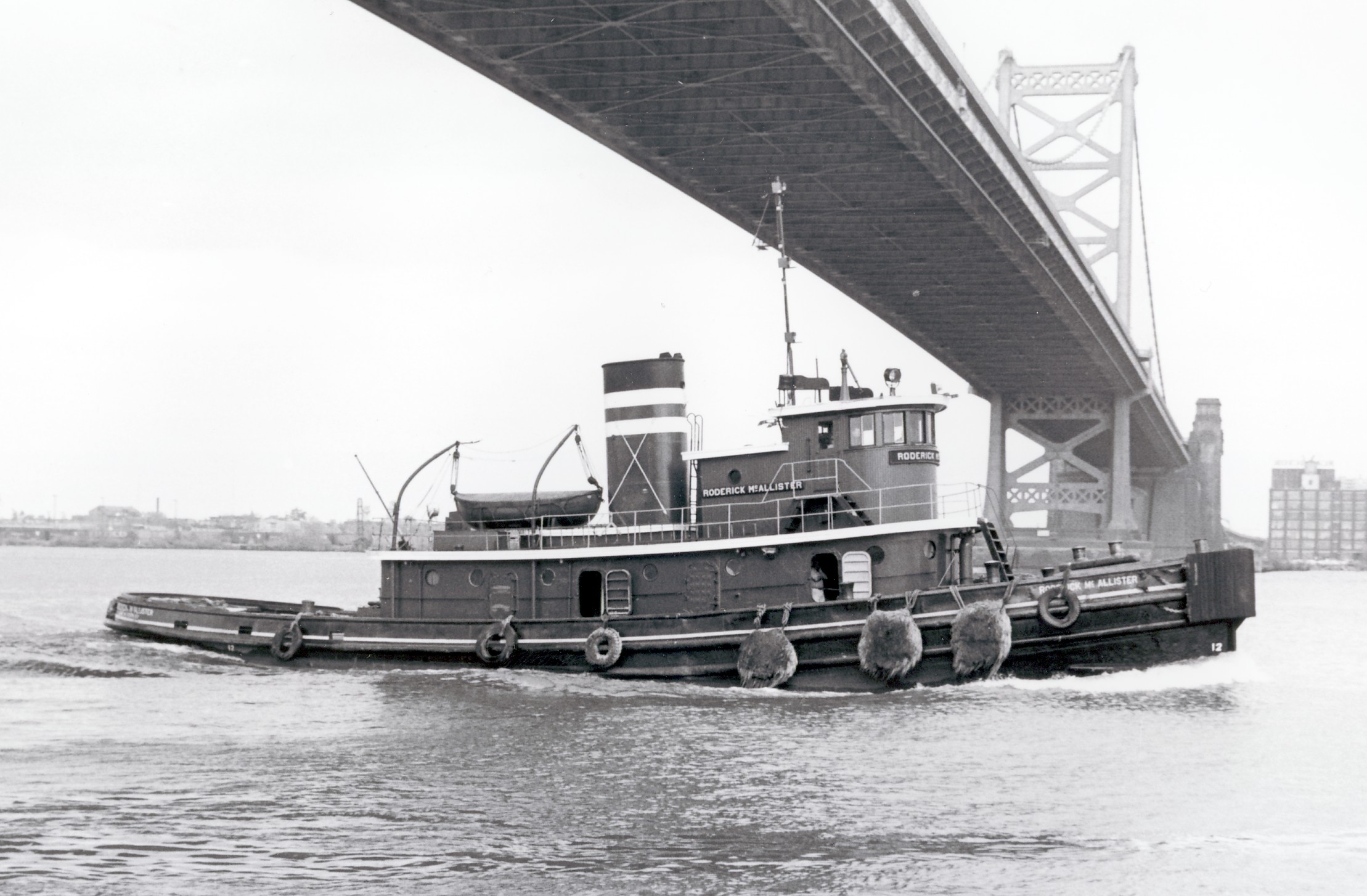
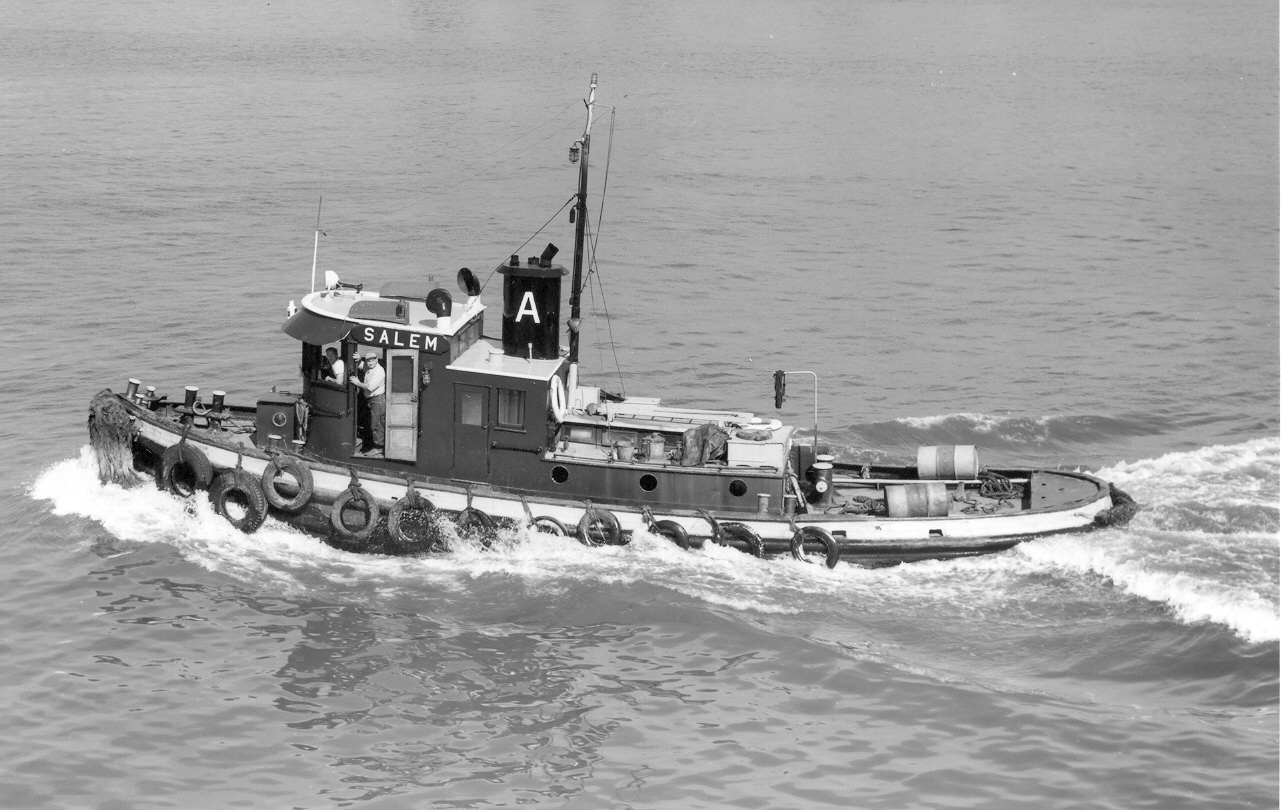
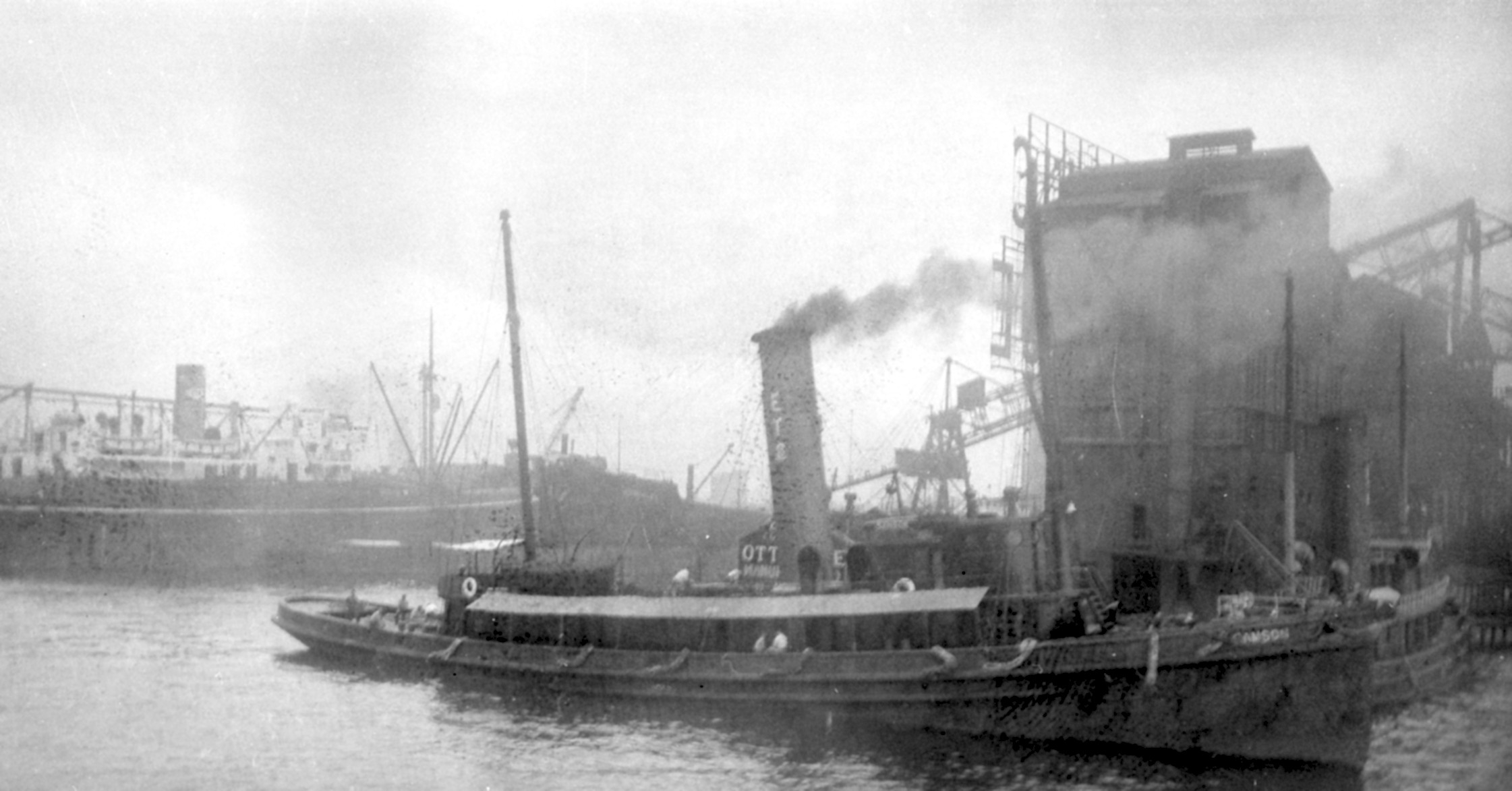
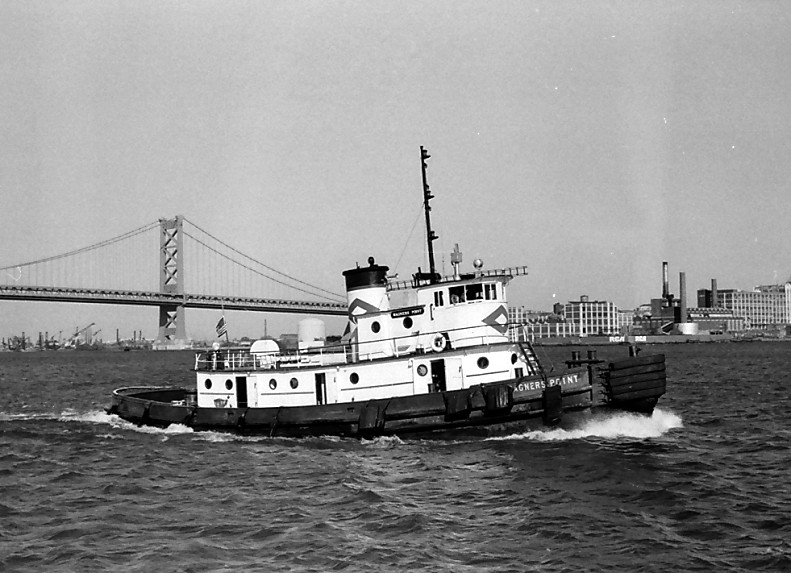
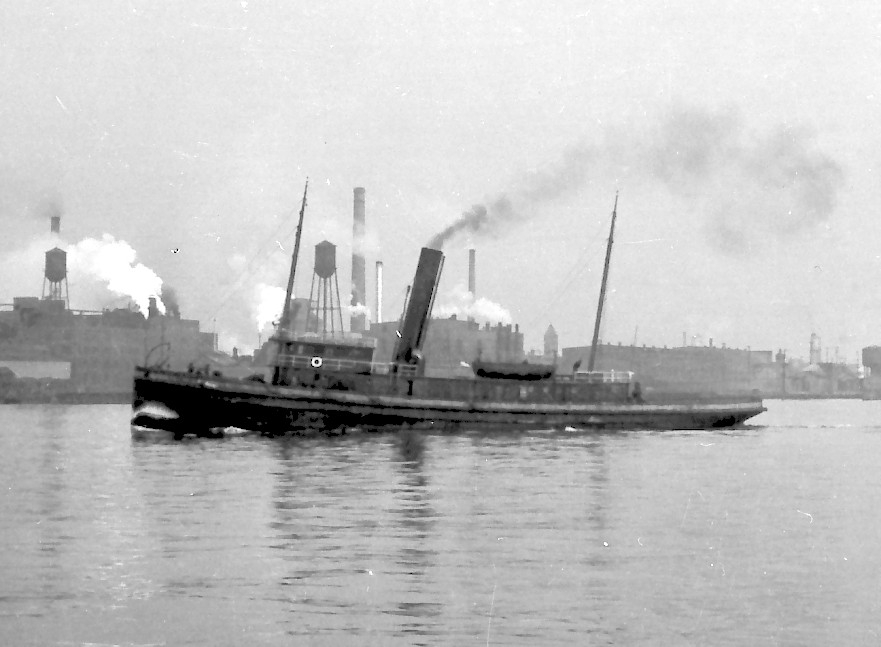
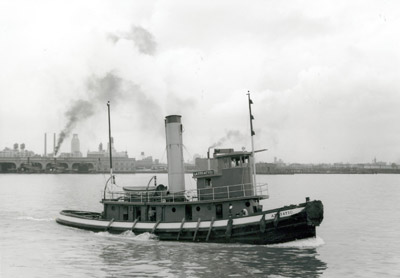
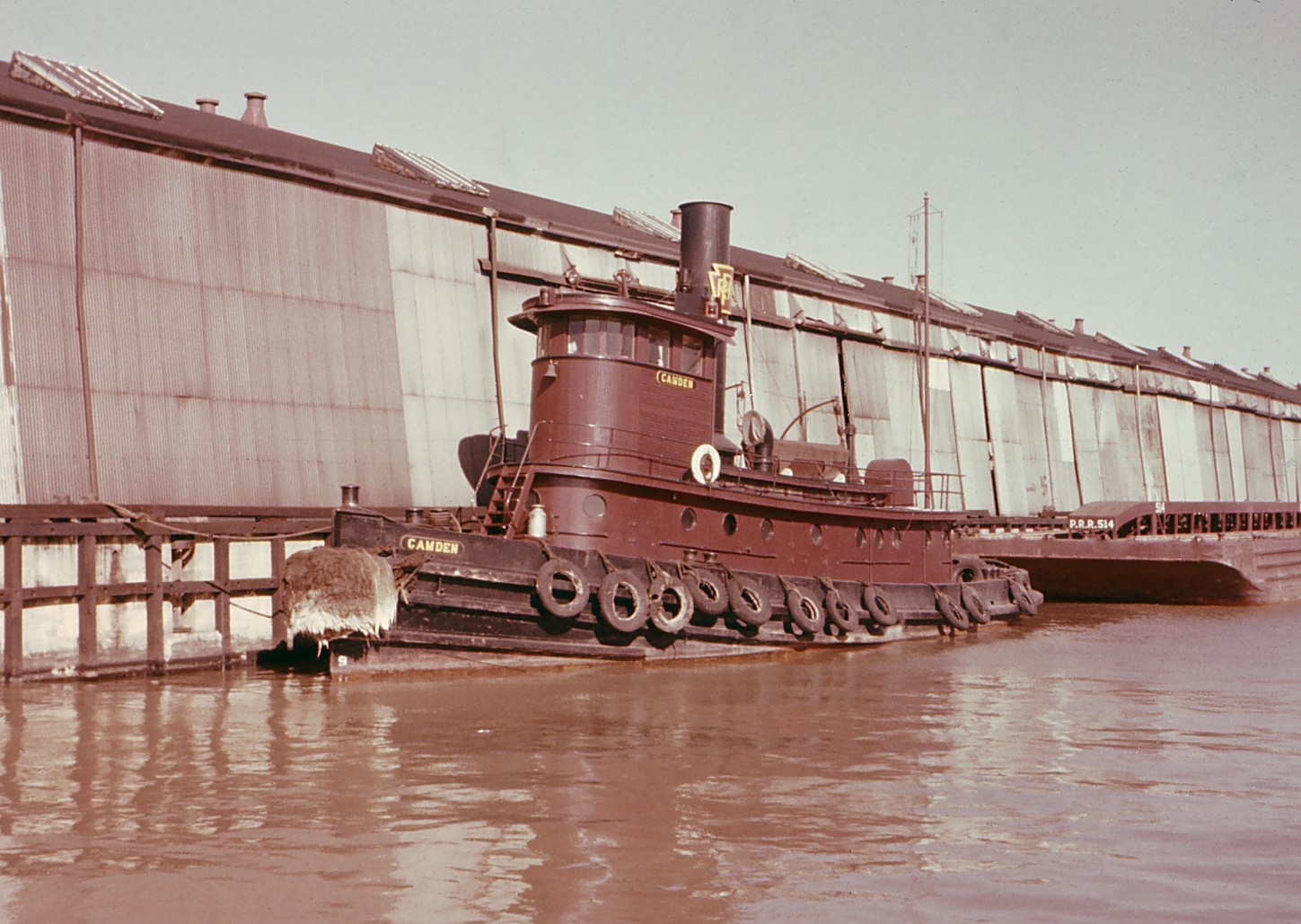
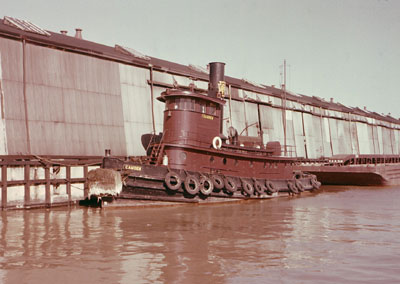
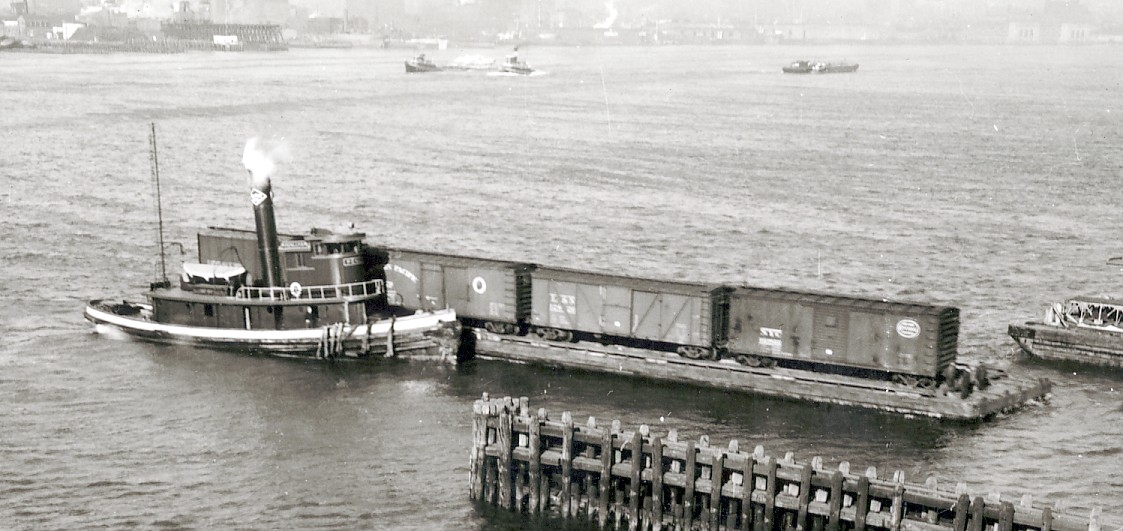
Tugboats at Camden: RODERICK McALLISTER, American Dredge Company Tug SALEM, SAMPSON, and WAGNER'S POINT.
Curtis Bay Towing Company Tugs — August 1981
I am sending you some shots of Curtis Bay Towing tug boats that were all taken in August 1981 from Pier 5 North Delaware Ave looking towards Camden. I worked at Curtis Bay during the summer as my Dad was Port Engineer there and we both know Dave Boone as he was the dispatcher for the tugs.
— Jim Lapp
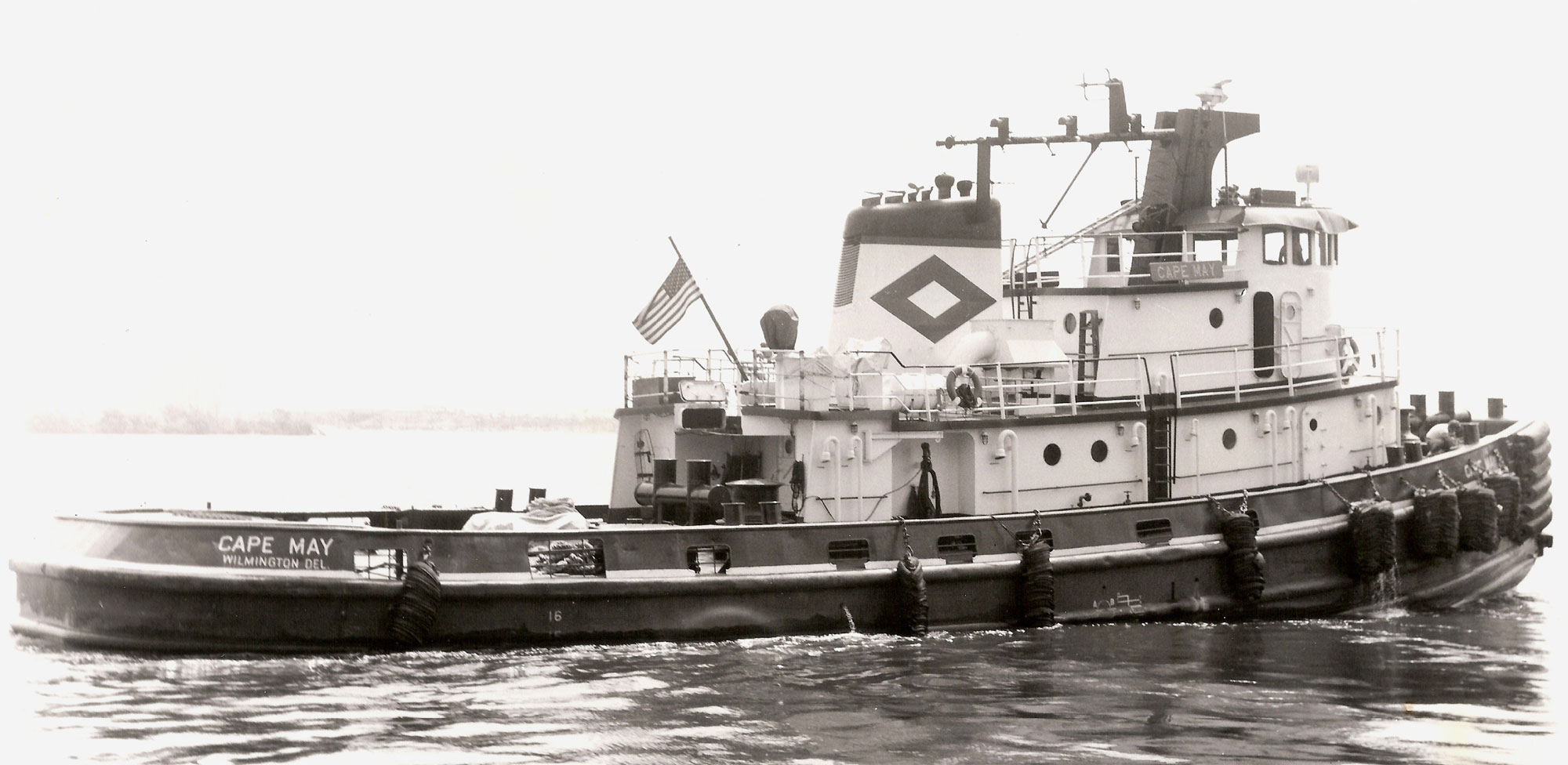
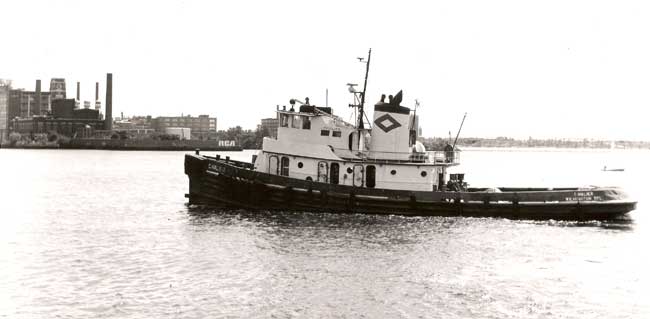
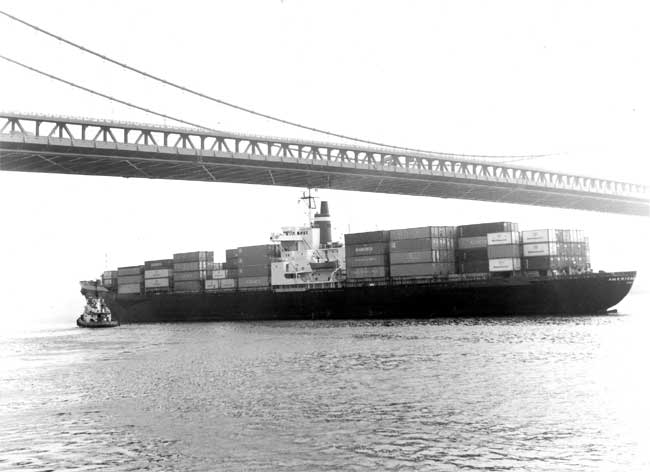
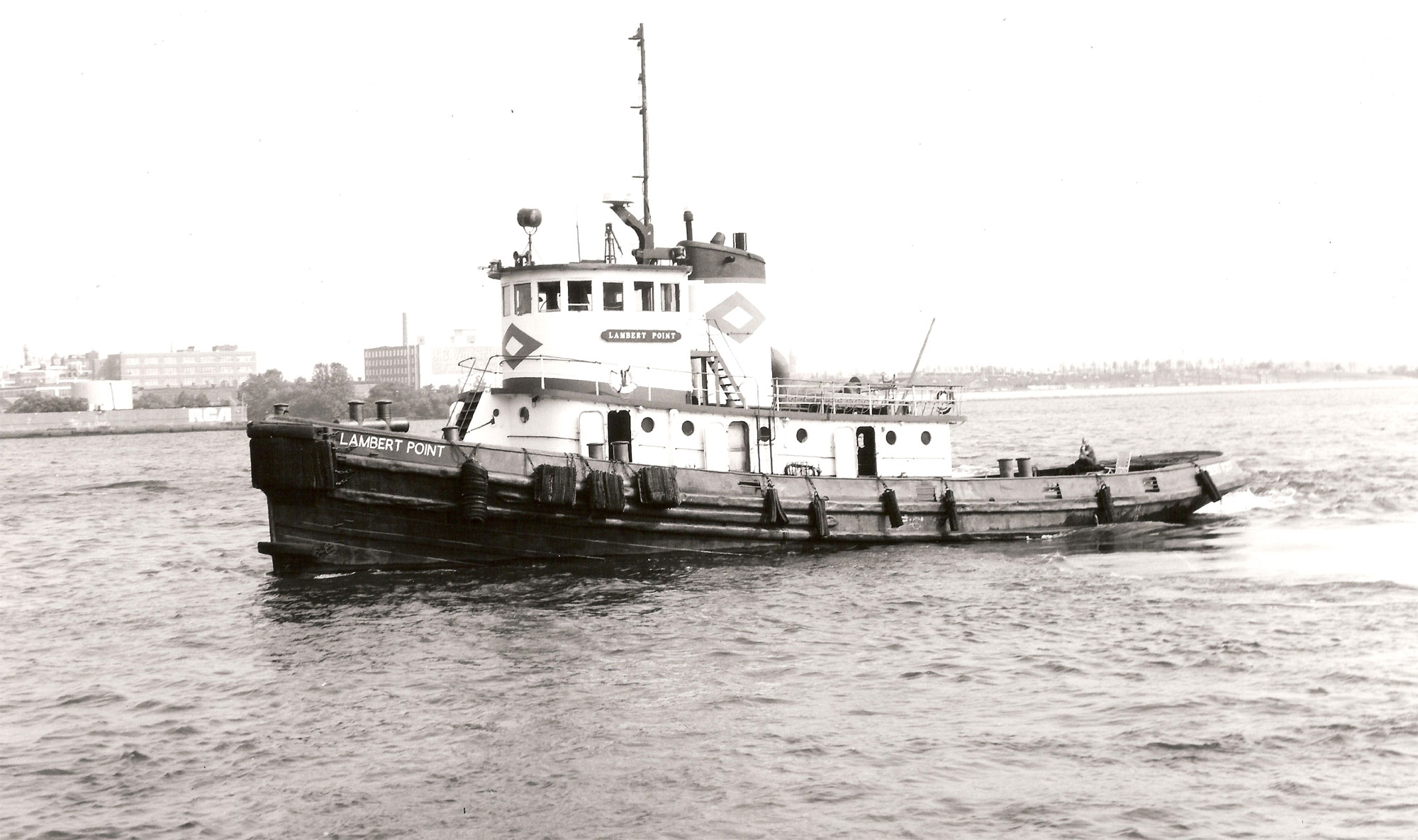
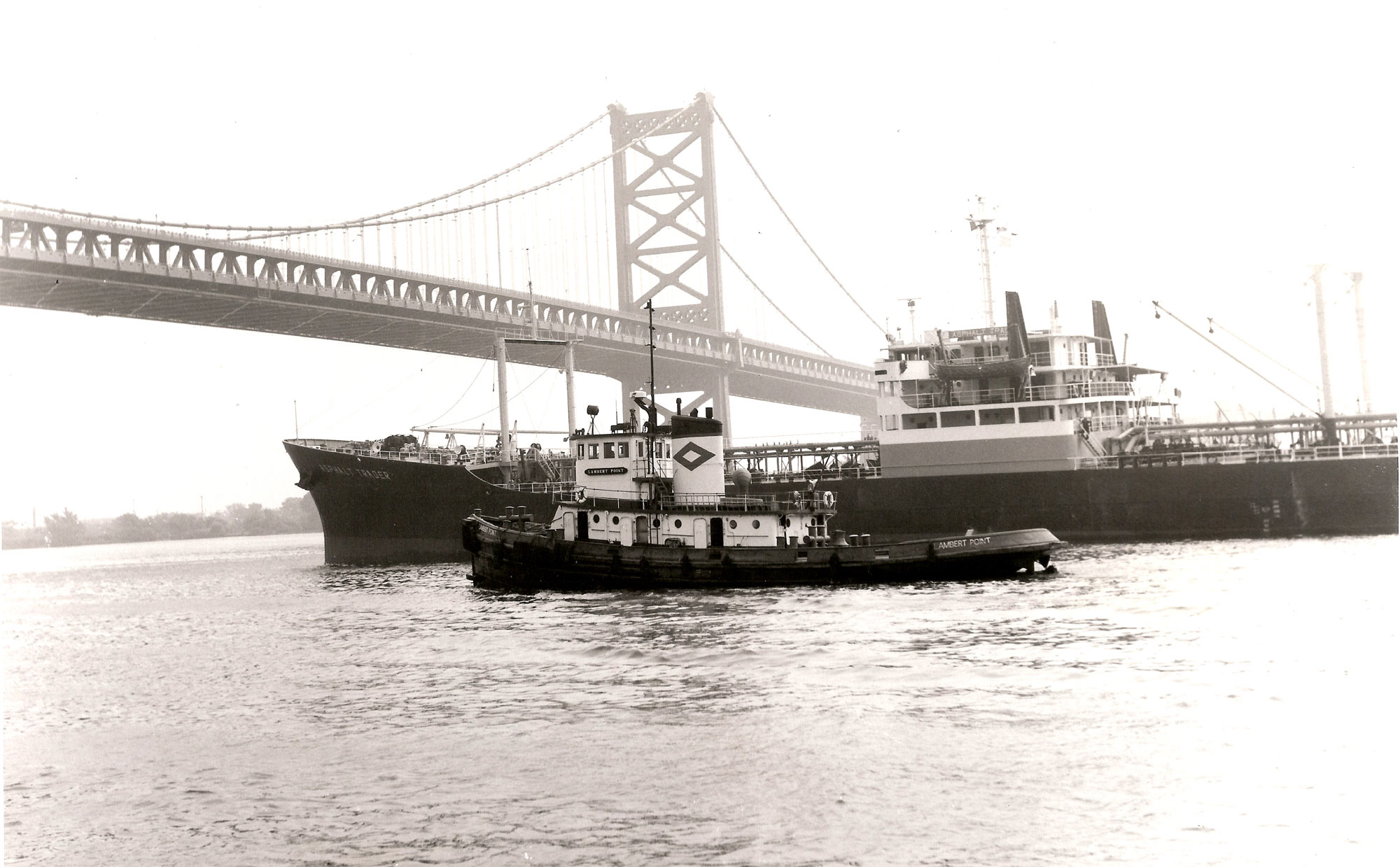
Curtis Bay Towing Company tugboats CAPE MAY, CAVALIER, LAMBERT POINT, and an unidentified tug with a container ship. All photos taken in August 1981 from Pier 5, North Delaware Avenue, looking towards Camden. Photos by Jim Lapp.
Marine Terminals Show Big Increase Over 1932 Figures
Camden Courier-Post —
Cargo and vessel movements at the Camden Marine Terminals during the month of May, 1933, show a decided increase as compared with May, 1932.
The total amount of cargo handled during the month was 15,235 tons, an increase of 56 percent as compared with the same period in 1932. The number of ocean-going vessels docking during the month was 25 as compared with 16 vessels during May, 1932.
Outbound shipments during the month amounted to 8,764 tons as compared with 3,476 tons in May, 1932. The outbound cargoes consisted largely of manufactured products from Camden and South Jersey industries, reflecting increased industrial activity in this area.
The inbound freight movement amounted to 6,740 tons as compared with 5,769 tons in the same monthly period a year ago. These cargoes consisted of lumber from the Pacific Coast, wood pulp from Norway and Sweden and nitrate of soda from Chile, S.A.
The outbound shipments were destined principally to South Atlantic, Gulf, Pacific Coast, Hawaiian Islands and Far East ports.
On Friday, May 26, the S.S. J.L. Luckenbach loaded for the Pacific Coast one of the largest cargoes shipped from Camden in several months.
A comparison of tonnage trans-shipped through the terminals for the period from January 1 to June 1, 1933, as compared with the same period in 1932 shows an increase of 8,340 tons, or approximately 20 percent. Arrivals and departures of ocean-going vessels increased during this five-month period from 54 in 1932 to 101 this year.
At the present time 24 vessels are scheduled to arrive or depart from the Camden Marine Terminals during this month in addition to the daily sailings of the Ericsson Line to Baltimore, Maryland.
Tugs Aid Firemen at Terminal Blaze
Camden Courier-Post —
Flames at Federal Street Pier of Pennsy Endanger Electric Coaches
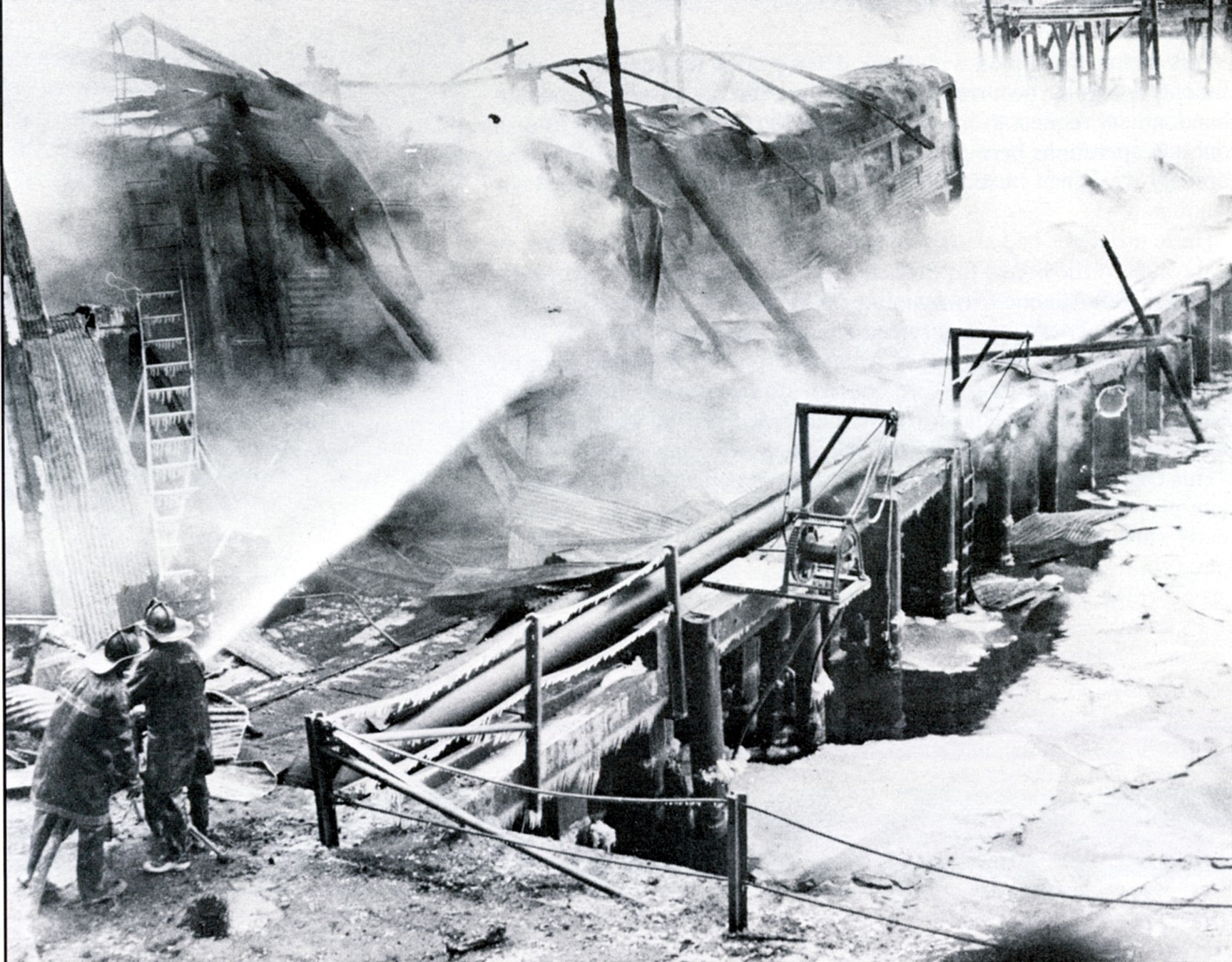
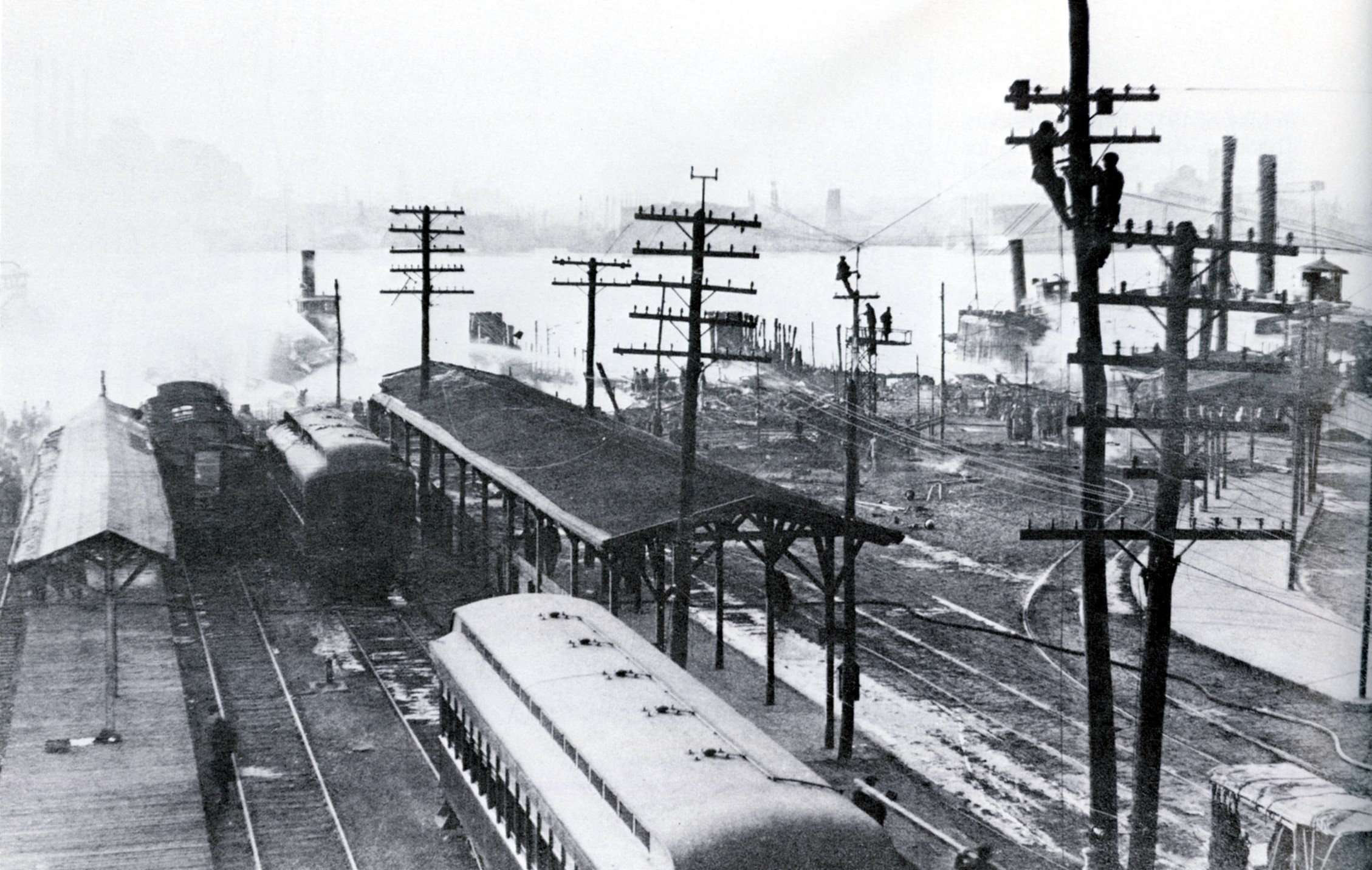
Three tugboats equipped with fire fighting apparatus yesterday aided Camden firemen to smother flames at the riverfront repair shop of the Pennsylvania Railroad, at the Federal Street ferry.
The fire was under control within 15 minutes after the alarm was sounded. Damage was reported at $200. Twelve electric trains in the barn were undamaged.
The car barn is built over the river, extending out about 150 yards, a short distance from the south end of the ferry terminal. The fire, which it is believed may have started from a cigarette, was discovered under floor boards.
There were nine electric coaches inside the car barn and three others on a track outside. Two other electric coaches standing at the entrance to the shop hampered Camden firemen in reaching the scene of the blaze with their hose lines. At the same time city firemen were summoned, distress whistles summoned the tugboats Atlantic City, Camden, and Greenwich. They sped to the scene quickly and were pouring water on the blaze when the city firemen got their hose lines into action. A large crowd traveling on the ferries to and from Camden gathered at the south end of the terminal to watch the fire.
After getting the blaze under control, the firemen discovered there were still flames under the piering that could not be reached from above. Three firemen entered a row boat with C.A. Wilson, master mechanic in charge of the repair shop, and Harry Prickett, electrician in the shop.