William F. Sippel Jr.
Rank: Second Lieutenant, U.S. Army
Serial: O-791004
Unit: 400th Bomber Squadron, 90th Bomber Group, Heavy
Entered service from: New Jersey
Died:
Buried at: Gettysburg National Cemetery, Gettysburg, Pennsylvania
Awards: Purple Heart
Biography
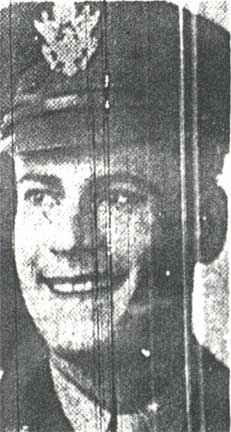
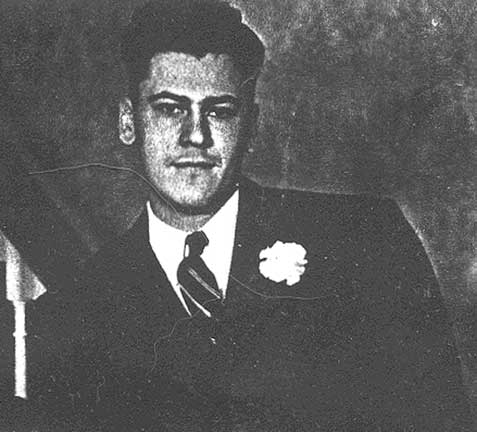
Second Lieutenant William F. Sippel Jr. of Audubon, New Jersey.
Second Lieutenant William Frederick Sippel Jr. was born on January 22, 1917, in LaPorte, Indiana, to William F. and Helena M. Boehmer Sippel. By 1930 the family had moved to Audubon, New Jersey, where his father was working as a finisher in a piano business. Known to friends and family as Will, he grew up in Audubon. A 1935 graduate of Audubon High School, he studied law at the South Jersey Law School in Camden. William Sippel was working as the credit manager of the J. Eavenson Soap Company in Camden prior to entering the Army in January of 1942.
He qualified for flight duty and trained as a four-engine bomber navigator. After basic training at Maxwell Field, Alabama, and advanced navigation school at Turner Field in Albany, Georgia, he was commissioned as a Second Lieutenant on July 25, 1942. Lieutenant Sippel was assigned to the 400th Bomber Squadron, 90th Bomber Group, and went overseas in October of 1942, after a brief posting at Detroit, Michigan. He left San Francisco for Hawaii on October 19, and sent three letters home from Australia, dated November 8, 11, and 12, 1942.
The 400th Bomber Squadron arrived with the rest of the 90th Bomb Group in Queensland, Australia, in November of 1942, and reached their base at Gordon Air Strip, at Iron Range, near the top of Cape York Peninsula, on November 13. When the 400th arrived, the airstrips were unfinished and not sealed. Conditions were terrible; there were no barracks, and tents were pitched among the surrounding trees.
The 400th Squadron’s first mission was scheduled for November 16, 1942. On that day, Second Lieutenant William Sippel was killed when his plane crashed during takeoff from Gordon Air Strip, Iron Range, Queensland, Australia. He was 25 years old. His death was reported in the December 28, 1942 edition of the Camden Courier-Post.
Will Sippel was survived by his parents, of 184 Carlisle Road, Audubon; his brother Matthew Sippel; and sister-in-law Kay. He was initially buried at the cemetery in Townsville, Australia. In 1946 his remains were removed to Hawaii, and he now rests at Gettysburg National Cemetery, Gettysburg, Pennsylvania.
So. Jersey College Has Many in Forces
Camden Courier-Post —
15 Percent of Graduates Serving U.S.; Many Hold Commissions
More than 15 percent of the graduates of the College of South Jersey are serving in some branch of Uncle Sam’s military forces, it was announced today, by Dr. Charles A. Maurer, dean of the college.
They are serving in the Army, Navy, Marines and in the Royal Canadian Air Force. A large number of the graduates hold commissions ranging from Navy ensigns and Army second lieutenants to Naval lieutenants senior grade and Army majors.
Graduates of the college and the South Jersey Law School, who are in the Army Air Corps are Mair Auerbach, Earle Benton, Thomas F. Connery, Joseph Hildebrand, David MacGhee and Robert W. Lowden.
Serving in the Army are Philip W. Cooper, Joshua V. Davidov, William G. Freeman, Nelson G. French, Joseph Frost, Jack H. Fuhrman, John R. Hall, William B. Knight, W. Warren Luckenbill, Joseph Moss, Robert W. Norris, Ralph Obus, William Peel, John F. Rodgers, C. Zachary Seltzer and Robert T. White.
Graduates in the Navy are John J. Crean, Angelo De Persia, Samuel T. French Jr., Thomas B. Hazelton, Robert Hollingsworth, John H. Mohrfeld, Bernard W. Nicel, Frederick A. Smith and Fred Thatcher.
Undergraduates serving in the Army are John Borden, William Boyd, Dominic De Persia, Elmer Highley, Frank Houser, William I. Johnston, Samuel Massimiano, James Matthews and Robert Runge. Those in the Navy are John Winton, Clyde Creato, William T. Hiering, John Heckers and Robert F. Miller.
Those with the Royal Canadian Air Force are Leo Burnett, Robert Cundy, Charles Adamson, John Broomall, Ralph Corriden, Clark Fountain, Ben Hollick, Alfred Pierce, William Sippel and Richard Truette. Vincent J. Manno is now at an Army officers training school.
Note: This appears to be in error. It does not appear that any of these men were serving in the Royal Canadian Air Force in July of 1942; rather, all had enlisted in the U.S. Army Air Corps prior to the writing of this article.
16 November 1942: Crash at Iron Range
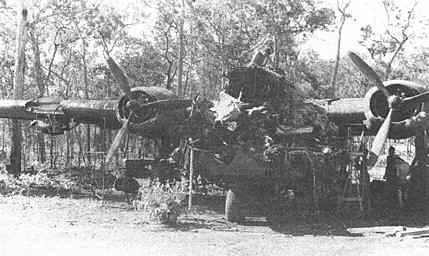
A B-24 Liberator damaged during the accident at Gordon Strip at Iron Range, Queensland, Australia, November 16, 1942.
A USAAF B-24 Liberator piloted by Lieutenant Paul Larson of the 400th Squadron of the 90th Bombardment Group crashed during takeoff for a bombing mission out of Iron Range’s “Gordon” air strip. Aircraft of the 90th Bomb Group were taking off at night from Iron Range for their first bombing raid on Rabaul. The dust blown up by the first B-24s taking off obscured the dim airfield lights. The eleventh B-24 in line veered off the runway into two parked B-24 Liberators and a B-17 Flying Fortress.
The B-24 caught fire and its bomb load exploded. Casualties were eleven U.S. service personnel killed and four aircraft destroyed. The remaining four aircraft did not take off. One of these, #41-23765, was materially damaged, while #41-23751, “Big Emma,” was only slightly damaged.
There were 7 aircraft from the 320th Squadron, 4 from the 319th Squadron, and 4 from the 400th Squadron in this bombing mission. The first B-24, #41-11902 “Punjab,” took off at 2300 hrs as scheduled. There was considerable confusion among the “green” pilots, and no method of control for dispatching the aircraft was in place. The first aircraft took off with landing lights on while the others did not. The runway lights were placed too far apart.
That first B-24, #41-11902 “Punjab,” vanished without a trace on this mission. It was piloted by the Commanding Officer of the 320th Squadron, Major Raymond S. Morse, with the Group Commander, Colonel Arthur W. Meehan, aboard as co-pilot. This loss in combination with the above crash caused significant morale problems among the men of the 90th Bomb Group.
The following burial records from the U.S. Cemetery in Townsville show the names of the eleven men killed in this accident:
| Name | Service No. | Burial Date |
|---|---|---|
| Dee, William J. | 16067297 | 19 Nov 1942 |
| Larson, Paul R. | 023854 | 19 Nov 1942 |
| Dilotti, Lewis A. | 35376226 | 19 Nov 1942 |
| Red, Claude D. | 18063101 | 19 Nov 1942 |
| Halgreen, Axel J. | 12033336 | 19 Nov 1942 |
| Meuthirg, David C. | 0726929 | 19 Nov 1942 |
| Irving, Ernest I. | 6116757 | 19 Nov 1942 |
| Sippel, William F. | 0791004 | 19 Nov 1942 |
| Picker, Lester L. | 35268447 | 20 Nov 1942 |
| Bassman, Herbert R. | 0725576 | 20 Nov 1942 |
| Patty, Harry L. | 3316669 | 20 Nov 1942 |
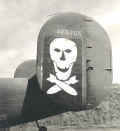
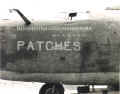
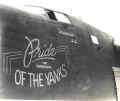
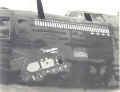
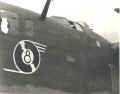
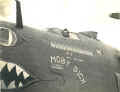
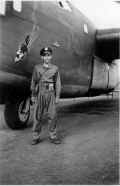
Aircraft of the 90th Bomb Group that took part in the November 16, 1942 mission. Photos courtesy of Bob Tupa.
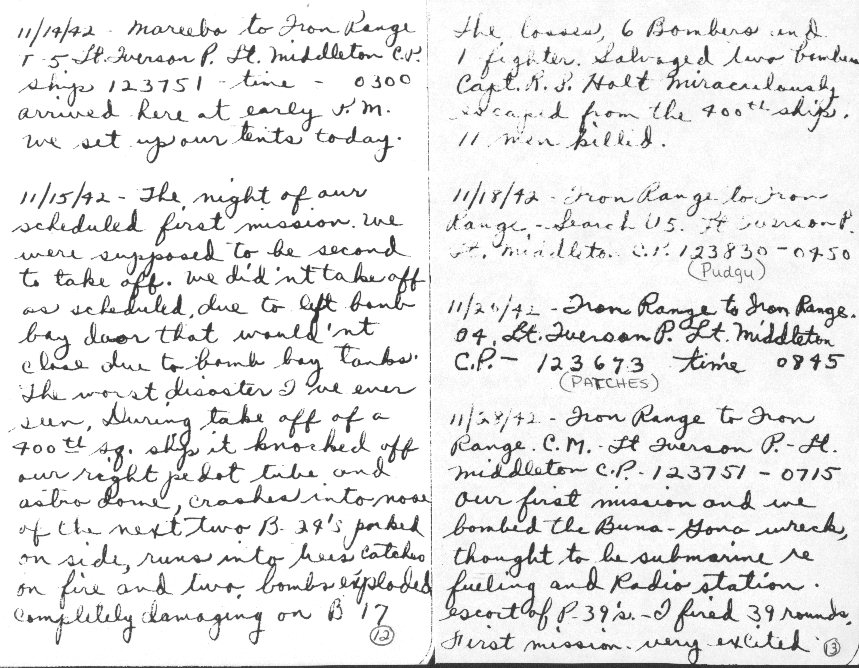
Kelly Ryun, whose father Harry Ryun was a crew member of “Big Emma” (#41-23751), recalled the incident: “I just talked to dad about this incident and he says it was disastrous. He recalls it like it was yesterday. He states the crew was standing by ‘Big Emma’ where they observed Lt. Larson taxi down the runway for takeoff. They all seen it coming. They saw Lt. Larson’s plane head for ‘Big Emma’ when they ran for the bushes. He states that ‘Big Emma’ was repaired the next day and put back into service. He says that one of his crew members ran so fast he ran right into a small tree and knocked it roots and all out of the ground.”
The log book entry is from a crew member of “Big Emma.”
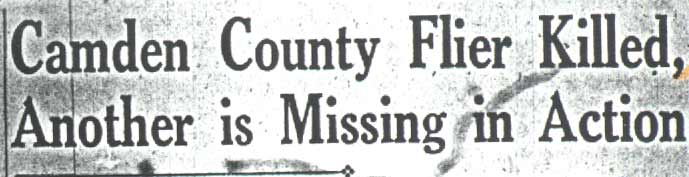
Camden County Flier Killed, Another is Missing in Action
Camden Courier-Post —
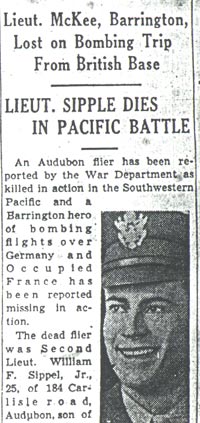
Lieut. McKee, Barrington, Lost on Bombing Trip From British Base
LIEUT. SIPPLE DIES IN PACIFIC BATTLE
An Audubon flier has been reported by the War Department as killed in action in the Southwestern Pacific and a Barrington hero of bombing flights over Germany and Occupied France has been reported missing in action.
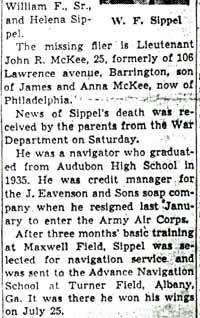
The dead flier was Second Lieut. William F. Sippel, Jr., 25, of 184 Carlisle road, Audubon, son of William F., Sr., and Helena Sippel. The missing flier is Lieutenant John R. McKee, 25, formerly of 106 Lawrence avenue, Barrington, son of James and Anna McKee, now of Philadelphia.
News of Sippel’s death was received by the parents from the War Department on Saturday.
He was a navigator who graduated from Audubon High School in 1935. He was credit manager for the J. Eavenson and Sons soap company when he resigned last January to enter the Army Air Corps.
After three months’ basic training at Maxwell Field, Sippel was selected for navigation service and was sent to the Advance Navigation School at Turner Field, Albany, Ga. It was there he won his wings on July 25.
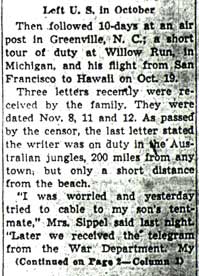
Left U. S. in October
Then followed 10 days at an air post in Greenville, N. C.; a short tour of duty at Willow Run, in Michigan, and his flight from San Francisco to Hawaii on Oct. 19.
Three letters recently were received by the family. They were dated Nov. 8, 11 and 12. As passed by the censor, the last letter stated the writer was on duty in the Australian jungles, 200 miles from any town, but only a short distance from the beach.
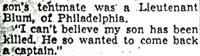
“I was worried and yesterday tried to cable to my son’s tentmate,” Mrs. Sippel said last night. “Later we received the telegram from the War Department. My son’s tentmate was a Lieutenant Blum, of Philadelphia. I can’t believe my son has been killed. He so wanted to come back a captain.”
Account of Plane Crash by Thomas C. Sippel
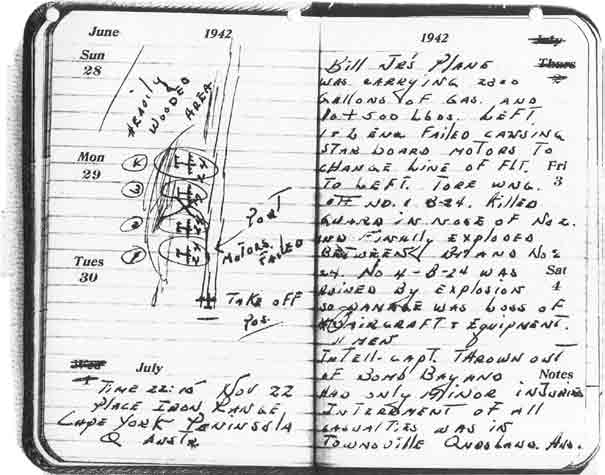
Handwritten account of the November 16, 1942 plane crash by Thomas C. Sippel. According to the family, this account is accurate in all respects except for the date. Courtesy of Larry Looby.
Photos
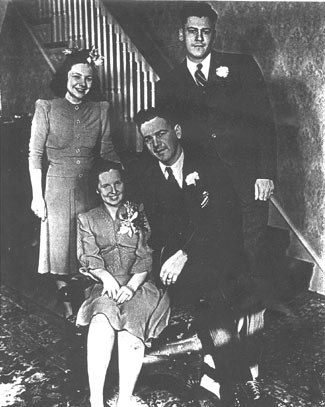
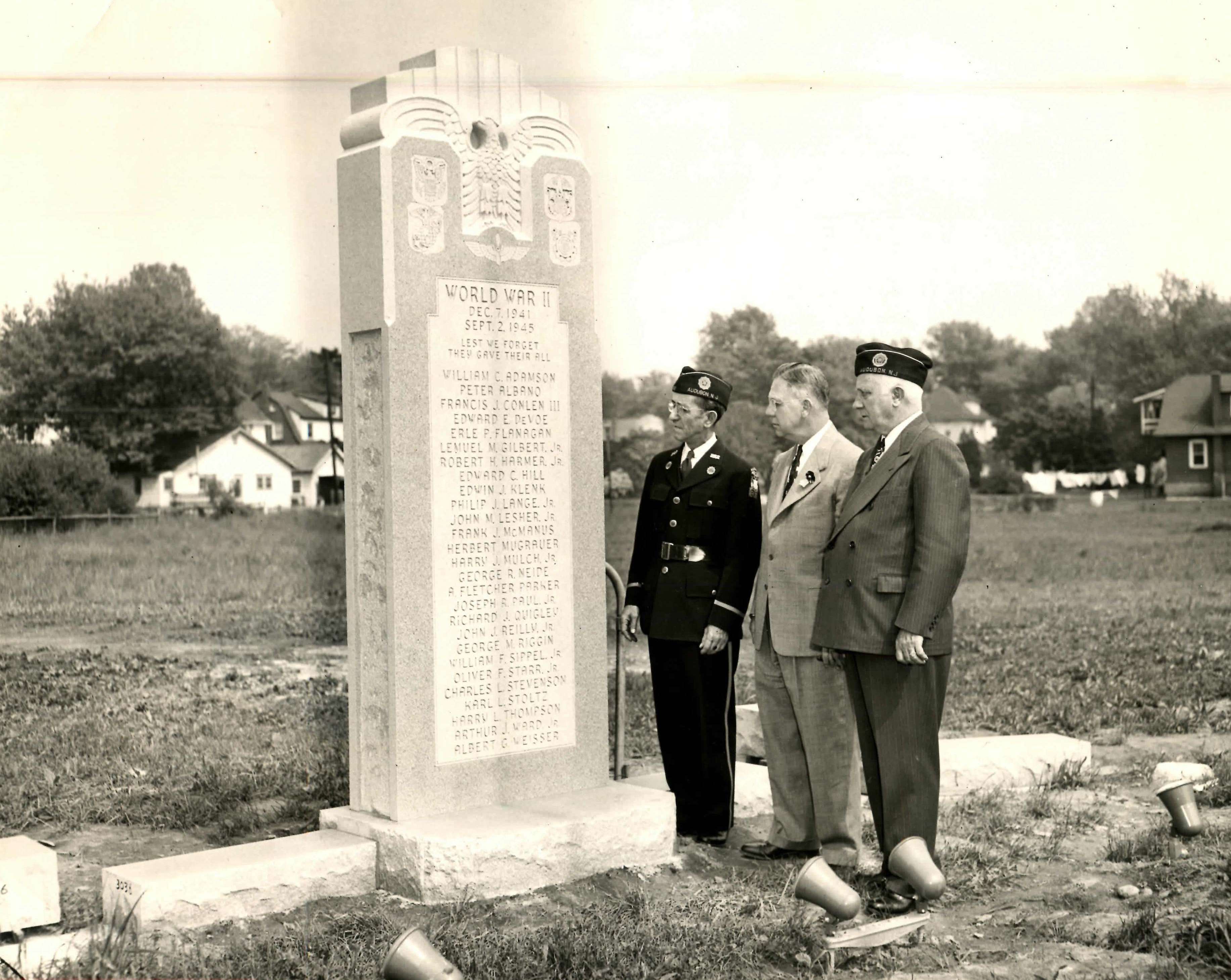
Wedding reception: seated, Kay and Matt Sippel; standing, bridesmaid Helen Rosiecki and best man Will Sippel; and the Audubon World War II memorial.