Livio Joseph Banda
Aviation Machinist's Mate Third Class Livio Joseph Banda was born July 24, 1924 in Camden NJ, the son of Biagio and Aldovina Banda. Mr. and Mrs. Banda had immigrated from Italy. In 1920 they were living with their son Vincent at 125 Birch Street, in Camden NJ. The family later moved to 320 Birch Street. According to census records, Biagio Banda worked as a laborer in one of Camden’s many factories.
After entering the United States Navy, Livio Joseph Banda trained as an aerial gunner. He served as the bow turret gunner on a Consolidated PB4Y-2 Privateer patrol bomber, as a member of squadron VPB-119. The Privateer was the naval version of the Army Air Force’s well-known B-24 Liberator bomber, modified for naval use by the addition of additional electronics, crew space, and armament. The Privateer entered Navy service during the late summer of 1944. VPB-118 and VPB-119 were the first Fleet squadrons to equip with the Privateer.
Livio Banda’s squadron was established on August 15, 1944 as Patrol Bombing Squadron VB-119. On October 1st, 1944, all units flying the PBY4-1 Liberator and PBY4-2 Privateer were re-designated as “VPB” squadrons, i.e., Patrol Bombing Squadrons.
The unit’s initial training station was at NAAS Camp Kearny, California until December 15, 1944. They were then deployed to Kaneohe naval station, Hawaii for further training. From January 3 through 14, 1945, the unit was deployed to Midway Island and performed “Offensive Search” operations. They then returned to Kaneohe for further training.
The first overseas deployment of the Privateer patrol bombers began on January 6, 1945, when VPB-118 left for operations in the Mariana Islands. VPB-119 deployed a few weeks later after completing training and outfitting at Kaneohe. Leaving Hawaii on February 7, 1945, the fifteen planes of VPB-119 arrived at Tacloban in the Philippine Islands on February 11, 1945. On February 13 the squadron reported to Mokerang in the Admiralty Islands for further training and maintenance, then returned to the Philippines. On March 1, 1945, VPB-119 began Offensive Search operations, flying out of Clark Field in the Philippines.
Livio Banda was assigned to Crew 4, under the command of Lieutenant J.W. Holt. Lieutenant Holt had served as the pilot for Ambassador Stanley, the nation’s chief emissary to the Soviet Union. On the first day of operations from Clark Field, Lieutenant Holt’s crew encountered a small Japanese convoy northeast of Okinawa with three destroyer escorts and three cargo vessels. Lieutenant Holt took the plane down through anti-aircraft fire to masthead level, and, with Aviation Machinist’s Mate Banda manning the guns in the bow turret, proceeded to strafe the convoy. The gunfire was effective, setting off an explosion that sank one freighter. A fire was started aboard one of the destroyer escorts, and another freighter was set ablaze. Only a lack of ammunition prevented the total destruction of the Japanese convoy.
Flying with Crew 4, Livio Banda was killed in action when his plane was shot down on May 1, 1945 over Hainan Island, in the Gulf of Tonkin, off the southern coast of China. The plane and crew were listed as missing at the end of the war; however, the wreckage and remains were eventually found and were returned to the States in 1949 for burial. Relatives of another crew member (A.H. Busse) advise that the plane wreckage was found on “a hill called Pen Lu Po Ling about a mile opposite the village of Ling Tow in Kuong An Huing, Ling Shui, Hainan Island.”
Livio J. Banda and fellow crew members, Leno G. Benuzzi and Fred Kautz, were buried at the Jefferson City National Cemetery, Jefferson City MO on August 5, 1949. As identification of the three men was difficult due to the circumstances of the crash and condition of the crash site, they were interred together in Plot 2 0 14–15.
Crew 4, VPB-119
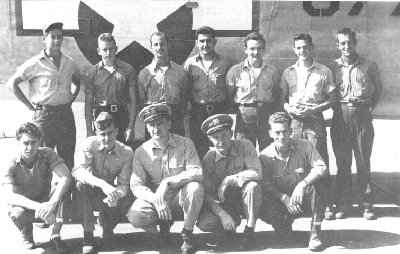
Circa 1944–1945… Left to right, front row: 1st Radioman Smith, M.F., ACRM; Co-pilot Baker, M.C., Ensign; Commander Holt, J.W., Lieut., USN; Co-pilot Urban, F.J., Ensign; Plane Captain Hutchison, J.B., Jr., AMMF1/c.
Rear row: Bombardier Busse, A.H., Jr., AOMB1/c; Aft Upper Deck Turret Benuzzi, L.G., S1/c; Tail Turret Loeser, E.M., Jr., AMMF2/c; Bow Turret Banda, L.J., AMMF3/c; Fwd Upper Deck Turret Klause, J.C., ARM2/c; 1st Ordnanceman Babb, H.B., AOM2/c; Stbd Waist Turret Middleton, J.L., ARM3/c…
PB4Y-2 Privateer
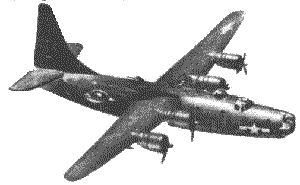
The Consolidated PB4Y-2 Privateer, the Navy’s patrol bomber variant of the B-24 Liberator, flown by VPB-119.
PB4Y-2 Privateers of VPB-119
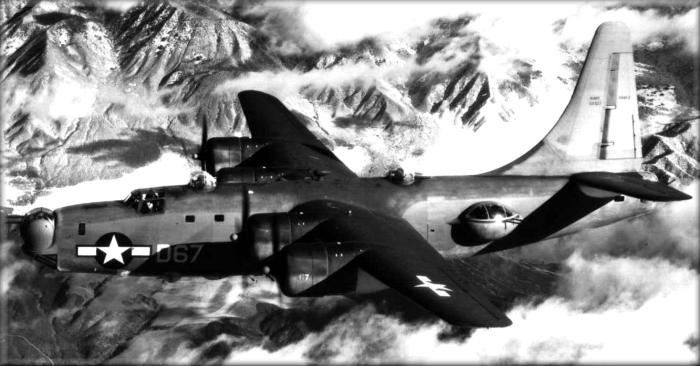
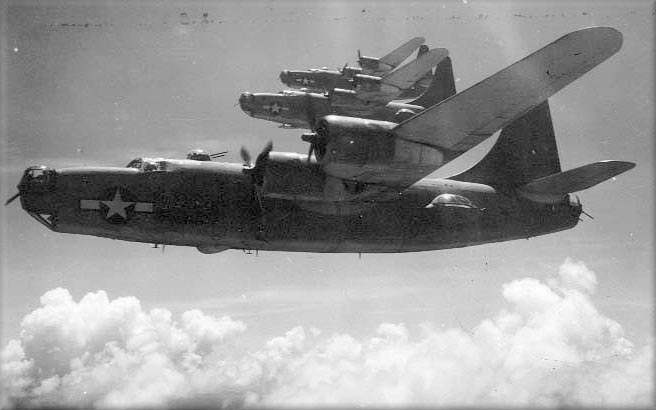
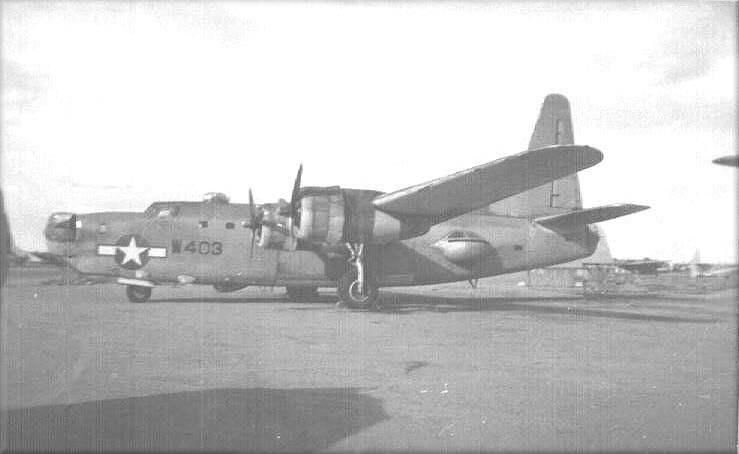
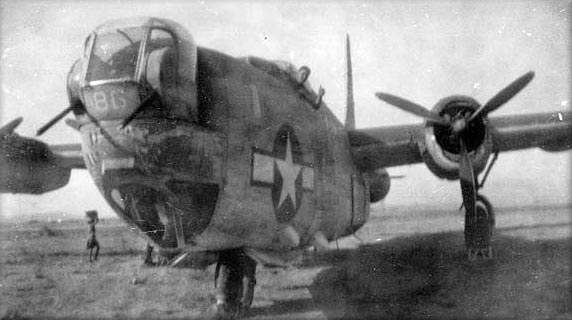
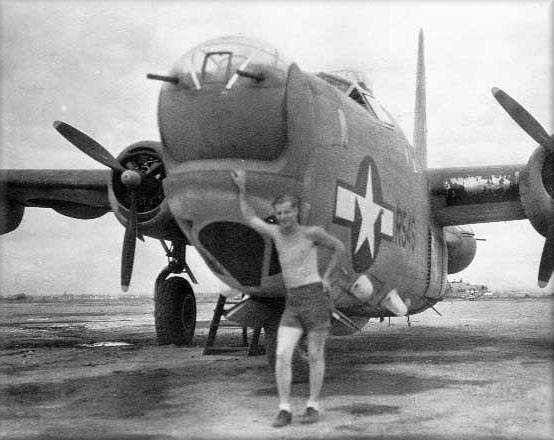
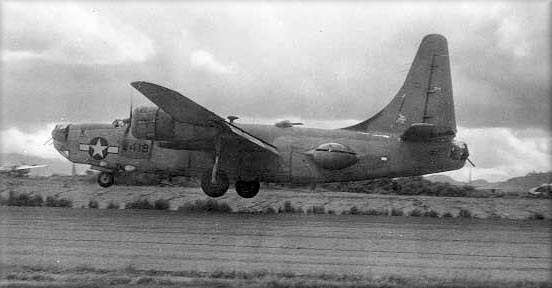
PB4Y-2 Privateers of VPB-119 photographed at NAAS Camp Kearny, California during training (1944) and at Clark Field, Philippines (1945).
Mishap Report — VPB-119
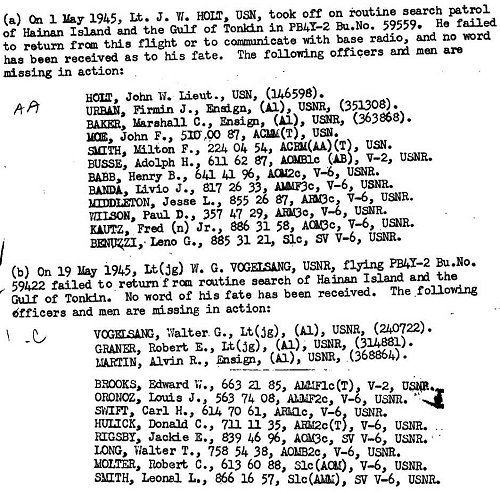
U.S. Pacific Fleet Air Force Mishap Report for VPB-119. Entry (a) records that on May 1, 1945, Lt. J.W. Holt, USN, took off on routine search patrol of Hainan Island and the Gulf of Tonkin in PB4Y-2 Bu. No. 59559. He failed to return from the flight or to communicate with base radio, and no word on his fate had been received. The following officers and men are listed as missing in action:
HOLT, John W., Lieut., USN (166598) — URBAN, Frank J., Ensign (A1), USNR (351308) — BAKER, Marshall C., Ensign (A1), USNR (363868) — MOE, John F., S1C, AGM1(T), USN — SMITH, Milton F., ACRM(A)(T), USN — BUSSE, Adolph H., AOMElc (AB), V-2, USNR — BABB, Henry B., AOM2c, V-6, USNR — BANDA, Livio J., AMMF3c, V-6, USNR — MIDDLETON, John L., ARM3c, V-6, USNR — WILSON, Paul D., ARM3c, V-6, USNR — KAUTZ, Fred (n) Jr., AOM3c, V-6, USNR — BENUZZI, Leno G., S1c, SV V-6, USNR.
VPB-119 Squadron Insignia
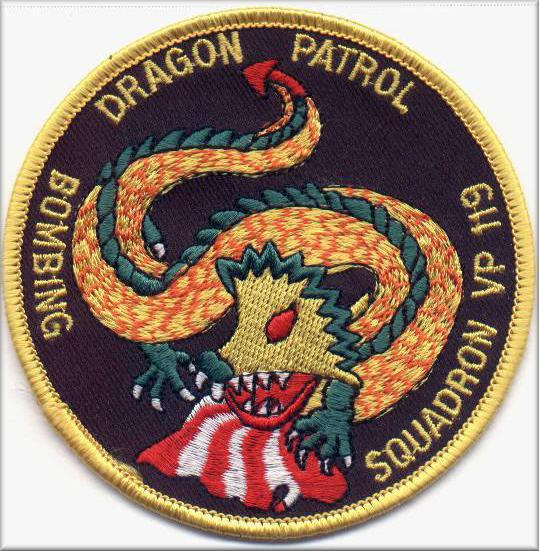
Patrol Bombing Squadron VPB-119 squadron insignia.
Summary of Operations, Patrol Bombing Squadron VPB-119
United States Pacific Fleet Air Force — –
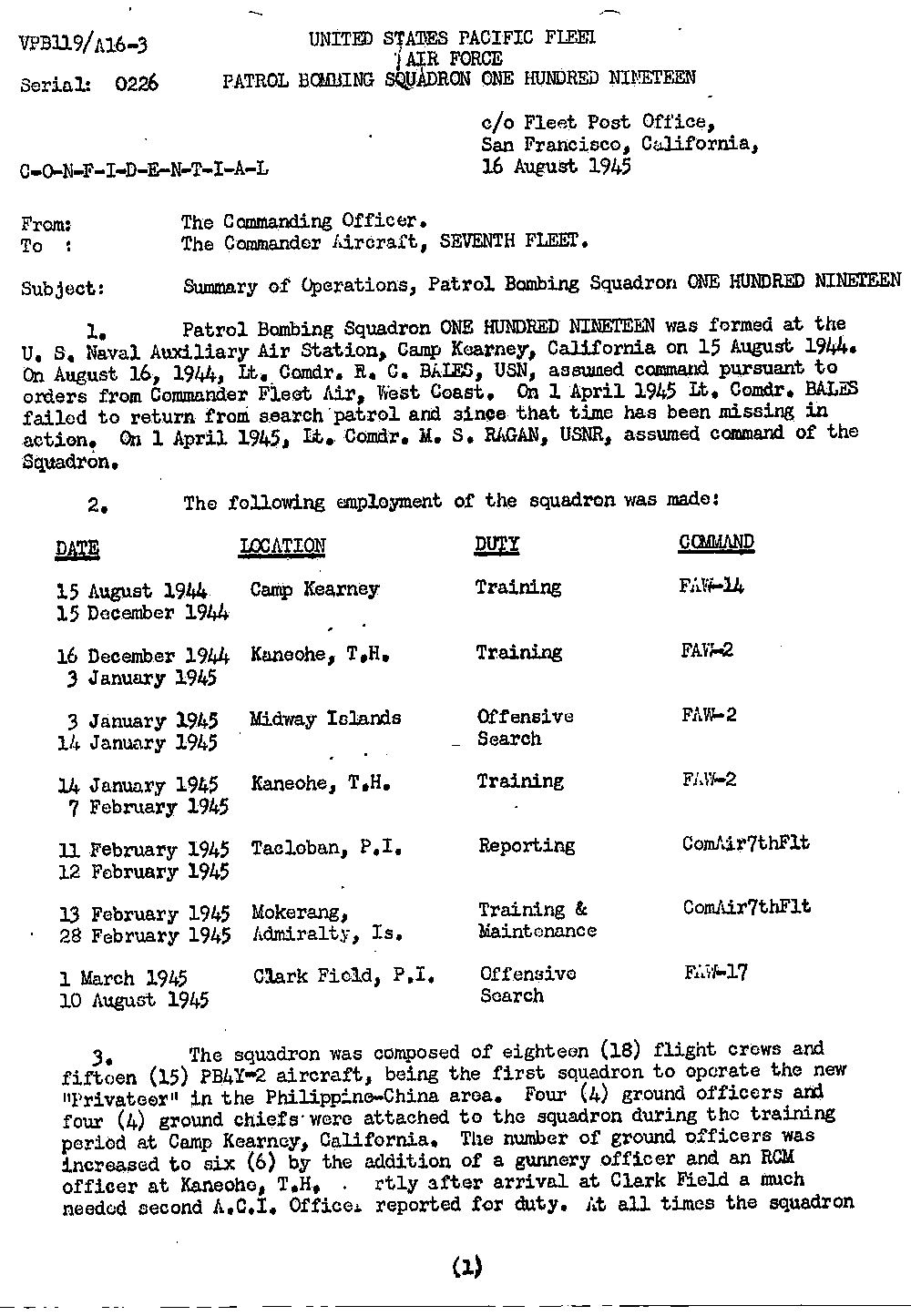
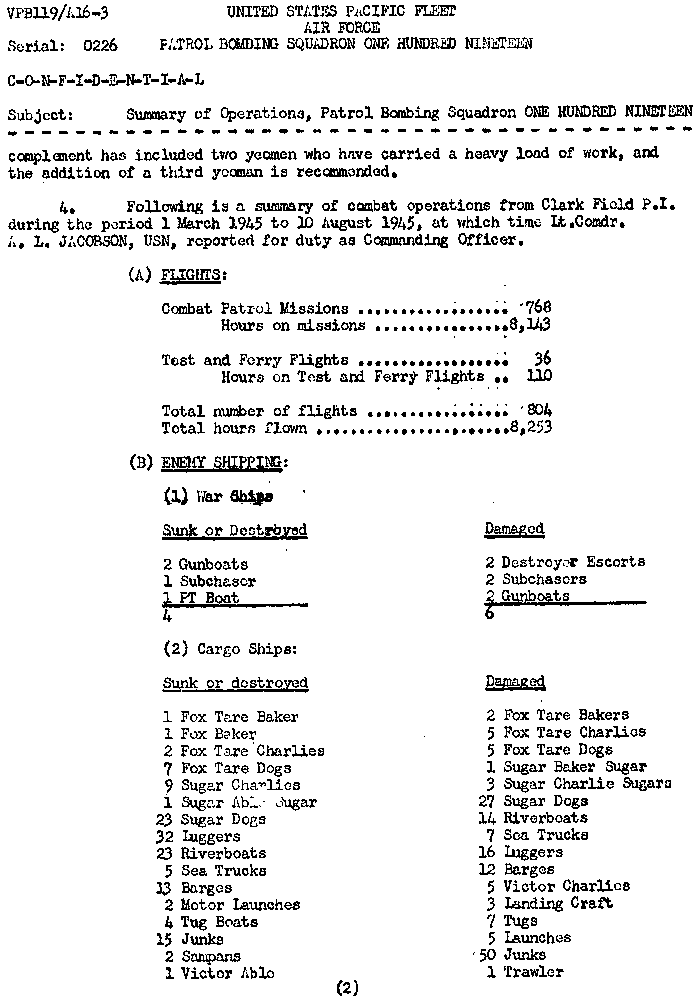
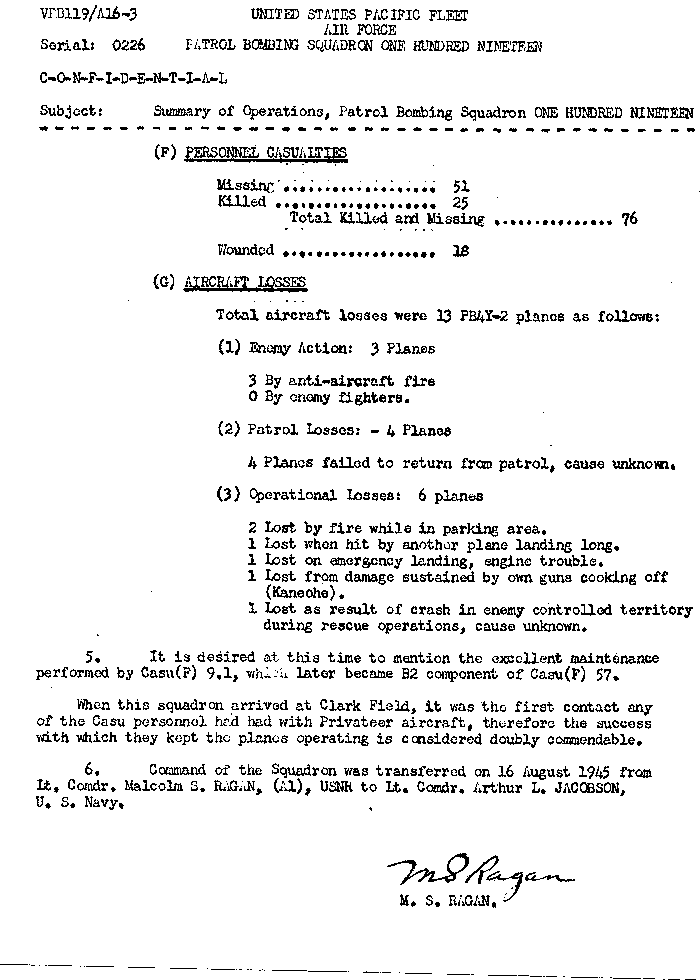
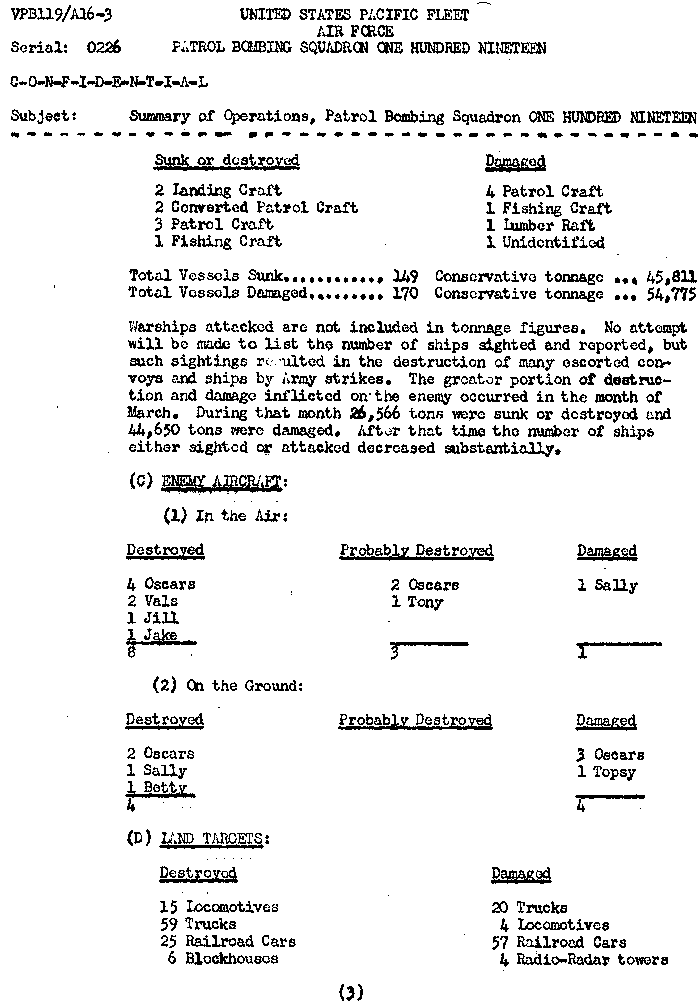
Summary of Operations, Patrol Bombing Squadron One Hundred Nineteen, U.S. Pacific Fleet Air Force. The squadron was formed on August 15, 1944 and flew the PB4Y-2 Privateer. Initial training was at NAAS Camp Kearny, California, followed by deployment to Kaneohe Naval Air Station, Hawaii, and Midway Island for offensive search operations.
The squadron arrived at Tacloban, Philippines on February 11, 1945, then moved to Clark Field on March 1, 1945 to begin combat operations. During its operational period from March 1 to August 16, 1945, the squadron flew 768 combat patrol missions totaling 8,143 hours. Personnel casualties: 51 missing, 25 killed, 76 total killed and missing. Total aircraft losses: 13 PB4Y-2 planes — 3 by enemy action, 4 patrol losses, 6 operational losses.
Enemy shipping sunk or destroyed: 149 vessels. Enemy aircraft destroyed in air: 4 Ceasars, 2 Vals, 1 Jill, 1 Jake. Command of the squadron was transferred on 16 August 1945 from Lt. Comdr. Malcolm S. Ragan, (A1), USNR to Lt. Comdr. Arthur D. Jacobson, U.S. Navy.
VPB-119: First Fleet Privateers
Naval Aviation News —
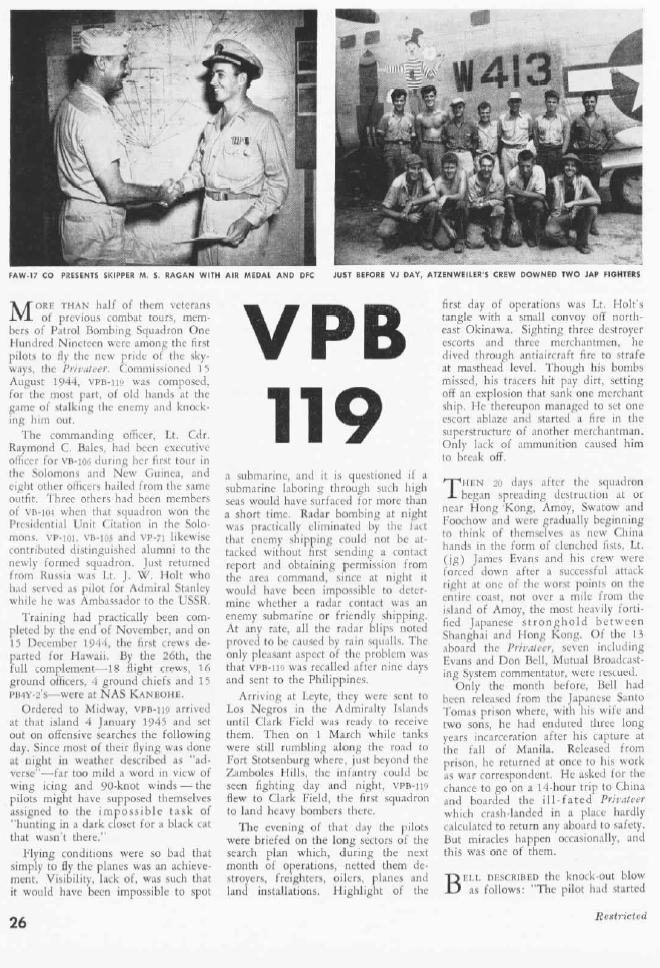
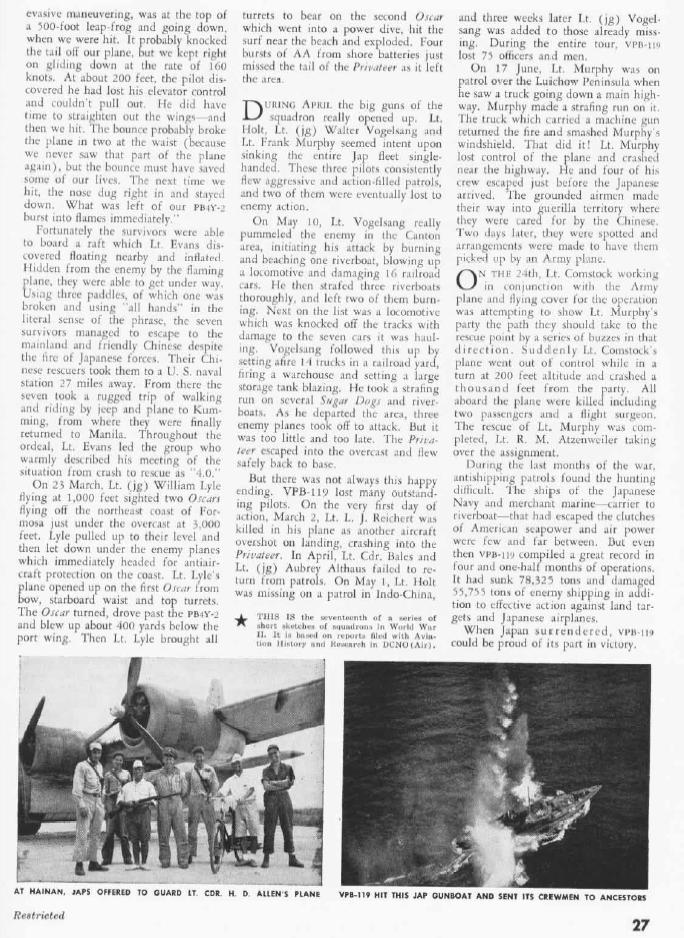
Naval Aviation News, June 1949 — article on VPB-119, one of the first Fleet squadrons to fly the PB4Y-2 Privateer. The article describes the squadron’s combat record and the crew’s actions against Japanese shipping in the Pacific.
Crew 4 at Jefferson City National Cemetery
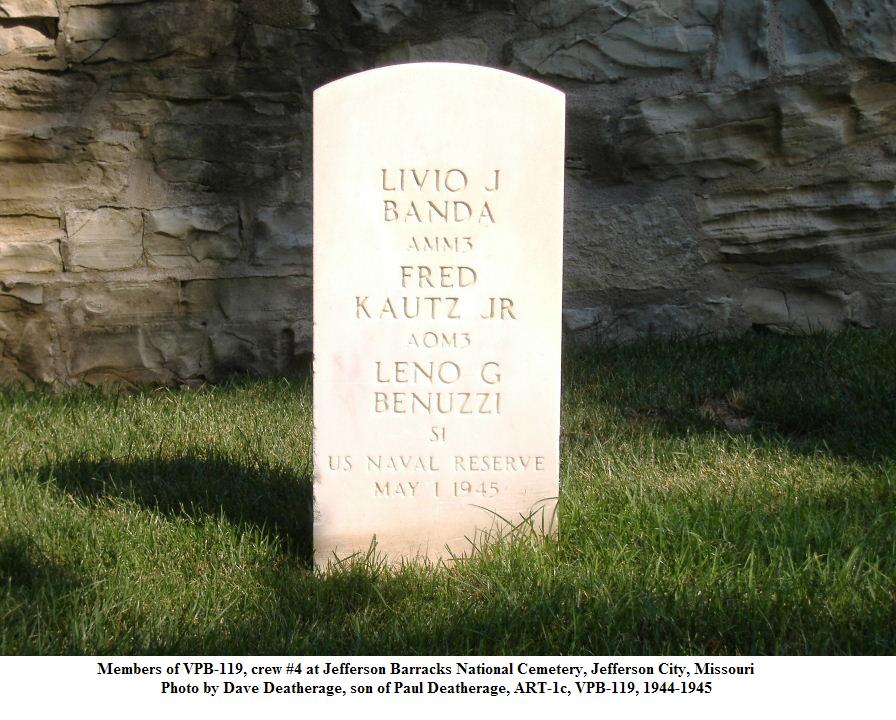
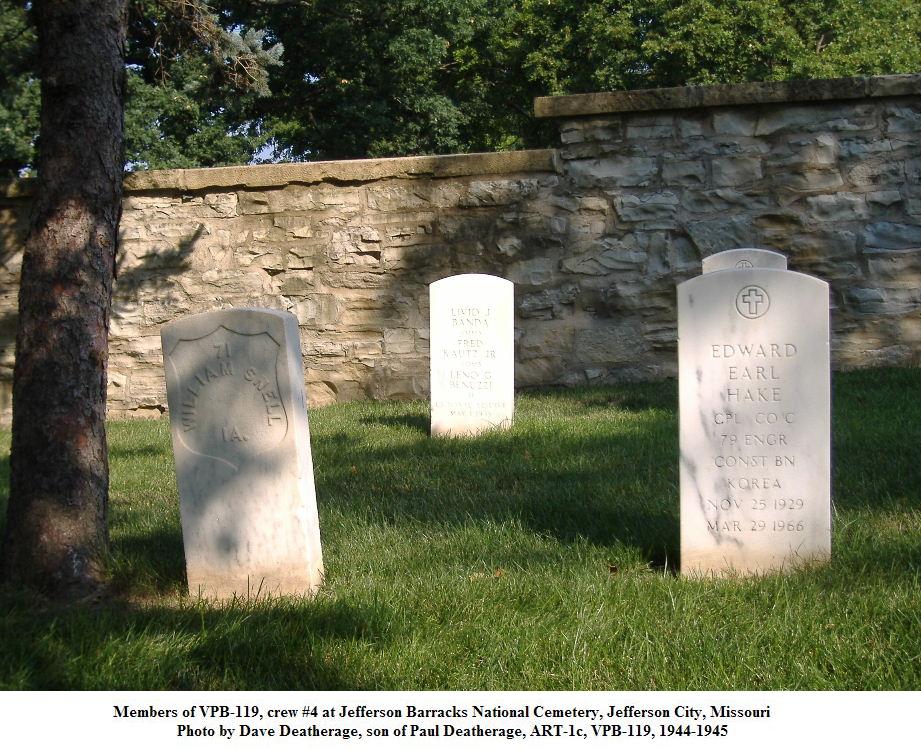
Members of VPB-119, Crew 4 at Jefferson Barracks National Cemetery, Jefferson City MO. Photo by Dave Deatheridge, son of Paul Deatheridge, ART1-C, VPB-119, 1944–1945.